Tonsillitis: Sore Throat, Fever, and When Surgery Is Considered

Tonsillitis is usually caused by viruses, but some cases are bacterial, including group A streptococcus. Common symptoms include sore throat, fever, swollen tonsils, painful swallowing, and tender neck glands.
Key Takeaways
- Tonsillitis is usually caused by viruses, but some cases are bacterial, including group A streptococcus.
- Common symptoms include sore throat, fever, swollen tonsils, painful swallowing, and tender neck glands.
- Antibiotics are helpful only for confirmed or strongly suspected bacterial tonsillitis and should be taken as prescribed.
- Supportive care such as fluids, rest, pain relief, and soothing foods can help recovery in many cases.
- Tonsillectomy may be considered for recurrent severe tonsillitis, complications, or obstructive symptoms, after assessment by an ENT specialist.
Tonsillitis is inflammation of the tonsils, most often caused by a viral or bacterial infection, and it commonly leads to sore throat, fever, and difficulty swallowing. Most cases improve with supportive care or appropriate medicines, while surgery is considered only in selected situations such as frequent, severe infections or breathing problems related to enlarged tonsils.
Overview
Tonsillitis is inflammation of the tonsils, the two oval-shaped pads of immune tissue at the back of the throat. The tonsils help recognize germs that enter through the mouth and nose, especially in childhood. Because they are exposed to viruses and bacteria, they can become swollen, red, and painful during an infection.
Tonsillitis can occur at any age, but it is particularly common in children and teenagers. It may be acute, meaning it develops suddenly and improves within days, or recurrent, meaning episodes happen repeatedly over time. Some people also develop chronic tonsil inflammation, with ongoing throat discomfort, bad breath, or enlarged tonsils.
Most cases are not serious and improve with time, rest, and symptom relief. However, it is important to identify cases that may require antibiotics, closer monitoring, or specialist care. A medical evaluation is especially useful when symptoms are severe, persistent, one-sided, or associated with breathing or swallowing difficulty.
Symptoms
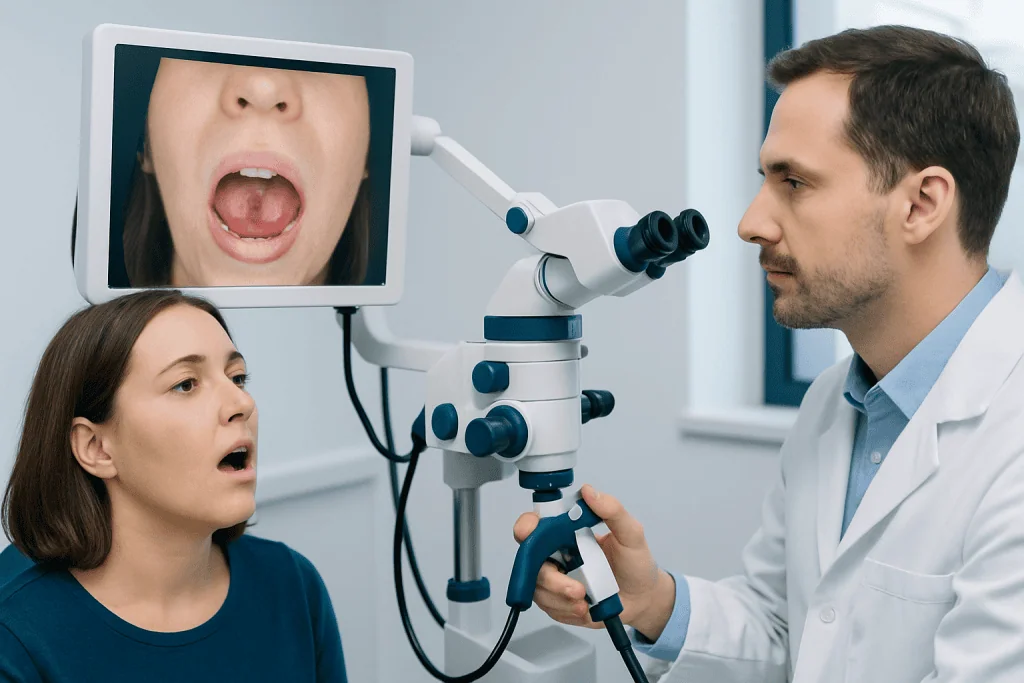
The main symptom of tonsillitis is a sore throat, often worse when swallowing. The tonsils may look red and enlarged, sometimes with white or yellow patches or coating. Fever, chills, tiredness, headache, and body aches may also occur, depending on the cause of the infection.
Children may describe throat pain less clearly and may instead refuse food, drool more than usual, become irritable, or complain of stomach pain. Swollen and tender lymph nodes in the neck are common. Bad breath and a muffled or hoarse voice may also be noticed.
Symptoms that may occur with tonsillitis include:
- Sore throat and painful swallowing
- Fever or feeling generally unwell
- Red, swollen tonsils, sometimes with spots or pus
- Tender glands in the neck
- Headache, ear pain, or stomach discomfort
- Snoring or noisy breathing if the tonsils are very enlarged
Not every sore throat is tonsillitis, and not every tonsillitis case needs antibiotics. Viral sore throats often come with cough, runny nose, hoarseness, or conjunctivitis, while bacterial infections such as strep throat may cause fever, swollen neck glands, and absence of cough. A clinician can help distinguish these patterns and decide whether testing is needed.
Causes and Risk Factors

Tonsillitis is most often caused by viruses, including common cold viruses, influenza viruses, adenovirus, and Epstein-Barr virus, which can cause infectious mononucleosis. Viral tonsillitis does not improve with antibiotics and usually settles with supportive care while the immune system clears the infection.
Bacterial tonsillitis is less common than viral tonsillitis but is important to recognize. The most well-known cause is group A streptococcus, the bacteria responsible for strep throat. When confirmed or strongly suspected, strep throat is treated with antibiotics to reduce symptoms, limit spread, and lower the risk of certain complications.
Risk factors include close contact with an infected person, crowded environments such as schools or childcare settings, and frequent exposure to respiratory droplets. Children and adolescents are more likely to develop tonsillitis because of close social contact and immune system development. Adults can also be affected, particularly if they work in environments with frequent exposure to infections.
Having large tonsils does not always mean a person has tonsillitis. Some people naturally have larger tonsils, and enlargement can remain after repeated infections. When large tonsils contribute to snoring, restless sleep, pauses in breathing during sleep, or swallowing difficulty, an ear, nose, and throat specialist may assess whether treatment beyond infection management is needed.
Diagnosis
Diagnosis usually begins with a discussion of symptoms, duration, fever, exposure to illness, and past episodes. The doctor examines the throat, tonsils, neck glands, ears, nose, and breathing pattern. This examination helps determine whether tonsillitis is likely and whether there are signs of complications such as a peritonsillar abscess.
When strep throat is possible, a rapid antigen test or throat culture may be recommended. A swab is gently taken from the back of the throat and tonsils. Rapid tests can give results quickly, while throat culture may take longer but can be more sensitive in some situations. Testing is particularly useful because symptoms alone cannot always reliably separate viral and bacterial infections.
Blood tests are not needed for most routine cases. They may be considered if infectious mononucleosis is suspected, especially when there is marked fatigue, swollen glands, enlarged spleen, or prolonged symptoms. Imaging is uncommon but may be used if a deep neck infection, abscess, or other complication is suspected.
It is important not to self-diagnose repeated episodes as bacterial tonsillitis without medical assessment. Accurate diagnosis helps avoid unnecessary antibiotics and ensures that people who do need treatment receive it promptly. Keeping a record of episodes, test results, fever, missed school or work, and antibiotic use can be helpful if recurrent tonsillitis is being evaluated.
Treatment Options
Treatment depends on the cause, symptom severity, age, and overall health. Viral tonsillitis is treated with supportive care, such as rest, fluids, and appropriate pain or fever relief. Warm drinks, cool foods, throat lozenges for older children and adults, and humidified air may ease discomfort. Young children should not be given lozenges or hard sweets due to choking risk.
If bacterial tonsillitis, especially strep throat, is confirmed or strongly suspected, a doctor may prescribe antibiotics. It is important to take antibiotics exactly as directed and complete the course unless the doctor advises otherwise. Stopping early can allow the infection to return and may contribute to antibiotic resistance. Antibiotics should not be used for viral tonsillitis because they do not treat viruses.
Some people develop complications that need urgent care, such as a peritonsillar abscess. This may cause severe one-sided throat pain, fever, difficulty opening the mouth, drooling, a muffled voice, or the uvula appearing pushed to one side. Treatment may involve drainage and antibiotics under medical supervision.
Tonsillectomy, the surgical removal of the tonsils, is not a routine treatment for a single episode of tonsillitis. It may be considered when tonsillitis is frequent, severe, well documented, and significantly affects daily life, or when complications occur. Surgery may also be considered when enlarged tonsils contribute to obstructive sleep-disordered breathing, swallowing problems, or other specific ENT concerns.
When Surgery Is Considered
Tonsillectomy decisions are individualized. Doctors consider how often infections occur, how severe they are, whether they are confirmed bacterial infections, and how much they affect school, work, sleep, or quality of life. A history of high fever, pus on the tonsils, positive strep tests, and tender neck glands may help clarify whether episodes meet criteria for recurrent tonsillitis.
Surgery may be discussed for recurrent severe tonsillitis over time, persistent tonsil-related problems, or complications such as recurrent abscess. It may also be considered for enlarged tonsils that contribute to snoring with suspected sleep apnea, restless sleep, daytime tiredness, behavioral changes in children, or growth and feeding concerns. In such cases, the aim is not simply to remove large tonsils, but to address a documented medical problem.
Like any operation, tonsillectomy has benefits and risks. Recovery commonly involves throat pain for several days, careful hydration, soft foods, and avoidance of strenuous activity as advised by the surgeon. Bleeding after tonsillectomy is uncommon but important to recognize, and patients receive clear instructions on when to seek urgent care.
An ENT specialist can explain whether surgery is appropriate, what alternatives exist, and what recovery is likely to involve. The decision is best made after a complete assessment and discussion of the person’s medical history, current symptoms, and preferences.
Prevention and Self-care
Tonsillitis cannot always be prevented, but everyday infection-control habits can reduce the risk of spread. Regular handwashing, avoiding close contact with people who are unwell, covering coughs and sneezes, and not sharing cups or utensils are simple but useful steps. Toothbrushes should not be shared, and replacing a toothbrush after recovery from strep throat may be advised by some clinicians.
During an episode, self-care focuses on comfort and hydration. People with tonsillitis may prefer soft foods such as soups, yogurt, smoothies, or mashed foods. Very spicy, acidic, or rough foods may irritate the throat. Adequate fluids are important, especially for children, because painful swallowing can lead to dehydration.
General comfort measures may include:
- Resting and avoiding strenuous activity while feverish
- Drinking water frequently or using ice chips if swallowing is painful
- Using age-appropriate pain or fever medicine as advised by a healthcare professional
- Gargling with warm salt water for older children and adults who can do so safely
- Avoiding smoke and other throat irritants
Children and adults with suspected contagious infections should follow medical advice about returning to school, childcare, or work. If antibiotics are prescribed for strep throat, the clinician can advise when the person is no longer considered contagious enough to return to normal activities.
When to See a Doctor
A doctor should be consulted when a sore throat is severe, lasts more than a few days, is accompanied by high or persistent fever, or includes swollen tonsils with pus-like patches. Medical advice is also important if there is a known exposure to strep throat, repeated tonsillitis episodes, or symptoms in a young child who is not drinking well.
Urgent medical care is needed for difficulty breathing, inability to swallow saliva, drooling, dehydration, severe one-sided throat pain, difficulty opening the mouth, neck swelling, confusion, or a rash with fever. These signs do not necessarily mean a serious outcome will occur, but they should be assessed promptly.
People with recurrent tonsillitis, suspected sleep apnea, or complications may benefit from evaluation by an ENT specialist. Acibadem International’s multidisciplinary specialists and JCI-accredited hospitals diagnose and treat tonsillitis and related ENT conditions for international patients, including assessment for medical treatment or surgery when appropriate.
Frequently asked questions
Is tonsillitis contagious?
Tonsillitis itself means inflammation of the tonsils, but the viruses or bacteria that cause it can be contagious. They usually spread through respiratory droplets, close contact, or shared items. Good hand hygiene and avoiding close contact while unwell can reduce transmission.
How can someone tell if tonsillitis is viral or bacterial?
Symptoms can provide clues, but they are not always enough for a reliable diagnosis. Cough, runny nose, and hoarseness often suggest a viral infection, while fever, tender neck glands, and no cough may raise suspicion for strep throat. A rapid strep test or throat culture may be needed.
Do antibiotics always treat tonsillitis?
No. Antibiotics work against bacteria, not viruses, and most tonsillitis cases are viral. When bacterial tonsillitis is confirmed or strongly suspected, antibiotics may be prescribed and should be taken exactly as directed.
When is tonsillectomy recommended?
Tonsillectomy may be considered for recurrent, severe, well-documented tonsillitis, complications such as recurrent abscess, or enlarged tonsils causing obstructive breathing or swallowing problems. The decision depends on the person’s symptoms, examination findings, medical history, and the balance of benefits and risks.
Can adults get tonsillitis?
Yes, adults can develop tonsillitis, although it is more common in children and teenagers. Adults with severe symptoms, repeated episodes, or one-sided throat pain should seek medical evaluation. Treatment principles are similar but are tailored to the individual.
What helps relieve tonsillitis pain at home?
Fluids, rest, soft foods, and age-appropriate pain or fever relief can help. Warm drinks or cool foods may feel soothing, and older children or adults may benefit from salt-water gargles. A doctor or pharmacist can advise on safe medicine choices, especially for children, pregnant people, or those with chronic conditions.
References
- World Health Organization
- Centers for Disease Control and Prevention
- American Academy of Otolaryngology-Head and Neck Surgery
- National Institute for Health and Care Excellence
- Mayo Clinic
This article is for general information only and is not a substitute for professional medical advice. Please consult a qualified doctor about your individual situation.
Explore treatments in Turkey — costs, top hospitals & a free quote
JCI-accredited · board-certified surgeons · reply within 24h
Add us as a Preferred Source to see more of our trusted health content across Google Search, AI Overviews and Discover.