

Torn Ligament — Explained by Medical Evidence, Not Myths
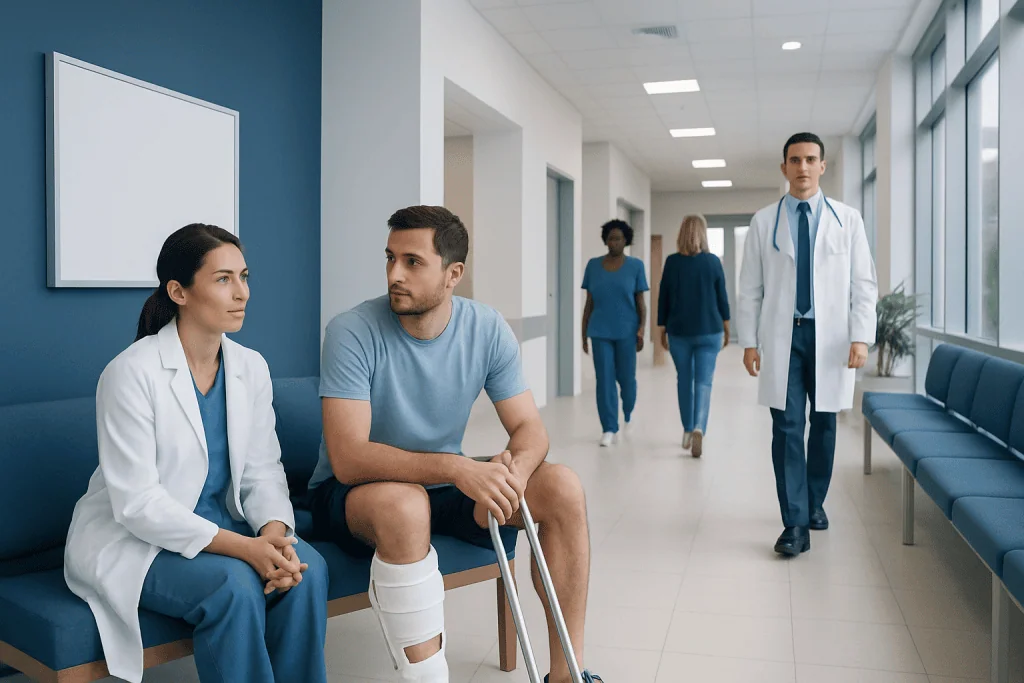
A torn ligament means the tissue stabilizing a joint has been stretched beyond its limit or partially or completely torn. Common signs include pain, swelling, bruising, reduced range of motion, and a feeling that the joint may give way.
Key Takeaways
- A torn ligament means the tissue stabilizing a joint has been stretched beyond its limit or partially or completely torn.
- Common signs include pain, swelling, bruising, reduced range of motion, and a feeling that the joint may give way.
- Diagnosis is based on medical history, physical examination, and sometimes imaging such as X-ray, ultrasound, or MRI.
- Many ligament injuries improve with protection, rest, ice, compression, elevation, and guided rehabilitation.
- Severe tears or ongoing instability may need specialist assessment and sometimes surgical repair or reconstruction.
- Prompt evaluation is important when a person cannot bear weight, has major swelling, deformity, numbness, or recurrent instability.
A torn ligament is an injury to the strong band of tissue that helps stabilize a joint. Depending on how much of the ligament is stretched or torn, symptoms can range from mild swelling and pain to marked instability, and treatment may include rest, bracing, rehabilitation, or surgery in selected cases.
Overview: what a torn ligament really means
A torn ligament is an injury to one of the tough, fibrous bands that connect bone to bone and help keep a joint stable. People often use the terms “sprain” and “torn ligament” interchangeably. In practice, a sprain describes ligament injury on a spectrum, from overstretching to a partial tear to a complete rupture.
Ligaments are found throughout the body, including the ankle, knee, wrist, thumb, shoulder, and elbow. When a ligament is injured, the joint may become painful, swollen, and less stable. The exact symptoms depend on which ligament is involved, how severe the injury is, and whether nearby structures such as tendons, cartilage, or bone are also affected.
A helpful way to understand ligament injury is by grade. A mild injury involves microscopic fiber damage and tenderness without major instability. A moderate injury involves a partial tear with more swelling and looseness. A severe injury means a complete tear or near-complete tear and may lead to significant instability or loss of function.
This matters because not every torn ligament needs surgery, and not every painful joint means a complete rupture. Evidence-based care focuses on accurate diagnosis, short-term joint protection, and a rehabilitation plan that restores strength, balance, and confidence in movement.
Symptoms and how they can feel in daily life
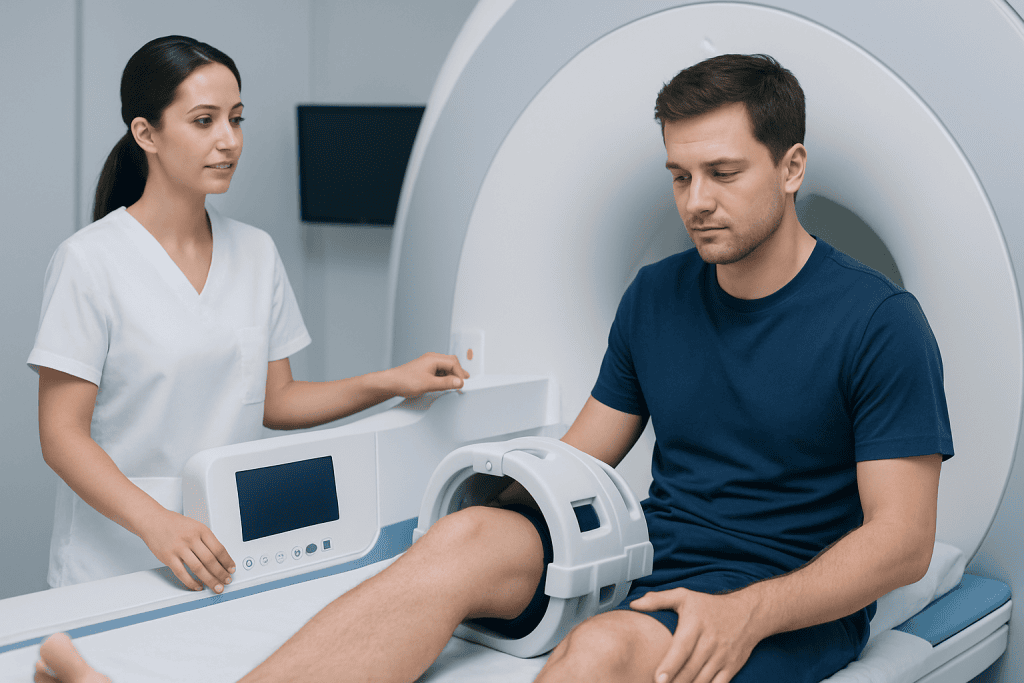
The most common symptoms of a torn ligament are pain, swelling, bruising, and difficulty using the joint normally. Many people notice symptoms immediately after twisting, landing awkwardly, falling, or changing direction quickly. Some describe hearing or feeling a “pop,” although this does not always mean a complete tear.
Another important clue is instability. A person may feel that the ankle rolls, the knee shifts, or the thumb or wrist is weak when gripping. Stiffness, tenderness to touch, and reduced range of motion are also common. In milder injuries, walking or daily tasks may still be possible but uncomfortable. In more serious injuries, weight-bearing, lifting, or sports activity may be difficult or unsafe.
Symptoms vary by location. An ankle ligament injury often causes swelling around the outer ankle and pain when walking on uneven ground. A knee ligament injury may cause swelling inside the joint and a sense of giving way. A wrist or thumb ligament injury can interfere with pinching, grasping, or rotating the hand.
- Pain at or around the joint
- Swelling that develops over minutes to hours
- Bruising or skin discoloration
- Reduced motion or stiffness
- Instability or a feeling of the joint “giving way”
- Tenderness when pressing the injured area
Causes, common sites, and risk factors
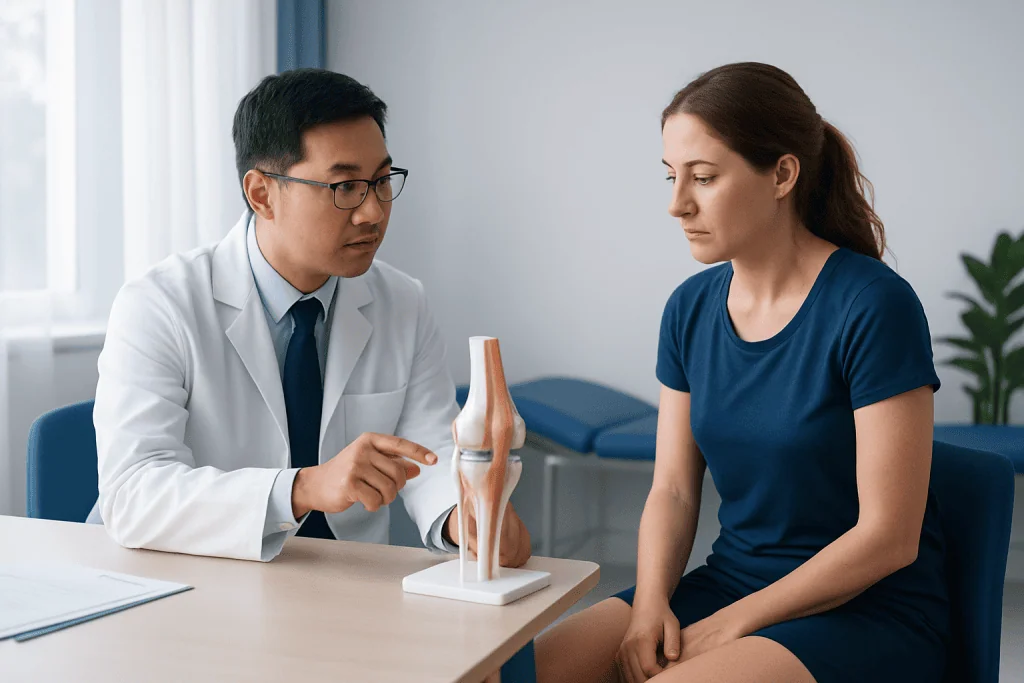
Most torn ligaments happen when a joint is forced beyond its normal range of motion. This may occur during sports, exercise, work activities, or everyday accidents. Sudden pivoting, awkward landings, collisions, slips, falls, and twisting injuries are common mechanisms. Ligaments are designed to resist these forces, but rapid or high-energy stress can exceed their capacity.
Some joints are injured more often than others. The ankle is one of the most common sites, especially after rolling inward. The knee is also frequently affected, including injuries to the anterior cruciate ligament and medial collateral ligament; people looking for more detail on knee-specific patterns may come across ACL tear information during evaluation. Thumb, wrist, elbow, and shoulder ligaments can also be torn, particularly in contact sports or falls onto an outstretched hand.
Risk factors include previous injury, poor neuromuscular control, muscle weakness, fatigue, inadequate warm-up, and wearing footwear that does not support the activity. Uneven surfaces and rapid return to sport after an earlier injury also increase risk. In some cases, generalized joint laxity can make a person more prone to sprains and instability.
Age can influence both the type of injury and recovery. Younger athletes may be exposed to high-demand cutting and jumping sports, while older adults may be more likely to injure ligaments during falls. Recovery can also be affected by smoking, diabetes, obesity, and other health conditions that influence circulation, healing, or physical conditioning.
How doctors diagnose a torn ligament
Diagnosis begins with the story of the injury. A doctor will ask how it happened, whether there was immediate swelling, whether the joint felt unstable, and whether the person could continue activity. The timing of symptoms matters. Rapid swelling after knee trauma, for example, can suggest a more significant internal injury.
The physical examination is equally important. The joint is assessed for swelling, bruising, tenderness, movement, and stability. Special stress tests may help identify which ligament is affected. Examination can sometimes be limited by pain or swelling in the first day or two, so repeat assessment after initial rest may be useful.
Imaging is used when needed, not automatically for every sprain. X-rays do not show ligaments directly, but they help rule out fractures or avulsion injuries where a small piece of bone is pulled away. Ultrasound can assess some superficial ligaments in experienced hands. MRI is often the most useful test when the diagnosis is uncertain, when a severe tear is suspected, or when symptoms suggest associated cartilage, meniscal, or tendon injury.
Because joint pain can have several causes, clinicians also consider other conditions such as fracture, tendon injury, dislocation, and cartilage damage. Persistent pain after a twisting injury may overlap with conditions such as meniscus tear in the knee, which is why careful assessment matters before deciding on treatment.
Treatment options: from early care to rehabilitation and surgery
Initial treatment for many torn ligaments starts with protecting the joint and reducing pain and swelling. For the first phase, clinicians often recommend rest from aggravating activities, ice, compression, elevation, and temporary support such as a brace, taping, or crutches when appropriate. The goal is not prolonged immobilization, but safe early recovery while the injured tissue begins to settle.
After the acute phase, rehabilitation becomes the key part of treatment. Guided exercises help restore motion, strength, balance, and joint awareness. This is especially important because a ligament injury can affect not only tissue healing but also the body’s sense of joint position and control. Many patients benefit from structured physical therapy and rehabilitation to reduce stiffness and lower the risk of reinjury.
Medication may be used for short-term symptom relief, depending on the person’s medical history and a doctor’s advice. Bracing can be useful in selected injuries, particularly during return to walking or sport. Some people recover fully with non-surgical care, especially when the tear is partial or the joint remains functionally stable.
Surgery is considered when there is a complete tear with significant instability, a high-demand need for joint stability, failure of conservative treatment, or associated injuries that change management. For example, some severe knee injuries may lead to assessment by an orthopedic specialist and, in selected cases, knee surgery. If the ankle remains unstable after repeated sprains despite rehabilitation, a specialist may also evaluate options related to orthopedics and traumatology. The best approach depends on the joint involved, activity goals, and findings on examination and imaging.
Recovery, self-care, and preventing another injury
Recovery time depends on the ligament involved and the severity of the tear. Mild injuries may improve within weeks, while more significant tears can take months, particularly if surgery is needed. Many people feel better before the ligament and surrounding muscles are truly ready for full activity, which is why progressive rehabilitation is so important.
At home, helpful self-care usually includes protecting the joint as advised, avoiding activities that trigger instability, and following a gradual exercise plan. Returning too quickly to sport can increase the chance of another sprain or a chronic sense of looseness. Footwear, braces, or taping may be recommended temporarily for some activities.
Prevention focuses on conditioning and movement quality as much as on equipment. Strengthening the muscles around the joint, working on balance and landing mechanics, warming up properly, and addressing previous injuries can all help reduce risk. For athletes, supervised return-to-play testing may be useful before resuming cutting, jumping, or contact activities.
People with repeated sprains should not ignore them. Ongoing ankle rolls, knee buckling, or thumb instability can lead to compensatory movement patterns, weakness, and loss of confidence in the joint. A professional assessment can identify whether the issue is incomplete rehabilitation, mechanical instability, or another diagnosis that needs attention.
When to seek medical care
Medical review is advisable when a person has significant joint pain after an injury, especially if swelling is marked, movement is very limited, or normal activities are difficult. It is also sensible to seek care if the joint feels unstable, keeps giving way, or symptoms are not improving after several days of appropriate home care.
Urgent assessment is important if there is obvious deformity, inability to bear weight, severe swelling, numbness, weakness, or concern about fracture or dislocation. A popping injury followed by immediate swelling, locking of the joint, or a feeling that the limb is unsafe to use should also prompt timely evaluation.
Children, older adults, and competitive athletes may need earlier assessment because treatment decisions can affect growth, mobility, or return to sport. Persistent or recurrent injuries deserve specialist attention even when the initial pain seemed manageable.
For patients who need multidisciplinary assessment, Acibadem International’s specialists in musculoskeletal care and its JCI-accredited hospitals diagnose and treat ligament injuries for international patients, with care plans tailored to the specific joint and the person’s recovery goals.
Frequently asked questions
Is a torn ligament the same as a sprain?
A sprain is the general term for a ligament injury, and a torn ligament falls within that category. The injury can range from mild overstretching to a partial or complete tear.
Can a torn ligament heal without surgery?
Yes, many ligament injuries heal with non-surgical treatment, especially partial tears or injuries in joints that remain stable. Protection, rehabilitation, and a gradual return to activity are often enough, but the best plan depends on the joint and severity.
How long does a torn ligament take to heal?
Healing time varies widely. Mild injuries may improve in a few weeks, while more severe tears can take several months, especially if surgery or prolonged rehabilitation is needed.
Should a person walk on a torn ligament?
That depends on the location and severity of the injury. Some mild sprains tolerate gentle weight-bearing, while more severe injuries may need crutches or a brace until a doctor advises it is safe.
What is the difference between a ligament and a tendon injury?
Ligaments connect bone to bone and help stabilize joints. Tendons connect muscle to bone and help create movement, so injuries to each structure can feel different and may require different treatment.
Does a popping sound always mean a complete tear?
No. A pop can happen with different types of joint injuries, including sprains, tendon problems, or other soft-tissue damage. A proper examination is needed to determine what was injured.
This article is for general information only and is not a substitute for professional medical advice. Please consult a qualified doctor about your individual situation.
Joint and spine care in Turkey — expert assessment & treatment
JCI-accredited · board-certified surgeons · reply within 24h
Add us as a Preferred Source to see more of our trusted health content across Google Search, AI Overviews and Discover.

More from the Health Library

Cholera — Explained by Medical Evidence, Not Myths

Mustard Seed Plant: An Evidence-Based Guide for Patients

Windburn: An Evidence-Based Guide for Patients

Verbal Abuse: A Complete Medical Overview

Index Fingertip: A Complete Medical Overview

Russell’s Sign: An Evidence-Based Guide for Patients
Orthopedic Surgery & Traumatology Specialists at Acibadem

Dr. Alp Er Tunga Bölükbaşı
Orthopedic Surgery & Traumatology
Dr. Alper Gölpınar
Orthopedic Surgery & Traumatology
Prof. Dr. Alper Kaya
Orthopedic Surgery & Traumatology
Fzt. Alperen Mustafa Oğuz
Physical Medicine & Rehabilitation