Tracheomalacia: An Evidence-Based Guide for Patients

Tracheomalacia means the trachea is too flexible and can partially collapse during breathing. Symptoms may include noisy breathing, wheezing, chronic cough, recurrent chest infections, or feeding-related breathing problems in infants.
Key Takeaways
- Tracheomalacia means the trachea is too flexible and can partially collapse during breathing.
- Symptoms may include noisy breathing, wheezing, chronic cough, recurrent chest infections, or feeding-related breathing problems in infants.
- Doctors often confirm the diagnosis with airway evaluation such as bronchoscopy and imaging tests chosen for the person's age and symptoms.
- Treatment ranges from observation and mucus clearance to managing related conditions, breathing support, or surgery in more severe cases.
- Prompt medical assessment is important if breathing is difficult, symptoms are getting worse, or infections happen repeatedly.
Tracheomalacia is a condition in which the windpipe is softer or weaker than usual, so it narrows too much during breathing. Some people have mild symptoms that improve with time or supportive care, while others need closer monitoring or treatment to keep the airway open.
What tracheomalacia is
Tracheomalacia is a condition in which the walls of the trachea, also called the windpipe, are softer or less supportive than normal. Because of this weakness, the airway can narrow too much when a person breathes out, coughs, cries, feeds, or exerts themselves. The result can be noisy breathing, wheezing, cough, or repeated breathing problems.
Tracheomalacia can affect babies, children, and adults. In infants it may be present from birth because the airway cartilage has not formed with its usual firmness. In adults it is more often acquired later in life, sometimes after long-term inflammation, injury, prolonged intubation, surgery, or pressure from nearby structures.
The condition exists on a spectrum. Some people have mild airway softness that causes few symptoms and improves over time, while others have more significant airway collapse that affects sleep, exercise, feeding, or recovery from infections. A careful evaluation helps show how much of the airway is involved and whether another airway problem is present at the same time.
How tracheomalacia affects breathing
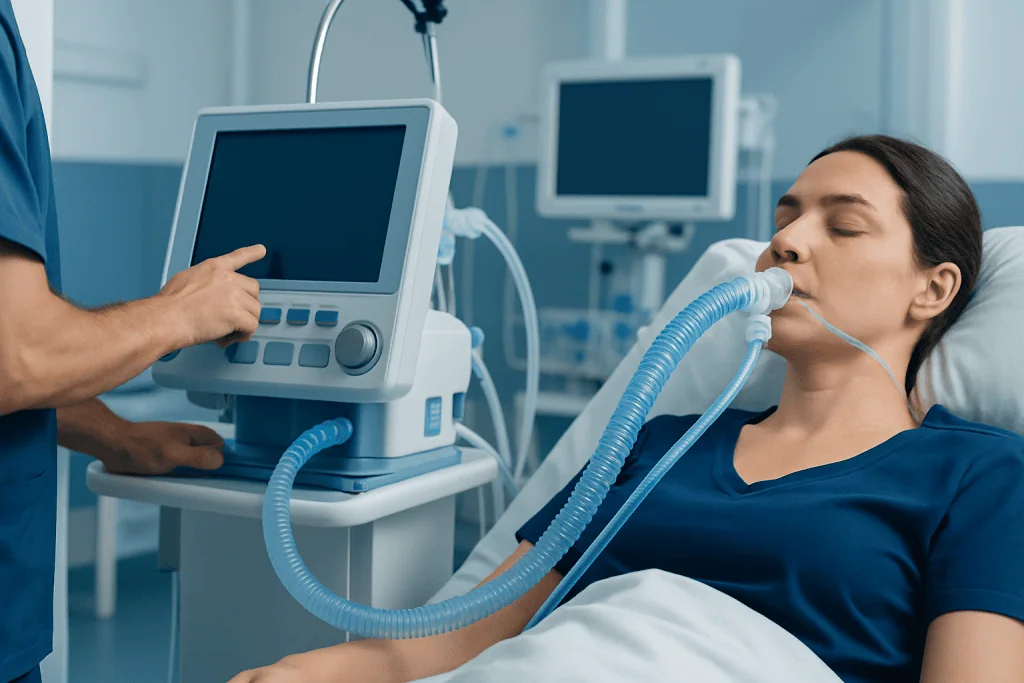
The trachea normally stays open because rings of cartilage support it. In tracheomalacia, this support is weaker than expected, so the airway may flatten or narrow when pressure changes during breathing. This is why symptoms often become more noticeable when a person exhales, coughs, cries, laughs, or has a chest infection.
When the airway narrows, air movement becomes turbulent and may create a harsh, rattling, or wheezing sound. In some people this can look similar to asthma, but the underlying problem is structural rather than mainly inflammatory. That distinction matters because treatment planning is different.
Tracheomalacia may occur on its own or together with other airway conditions. For example, some patients also have narrowing of the airway, swallowing difficulties, reflux, or weakness in the bronchi, the larger airways leading into the lungs. If the collapse extends beyond the trachea into the bronchi, doctors may describe it more broadly as bronchomalacia or tracheobronchomalacia, depending on the findings.
Symptoms and possible complications

Symptoms vary by age and severity. Infants may have noisy breathing, a barking or rattling cough, pauses in breathing, difficulty feeding, bluish color around the lips during distress, or frequent chest infections. Symptoms are often more obvious during colds, crying, or lying flat.
Older children and adults may notice wheezing that does not fully respond to usual inhalers, shortness of breath during activity, chronic cough, trouble clearing mucus, repeated bronchitis, or a sensation that breathing becomes worse when bending or straining. Some adults describe a vibrating or fluttering feeling in the chest when exhaling.
Possible complications include recurrent respiratory infections, poor sleep, low exercise tolerance, and in infants, feeding-related breathing stress or poor weight gain if symptoms are significant. Severe airway collapse can rarely lead to episodes of marked breathing difficulty that need urgent attention.
- Noisy breathing or wheeze
- Persistent or barking cough
- Recurrent chest infections
- Shortness of breath, especially with exertion
- Difficulty clearing secretions
- Feeding-related coughing or choking in infants
Causes and risk factors
Doctors usually group tracheomalacia into congenital and acquired forms. Congenital tracheomalacia is present from birth and is linked to airway cartilage that is not yet firm enough. It may occur by itself or alongside other conditions affecting the esophagus, heart, great vessels, or airway development.
Acquired tracheomalacia develops later. Causes can include long-term inflammation, injury from medical procedures involving the airway, prolonged pressure from a breathing tube or tracheostomy tube, previous surgery, chronic infections, and compression from nearby blood vessels or masses. In some adults, chronic airway disease may weaken the tracheal wall over time.
Several related conditions can contribute to symptoms or make tracheomalacia harder to recognize. Gastroesophageal reflux, swallowing problems, and recurrent aspiration can irritate the airway. People may also be evaluated for other causes of cough or wheeze, including asthma or chronic obstructive pulmonary disease when age and history suggest them.
How doctors diagnose tracheomalacia
Diagnosis starts with a detailed history and physical examination. Doctors ask when symptoms occur, what makes them worse, whether infections are frequent, and whether feeding, sleep, exercise, or body position changes breathing. In infants, growth and feeding patterns are especially important.
The most informative test is often bronchoscopy, in which a specialist looks directly at the airway and sees how it behaves during breathing. This can show the location, severity, and length of the airway collapse and whether there are other structural problems. Imaging may also help, including dynamic CT in selected cases, chest imaging, or swallowing studies if aspiration is a concern.
Other tests may be used based on age and symptoms. Lung function tests can support assessment in older children and adults. In some cases, doctors may arrange bronchoscopy to examine the airway directly or pulmonary function testing to better understand how breathing is affected. The goal is not only to confirm tracheomalacia but also to identify any contributing condition that should be treated alongside it.
Treatment options and what care may involve
Treatment depends on how severe the airway collapse is and how much it affects daily life. Mild cases, especially in infants, may be managed with observation and supportive care because the airway can become firmer as the child grows. During this time, follow-up is important to track breathing, feeding, growth, and infections.
Supportive treatment may include airway clearance techniques, humidification, careful treatment of respiratory infections, and management of related issues such as reflux or swallowing difficulty. Some patients benefit from noninvasive breathing support in selected situations, particularly if symptoms are worse during sleep or illness. If doctors suspect coexisting sleep-related breathing problems, they may recommend evaluation such as a sleep study.
More severe tracheomalacia may require procedural or surgical treatment. Options depend on the cause and anatomy and can include procedures to relieve external compression, support the airway, or address associated abnormalities. In carefully selected patients, surgery may help keep the airway open and reduce recurrent symptoms. Because treatment planning is individualized, care is often coordinated among pulmonology, ENT, pediatrics, thoracic surgery, and gastroenterology teams. Near the end of the care pathway, some international patients choose centers such as Acibadem International, where multidisciplinary specialists and JCI-accredited hospitals diagnose and treat airway conditions.
Living with tracheomalacia: self-care and follow-up
Self-care does not replace medical treatment, but it can help reduce symptom flare-ups. Preventing respiratory infections is important, especially for infants, young children, and older adults. Good hand hygiene, avoiding tobacco smoke exposure, and staying current with recommended vaccines can support airway health.
People with mucus build-up may benefit from techniques that help clear secretions, as advised by their care team. Families of infants should pay attention to feeding posture, pacing, and signs of coughing or choking during feeds. If reflux or aspiration is part of the picture, addressing those issues may improve airway irritation and lower the chance of repeated infections.
Follow-up matters because symptoms can change over time. Some children improve as the trachea matures, while adults with acquired disease may need reassessment if coughing, breathlessness, or infections become more frequent. The right follow-up schedule depends on age, symptom severity, and whether other airway or lung conditions are present.
When to seek medical care
Medical review is appropriate if a child or adult has ongoing noisy breathing, wheezing that does not improve as expected, repeated chest infections, chronic cough, or trouble feeding associated with breathing symptoms. A planned evaluation can help clarify whether tracheomalacia or another condition is responsible.
Urgent care is needed if there is obvious breathing distress, pauses in breathing, bluish lips or skin, poor feeding with signs of dehydration, new confusion, or rapidly worsening shortness of breath. These symptoms can have many causes, but they should not be watched at home without professional advice.
People already diagnosed with tracheomalacia should contact their doctor if symptoms change, infections become more frequent, mucus becomes difficult to clear, or daily activities are increasingly limited. Early reassessment can help prevent complications and guide whether additional testing or treatment is needed.
Frequently asked questions
Is tracheomalacia serious?
It can range from mild to more significant. Many infants have milder forms that improve as the airway develops, while some children and adults need closer monitoring or treatment if breathing problems, infections, or feeding issues are frequent.
Can tracheomalacia be mistaken for asthma?
Yes. Both conditions can cause wheezing, cough, and shortness of breath. The difference is that tracheomalacia is caused by airway weakness and collapse, so doctors may need airway imaging or bronchoscopy when symptoms do not fit typical asthma patterns.
Do children outgrow tracheomalacia?
Some do, especially when the condition is mild and present from birth. As the airway cartilage becomes firmer with growth, symptoms may lessen, but regular follow-up is still important to make sure breathing, feeding, and growth remain on track.
What tests are used to diagnose tracheomalacia?
Doctors often use a combination of medical history, examination, and tests that show how the airway behaves during breathing. Bronchoscopy is commonly used because it allows direct viewing of the trachea, and imaging or swallowing studies may be added when helpful.
How is tracheomalacia treated?
Treatment depends on severity and cause. Mild cases may only need observation and supportive care, while more symptomatic cases may need management of reflux, mucus clearance, breathing support, or surgery to reduce airway collapse.
When should someone with tracheomalacia go to the emergency department?
Emergency care is important if there is severe breathing difficulty, blue lips or skin, pauses in breathing, unusual sleepiness, dehydration, or symptoms that are rapidly worsening. These signs need prompt medical assessment, whether or not tracheomalacia is the cause.
References
- National Heart, Lung, and Blood Institute
- American Thoracic Society
- American Academy of Pediatrics
- European Respiratory Society
- National Institute of Diabetes and Digestive and Kidney Diseases
This article is for general information only and is not a substitute for professional medical advice. Please consult a qualified doctor about your individual situation.
Explore treatments in Turkey — costs, top hospitals & a free quote
JCI-accredited · board-certified surgeons · reply within 24h
Add us as a Preferred Source to see more of our trusted health content across Google Search, AI Overviews and Discover.

More from the Health Library

Large Intestine — Explained by Medical Evidence, Not Myths

You Take the Boiled Lipase From Exercise 2-3 — Explained by Medical Evidence, Not Myths

Sardines Benefits: What Patients Need to Know

Neurological Testing: An Evidence-Based Guide for Patients

Oubic: An Evidence-Based Guide for Patients