Transcranial Magnetic Stimulation: Who May Benefit From Neuromodulation?
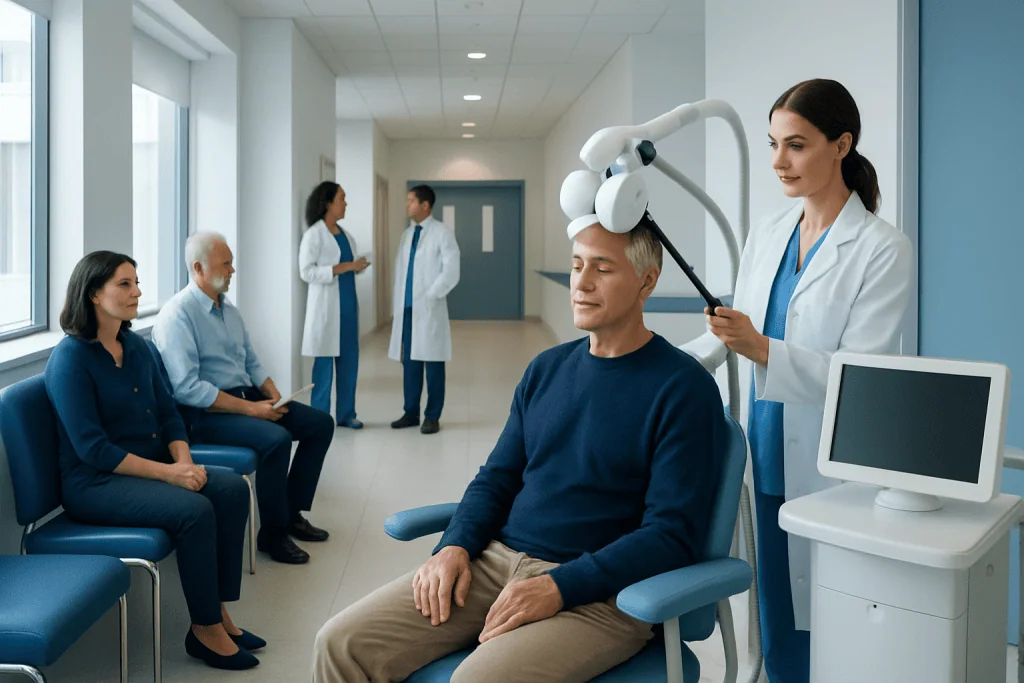
Transcranial magnetic stimulation, or TMS, does not require surgery or general anesthesia. It is most commonly used for depression that has not responded adequately to medication or psychotherapy alone.
Key Takeaways
- Transcranial magnetic stimulation, or TMS, does not require surgery or general anesthesia.
- It is most commonly used for depression that has not responded adequately to medication or psychotherapy alone.
- Treatment is given in repeated outpatient sessions over several weeks.
- Common side effects are usually mild and may include scalp discomfort or headache.
- Not everyone is a candidate, especially people with certain metal implants or a history of some seizure-related risks.
Transcranial magnetic stimulation is a noninvasive neuromodulation treatment that uses magnetic pulses to stimulate specific areas of the brain. It is most often used for depression that has not improved enough with standard treatments, and it may also be considered in selected neurologic and psychiatric conditions.
Overview
Transcranial magnetic stimulation is a form of neuromodulation. This means it uses targeted energy to influence how nerve cells in the brain communicate. During treatment, a device placed against the scalp generates magnetic pulses that pass through the skull and stimulate selected brain regions. No incisions are needed, and the patient remains awake throughout the session.
TMS is best known as a treatment for major depressive disorder, especially when symptoms have not improved enough with antidepressant medicines, psychotherapy, or both. In many cases, it is considered after one or more standard treatments have been tried without adequate benefit or when side effects from medication make ongoing treatment difficult.
Researchers have also studied TMS for other conditions, including obsessive-compulsive disorder, smoking cessation, certain pain conditions, and some neurologic disorders. However, the strength of evidence and regulatory approval vary by condition, so eligibility depends on a person’s diagnosis, medical history, and local clinical practice.
Because it is noninvasive and does not involve sedation, people can usually return to normal daily activities after each session. This convenience is one reason transcranial magnetic stimulation has become an important option in modern brain and mental health care.
Who May Benefit From TMS
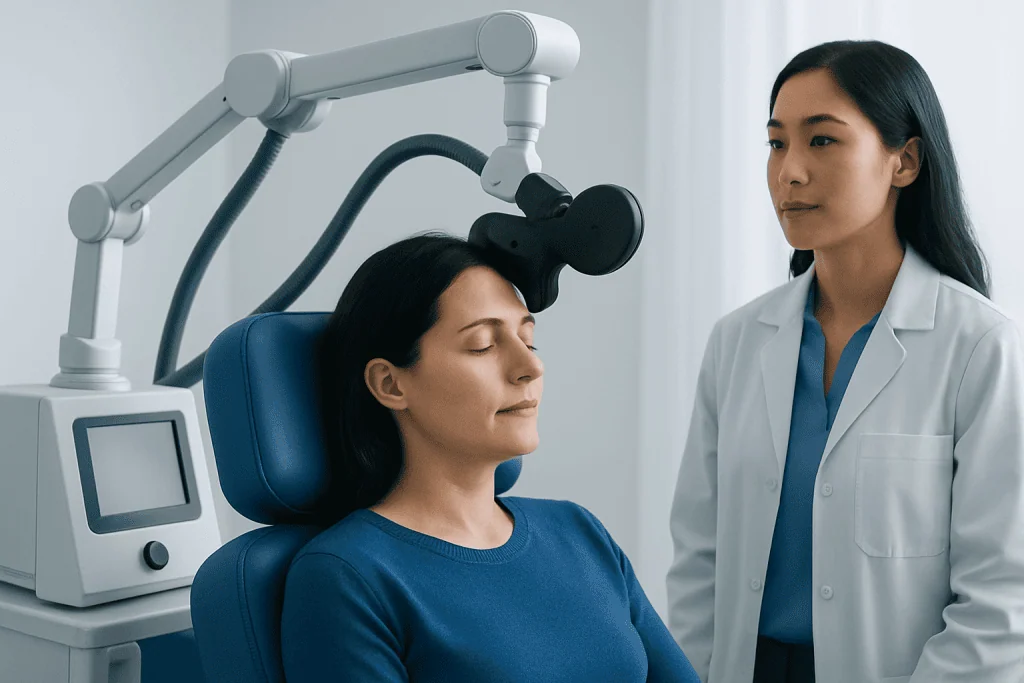
People most likely to be considered for transcranial magnetic stimulation are those living with depression that has not responded sufficiently to usual treatment. This may include adults who still have persistent low mood, loss of interest, poor concentration, sleep changes, or low energy despite appropriate care with medication and psychotherapy.
TMS may also be discussed when a person cannot tolerate antidepressant side effects, prefers a non-drug option as part of a broader treatment plan, or has medical reasons to avoid certain medications. It is not usually the first treatment for every person with depression, but it can be a useful next step in carefully selected cases.
In some centers, TMS may also be offered to people with conditions such as obsessive-compulsive disorder or nicotine dependence, depending on clinical guidelines and specialist assessment. There is ongoing research into its possible role in chronic pain, stroke rehabilitation, migraine, and other disorders of brain function.
Benefit varies from person to person. Some notice a clear improvement in mood, motivation, or daily functioning over the course of treatment, while others have a partial response or may need different therapies. A detailed evaluation helps set realistic expectations and identify whether TMS is an appropriate choice.
How the Procedure Works
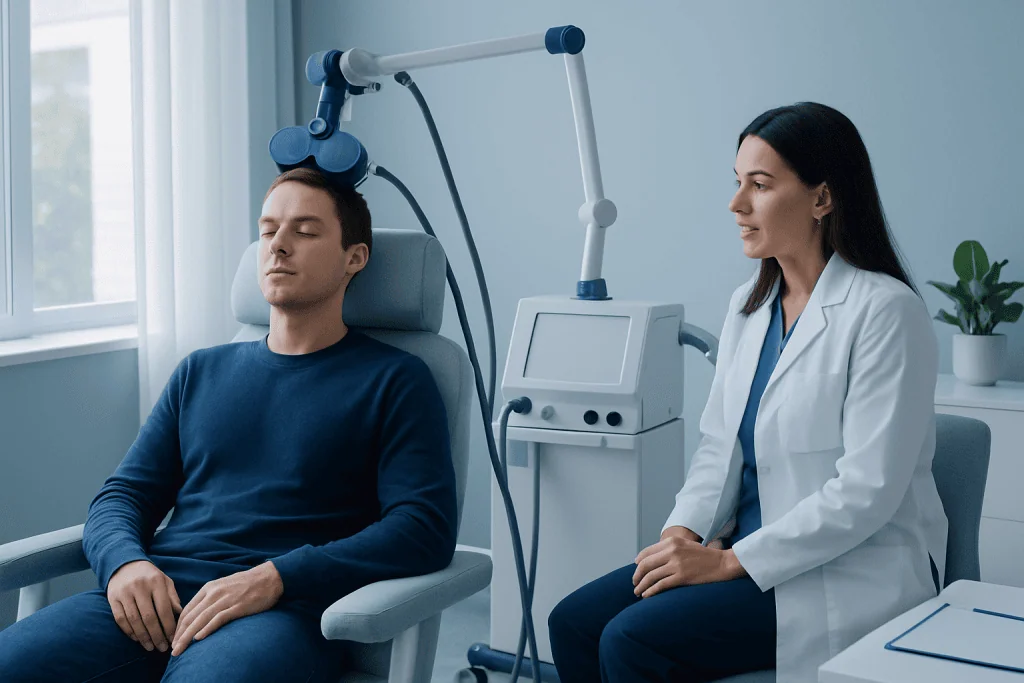
Before treatment begins, a specialist evaluates the patient’s diagnosis, previous treatments, current symptoms, medicines, and medical history. The care team also checks for factors that could affect safety, such as metallic implants near the head, implanted electronic devices, or conditions that may increase seizure risk.
At the first session, the treatment area on the scalp is identified and the stimulation settings are adjusted. The magnetic coil is positioned over a specific brain region, often one involved in mood regulation. Short pulses are then delivered in a carefully planned pattern. Patients usually hear clicking sounds and may feel tapping sensations on the scalp during treatment.
A standard course involves repeated outpatient sessions, often given five days a week for several weeks. Each session may last from a few minutes to longer, depending on the protocol used. Because there is no general anesthesia, patients can usually drive themselves home and resume normal activities unless their doctor advises otherwise.
Different forms of TMS exist, including repetitive TMS and other protocol variations. The choice of technique depends on the condition being treated, the treatment goal, and the experience of the clinical team. In some cases, TMS may be combined with psychotherapy or medication rather than replacing them entirely.
Conditions Commonly Treated
The strongest and most widely recognized use of transcranial magnetic stimulation is for major depressive disorder. For people with treatment-resistant symptoms, TMS can offer another evidence-based option when standard approaches have not brought enough relief. It may be considered alongside ongoing psychiatric follow-up and broader mental health support.
Another established use in some settings is for OCD, where TMS may target brain circuits linked to intrusive thoughts and repetitive behaviors. It is generally used as part of a comprehensive plan that may also include medication and behavioral therapy, rather than as a stand-alone cure.
Some countries and centers also use TMS in selected patients for smoking cessation. Research continues into possible applications in anxiety symptoms, chronic pain syndromes, post-stroke recovery, tinnitus, and certain movement or neurologic disorders. These uses are more individualized because evidence and approved indications differ.
TMS is not a substitute for emergency care. People with severe suicidal thoughts, psychosis, or rapidly worsening neurologic symptoms need urgent medical evaluation. A specialist can help determine whether TMS fits into a longer-term care plan or whether another treatment should come first.
Benefits, Limitations, and Side Effects
One of the main advantages of transcranial magnetic stimulation is that it is noninvasive. It does not involve surgery, implanted electrodes, or anesthesia, and it does not typically cause the systemic side effects associated with many medications. For some people, this makes it easier to continue treatment consistently.
Another potential benefit is that TMS can be precisely targeted to brain areas involved in mood and behavior. When effective, improvements may include reduced depressive symptoms, better concentration, improved motivation, and greater ability to function in daily life. Some patients also value being able to continue work, study, or family routines during treatment.
Still, TMS has limitations. It usually requires frequent visits over several weeks, and response is not immediate for everyone. Some people improve gradually, some need additional maintenance strategies, and some do not respond. It is important to understand that TMS is a medical treatment with realistic but not guaranteed outcomes.
Side effects are commonly mild and temporary. These may include scalp discomfort, facial muscle twitching during stimulation, headache, or lightheadedness after a session. Serious side effects are uncommon, but seizures are a known rare risk, which is why careful screening is essential before starting treatment.
Who Should Not Have TMS and How Doctors Decide
TMS is not suitable for everyone. People with certain metal fragments or implanted devices in or near the head may not be candidates because the magnetic field could interfere with these objects. Examples can include some aneurysm clips, cochlear implants, deep brain stimulators, or retained metallic fragments, depending on their type and location.
Doctors also review personal and family history of seizures, previous brain injury, substance use, sleep deprivation, and medications that may affect seizure threshold. These factors do not always rule out treatment, but they help the team weigh risks and plan safe care. Pregnancy, severe anxiety about the procedure, and certain unstable medical or psychiatric conditions may require additional discussion.
The decision to use TMS is individualized. A psychiatrist, neurologist, or other trained specialist considers the diagnosis, how severe symptoms are, what treatments have already been tried, and whether safer or more effective alternatives are available. In depression care, this may include reviewing prior use of antidepressants and electroconvulsive therapy when clinically appropriate.
If TMS is not the best option, the specialist may recommend other evidence-based approaches, such as medication changes, psychotherapy, deep brain stimulation for very specific neurologic conditions, or other supportive treatments. The goal is to match the therapy to the patient’s needs rather than use a one-size-fits-all approach.
Preparing for Treatment and Follow-Up Care
Preparation for transcranial magnetic stimulation usually begins with a thorough consultation. Patients are encouraged to bring information about current medicines, previous mental health or neurologic treatments, medical conditions, and any implanted devices. This helps the care team confirm whether TMS can be given safely.
On treatment days, most people can eat, drink, and take routine medicines unless their doctor provides different instructions. Because the machine makes repeated clicking sounds, ear protection is often used. Wearing comfortable clothing and arriving with clean, dry hair may make sessions easier, depending on the clinic’s routine.
Follow-up is an important part of care. Doctors monitor symptoms, side effects, daily functioning, and overall progress during the treatment course. Some people continue medication or counseling at the same time, and some may later discuss maintenance sessions if symptoms return after initial improvement.
Near the end of treatment, the team reviews response and the next steps. If ongoing care is needed, a personalized plan may include psychiatric follow-up, psychotherapy, lifestyle support, or other interventions. Acibadem International’s multidisciplinary specialists and JCI-accredited hospitals evaluate and treat patients who may benefit from advanced neuromodulation approaches, including transcranial magnetic stimulation.
Frequently asked questions
Is transcranial magnetic stimulation painful?
Most people do not describe TMS as painful, but they may feel tapping, pressure, or brief scalp discomfort during the pulses. Mild headache or tenderness can happen, especially early in treatment, and often improves as sessions continue.
How long does a course of TMS usually take?
A typical course involves repeated outpatient sessions over several weeks, often on most weekdays. The exact schedule depends on the treatment protocol, the condition being treated, and the specialist’s plan.
Can TMS replace antidepressant medication?
For some patients, TMS becomes an important part of treatment when medication has not worked well or caused troublesome side effects. However, it does not automatically replace medicine, and many people continue medication or therapy alongside TMS based on their doctor’s advice.
Who should avoid TMS?
People with certain metallic implants or implanted electronic devices in or near the head may not be suitable candidates. A doctor also carefully reviews seizure risk, past neurologic history, and other medical factors before approving treatment.
How soon do people notice results from TMS?
Some people notice changes within the first few weeks, while others improve more gradually over the full course of treatment. Response varies, so regular follow-up helps the doctor assess progress and decide whether the plan should continue or be adjusted.
Is TMS used only for depression?
No. Although depression is the most common and best-established use, TMS may also be considered for certain other psychiatric or neurologic conditions in selected patients. The evidence and approved uses differ by condition, so specialist evaluation is important.
References
- National Institute of Mental Health
- U.S. Food and Drug Administration
- American Psychiatric Association
- National Institute for Health and Care Excellence
- Mayo Clinic
This article is for general information only and is not a substitute for professional medical advice. Please consult a qualified doctor about your individual situation.
Neuromodulation in Turkey — costs, top hospitals & a free quote
JCI-accredited · board-certified surgeons · reply within 24h
Add us as a Preferred Source to see more of our trusted health content across Google Search, AI Overviews and Discover.