Transient Vision Loss: When Brief Blindness Could Signal a Stroke Risk

Transient vision loss can affect one eye or both eyes and may feel like dimming, blurring, a curtain coming down, or complete blackout. A short episode of vision loss can be a symptom of a transient ischemic attack or other circulation problem linked to stroke risk.
Key Takeaways
- Transient vision loss can affect one eye or both eyes and may feel like dimming, blurring, a curtain coming down, or complete blackout.
- A short episode of vision loss can be a symptom of a transient ischemic attack or other circulation problem linked to stroke risk.
- Urgent medical evaluation helps identify whether the cause is vascular, neurologic, eye-related, or triggered by migraine or other conditions.
- Warning signs such as weakness, trouble speaking, facial drooping, or repeated episodes need emergency care.
- Treatment depends on the cause and may involve stroke prevention, control of risk factors, or treatment of an eye disorder.
Transient vision loss is a temporary loss or dimming of vision that may last seconds to minutes and then resolve. Although some causes are harmless, sudden brief blindness can be an important warning sign of reduced blood flow to the eye or brain and should be assessed promptly.
Overview
Transient vision loss means a sudden episode of partial or complete loss of sight that comes back on its own. It may last for a few seconds, several minutes, or occasionally longer. Some people describe it as a gray shade, a curtain descending, blurred patches, tunnel vision, or a complete blackout. The episode can involve one eye, which often suggests a problem affecting the eye or the blood supply to it, or both eyes, which may point to a neurologic cause involving the brain.
This symptom should not be ignored simply because vision returns. In some cases, transient vision loss is caused by reduced blood flow to the retina, optic nerve, or brain. When blood flow is briefly interrupted, the event may resemble a transient ischemic attack, sometimes called a mini-stroke. This is why temporary vision loss can be a warning sign for future stroke and deserves prompt assessment.
Not every episode has a vascular cause. Migraine with visual aura, certain retinal conditions, inflammation, low blood pressure, medication effects, and other disorders can also trigger temporary vision changes. Because the causes range from relatively benign to urgent, careful history-taking and timely examination are important.
Symptoms and How It May Feel
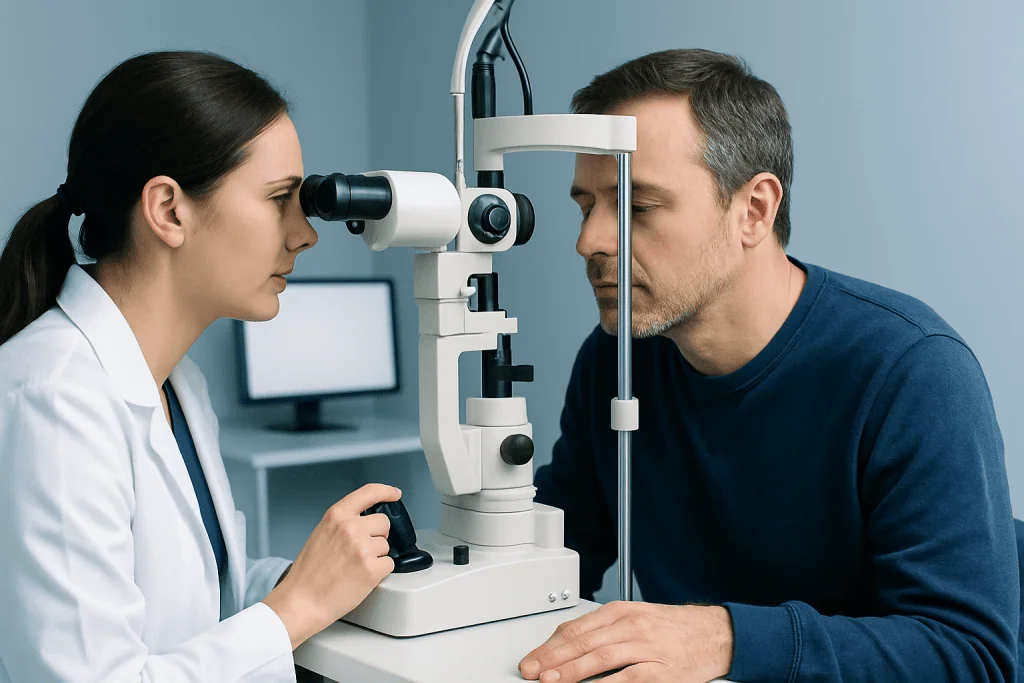
Transient vision loss can appear in different ways. Some people notice complete blindness in one eye for a short period. Others experience dimming, shimmering, blurring, blind spots, or a dark curtain moving across vision. The change may affect central vision, side vision, or the entire visual field. Vision usually returns to normal, but the event itself can be frightening and confusing.
The exact pattern matters. Loss of vision in one eye alone is often called amaurosis fugax and can suggest a temporary problem in the eye’s circulation. Visual symptoms in both eyes, especially zigzag lines, flashing shapes, or spreading blind spots, may occur with migraine aura. Brief vision loss brought on by standing up quickly, severe dehydration, or sudden exertion can have other explanations, including blood pressure changes.
Associated symptoms can provide important clues. A person should pay attention to:
- Weakness or numbness on one side of the body
- Trouble speaking or understanding speech
- Facial drooping
- Dizziness, poor balance, or confusion
- Eye pain, headache, or jaw pain
- Flashing lights, floaters, or a new curtain-like shadow
These details help doctors distinguish between a vascular event, a migraine-related episode, and an eye disease that needs specialist treatment.
Causes and Risk Factors

One of the most important causes of transient vision loss is reduced blood flow. A small clot or plaque fragment from the carotid artery or the heart can briefly block circulation to the retina. This can produce sudden temporary blindness in one eye and may indicate the same vascular disease that raises the risk of stroke. In some people, narrowing of the carotid arteries, irregular heart rhythm such as atrial fibrillation, or generalized atherosclerosis is the underlying issue.
Other causes are not directly related to stroke but still need medical attention. Migraine aura can temporarily disturb vision, sometimes without any headache. Eye conditions such as retinal tear, retinal vascular spasm, glaucoma, optic nerve disorders, or inflammation can also cause short-lived changes in sight. In older adults, giant cell arteritis is an especially important cause because it can threaten permanent vision if not treated quickly.
Risk factors vary with the cause, but several increase concern for a vascular explanation:
- Older age
- High blood pressure
- Diabetes
- High cholesterol
- Smoking
- Heart disease or atrial fibrillation
- Previous stroke or transient ischemic attack
- Carotid artery disease
Even younger people can experience transient vision loss, especially with migraine, autoimmune conditions, blood clotting disorders, or less common vascular problems. Because the list of possibilities is broad, medical evaluation should consider both eye and neurologic causes.
Why It Can Be a Stroke Warning Sign
When transient vision loss happens because blood flow is briefly interrupted, it may be a form of transient ischemic attack. A TIA does not always leave lasting damage, but it signals that the circulation to the brain or eye may be unstable. For that reason, doctors treat it as a warning event rather than a minor inconvenience.
The retina and optic nerve are highly sensitive to reduced oxygen. If a tiny embolus or narrowed artery blocks blood flow for a short time, vision may dim or disappear and then return after the obstruction clears. This same process can also affect the brain and cause a stroke later if the source is not identified and managed. Temporary monocular vision loss, especially in older adults or people with vascular risk factors, deserves urgent attention.
Doctors may investigate possible stroke-related causes through a stroke workup and vascular imaging. Depending on symptoms and findings, assessment may include evaluation for carotid disease, heart rhythm abnormalities, blood vessel narrowing, and other neurologic causes. In some cases, this overlaps with investigations used for stroke and transient ischemic attack. Prompt diagnosis creates an opportunity to reduce future risk.
Diagnosis
Diagnosis begins with a careful history. Doctors ask whether the symptom affected one eye or both, how long it lasted, what it looked like, whether it happened once or repeatedly, and whether there were other neurologic symptoms. Because people do not always know whether one or both eyes were involved, it can help to think back on whether covering either eye would have changed the experience.
A physical examination usually includes blood pressure measurement, neurologic assessment, and an eye examination. Depending on the situation, an ophthalmologist may look at the retina and optic nerve, while a neurologist evaluates for possible TIA or stroke mechanisms. Blood tests may be needed, especially if inflammation, diabetes, clotting disorders, or giant cell arteritis is suspected.
Imaging and other tests are often used to identify the cause. These may include:
- Brain imaging such as MRI or CT
- Carotid ultrasound or other vascular imaging
- Heart tests such as ECG and rhythm monitoring
- Eye imaging and retinal evaluation
- Blood tests for cholesterol, blood sugar, inflammation, and clotting concerns
Some patients may need urgent hospital-based assessment, especially if symptoms suggest a TIA or if there are repeated episodes. Specialists may also use advanced imaging to assess blood vessels and determine whether a patient could benefit from treatments used in stroke treatment or targeted vascular care.
Treatment Options
Treatment depends entirely on the cause. If transient vision loss is linked to a TIA or retinal ischemia, the main goal is stroke prevention. Doctors may recommend medicines to reduce clotting risk, treatment of high blood pressure or cholesterol, diabetes management, smoking cessation, and evaluation for heart rhythm problems. Some patients with significant carotid narrowing may require a vascular procedure or surgery based on specialist assessment.
If the cause is migraine aura, treatment focuses on identifying triggers, managing attacks, and reducing future episodes when needed. Eye-related causes are treated according to the condition involved. For example, retinal disease, glaucoma, inflammation, or optic nerve disorders may need urgent ophthalmic care to protect vision. When giant cell arteritis is suspected, treatment usually begins quickly because delay can increase the risk of permanent vision loss.
In patients with confirmed vascular disease, doctors may coordinate care across neurology, ophthalmology, cardiology, and vascular surgery. Depending on findings, this may include follow-up imaging, medication review, and prevention plans similar to those used for carotid artery surgery or neurology care. The best plan is individualized, based on age, risk factors, imaging results, and the likely source of the event.
Prevention and Self-Care
Prevention starts with reducing the risk of vascular disease and seeking care quickly when symptoms occur. People with high blood pressure, diabetes, high cholesterol, or heart rhythm disorders benefit from regular follow-up and treatment adherence. Stopping smoking, staying physically active, maintaining a balanced diet, and keeping a healthy weight can also support blood vessel health.
It is helpful to note the details of any episode of transient vision loss. Recording the time it started, how long it lasted, whether one eye or both eyes were affected, and whether there were symptoms such as headache, speech difficulty, or weakness can help the medical team make the diagnosis more efficiently. Recurrent episodes should never be assumed to be harmless, even if they are brief.
People who are prone to migraine may benefit from learning their personal triggers, such as lack of sleep, stress, dehydration, or certain foods. However, a known history of migraine should not lead someone to dismiss a new or unusual visual event. If the pattern changes, lasts longer than usual, or is accompanied by neurologic symptoms, urgent assessment is still important.
Near the end of evaluation and follow-up, some patients may seek multidisciplinary care for both neurologic and eye-related causes. Acibadem International’s multidisciplinary specialists and JCI-accredited hospitals evaluate and treat international patients with vascular, neurologic, and ophthalmic conditions when this is appropriate.
When to See a Doctor
Any sudden unexplained vision loss should be treated as urgent, even if it lasts only a few moments and fully resolves. The safest approach is prompt same-day medical assessment, because doctors need to rule out TIA, retinal ischemia, and other potentially serious causes. Emergency care is especially important if there are additional neurologic symptoms.
A person should seek emergency help right away if transient vision loss occurs with any of the following:
- Weakness or numbness in the face, arm, or leg
- Trouble speaking or understanding words
- Severe dizziness, imbalance, or fainting
- A new severe headache
- Eye pain with redness or nausea
- Repeated episodes over a short period
Urgent evaluation is also important in older adults with scalp tenderness, jaw pain, fever, or general fatigue, because these symptoms can suggest giant cell arteritis. New floaters, flashes, or a curtain-like shadow may indicate retinal disease and also require rapid ophthalmic assessment. When in doubt, it is better to have temporary vision loss checked promptly rather than wait for it to happen again.
Frequently asked questions
Is transient vision loss always a sign of stroke?
No. Transient vision loss can be caused by migraine aura, eye conditions, inflammation, blood pressure changes, and other problems. However, because it can also be a warning sign of a transient ischemic attack or reduced blood flow to the eye, it should be assessed promptly.
What does amaurosis fugax mean?
Amaurosis fugax is a medical term for temporary vision loss, usually in one eye, caused by a brief interruption of blood flow. People often describe it as a curtain, shade, or darkness coming over the eye. It is considered an important symptom because it may signal increased stroke risk.
How long does transient vision loss usually last?
Episodes can last from a few seconds to several minutes, and sometimes longer depending on the cause. The return of normal vision does not rule out a serious problem. Even a very short event can be medically significant.
Should someone go to the emergency department if vision comes back?
Yes, sudden unexplained vision loss still needs urgent medical attention even if sight returns completely. This is especially true if the episode was in one eye or if it was accompanied by weakness, speech difficulty, facial drooping, or severe headache. Quick evaluation can help prevent future complications.
How do doctors tell whether one eye or both eyes were affected?
Doctors rely on the person's description, timing, and associated symptoms, along with eye and neurologic examinations. Sometimes patients are not sure whether one or both eyes were involved, which is common. Imaging, retinal assessment, and stroke-related tests can help clarify the cause.
Can migraine cause brief blindness?
Migraine can cause temporary visual symptoms such as shimmering lights, blind spots, zigzag patterns, or blurred areas. These usually affect both eyes because they come from changes in brain activity rather than the eye itself, though the person may not always realize this. A new or unusual episode should still be evaluated to rule out other causes.
References
- World Health Organization
- American Stroke Association
- National Eye Institute
- American Academy of Ophthalmology
- National Institute of Neurological Disorders and Stroke
This article is for general information only and is not a substitute for professional medical advice. Please consult a qualified doctor about your individual situation.
Explore treatments in Turkey — costs, top hospitals & a free quote
JCI-accredited · board-certified surgeons · reply within 24h
Add us as a Preferred Source to see more of our trusted health content across Google Search, AI Overviews and Discover.
Check your numbers in seconds
BMI, calories, due date, blood pressure and 30+ more clinical calculators — free, instant, doctor-reviewed ranges.