Travel Health: Vaccines, Medicines, and Safe Planning Before a Trip

A travel health appointment is best scheduled 4 to 8 weeks before departure, especially for complex trips or destinations with specific vaccine requirements. Routine vaccines should be up to date, and destination-specific vaccines may be recommended depending on itinerary, activities, season, and personal health.
Key Takeaways
- A travel health appointment is best scheduled 4 to 8 weeks before departure, especially for complex trips or destinations with specific vaccine requirements.
- Routine vaccines should be up to date, and destination-specific vaccines may be recommended depending on itinerary, activities, season, and personal health.
- Travel medicines may include malaria prevention, diarrhea treatment, motion sickness relief, altitude guidance, and enough regular prescriptions for the full trip.
- Food, water, insect bite, sun, road, and animal safety are central parts of travel health, not just vaccines.
- Travelers should seek medical advice before travel if pregnant, immunocompromised, elderly, traveling with children, or managing chronic disease.
- Fever, persistent diarrhea, breathing problems, animal bites, or worsening symptoms during or after travel should be assessed by a qualified doctor.
Travel health planning helps people reduce the risk of illness, manage existing conditions, and respond calmly if symptoms occur abroad. A pre-travel consultation, appropriate vaccines, safe medicines, and practical prevention steps can make travel safer and more comfortable.
Overview
Travel health is the process of preparing the body, medicines, documents, and safety plans before a trip. It is especially important for international travel, but it can also be useful for domestic trips involving remote areas, high altitude, outdoor activities, cruises, or limited access to healthcare. Good planning helps travelers prevent common illnesses and know what to do if a health concern occurs away from home.
A pre-travel health visit is ideally arranged 4 to 8 weeks before departure. Some vaccines require more than one dose or need time to become effective. However, even last-minute travelers can benefit from medical advice, because a clinician may still recommend vaccines, malaria prevention, traveler’s diarrhea guidance, or support for managing existing conditions.
Travel health advice is personal. Recommendations depend on destination, length of stay, season, accommodation, planned activities, age, pregnancy status, immune system health, allergies, current medicines, and medical history. A short city business trip and a long rural volunteer placement may require very different preparation, even in the same country.
Travel Vaccines: What to Check Before Departure
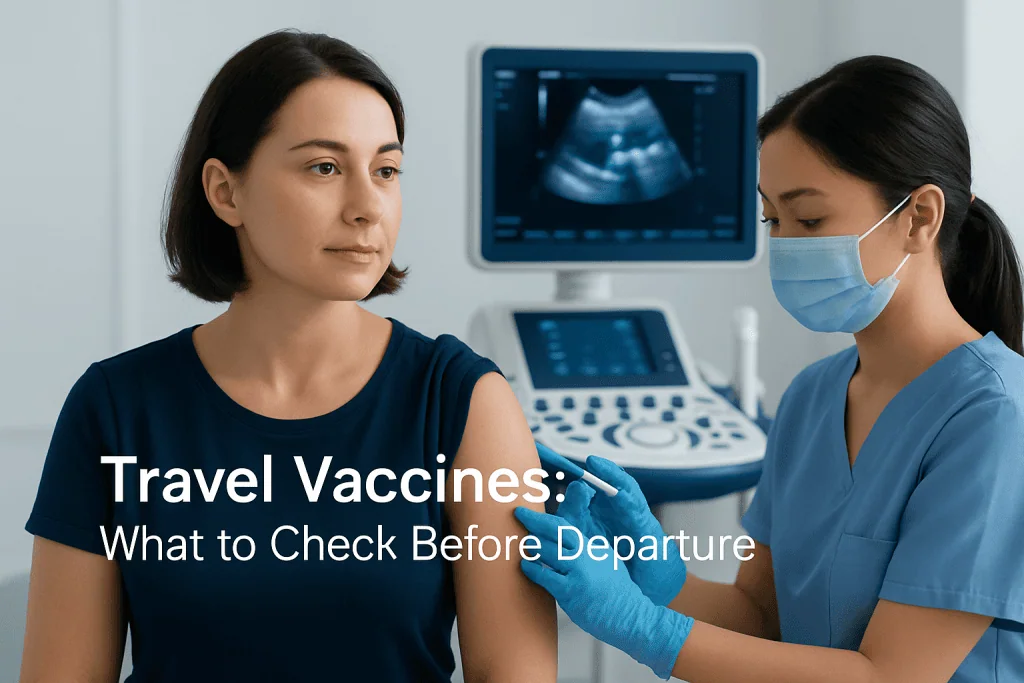
Vaccination is one of the most effective tools in travel health, but it begins with routine immunization. Before focusing on destination-specific vaccines, travelers should check whether standard vaccines are up to date, such as measles, mumps and rubella, tetanus, diphtheria, pertussis, polio, influenza, COVID-19, and other vaccines recommended in their home country. Outbreaks of vaccine-preventable diseases can occur in many regions, including popular tourist destinations.
Destination-specific vaccines may be advised when the risk of exposure is higher. Common examples include hepatitis A, hepatitis B, typhoid, rabies, Japanese encephalitis, tick-borne encephalitis, cholera, and meningococcal disease. The need for these vaccines depends on factors such as food and water safety, rural travel, contact with animals, outdoor activities, local disease patterns, and how long the traveler will stay.
Some countries require proof of vaccination for entry. The best-known example is yellow fever vaccination, which may be required for travelers arriving from or transiting through areas where yellow fever occurs. Requirements can change, so travelers should confirm official entry rules and carry the correct vaccination certificate when needed.
Not every vaccine is suitable for every person. Live vaccines may not be recommended for people with certain immune system problems or during pregnancy. A qualified healthcare professional can review benefits and risks, timing, possible side effects, and whether a medical waiver or alternative prevention strategy is appropriate.
Travel Medicines and a Practical Health Kit

Travel medicines should be planned carefully and used only as directed by a qualified healthcare professional or according to the medicine label. Travelers who take regular prescriptions should bring enough for the entire trip, plus extra in case of delays. Medicines should be carried in original packaging when possible, with a copy of the prescription and a doctor’s letter for controlled medicines, injectable medicines, or medical devices.
Depending on the destination, a clinician may prescribe medicine to prevent malaria. Malaria prevention is not the same for all countries or regions, because resistance patterns and risk levels vary. Travelers should also use bite prevention, because no malaria medicine is completely protective and mosquitoes can transmit other infections.
A travel health kit may include items for common minor problems. These can include oral rehydration salts, a thermometer, pain or fever relief medicine, antiseptic, bandages, blister care, sunscreen, insect repellent, motion sickness medicine, allergy medicine, and any personal medical supplies. Some travelers may be given specific instructions or prescriptions for traveler’s diarrhea, altitude sickness prevention, or emergency treatment, depending on the itinerary.
It is important to check medicine regulations in the destination and transit countries. Some medicines that are legal in one country may be restricted in another, including certain pain medicines, sleeping tablets, stimulants, and medications used for anxiety or attention disorders. Travelers should not share prescription medicines and should seek medical care if symptoms are severe, unusual, or persistent.
Food, Water, Insects, and Environmental Safety
Many travel-related illnesses are linked to food, water, insects, sun exposure, heat, altitude, traffic, or contact with animals. Safe food and water habits can reduce the risk of traveler’s diarrhea and other infections. In higher-risk settings, travelers may be advised to choose food that is cooked and served hot, drink sealed bottled or properly treated water, avoid ice of uncertain origin, and be cautious with raw foods, unpasteurized dairy, and street foods if hygiene is unclear.
Insect bite prevention is essential in many destinations. Mosquitoes, ticks, sand flies, and other insects can transmit infections such as malaria, dengue, Zika, chikungunya, yellow fever, Japanese encephalitis, Lyme disease, and tick-borne encephalitis. Practical measures include using an appropriate insect repellent, wearing long sleeves and trousers when needed, sleeping in screened or air-conditioned rooms, using bed nets in high-risk areas, and checking the skin for ticks after outdoor activities.
Environmental planning can prevent avoidable problems. Travelers should prepare for heat by drinking safe fluids, taking rest breaks, and avoiding excessive midday sun. At high altitude, gradual ascent is important, and symptoms such as severe headache, confusion, breathlessness at rest, or inability to walk normally require urgent medical attention. Swimming, diving, hiking, and adventure sports should be matched to fitness level, training, and local safety standards.
Road safety is also part of travel health. In many countries, road traffic injuries are a major risk for travelers. Wearing seat belts, using helmets, avoiding night driving in unfamiliar areas, not riding with impaired drivers, and choosing reputable transport can be as important as medical prevention.
Special Considerations for Children, Pregnancy, and Chronic Conditions
Children may need a tailored vaccine schedule, different medicine forms, and careful plans for dehydration, fever, motion sickness, and insect protection. Families should carry child-appropriate supplies and know when to seek medical help. Infants and young children can become dehydrated more quickly than adults, so persistent vomiting or diarrhea should be taken seriously.
Pregnant travelers should seek medical advice before booking or departing, especially when visiting areas with malaria, Zika, limited obstetric care, high altitude, or high heat. Some vaccines and medicines may not be suitable during pregnancy, while some infections can be more serious for the mother or baby. The safest plan depends on destination, gestational age, pregnancy risk factors, and access to emergency care.
People with chronic conditions such as diabetes, heart disease, lung disease, kidney disease, epilepsy, inflammatory bowel disease, immune system disorders, or recent surgery should prepare a written health summary. This may include diagnoses, medicines, allergies, recent test results, implanted devices, and emergency contacts. They should also discuss time zone changes, food changes, activity levels, and storage of medicines such as insulin or biologic treatments.
Older adults and immunocompromised travelers may need additional precautions, because infections can be more severe and some vaccines may be unsuitable or less effective. A personalized consultation helps balance travel goals with safe planning, including insurance, destination healthcare access, and contingency plans.
Documents, Insurance, and Safe Planning
Health preparation includes documents as well as medicines. Travelers should carry travel insurance details, emergency contact information, copies of prescriptions, vaccination records, and a short medical summary if they have an important health condition. Digital copies can be useful, but paper copies may be needed if internet access is limited.
Travel insurance should be reviewed before departure. Policies vary widely and may not cover pre-existing conditions, pregnancy-related care, adventure sports, evacuation, missed connections due to illness, or treatment in certain countries. Travelers should understand how to contact the insurer in an emergency and whether prior authorization is required for hospital care.
Safe planning also means identifying reliable medical care at the destination. Travelers can note nearby hospitals, emergency numbers, embassy or consulate contacts, and how to obtain help in the local language if needed. For remote travel, a communication plan and evacuation strategy may be necessary.
People traveling for medical care should take extra steps. They should ensure continuity of records, understand preoperative and postoperative instructions, and avoid flying too soon after procedures unless cleared by a doctor. A responsible companion, clear follow-up plan, and awareness of warning symptoms are important for recovery away from home.
When to See a Doctor Before or After Travel
A doctor or travel medicine clinic should be consulted before travel when the destination has vaccine requirements, malaria risk, recent outbreaks, high altitude, remote areas, or limited healthcare access. Consultation is also important for travelers who are pregnant, immunocompromised, elderly, traveling with young children, or managing chronic medical conditions. Last-minute travelers should still seek advice, even if departure is soon.
During travel, medical attention is recommended for high fever, severe abdominal pain, bloody diarrhea, persistent vomiting, dehydration, breathing difficulty, chest pain, confusion, severe headache, injury, animal bites, possible rabies exposure, or symptoms that worsen despite basic care. Fever in or after a malaria-risk area should be assessed urgently, even if malaria prevention medicine was taken.
After returning home, travelers should tell their doctor where they have been and what exposures occurred. Some travel-related infections appear days or weeks later, and this information can guide appropriate testing and treatment. Persistent diarrhea, ongoing fever, rash, jaundice, unexplained fatigue, or respiratory symptoms after travel should not be ignored.
Acibadem International’s multidisciplinary specialists and JCI-accredited hospitals diagnose and treat travel-related health concerns for international patients, including infections, digestive illness, fever after travel, and chronic condition support. Travelers should seek care from a qualified medical professional whenever symptoms are significant or uncertainty remains.
Frequently asked questions
How early should a traveler have a pre-travel health appointment?
Ideally, a pre-travel appointment should be scheduled 4 to 8 weeks before departure. This allows time for vaccines to work and for multi-dose vaccine schedules when needed. Even if travel is sooner, medical advice can still be useful.
Which vaccines are most commonly recommended for international travel?
Recommendations vary by destination and personal health, but travelers often need to review routine vaccines first. Destination-specific vaccines may include hepatitis A, hepatitis B, typhoid, yellow fever, rabies, Japanese encephalitis, meningococcal disease, or cholera. A clinician can advise based on the itinerary and activities.
Does every traveler need malaria medicine?
No. Malaria prevention medicine is recommended only for certain destinations and sometimes only for specific regions within a country. The choice depends on local malaria risk, resistance patterns, medical history, pregnancy status, and possible side effects. Bite prevention remains important even when medicine is used.
What should be included in a basic travel health kit?
A basic kit may include regular medicines, prescriptions, oral rehydration salts, a thermometer, pain or fever relief medicine, bandages, antiseptic, sunscreen, insect repellent, and allergy medicine. The kit should be adapted for the destination and the traveler’s health needs. Prescription medicines should be carried with documentation when possible.
Can a person travel while pregnant or with a chronic disease?
Many people can travel safely during pregnancy or with chronic conditions, but planning is important. A doctor can review fitness to travel, medicines, vaccines, insurance, destination risks, and access to care. Some destinations or activities may be unsuitable depending on the individual situation.
When should someone seek medical care after returning from travel?
Medical care is recommended for fever, persistent diarrhea, rash, jaundice, breathing problems, severe fatigue, or any symptom that is worsening after travel. Fever after visiting a malaria-risk area should be assessed promptly. Travelers should tell the doctor all countries visited, dates of travel, and any insect bites, animal contact, freshwater exposure, or illness during the trip.
References
- World Health Organization
- Centers for Disease Control and Prevention
- International Society of Travel Medicine
- European Centre for Disease Prevention and Control
- National Health Service
This article is for general information only and is not a substitute for professional medical advice. Please consult a qualified doctor about your individual situation.
Explore treatments in Turkey — costs, top hospitals & a free quote
JCI-accredited · board-certified surgeons · reply within 24h
Add us as a Preferred Source to see more of our trusted health content across Google Search, AI Overviews and Discover.