Treatment for Heaviness in Legs: Diagnosis, Outlook, and Modern Treatment Approaches

Leg heaviness is a symptom rather than a diagnosis, and its treatment depends on the underlying cause. Vein conditions, prolonged sitting or standing, muscle fatigue, swelling, some medicines, and nerve or joint problems can contribute.
Key Takeaways
- Leg heaviness is a symptom rather than a diagnosis, and its treatment depends on the underlying cause.
- Vein conditions, prolonged sitting or standing, muscle fatigue, swelling, some medicines, and nerve or joint problems can contribute.
- A clinical examination and, when needed, vascular ultrasound or blood tests can help clarify the cause.
- Sudden one-sided swelling, pain, warmth, chest pain, or shortness of breath needs urgent medical assessment.
- Healthy movement habits, weight management when relevant, and avoiding long periods in one position can support leg comfort and circulation.
Treatment for heaviness in legs begins with identifying why the sensation is occurring. Many people improve with regular movement, leg elevation, compression therapy when appropriate, and treatment targeted to vein, nerve, joint, or circulation-related conditions.
Overview: what treatment for heaviness in legs involves
Treatment for heaviness in legs depends on what is causing the sensation. For many people, practical measures such as walking regularly, taking breaks from sitting or standing, elevating the legs, and using properly prescribed compression can help. If an underlying condition is found, such as chronic vein disease, lymphedema, arthritis, nerve irritation, or a medication-related problem, treatment is directed toward that condition.
People often describe heavy legs as tired, full, aching, tight, sluggish, or difficult to move. The feeling may affect one or both legs, come and go, or become more noticeable later in the day. It can occur with visible swelling or varicose veins, but it may also occur without obvious external changes.
Leg heaviness is common and is not always a sign of a serious illness. Still, a new, persistent, worsening, or one-sided symptom deserves medical attention, especially when it is accompanied by swelling, skin changes, pain, numbness, weakness, or breathlessness. A careful assessment helps separate everyday muscle fatigue from conditions that need specific treatment.
How the pattern of symptoms can point to a cause
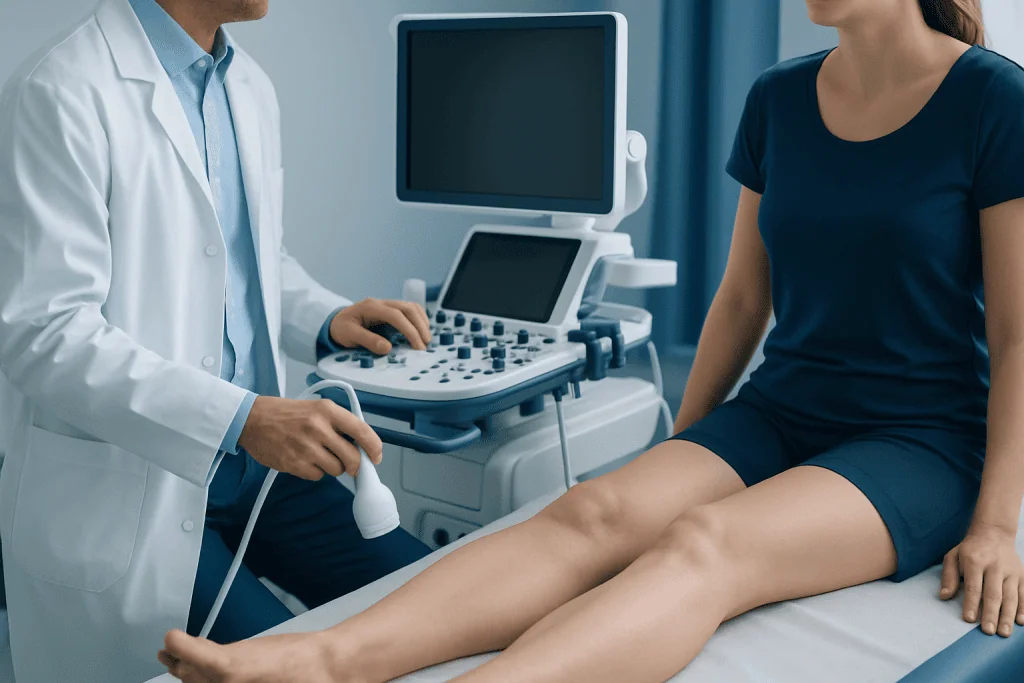
The timing and pattern of heaviness offer useful clues. Symptoms that worsen after prolonged standing and improve with walking, rest, or raising the legs can be associated with venous circulation problems. In these conditions, blood may pool in the leg veins because the valves that normally help return blood to the heart are not working efficiently.
Heaviness after an unfamiliar workout, long walk, travel day, or physically demanding job may reflect muscle fatigue or delayed muscle soreness. Stiffness, joint pain, reduced range of motion, or difficulty starting to walk may suggest a musculoskeletal cause, such as osteoarthritis or a back-related problem. Tingling, burning, numbness, or shooting pain may point toward nerve involvement.
Fluid retention can also make the legs feel heavy or tight. It may be related to heat, inactivity, pregnancy, hormonal changes, certain medicines, vein disease, lymphatic problems, or less commonly heart, kidney, or liver conditions. The presence of swelling should be evaluated in context, particularly if it is new, marked, uneven between the legs, or associated with skin changes.
- Both legs feeling heavy at the end of the day may occur with prolonged standing, vein disease, or generalized fluid retention.
- One leg suddenly becoming swollen, painful, warm, or red needs prompt assessment to rule out a blood clot.
- Leg heaviness with weakness, balance changes, or loss of sensation may require neurological evaluation.
Common causes and risk factors
Chronic venous insufficiency is one of the more frequent medical causes of leg heaviness. In this condition, weakened vein valves allow blood to flow backward and collect in the lower legs. Symptoms can include aching, swelling around the ankles, visible varicose veins, itching, nighttime cramps, and skin discoloration near the lower leg. Risk factors include family history, increasing age, pregnancy, excess body weight, and work or routines that involve standing for long periods.
Other causes include reduced physical conditioning, muscle overuse, obesity, osteoarthritis, lower-back conditions, peripheral neuropathy, and peripheral artery disease. Peripheral artery disease typically causes cramping, fatigue, or discomfort in the calves during walking that improves with rest; some people also notice cool feet, slow-healing sores, or changes in skin color. It is important not to assume all circulation symptoms are caused by veins.
Medicines can sometimes contribute to ankle swelling or a heavy feeling in the legs. Examples include some blood pressure medicines, anti-inflammatory medicines, hormones, and certain diabetes medicines. A person should not stop a prescribed medicine independently, but should ask a clinician or pharmacist whether a medication review is appropriate.
Pregnancy can increase pressure on leg veins and may make heaviness or varicose veins more noticeable. Symptoms often improve after delivery, but significant swelling, one-sided pain, sudden shortness of breath, or chest pain during pregnancy or after birth should receive urgent medical assessment.
Diagnosis: finding the reason before choosing treatment
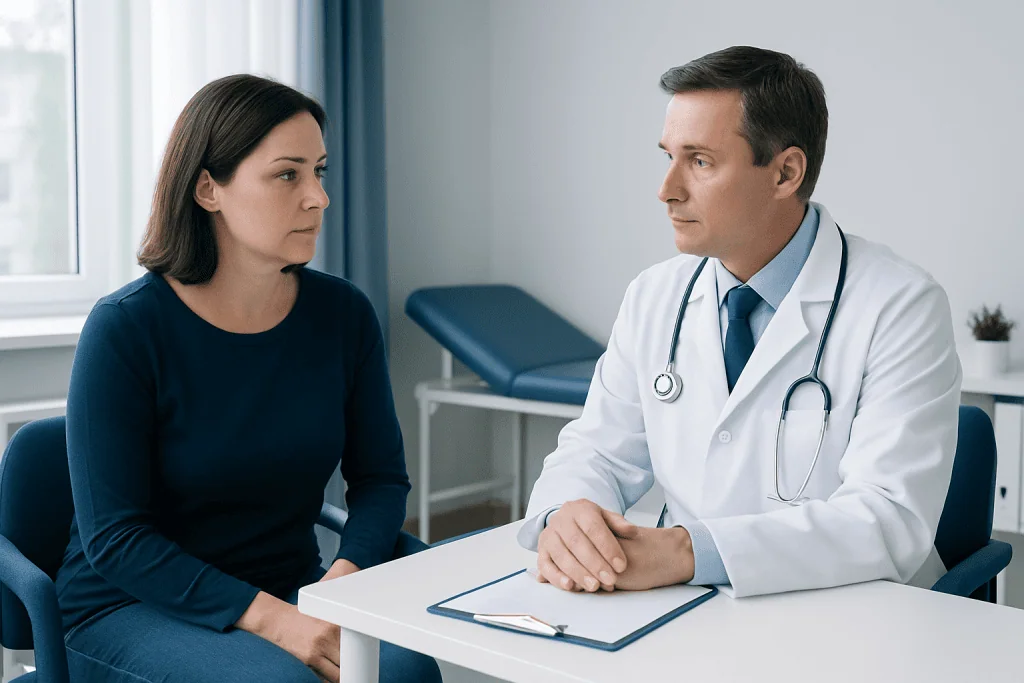
A clinician will usually begin by asking when the heaviness started, whether one or both legs are affected, what makes it better or worse, and whether swelling, pain, cramps, skin changes, numbness, or weakness are present. Medical history, family history, work patterns, recent travel, activity levels, pregnancy status, and current medicines are also relevant.
The physical examination may include checking pulses, skin temperature and color, varicose veins, swelling, joint movement, muscle strength, sensation, and reflexes. The clinician may measure the legs to compare swelling and examine the feet for wounds or changes that suggest reduced arterial circulation or nerve damage.
Tests are selected according to the suspected cause rather than used routinely for everyone. A duplex ultrasound can assess blood flow in veins and help identify valve reflux or a possible deep vein thrombosis. Blood tests may be considered for conditions that contribute to swelling or fatigue, while ankle-brachial pressure testing can help assess arterial circulation. Imaging of the spine or joints may be appropriate when symptoms suggest a musculoskeletal or neurological cause.
An accurate diagnosis is valuable because treatments that help one cause may not suit another. For example, compression garments can be helpful for many people with venous disease, but they should be used cautiously or avoided in significant peripheral artery disease unless a vascular professional has advised otherwise.
Modern treatment approaches and supportive care
When no serious underlying condition is present, conservative care is often the first approach. Regular walking activates the calf muscles, which help pump blood back toward the heart. Gentle cycling, swimming, ankle movements, and gradual strengthening can also improve comfort and endurance. A clinician or physiotherapist can suggest an activity plan for people with pain, limited mobility, or an existing joint or nerve condition.
For venous insufficiency, treatment may include graduated compression stockings, physical activity, weight management when appropriate, and elevating the legs above heart level during short rest periods. Compression should be correctly sized and selected with professional guidance, particularly for people with diabetes, reduced arterial circulation, fragile skin, or marked swelling. If symptoms continue despite conservative care, a vascular specialist may discuss procedures that close or remove poorly functioning veins, such as endovenous thermal treatment, sclerotherapy, or surgery.
Lymphedema management may involve a tailored combination of skin care, exercise, compression, manual lymphatic drainage provided by trained professionals, and specialized garments or bandaging. Joint and back-related causes may respond to physiotherapy, activity modification, weight management where relevant, and clinician-guided pain management. Nerve-related symptoms require evaluation of the underlying nerve condition rather than relying only on measures for circulation.
If medication-related swelling is suspected, the prescribing clinician may adjust the treatment plan or consider alternatives. Treatment for heart, kidney, liver, thyroid, or other systemic conditions is individualized and focuses on managing the underlying health issue. Diuretics are not a routine treatment for ordinary heavy legs and should only be used when specifically prescribed for an appropriate medical reason.
Daily habits that may reduce leg heaviness
Small changes throughout the day can reduce the effects of prolonged immobility. During desk work, car travel, or flights, it is helpful to stand, walk, or move the ankles and calves regularly. People whose jobs require standing may benefit from changing position often, taking brief walking breaks, and resting with the legs elevated when possible.
Supportive footwear, comfortable clothing that does not constrict the groin or legs, and a gradual approach to exercise may improve day-to-day comfort. Staying hydrated and following an eating pattern that supports overall cardiovascular health can be useful, especially for people who have high blood pressure, diabetes, high cholesterol, or vascular risk factors. Reducing excess salt may help some people with fluid retention, but dietary changes should be tailored to individual medical needs.
Smoking cessation is important because smoking damages blood vessels and raises the risk of peripheral artery disease and blood clots. Maintaining a weight that is appropriate for the individual can reduce strain on the legs and veins, but rapid or restrictive dieting is not necessary for symptom management. A realistic, sustainable plan developed with a healthcare professional is usually more helpful.
Self-care should not delay assessment of new or unexplained swelling. Avoid massaging a leg that is suddenly swollen, painful, or warm until a blood clot has been ruled out, as this requires medical evaluation rather than home treatment.
When to seek medical care
A non-urgent medical appointment is appropriate when leg heaviness lasts for more than a few weeks, is recurrent, interferes with work, sleep, exercise, or daily activities, or occurs with swelling, varicose veins, skin darkening, itching, numbness, or persistent pain. Assessment is also sensible when symptoms develop after starting a new medicine or when they are gradually worsening.
Urgent medical care is needed for sudden swelling of one leg, particularly when it occurs with pain, tenderness, redness, or warmth. These symptoms can be caused by deep vein thrombosis, a blood clot in a deep vein. Immediate emergency care is needed if leg symptoms occur with chest pain, unexplained shortness of breath, coughing blood, fainting, or a rapid heartbeat, as these may indicate a serious complication.
Prompt assessment is also important for a cold, pale, blue, or severely painful foot; new weakness; inability to move the leg normally; a non-healing foot wound; fever with a red swollen leg; or rapidly increasing swelling. These signs do not always indicate a severe condition, but they should not be managed by self-treatment alone.
Acibadem International’s multidisciplinary specialists and JCI-accredited hospitals can assess vascular, neurological, orthopedic, and systemic causes of leg symptoms for international patients. The most suitable care plan follows a thorough clinical evaluation and the person’s individual health needs.
Frequently asked questions
What is the best treatment for heaviness in legs?
The best treatment for heaviness in legs depends on its cause. Regular movement, avoiding long periods in one position, leg elevation, and professionally selected compression may help when vein-related symptoms are present. Persistent or unexplained symptoms should be assessed so that treatment can target the underlying problem.
Can poor circulation cause heavy legs?
Yes, both venous and arterial circulation conditions can contribute to a heavy or tired feeling in the legs, but they tend to produce different patterns. Venous problems often worsen after standing and may cause swelling, while arterial disease may cause exertional calf discomfort and cool feet. A clinician can distinguish these causes through examination and, if needed, circulation tests.
Do compression stockings help with heavy legs?
Compression stockings can reduce symptoms for many people with venous insufficiency, varicose veins, or mild swelling. They should be correctly fitted and chosen based on an individual’s circulation and skin health. People with known or suspected peripheral artery disease should seek medical advice before using compression.
Why do my legs feel heavy but are not swollen?
Leg heaviness without swelling may be related to muscle fatigue, inactivity, prolonged standing, reduced fitness, joint problems, nerve irritation, or early venous disease. The symptom pattern and any associated pain, numbness, cramps, or weakness can help identify the likely cause. A medical review is useful if the sensation is persistent or worsening.
Can dehydration cause heavy legs?
Dehydration can contribute to fatigue, muscle cramps, and reduced exercise tolerance, which some people may describe as heavy legs. However, it does not explain all cases and should not be assumed to be the cause when symptoms recur. Adequate fluid intake is sensible, but new swelling, pain, or one-sided symptoms require assessment.
Is leg heaviness an emergency?
Leg heaviness alone is not usually an emergency, especially when it is mild and develops gradually after activity or standing. It becomes urgent when it starts suddenly in one leg or occurs with swelling, pain, redness, warmth, chest pain, shortness of breath, or a cold and pale foot. In these situations, immediate medical care is important.
References
- National Heart, Lung, and Blood Institute
- National Institute of Diabetes and Digestive and Kidney Diseases
- Society for Vascular Surgery
- Centers for Disease Control and Prevention
- National Institute for Health and Care Excellence
This article is for general information only and is not a substitute for professional medical advice. Please consult a qualified doctor about your individual situation.
Joint and spine care in Turkey — expert assessment & treatment
JCI-accredited · board-certified surgeons · reply within 24h
Add us as a Preferred Source to see more of our trusted health content across Google Search, AI Overviews and Discover.
Check your numbers in seconds
BMI, calories, due date, blood pressure and 30+ more clinical calculators — free, instant, doctor-reviewed ranges.