Treatment for Kidney Stones While Pregnant: How It Works, Results and What to Expect

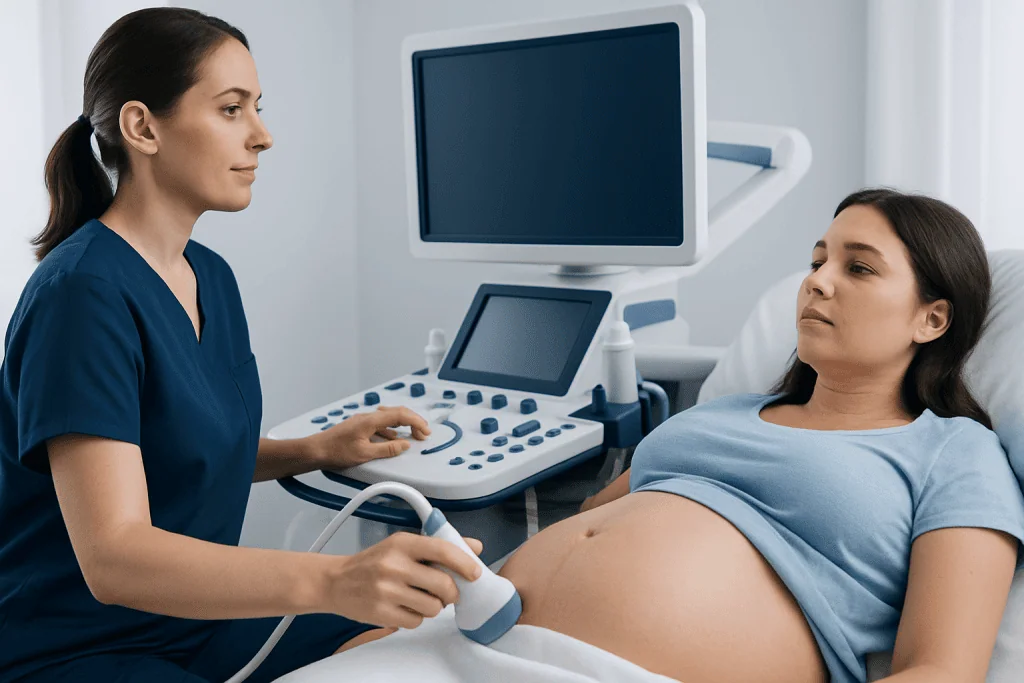
Kidney stone symptoms in pregnancy need medical assessment because they can resemble other pregnancy-related conditions. Ultrasound is usually the first imaging test, avoiding radiation while helping clinicians assess obstruction.
Key Takeaways
- Kidney stone symptoms in pregnancy need medical assessment because they can resemble other pregnancy-related conditions.
- Ultrasound is usually the first imaging test, avoiding radiation while helping clinicians assess obstruction.
- Many small stones pass with fluids, pain control and close follow-up, but infection or ongoing blockage needs urgent treatment.
- Ureteroscopy can remove or break up a stone during pregnancy when conservative treatment is not enough.
- Fever, chills, vomiting, reduced urine output or severe persistent pain require urgent medical care.
Treatment for kidney stones while pregnant is individualized to control pain, protect kidney function and promptly treat infection or blockage. Many small stones pass with monitoring and pregnancy-safe supportive care, while persistent obstruction or severe symptoms may require a temporary drain or ureteroscopy.
Overview: treatment for kidney stones while pregnant
Treatment for kidney stones while pregnant focuses first on relieving pain safely, checking for infection and making sure urine can drain from the kidney. In many cases, a small stone can pass without an operation through careful monitoring, hydration as advised by the maternity team and pregnancy-appropriate pain relief. However, a blocked urinary tract, infection, uncontrolled pain or repeated vomiting may require a procedure.
Pregnancy changes the urinary system. Hormonal effects relax the ureters, and the growing uterus can slow urine drainage, particularly later in pregnancy. These normal changes can make symptoms and scans more difficult to interpret, so care is usually coordinated between obstetrics, urology, anaesthesia and radiology specialists.
The treatment plan depends on the stage of pregnancy, stone size and location, degree of obstruction, symptoms, kidney function and whether infection is present. The aim is to protect both maternal health and the pregnancy while using the least invasive effective option.
What do kidney stones feel like while pregnant?
Kidney stones may cause sudden, severe pain in the side or back below the ribs. The pain may move toward the lower abdomen, pelvis or groin and can come in waves. Some people also experience nausea, vomiting, burning when passing urine, frequent urination or blood in the urine.
Symptoms can overlap with urinary tract infection, appendicitis, ovarian problems, gallbladder disease, muscle pain and pregnancy-related causes of abdominal discomfort. Pain from a stone may also be associated with uterine irritability or contractions, so it should not be assumed to be a stone without assessment.
A clinician will consider the full pattern of symptoms, perform an examination and arrange suitable urine, blood and imaging tests. Pregnancy does not prevent effective diagnosis, but it does influence which tests and treatments are preferred.
Causes, risk factors and how stones are diagnosed
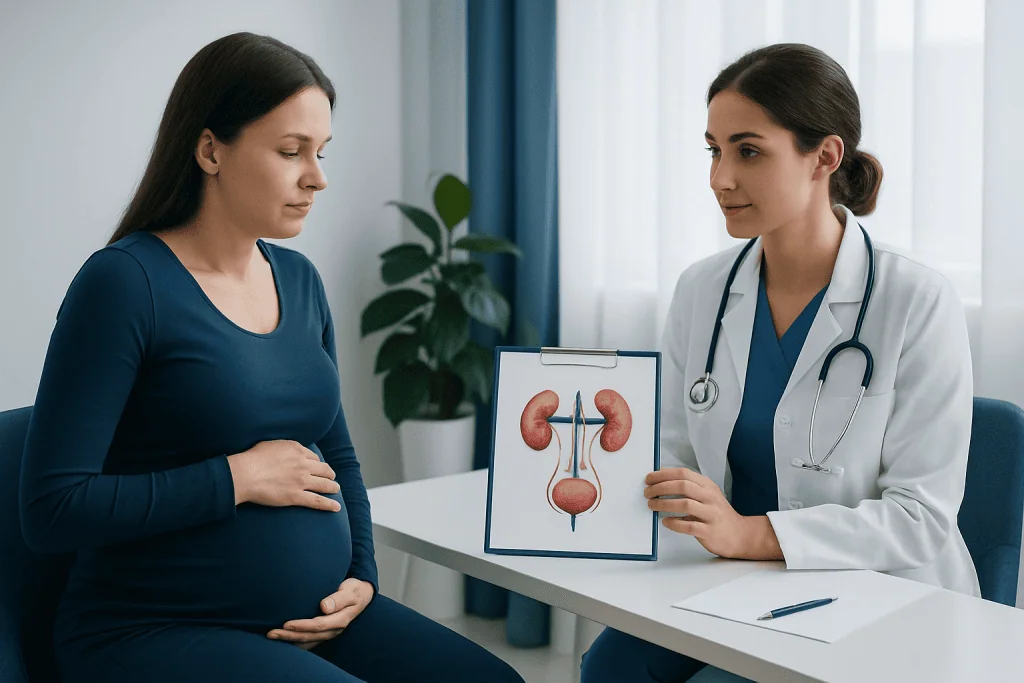
Stones form when minerals and other substances in urine become concentrated and crystallize. Low fluid intake, a personal or family history of stones, recurrent urinary infections, certain digestive conditions, some medicines and dietary factors can contribute. Pregnancy itself does not always cause stones, but urinary tract changes during pregnancy can make an existing stone more likely to cause symptoms.
A urine test can check for blood, crystals and signs of infection. Blood tests may assess kidney function, inflammation and hydration. Ultrasound is generally the first imaging examination because it does not use ionizing radiation and can help identify swelling of the kidney or a visible stone.
If ultrasound does not give a clear answer and symptoms are significant, magnetic resonance imaging may sometimes be considered. Computed tomography is usually avoided during pregnancy but may be considered selectively when the clinical benefit outweighs the potential risk and other methods have not clarified an urgent diagnosis.
After pregnancy, evaluation may include stone analysis and metabolic testing to identify preventable causes. General information about kidney stones can help patients understand how stones form and why recurrence prevention matters.
How treatment works: candidacy and step-by-step care
Initial treatment is often called conservative or expectant management. It may be appropriate when pain can be controlled, there is no fever or infection, kidney function is stable and there is no concerning obstruction. The care team monitors symptoms, urine output and follow-up imaging as needed, while advising fluids according to the individual’s pregnancy and medical needs.
Pregnancy-safe pain relief and anti-nausea medicine may be prescribed by the treating team. Antibiotics are used when a urinary infection is confirmed or strongly suspected; an infected blocked kidney is an emergency because it needs rapid drainage as well as antibiotics. Patients should not start pain medicines, herbal products or stone remedies without discussing them with their obstetric and urology clinicians.
If symptoms do not settle, the stone is unlikely to pass, or there is obstruction or infection, a urologist may recommend intervention. A temporary ureteral stent is a small tube placed inside the ureter to allow urine to bypass the blockage. A nephrostomy tube drains urine directly from the kidney through the back. These options can provide urgent relief but may need monitoring or replacement during pregnancy.
For selected patients, ureteroscopy may offer definitive treatment. During this procedure, a urologist passes a thin camera through the urethra and bladder into the ureter, identifies the stone and removes it or breaks it into smaller pieces. It is commonly performed without an incision and is planned with pregnancy-specific anaesthesia and fetal considerations.
Ureteroscopy during pregnancy: benefits, risks and recovery
Ureteroscopy may be considered when conservative care has failed, pain remains difficult to manage, obstruction is persistent, or a temporary drainage device is not suitable. Timing is individualized. When a non-emergency procedure is needed, the second trimester is often considered a practical period, although urgent treatment can be performed at any stage of pregnancy when medically necessary.
Before the procedure, the team reviews ultrasound findings, blood and urine tests, medications, gestational age and any signs of infection. Anaesthesia is tailored to the patient and procedure. During ureteroscopy, the stone may be retrieved with a small basket or fragmented with an energy device. A temporary stent may be left afterward to support drainage.
Benefits include relief of obstruction and the possibility of treating the stone in one planned procedure. Risks can include urinary infection, bleeding, ureter irritation or injury, stent discomfort, incomplete stone removal and the need for another procedure. Obstetric monitoring and individualized anaesthetic planning help address pregnancy-related considerations.
Recovery is commonly measured in days rather than weeks, although it varies. Mild burning with urination, urgency, blood-tinged urine or flank discomfort can occur briefly, especially with a stent. The care team gives clear instructions on activity, hydration, medicines and the timing of stent removal if one was placed.
How long does it take to pass kidney stones while pregnant?
The time needed to pass a kidney stone varies considerably. Small stones, especially those lower in the ureter, may pass over days to several weeks. Larger stones or stones higher in the urinary tract are less likely to pass on their own and may remain painful or obstructive.
Pregnancy-related widening of the ureters can affect how a stone moves and how imaging is interpreted. For this reason, the care team uses symptoms, urine tests, kidney function and repeat imaging rather than waiting indefinitely for a stone to pass.
Ongoing severe pain, inability to keep fluids down, repeated emergency visits or evidence of obstruction are reasons to reassess the plan. A patient should not try to “wait it out” if symptoms are worsening or if infection is possible.
Can kidney stones while pregnant hurt the baby?
A kidney stone does not usually directly harm the baby. The main concern is the effect of serious maternal illness, particularly infection, dehydration, severe uncontrolled pain or prolonged urinary obstruction. Prompt assessment and treatment are designed to protect the health of the pregnant person and support the pregnancy.
Fever with a suspected stone is especially important because it can indicate a urinary infection that has become complicated by blockage. This requires urgent evaluation and may require hospital treatment, antibiotics and drainage of the kidney.
With appropriate care, many people recover from a kidney stone episode and continue their pregnancy normally. Obstetric follow-up is important, especially when symptoms are severe, a procedure is needed or there are any pregnancy-specific concerns.
How to flush out kidney stones while pregnant and when to seek medical care
There is no proven home method to safely “flush out” a stone during pregnancy. Drinking adequate fluids can help prevent dehydration and may support normal urine flow, but forcing large amounts of water does not reliably move a stone and may be inappropriate for people with certain medical or pregnancy conditions. Fluid advice should come from the obstetric or urology team.
Patients should avoid unverified herbal preparations, supplements and over-the-counter medicines marketed for stones unless their clinician confirms they are safe in pregnancy. A balanced diet, regular fluid intake as advised and attention to urine symptoms are more appropriate than aggressive home remedies. After delivery, the team may discuss individualized prevention, including diet changes based on stone type.
Medical care should be sought urgently for fever, chills, severe or worsening side pain, vomiting that prevents fluid intake, painful urination with feeling unwell, reduced urine output, fainting, vaginal bleeding, contractions or reduced fetal movement later in pregnancy. These symptoms may not always be caused by a stone, but they need timely assessment.
Acibadem International’s multidisciplinary specialists at JCI-accredited hospitals can assess and treat kidney stone problems during pregnancy for international patients, coordinating urology and obstetric care when appropriate.
Frequently asked questions
Can kidney stones be treated without surgery during pregnancy?
Yes. Many small stones can be managed with close observation, pregnancy-appropriate pain control, treatment of nausea and attention to hydration. This approach is only suitable when there is no serious infection, uncontrolled pain, kidney impairment or concerning obstruction.
Is ultrasound safe for suspected kidney stones during pregnancy?
Ultrasound is usually the first imaging test for suspected kidney stones in pregnancy because it does not use ionizing radiation. It can show swelling in the kidney and may identify a stone, although it does not detect every stone clearly.
Can a pregnant person have ureteroscopy?
Ureteroscopy can be performed during pregnancy when a stone needs active treatment. The decision is individualized and involves urology, obstetric and anaesthesia teams, with attention to the reason for treatment and the stage of pregnancy.
Are antibiotics needed for kidney stones in pregnancy?
Antibiotics do not dissolve a stone, but they are important when a urinary tract infection is present or suspected. Infection together with obstruction can become serious quickly and needs urgent medical evaluation.
Should a pregnant person drink more water to pass a kidney stone?
Adequate hydration is generally helpful, but drinking excessive amounts of water will not necessarily make a stone pass faster. The safest fluid target depends on symptoms, vomiting, pregnancy health and other medical conditions, so it should be discussed with the care team.
Can kidney stone pain trigger contractions?
Severe pain, dehydration and urinary infection can irritate the uterus and may be associated with contractions or cramping. Any contractions, vaginal bleeding, fluid leakage or reduced fetal movement should be assessed promptly by a maternity care professional.
References
- American College of Obstetricians and Gynecologists
- American Urological Association
- European Association of Urology
- National Institute of Diabetes and Digestive and Kidney Diseases
- Society for Maternal-Fetal Medicine
This article is for general information only and is not a substitute for professional medical advice. Please consult a qualified doctor about your individual situation.
Explore treatments in Turkey — costs, top hospitals & a free quote
JCI-accredited · board-certified surgeons · reply within 24h
Add us as a Preferred Source to see more of our trusted health content across Google Search, AI Overviews and Discover.

More from the Health Library



Related Specialists

Dr. Eylül Türsen
Oral & Dental Health
Prof. Dr. Ebubekir Şenateş
Gastroenterology
Dr. Ali Elibol
Radiology
Dr. Mahmut Hakan Ertürk
Physical Medicine & Rehabilitation