Treatment for kp skin: A Complete Medical Guide for Patients

Keratosis pilaris is a common, harmless skin condition that causes small rough bumps. The most helpful treatment for kp skin is steady daily care rather than aggressive scrubbing.
Key Takeaways
- Keratosis pilaris is a common, harmless skin condition that causes small rough bumps.
- The most helpful treatment for kp skin is steady daily care rather than aggressive scrubbing.
- Moisturizers with ingredients such as urea, lactic acid, salicylic acid, or glycolic acid may improve texture.
- Symptoms often flare with dry skin, friction, and harsh products.
- A dermatologist can confirm the diagnosis and discuss stronger prescription options if home care is not enough.
Treatment for kp skin usually does not remove keratosis pilaris permanently, but it can make the skin feel smoother and look less rough with consistent care. Most people improve with gentle cleansing, regular moisturizing, and creams that help loosen the buildup of dead skin around hair follicles.
Overview: What treatment for kp skin usually involves
Treatment for kp skin usually means managing keratosis pilaris rather than curing it permanently. Keratosis pilaris, often called KP, develops when keratin builds up and plugs hair follicles, creating tiny rough bumps that may feel like sandpaper. These bumps often appear on the upper arms, thighs, buttocks, or cheeks.
For most people, KP is harmless and does not lead to serious skin disease. The main goals of treatment are to soften the plugs, reduce dryness, calm redness if present, and improve the skin’s texture over time. Results are often gradual, and regular skin care matters more than occasional intensive treatment.
A useful treatment plan usually combines gentle bathing habits, frequent moisturizing, and products that carefully exfoliate the skin without causing irritation. In more stubborn cases, a doctor may recommend prescription creams or discuss whether another condition is contributing to the roughness. People who are unsure whether they have KP may benefit from an evaluation for dermatologic conditions that can look similar.
Symptoms and how keratosis pilaris looks
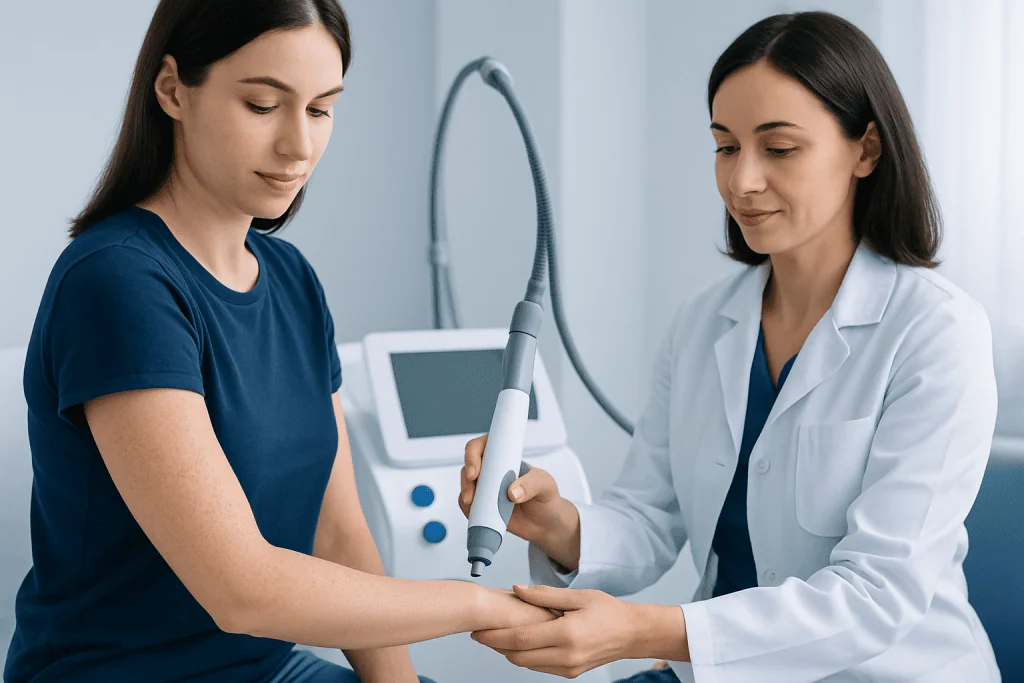
Keratosis pilaris typically causes many small, flesh-colored, white, red, or brownish bumps depending on skin tone. The skin may feel rough, dry, or slightly itchy, especially in cold or low-humidity weather. Some people notice mild redness around the bumps, while others mainly notice the texture.
The condition most often affects the backs of the upper arms and the fronts or sides of the thighs. It can also appear on the buttocks, cheeks, and less commonly on the forearms or lower legs. KP is not contagious, and it is not caused by poor hygiene.
Symptoms often become more noticeable when the skin is dry or irritated. Many people also have sensitive skin or a history of eczema, which can make the area more reactive. If bumps are painful, draining, intensely itchy, or spreading in an unusual way, another skin condition may be present and a medical review is sensible.
Why KP happens and who is more likely to get it

KP develops when dead skin cells and keratin collect around hair follicles instead of shedding normally. Doctors do not always know exactly why this buildup occurs in one person and not another, but genetics seem to play an important role. It often runs in families.
It is more common in children, teenagers, and young adults, although it can occur at any age. Many people notice it gets worse during the winter, when indoor heating and colder air can dry out the skin. Friction from tight clothing and repeated scrubbing can also make bumps look more irritated.
KP is also seen more often in people with dry skin, atopic dermatitis, or other barrier-related skin concerns. Although it can resemble acne or inflamed folliculitis, it is a different process and usually responds best to skin-barrier support and gentle exfoliating treatments rather than aggressive acne routines. If symptoms overlap with eczema, a doctor may adjust the plan to protect sensitive skin.
Diagnosis: how doctors confirm KP
Doctors usually diagnose keratosis pilaris by examining the skin and asking about symptoms, skin care habits, and personal or family history of dry skin, allergies, or eczema. In most cases, no blood tests or biopsies are needed because the appearance and location are typical.
The doctor may look closely at whether the bumps are centered on hair follicles, whether the skin is dry, and whether there is inflammation. This helps distinguish KP from acne, heat rash, folliculitis, allergic reactions, or other causes of rough skin. A precise diagnosis matters because similar-looking conditions may need different treatment.
If the skin is inflamed, painful, rapidly changing, or not responding as expected, a dermatologist may consider other diagnoses or overlapping problems. In specialist settings, comprehensive dermatology evaluation and care can help guide treatment choices for persistent or confusing skin symptoms.
Treatment options that can improve KP skin
The best treatment for kp skin is usually a consistent routine that combines gentle cleansing with regular use of moisturizers and keratolytic creams. Keratolytic ingredients help loosen and remove the buildup of dead skin that blocks follicles. Products commonly used for KP may contain urea, lactic acid, salicylic acid, glycolic acid, or similar exfoliating ingredients.
Plain, fragrance-free moisturizers are also important because they help repair the skin barrier and reduce roughness. Applying them soon after bathing can improve hydration. People often do best when they avoid harsh scrubs, rough loofahs, and very hot showers, since these can worsen dryness and redness instead of helping.
If over-the-counter care is not enough, a doctor may suggest prescription topical treatments. These may include stronger exfoliating creams or retinoid-based products that help normalize skin turnover. Some people with redness or itch may need treatment tailored to sensitive or inflamed skin, and anyone considering advanced skin procedures should first have a proper skin care and dermatology consultation.
Improvement usually takes weeks rather than days, and maintenance is often needed because KP can return when treatment stops. For patients bothered mainly by visible redness or long-standing texture changes, a dermatologist may discuss selected office-based options, but these are not necessary for everyone.
Daily skin care, prevention, and self-care tips
Daily self-care can make a meaningful difference in KP. Gentle skin habits reduce irritation and support the outer skin barrier, which may lessen roughness over time. A simple, steady routine is often more effective than trying many strong products at once.
Helpful habits may include:
- Using lukewarm rather than very hot water for bathing
- Choosing mild, fragrance-free cleansers
- Applying moisturizer within a few minutes after showering
- Using exfoliating creams exactly as directed and starting slowly if skin is sensitive
- Avoiding aggressive scrubbing, picking, or squeezing the bumps
- Wearing soft, breathable clothing to reduce friction
- Using a humidifier in dry indoor environments if helpful
Sun protection is also useful, especially if exfoliating products are part of the routine, because these can make skin more sensitive. If a product causes stinging, peeling, or worsening redness, it may be too strong or too frequent for that person’s skin. A clinician can help adjust the routine safely.
When to seek medical care
Most cases of KP do not need urgent treatment, but medical advice is a good idea if the diagnosis is uncertain or if symptoms are causing distress. A doctor can confirm whether the bumps are truly keratosis pilaris and recommend products suited to the person’s skin type and sensitivity.
It is sensible to seek medical care if the skin becomes painful, warm, swollen, crusted, or starts to drain, because these features are not typical of uncomplicated KP. Review is also helpful if the rash is spreading quickly, interfering with sleep because of itching, or not improving after a reasonable trial of home care.
People with very sensitive skin, eczema, or recurring irritation may benefit from a tailored plan. Near the end of the care pathway, if specialist input is needed, Acibadem International’s multidisciplinary specialists at JCI-accredited hospitals diagnose and treat skin conditions for international patients with individualized evaluation and follow-up.
What to expect over time
Keratosis pilaris often improves gradually, especially with regular skin care and as some people get older. It may wax and wane, becoming more noticeable in dry weather or during periods of irritation. This pattern can be frustrating, but it is common and does not usually mean the condition is becoming dangerous.
Because KP is a chronic tendency rather than a short infection, treatment is often about control instead of complete elimination. Many people reach a point where the bumps are much less noticeable, even if they do not disappear entirely. Keeping expectations realistic can make the treatment process less stressful.
The most effective long-term approach is usually patience, gentle care, and review with a qualified clinician if symptoms change. If another skin issue is suspected, a dermatologist can refine the diagnosis and suggest alternatives so care remains safe and appropriate.
Frequently asked questions
What is the best treatment for kp skin?
For many people, the best treatment for kp skin is a combination of gentle cleansing, daily moisturizing, and a cream containing a mild exfoliating ingredient such as urea, lactic acid, or salicylic acid. Improvement usually happens gradually with regular use rather than overnight.
Can keratosis pilaris be cured permanently?
Keratosis pilaris usually cannot be cured permanently, but it can often be controlled well. Many people notice smoother skin when they keep up a consistent routine, although bumps may return if treatment is stopped.
Does scrubbing help remove KP bumps?
Hard scrubbing is usually not helpful and can actually make KP look redder and feel more irritated. Gentle skin care and leave-on treatment products are generally more effective than physical exfoliation.
How long does treatment for kp skin take to work?
Many people need several weeks of regular care before they notice clear improvement. The exact timeline depends on the severity of the bumps, the products used, and how sensitive the skin is.
Is keratosis pilaris the same as acne?
No, keratosis pilaris is different from acne, even though both can cause bumps. KP is caused by keratin plugging hair follicles, while acne involves oil, inflammation, and clogged pores in a different way.
When should someone see a doctor for KP?
A doctor should be consulted if the diagnosis is uncertain, if the bumps become painful or infected-looking, or if home treatment is not helping. Medical review is also useful when KP affects confidence significantly or occurs alongside eczema or very sensitive skin.
This article is for general information only and is not a substitute for professional medical advice. Please consult a qualified doctor about your individual situation.
Explore treatments in Turkey — costs, top hospitals & a free quote
JCI-accredited · board-certified surgeons · reply within 24h
Add us as a Preferred Source to see more of our trusted health content across Google Search, AI Overviews and Discover.

More from the Health Library

Fat Embolism: An Evidence-Based Guide for Patients

Halloumi — Explained by Medical Evidence, Not Myths

Goiter: What Patients Need to Know

Metoprolol Succinate: A Complete Medical Overview
Snake Bite Pictures: An Evidence-Based Guide for Patients