Treatment Poliomyelitis: How It Works, Results and What to Expect
There is no medication that eliminates poliovirus after infection, so care is focused on symptoms, complications and rehabilitation. Urgent hospital treatment may be needed for breathing weakness, swallowing difficulty or rapidly progressing paralysis.
Key Takeaways
- There is no medication that eliminates poliovirus after infection, so care is focused on symptoms, complications and rehabilitation.
- Urgent hospital treatment may be needed for breathing weakness, swallowing difficulty or rapidly progressing paralysis.
- Physical, occupational and respiratory therapy are central to recovery after paralytic polio.
- Some people recover fully from non-paralytic illness, while paralysis may leave lasting weakness.
- Polio vaccination remains the most effective way to prevent poliomyelitis.
Treatment poliomyelitis does not currently include an antiviral cure, but timely supportive care can protect breathing, manage symptoms and improve recovery. Rehabilitation, orthotic support and long-term follow-up help many people preserve mobility, independence and quality of life.
Treatment Poliomyelitis: How It Works
Treatment poliomyelitis is mainly supportive because there is no antiviral medicine that can reliably remove poliovirus from the body or reverse nerve injury once it has occurred. Care is tailored to the person’s symptoms and may include pain and fever relief, fluids and nutrition, monitoring in hospital, breathing support, and rehabilitation. Early medical assessment is especially important when weakness is progressing or breathing and swallowing are affected.
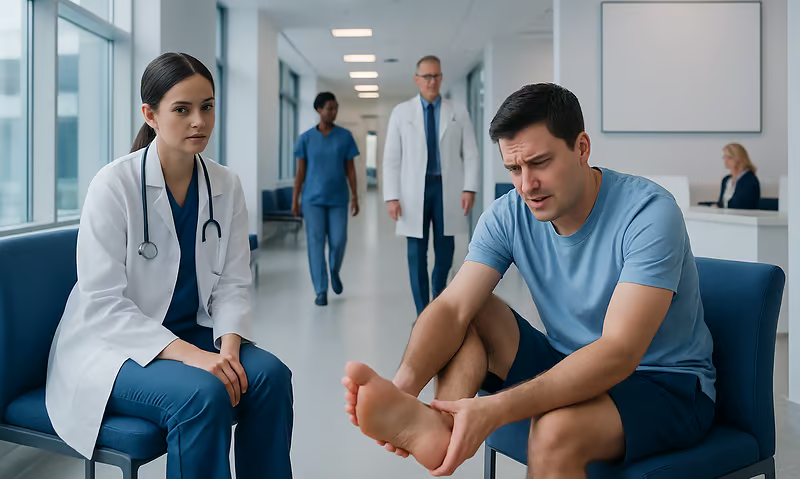
Poliomyelitis, commonly called polio, is a viral infection that can affect the nervous system. Most infections cause no symptoms or a mild flu-like illness, but a small proportion can damage the motor nerves that control muscles. This may lead to sudden weakness or flaccid paralysis, most often in the legs, although muscles used for breathing or swallowing can also be affected.
Treatment goals change over time. During the acute infection, clinicians focus on safety and preventing complications; during recovery, the focus shifts to restoring function, protecting weakened joints and muscles, and supporting independence. Although vaccination is the key preventive measure, people who develop symptoms need individualized medical care rather than attempting to manage new weakness at home.
What Are the 5 Main Symptoms of Polio?
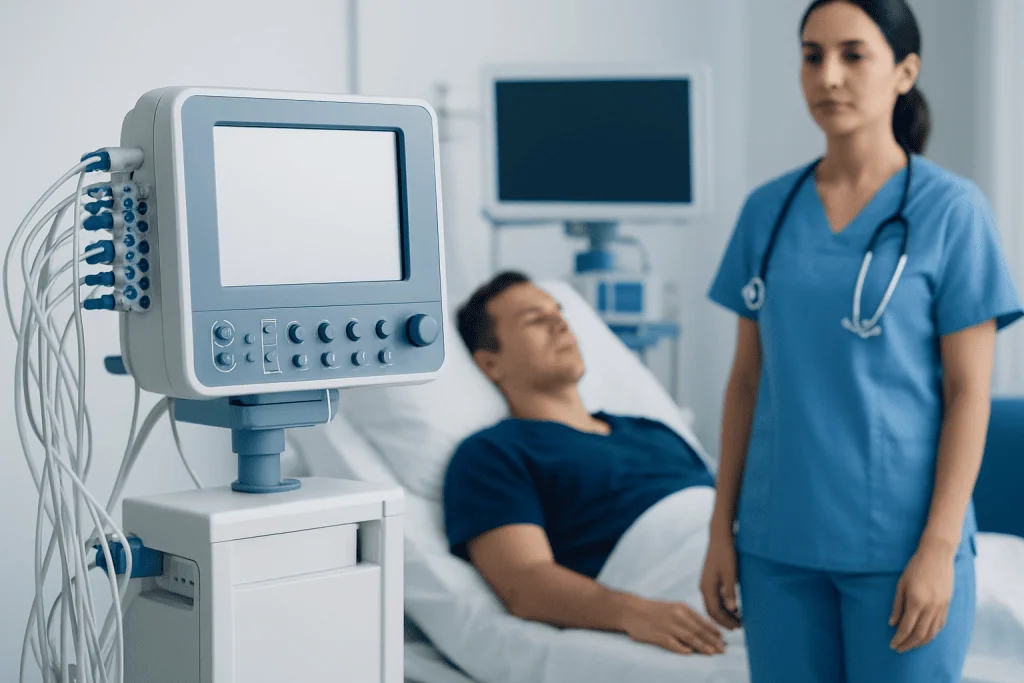
Polio can look different from one person to another, and many infected people have no noticeable illness. When symptoms occur, five commonly recognized features are fever, headache, sore throat, fatigue or general malaise, and muscle pain or stiffness. Nausea, vomiting and stomach discomfort may also occur, particularly early in the illness.
In the more serious paralytic form, sudden weakness is a key warning symptom. The weakness is often uneven, meaning one side or one limb can be more affected than another. Muscles may feel floppy rather than stiff, and reflexes may be reduced. Sensation is usually preserved, although pain and tenderness can be significant.
Emergency assessment is needed for shortness of breath, difficulty speaking or swallowing, inability to clear secretions, severe neck stiffness, confusion, dehydration, or rapidly worsening weakness. These symptoms do not always mean polio, but they can signal a serious neurological or infectious condition that needs prompt evaluation.
What Are the Three Stages of Poliomyelitis?
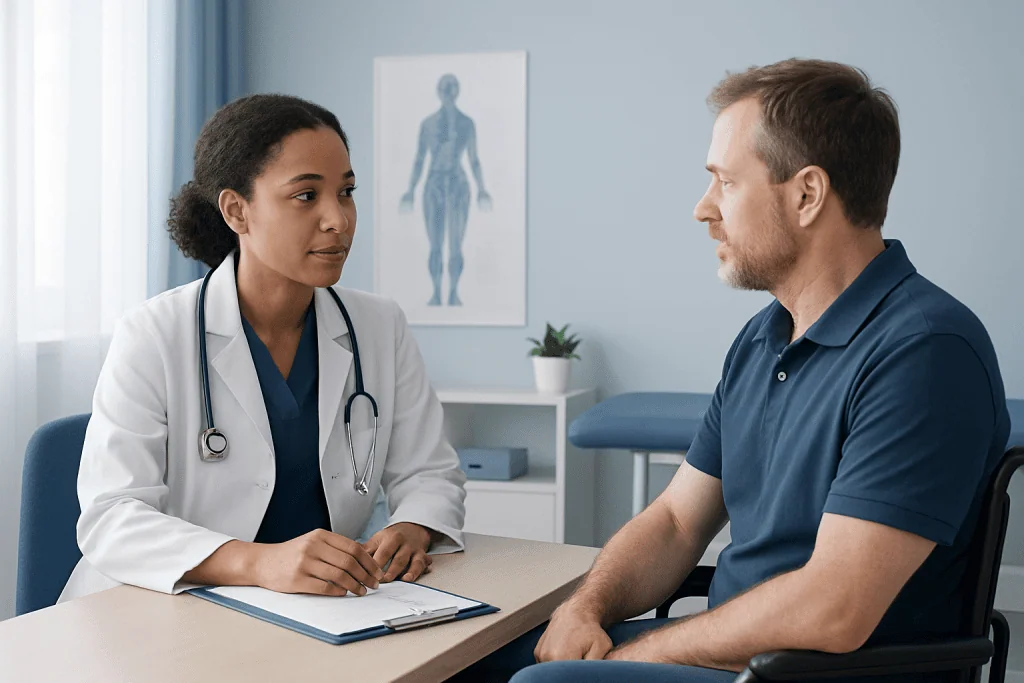
Poliomyelitis is often described in three clinical stages, although not every person experiences each one. The first is the minor illness stage, sometimes called abortive polio. It may cause fever, sore throat, headache, tiredness and digestive symptoms, and most people recover without neurological complications.
The second stage is non-paralytic polio. In addition to flu-like symptoms, a person may develop severe muscle aches, neck or back stiffness, and signs of irritation around the brain and spinal cord. This form can be distressing but does not cause paralysis, and recovery is generally expected with supportive care.
The third stage is paralytic polio, in which the virus damages motor nerve cells. Weakness can develop quickly and may affect the limbs, trunk, swallowing muscles or breathing muscles. The amount of recovery varies according to the extent and location of nerve injury, the person’s overall health, and access to careful rehabilitation and follow-up.
How Is Poliomyelitis Treated and Managed?
In the acute phase, treatment begins with a clinical assessment of breathing, swallowing, hydration, pain and neurological function. A person with suspected polio may need isolation precautions according to local public health guidance and testing of stool or other samples to identify poliovirus. Clinicians also consider other causes of acute flaccid weakness, since several neurological conditions can present similarly.
Supportive treatment may include rest balanced with gentle positioning, fluids, nutritional support, and medicines for fever or pain when clinically appropriate. If swallowing is unsafe, nutrition and hydration may need to be provided in another way. Respiratory specialists may use oxygen, non-invasive ventilation, airway clearance techniques or mechanical ventilation when the breathing muscles are weak.
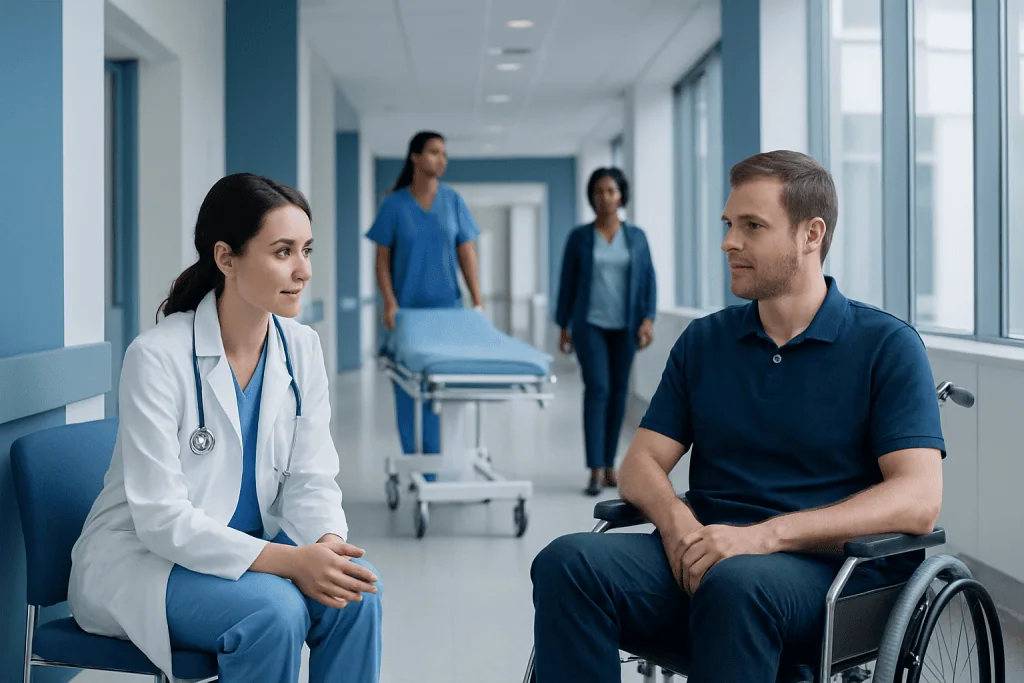
Once a person is medically stable, rehabilitation becomes a major part of polio management. Physiotherapists work on safe movement, range of motion, gradual strengthening where appropriate, balance and walking. Occupational therapists can recommend practical strategies, adaptive equipment and home adjustments to make daily activities easier. Orthoses, braces, walking aids or wheelchairs may help protect joints and improve mobility.
Care should avoid exhausting weakened muscles. The rehabilitation plan is usually paced and adjusted over time, because excessive exercise can increase pain and fatigue in some people with residual weakness. Neurologists, rehabilitation physicians, respiratory clinicians, orthopedists, physiotherapists and occupational therapists may all contribute to a coordinated plan.
Candidacy and Step-by-Step Care Pathway
Anyone with suspected acute poliomyelitis or new flaccid weakness should be assessed by a qualified clinician urgently. The need for hospital admission depends on symptoms, the pace of weakness, breathing and swallowing safety, hydration, and the person’s ability to manage safely at home. Children, older adults, pregnant people, and people with underlying lung or neuromuscular conditions may need particularly close monitoring.
The care pathway commonly starts with a medical history and examination, including strength, reflexes, breathing and swallowing assessment. Doctors may arrange laboratory testing for poliovirus, as well as tests to rule out other infections and neurological disorders. Imaging or nerve studies may be considered in selected cases, but they do not replace virologic testing when polio is suspected.
Next, the team stabilizes urgent problems such as dehydration, severe pain, secretion clearance or respiratory insufficiency. Physiotherapy input may begin in hospital with safe positioning, prevention of contractures and careful mobility guidance. After discharge, follow-up is arranged according to the person’s needs, often involving outpatient rehabilitation and review of mobility, pain, fatigue and respiratory health.
For international patients, Acibadem International’s multidisciplinary specialists and JCI-accredited hospitals can assess and treat neurological and rehabilitation needs related to poliomyelitis, with care plans coordinated across relevant specialties.
Recovery Timeline, Benefits and Possible Risks
Recovery from polio is highly individual. A mild, non-paralytic infection may improve over days to weeks. With paralytic polio, some muscle recovery may begin in the first weeks or months and can continue over a longer period, but significant nerve damage can leave persistent weakness, altered walking patterns, joint strain or need for assistive devices.
The main benefits of treatment are not a direct cure of the virus but safer recovery and improved function. Respiratory support can be lifesaving when breathing is impaired. Rehabilitation can help maintain joint movement, reduce complications from immobility, improve mobility and support participation in school, work and daily life.
Possible risks often relate to the illness itself and prolonged immobility, including falls, joint contractures, pressure injuries, respiratory infections, blood clots and emotional distress. Treatment decisions also have individual considerations: for example, inappropriate overexertion may worsen pain or fatigue, while poorly fitted braces can cause skin irritation or discomfort. Regular review helps the care team adjust the plan safely.
Some polio survivors develop new or worsening weakness, fatigue, muscle or joint pain decades after the original infection. This is known as post-polio syndrome. It requires assessment because other treatable causes of new weakness, such as nerve compression, arthritis or lung disease, should not be assumed to be post-polio syndrome.
Can You Recover From Poliomyelitis?
Many people recover completely from mild or non-paralytic poliomyelitis. In paralytic polio, recovery can occur to varying degrees as surviving nerve cells adapt and muscles regain some function. However, paralysis may be permanent when motor nerve cells have been severely damaged.
Recovery is supported by prompt management of complications and a realistic, individualized rehabilitation plan. Progress is often gradual, and goals may include walking more safely, improving transfers, reducing pain, preserving energy, using equipment effectively, or returning to valued daily activities. A clinician can help set goals that match the person’s current strength and health.
Long-term follow-up matters even after apparent stability. New fatigue, pain, breathing changes or reduced function should be discussed with a doctor rather than accepted as an unavoidable part of past polio. Assessment can identify contributing factors and guide energy-conservation strategies, mobility support and treatment of coexisting conditions.
When to Seek Medical Care
Seek urgent medical care for sudden or worsening muscle weakness, trouble breathing, choking or difficulty swallowing, a weak cough, inability to speak clearly, or severe dehydration. Emergency care is also appropriate for a child or adult with fever and rapidly developing weakness, especially after travel to an area where poliovirus transmission has been reported.
People with a history of paralytic polio should arrange a medical review if they notice new weakness, repeated falls, increasing pain, marked fatigue, sleep-related breathing symptoms or reduced tolerance for usual activity. These symptoms can have several causes and deserve a proper evaluation.
Prevention remains essential. Vaccination protects individuals and communities from poliovirus, and people should follow their country’s recommended immunization schedule. Adults who are unsure of their vaccine history, are traveling to areas with poliovirus risk, or may be exposed through work should ask a healthcare professional whether vaccination or a booster is recommended.
Frequently asked questions
Is there a cure for poliomyelitis?
There is no specific antiviral cure that eliminates poliovirus after infection. Treatment focuses on relieving symptoms, supporting breathing and swallowing when needed, preventing complications, and providing rehabilitation.
How long does recovery from paralytic polio take?
Recovery varies widely depending on the severity and distribution of nerve injury. Some improvement may occur over weeks to months and can continue longer, but some weakness may remain permanent.
Does everyone with polio become paralyzed?
No. Most poliovirus infections cause no symptoms or only a mild illness. Paralysis occurs in a small proportion of infections, but it is a medical emergency when it develops.
Can physical therapy help after polio?
Yes. Physical therapy can help preserve range of motion, improve safe mobility and reduce complications from weakness or immobility. The exercise plan should be individualized to avoid overworking vulnerable muscles.
What is post-polio syndrome?
Post-polio syndrome describes new weakness, fatigue, pain or reduced endurance that can occur years or decades after recovery from paralytic polio. A medical assessment is important because other treatable conditions can cause similar symptoms.
How can poliomyelitis be prevented?
Vaccination is the most effective protection against poliomyelitis. Good hygiene and public health measures also help reduce spread, but they do not replace vaccination.
References
- World Health Organization
- Centers for Disease Control and Prevention
- European Centre for Disease Prevention and Control
- Mayo Clinic
- National Institute of Neurological Disorders and Stroke
This article is for general information only and is not a substitute for professional medical advice. Please consult a qualified doctor about your individual situation.
Explore treatments in Turkey — costs, top hospitals & a free quote
JCI-accredited · board-certified surgeons · reply within 24h
Add us as a Preferred Source to see more of our trusted health content across Google Search, AI Overviews and Discover.