Tremor in Children: Causes and When a Neuropediatric Evaluation Is Needed

Not every tremor in children is serious, but a medical assessment helps identify the cause. The pattern of tremor matters, including when it happens, what body part it affects, and whether other symptoms are present.
Key Takeaways
- Not every tremor in children is serious, but a medical assessment helps identify the cause.
- The pattern of tremor matters, including when it happens, what body part it affects, and whether other symptoms are present.
- Common causes include enhanced physiologic tremor, essential tremor, medications, anxiety, fever, fatigue, and low blood sugar.
- A neuropediatric evaluation is especially important if tremor is new, worsening, one-sided, or associated with weakness, balance problems, or developmental concerns.
- Treatment depends on the underlying cause and may include observation, trigger management, medication review, therapy, or specialist care.
Tremor in children is an involuntary, rhythmic shaking movement that can affect the hands, head, voice, or other body parts. Some tremors are temporary or harmless, while others need a neuropediatric evaluation to look for underlying neurological, metabolic, medication-related, or inherited causes.
Overview
Tremor in children refers to a repeated, rhythmic shaking movement that happens without the child intending it. It may be most noticeable in the hands, but it can also affect the arms, legs, head, jaw, or voice. Parents often first see it during writing, drinking from a cup, reaching for an object, or holding the hands outstretched.
Many families worry that tremor always means a serious brain disorder. In reality, childhood tremor has a wide range of causes. Some are temporary and linked to normal body responses such as stress, tiredness, fever, or hunger. Others may reflect a movement disorder, a metabolic problem, medication side effect, or a neurological condition that needs more detailed assessment.
A careful evaluation is important because the meaning of tremor depends on the full clinical picture. Doctors consider the child’s age, medical history, family history, developmental progress, medications, and the exact pattern of the shaking. This helps distinguish common and often mild forms from less common causes that need prompt attention.
Symptoms and Different Types of Tremor
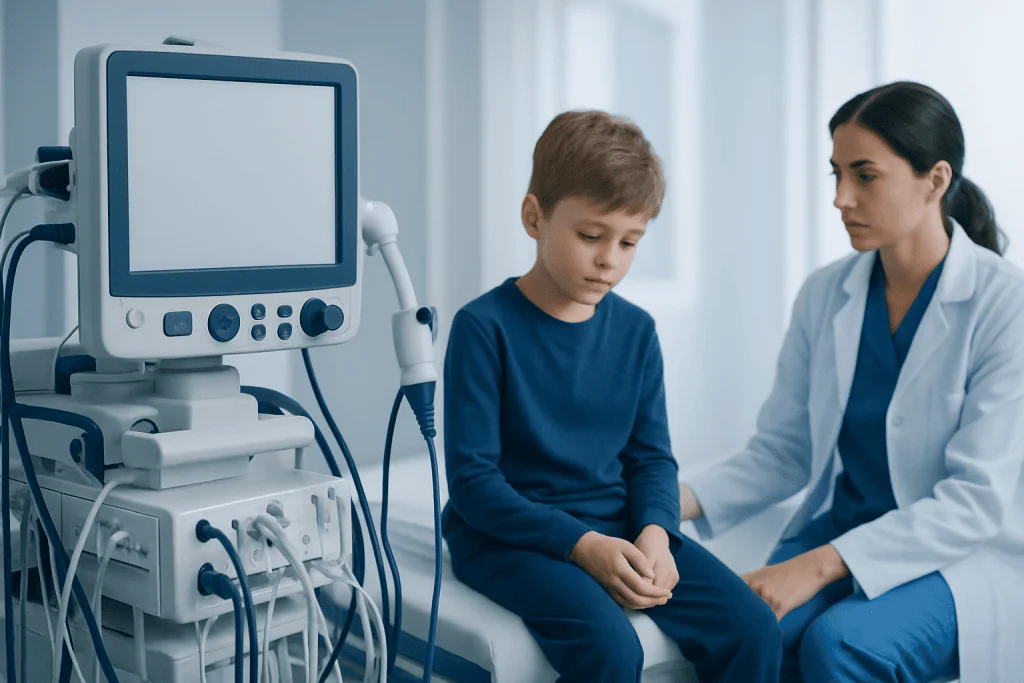
Tremor can look different from one child to another. Some children have a fine, fast shaking that appears only when they are anxious or exhausted. Others have a more obvious tremor that interferes with drawing, eating, buttoning clothes, or using school tools. A child may describe the hands as feeling shaky, while parents notice spilling drinks or messy handwriting.
Doctors often classify tremor by when it occurs. Rest tremor happens when the body part is relaxed and supported. Action tremor appears during movement and includes postural tremor, which occurs while holding a position such as arms outstretched, and intention tremor, which becomes more noticeable when reaching toward a target. This distinction can provide important clues about the cause.
Symptoms that can accompany tremor include clumsiness, poor balance, slowed movements, changes in speech, headaches, weakness, numbness, dizziness, or changes in school performance. In some children, tremor is the only symptom. In others, it is part of a broader neurological pattern that requires specialist assessment.
- Hand shaking during writing, drawing, eating, or holding objects
- Head or voice tremor in some movement disorders
- Shaking that worsens with stress, fatigue, caffeine, or illness
- Tremor together with imbalance, stiffness, or developmental regression
Causes and Risk Factors
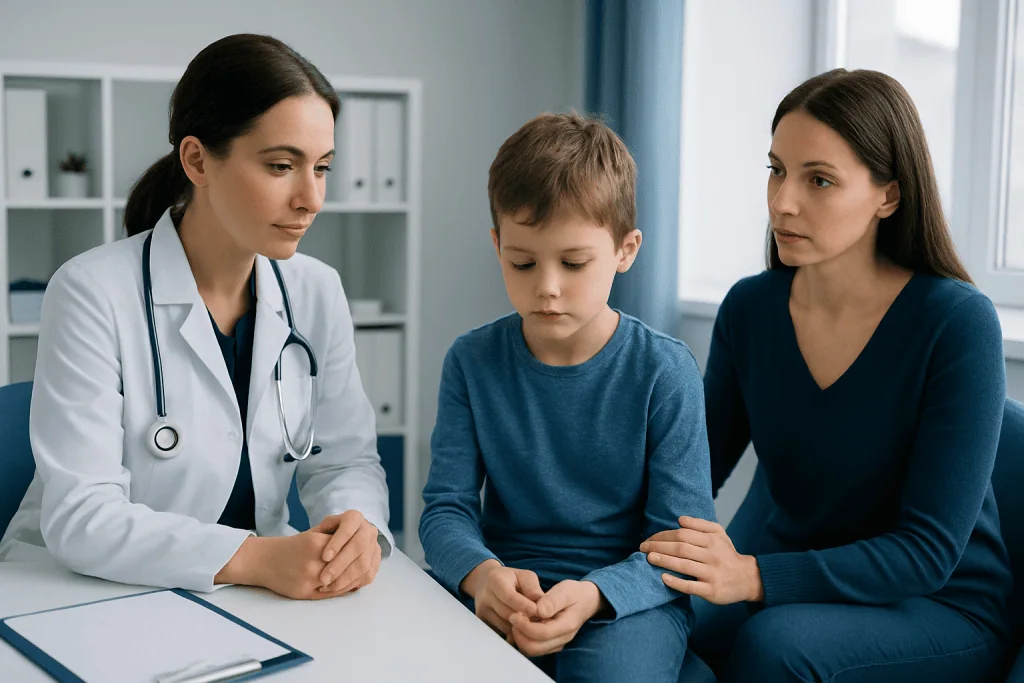
One of the most common explanations is enhanced physiologic tremor. Everyone has a very small natural tremor, but it becomes easier to see during stress, anxiety, fever, sleep deprivation, exercise, pain, or low blood sugar. Certain drinks, supplements, and medications can also make this type of tremor more noticeable. In these situations, the tremor is often temporary and improves when the trigger is removed.
Essential tremor is another possible cause. This is a movement disorder that often runs in families and commonly affects the hands during action, such as writing or holding a cup. It may start in childhood or adolescence and can range from mild to more troublesome. A family history of similar shaking in parents or grandparents can be a useful clue.
Other causes include medication side effects, thyroid overactivity, metabolic disturbances, vitamin deficiencies, and neurological disorders affecting the cerebellum or other parts of the nervous system. Tremor may also appear with some inherited or degenerative conditions, after head injury, or as part of ataxia and related balance disorders. In infants and younger children, clinicians also think about developmental and genetic conditions, depending on the overall presentation.
Risk factors that make specialist review more important include sudden onset, one-sided tremor, progression over time, tremor at rest, and the presence of weakness, abnormal eye movements, seizures, headaches, difficulty walking, or loss of developmental skills. A history of exposure to medicines, toxins, or a significant recent illness is also relevant.
When a Neuropediatric Evaluation Is Needed
A neuropediatric evaluation is helpful when the tremor is persistent, unexplained, or affecting daily life. Children who struggle with writing, feeding, dressing, sports, or school tasks may need a more detailed assessment even if the tremor seems otherwise mild. Specialist review is also important when the pattern is unusual for age or when parents are unsure whether the movements are truly tremor or another type of involuntary movement.
Urgent medical evaluation is more appropriate if tremor begins suddenly, follows a head injury, is accompanied by severe headache, vomiting, confusion, weakness, difficulty speaking, trouble walking, or changes in consciousness. These features can point to causes that should not be observed at home. New tremor with fever and altered behavior also needs prompt attention.
A referral to a neuropediatrician is often recommended if tremor is getting worse, appears in more than one body region, occurs together with developmental delay, or there is concern for an inherited neurological condition. Families may also be referred when a child has other movement symptoms such as tics, dystonia, or unusual gait changes, or if a doctor wants to distinguish tremor from conditions such as epilepsy when events are not clearly understood.
How Tremor Is Diagnosed
Diagnosis starts with a detailed history and physical examination. The doctor will ask when the tremor started, whether it is constant or intermittent, and what seems to trigger or worsen it. Questions often cover sleep, diet, stress, recent illness, caffeine intake, family history, school function, and all prescription or nonprescription medicines and supplements.
During the examination, the child may be asked to hold the arms out, draw a spiral, write, pour water, touch a target, or walk across the room. These simple tasks help show whether the tremor occurs at rest, with posture, or during movement. The doctor also checks tone, strength, reflexes, coordination, eye movements, sensation, and balance to see whether the tremor is isolated or part of a larger neurological finding.
Not every child needs extensive testing. Depending on the examination, tests may include blood work to check glucose, thyroid function, liver and kidney function, or certain vitamin and mineral levels. If a structural neurological problem is suspected, the doctor may request an MRI scan. In selected cases, additional tools such as EEG or genetic testing may help clarify the diagnosis.
Video recordings from home can sometimes be very useful, especially if the tremor comes and goes or is difficult to observe in clinic. Bringing examples of schoolwork or describing how the tremor affects daily tasks may also help the medical team understand its impact.
Treatment Options
Treatment depends on the cause of the tremor rather than the tremor alone. If the shaking is due to fatigue, low blood sugar, stress, fever, or stimulant exposure, management focuses on correcting those triggers. When a medication is involved, the prescribing doctor may review whether the dose should be changed or whether an alternative is available. Parents should not stop a prescribed medicine without medical advice.
If the child has essential tremor or another ongoing movement disorder, treatment is tailored to symptom severity and functional impact. Mild cases may only need monitoring and practical strategies. When tremor interferes with writing, eating, or daily activities, a specialist may discuss therapy, school accommodations, or in selected situations medication options appropriate for the child.
Some children benefit from occupational therapy to improve fine motor control and to learn adaptive techniques. Weighted utensils, supportive grips, and structured practice can be helpful in everyday life. If tremor is associated with an underlying neurological condition, treatment is directed at that condition and may involve a multidisciplinary team including pediatric neurology, rehabilitation, endocrinology, genetics, or psychology.
Near the end of the evaluation pathway, families who need specialized care may be reassured that Acibadem International’s multidisciplinary specialists and JCI-accredited hospitals diagnose and treat neurological conditions in children and international patients.
Prevention and Self-care
Not all cases of tremor in children can be prevented, especially when the cause is inherited or part of a neurological disorder. However, some common triggers can be reduced. Regular meals, good hydration, enough sleep, and balanced daily routines may lessen tremor related to hunger, tiredness, or stress. Limiting caffeine-containing drinks and avoiding unnecessary stimulant products may also help in older children and adolescents.
Families can keep a symptom diary to note when tremor appears, how long it lasts, and what the child was doing beforehand. Patterns such as worsening before meals, during exams, after poor sleep, or after certain medications can give useful clues. This record can support more accurate diagnosis and help track whether the problem is stable or progressing.
Supportive communication matters as well. Children may feel embarrassed if their handwriting changes or if classmates notice the shaking. Reassurance, practical support at school, and avoiding criticism for spilled drinks or messy work can reduce stress, which in turn may lessen the tremor. If anxiety seems to be a major trigger, discussing this with the child’s doctor can be helpful.
When to See a Doctor
Parents should arrange a medical review if tremor in children is recurring, unexplained, or affecting normal activities. Even when the child appears otherwise well, an assessment is worthwhile if the tremor is persistent, increasing, or causing problems at school or home. A doctor can help determine whether reassurance and observation are appropriate or whether further evaluation is needed.
Prompt medical attention is especially important if the tremor is sudden, severe, one-sided, or linked with weakness, loss of coordination, speech changes, confusion, severe headache, fainting, seizures, or difficulty walking. These are not typical features of a simple physiologic tremor and should be assessed without delay.
Parents should also seek advice if tremor occurs in a child with developmental delay, known neurological disease, recent medication changes, possible toxin exposure, unexplained weight loss, or symptoms suggesting thyroid or metabolic problems. Early assessment can make the cause clearer and support timely treatment when needed.
Frequently asked questions
Is tremor in children always a sign of a neurological disease?
No. Tremor in children can happen for relatively common reasons such as stress, fatigue, fever, hunger, or certain medications. Even so, a doctor should assess persistent or unexplained tremor to rule out other causes.
What is the most common type of tremor in children?
A common explanation is enhanced physiologic tremor, which is a more visible form of the body's normal subtle tremor. It often becomes noticeable during anxiety, illness, poor sleep, or low blood sugar and may improve when the trigger passes.
Can tremor in children run in families?
Yes. Essential tremor often has a family history and can begin in childhood or adolescence. If close relatives have similar hand shaking, this can help guide the evaluation.
What tests might a child need for tremor?
Many children are diagnosed mainly through history and neurological examination. Some may need blood tests, and a smaller number may need imaging or other studies if the doctor suspects a structural, metabolic, or inherited cause.
When should parents seek urgent care for a child's tremor?
Urgent care is appropriate if tremor starts suddenly or appears with weakness, trouble walking, confusion, severe headache, vomiting, seizures, or after head injury. These signs suggest the child needs prompt medical assessment rather than simple observation.
Can anxiety cause shaking that looks like tremor?
Yes. Anxiety can make normal physiologic tremor more visible, especially in the hands. However, repeated or troubling symptoms still deserve medical review to confirm the cause and to support the child if anxiety is playing a role.
References
- American Academy of Pediatrics
- National Institute of Neurological Disorders and Stroke
- National Health Service
- MedlinePlus
- International Parkinson and Movement Disorder Society
This article is for general information only and is not a substitute for professional medical advice. Please consult a qualified doctor about your individual situation.
Tremor in Turkey — costs, top hospitals & a free quote
JCI-accredited · board-certified surgeons · reply within 24h
Add us as a Preferred Source to see more of our trusted health content across Google Search, AI Overviews and Discover.

Pediatrics
Complete healthcare for infants, children and adolescents across all sub-specialties.
232 specialists in this unit