

Tremor vs Seizure: When EEG and Video Monitoring Are Used

A tremor is a rhythmic movement disorder, while a seizure is caused by abnormal electrical activity in the brain. Some episodes can look alike, so symptoms alone may not always be enough for a clear diagnosis.
Key Takeaways
- A tremor is a rhythmic movement disorder, while a seizure is caused by abnormal electrical activity in the brain.
- Some episodes can look alike, so symptoms alone may not always be enough for a clear diagnosis.
- EEG records brain waves, and video monitoring shows what the body is doing during an event.
- Video EEG is especially useful when episodes are brief, infrequent, or difficult to classify.
- Accurate diagnosis is important because treatment for tremor is different from treatment for seizures.
- A neurologist or neurophysiology specialist can guide testing when unexplained shaking or episodes occur.
Tremors and seizures can sometimes look similar, but they are different conditions with different causes and treatments. EEG and video monitoring help doctors tell them apart by comparing visible symptoms with brain activity over time.
Overview: Tremor vs Seizure
When a person has shaking, jerking, or sudden episodes of unusual movement, an important question is whether the event is a tremor or a seizure. Although both can involve visible movement, they come from different mechanisms in the body. A tremor is usually a rhythmic, repeated movement caused by muscle activity linked to the nervous system. A seizure happens when there is sudden abnormal electrical activity in the brain.
In some cases, the difference is obvious. For example, a hand that shakes while writing may suggest tremor, while a sudden episode with loss of awareness may point more toward a seizure. However, not all cases are straightforward. Some seizures cause subtle twitching, stiffening, or repeated movements, and some tremors may appear dramatic or spread to different body parts.
Because treatment depends on the correct diagnosis, doctors often use more than history and examination alone. Neurophysiology tests, especially electroencephalography (EEG) and video monitoring, can help determine whether unusual episodes are linked to brain electrical changes. These tests are often used alongside a neurological assessment and, when needed, other investigations for epilepsy or movement disorders.
How Tremors and Seizures Differ
A tremor is typically rhythmic, meaning it repeats in a regular pattern. It may happen when the body is at rest, when holding a posture, or during movement. Tremors can affect the hands, head, voice, legs, or other body parts. Common causes include essential tremor, Parkinsonian tremor, medication effects, thyroid problems, and anxiety-related enhancement of normal physiological tremor.
A seizure, in contrast, is an episode caused by abnormal electrical discharges in the brain. Seizures can lead to jerking movements, stiffening, staring, changes in awareness, unusual sensations, or brief behavioral arrest. Some seizures are very noticeable, while others are subtle and may be mistaken for fainting, confusion, or repetitive movements.
Doctors look closely at the pattern of the event. Helpful clues include whether the movement is rhythmic or irregular, whether consciousness changes, how long the episode lasts, whether there is confusion afterward, and whether the person can respond during the event. Still, even with a careful description, overlap can occur, which is why tests such as EEG testing and prolonged video monitoring may be recommended.
- Tremors are often more continuous or situation-related.
- Seizures are usually sudden episodes with a start and stop.
- Loss of awareness is more suggestive of seizure than tremor.
- A post-event period of sleepiness or confusion can also support seizure.
Symptoms That May Need Further Evaluation

Some symptoms can strongly suggest one diagnosis, but others need further review. Tremor may be more likely if shaking appears during reaching, writing, holding objects, or emotional stress, and if the person remains fully aware throughout. Seizure may be more likely if episodes include blank staring, lip-smacking, sudden falls, body stiffening, repetitive jerking, tongue biting, or loss of bladder control.
Not every event follows a classic pattern. For instance, brief repetitive jerks can be seen in certain seizures, but they may also occur with movement disorders or sleep-related conditions. Likewise, shaking caused by fainting, low blood sugar, panic, medication side effects, or psychogenic nonepileptic events may resemble seizures at first glance.
Doctors often ask witnesses to describe what they saw in detail, because the person having the event may not remember it clearly. Smartphone videos recorded safely from a short distance can sometimes provide useful information for the medical team. This is not a substitute for formal testing, but it may help the doctor decide whether video EEG monitoring or additional neurologic evaluation is needed.
When EEG and Video Monitoring Are Used
EEG records the brain’s electrical activity through small electrodes placed on the scalp. It is painless and does not send electricity into the brain. Doctors use EEG when they suspect that episodes may be seizures, especially if symptoms are recurrent, unexplained, or associated with changes in awareness, behavior, or muscle control.
A routine EEG is usually done over a relatively short period. It may detect patterns that support a seizure tendency, even if no episode happens during the test. However, a normal routine EEG does not completely rule out seizures, because abnormal brain activity can be intermittent and may not occur during a brief recording.
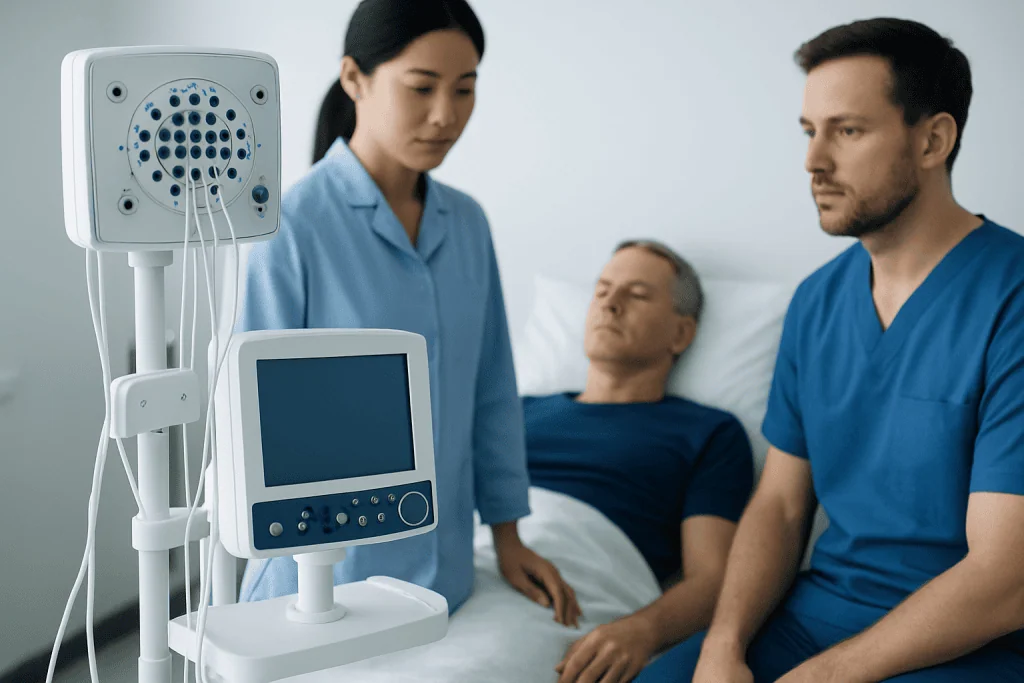
Video monitoring adds another layer of information. During video EEG, the person’s movements and behavior are recorded at the same time as the EEG. This allows specialists to compare what the body is doing with what the brain is doing in the exact same moment. If a shaking spell occurs without EEG evidence of a seizure, the event may be more consistent with tremor, another movement disorder, or a non-epileptic episode. If abnormal brain activity appears during the event, that strongly supports a seizure diagnosis.
Doctors are especially likely to recommend video monitoring when the diagnosis remains uncertain, when medications have not helped as expected, or when it is important to classify the event accurately before treatment decisions. In some situations, this assessment may be part of broader care in neurology evaluation or in planning treatment for suspected seizure disorders.
What to Expect During Testing
Before EEG, the scalp is prepared and electrodes are attached with adhesive or paste. The test is generally safe and comfortable. During a routine EEG, the person may be asked to relax, breathe deeply for a short time, or look at flashing lights. These steps can sometimes bring out patterns that help with diagnosis.
Video EEG monitoring may take place over several hours or several days, depending on how often events occur and what question the doctor is trying to answer. The goal is often to capture a typical episode. In hospital-based monitoring, staff can observe the event, keep the person safe, and review the recording in detail. If symptoms are infrequent, longer monitoring gives a better chance of seeing one.
Sometimes medications are adjusted only under medical supervision if doctors need to increase the likelihood of capturing an event. This is done carefully and only when appropriate. The interpretation of results depends not just on the EEG tracing, but also on the timing, the person’s symptoms, medical history, and the video record of the episode.
Additional tests may be used if needed. These can include blood tests, brain imaging such as MRI, or consultation with movement disorder specialists. If tremor seems more likely, the doctor may also evaluate for conditions such as Parkinson's disease or essential tremor.
Diagnosis and Treatment After Results
Once doctors have enough information, they can decide whether the episodes are due to tremor, seizure, or another condition. This distinction matters because treatment approaches differ. Tremor treatment depends on the type and severity of the tremor and may include lifestyle changes, medication review, physical strategies, or specialist therapies. Seizure treatment may involve anti-seizure medicines, identifying triggers, and sometimes further evaluation if seizures continue despite treatment.
If testing confirms seizures, the doctor will classify the seizure type and look for possible causes. This may include prior brain injury, genetic factors, infection, stroke, structural brain changes, or unknown causes. A tailored treatment plan may then be developed, and some people may need follow-up in specialized seizure clinics or, when appropriate, review for advanced epilepsy treatment options.
If testing does not show seizures, that result is still valuable. It can help avoid unnecessary anti-seizure medication and redirect care toward the true cause of symptoms. For example, the next steps may include movement disorder assessment, review of current medications, anxiety management, sleep evaluation, or treatment of an underlying metabolic or neurologic issue.
Self-Care, Safety, and When to See a Doctor
Anyone with unexplained shaking spells should keep a simple symptom record if possible. Useful details include what happened before the episode, how long it lasted, whether awareness changed, which body parts moved, and how the person felt afterward. Triggers such as sleep deprivation, stress, missed meals, alcohol, or new medications can also be important clues.
Safety matters while waiting for a diagnosis. If a person is having an active seizure-like episode, those nearby should focus on protecting them from injury, moving dangerous objects away, and seeking urgent help if the event is prolonged, repeats without recovery, or involves breathing difficulty. A person should not be restrained or have anything placed in the mouth during a seizure.
A medical review is advisable for new, recurrent, or unexplained episodes of shaking, staring, jerking, or altered awareness. Urgent care is especially important after a first suspected seizure, after head injury, during pregnancy, or when episodes happen with weakness, severe headache, fever, or confusion. Near the end of the diagnostic pathway, centers such as Acibadem International may provide coordinated assessment through multidisciplinary specialists and JCI-accredited hospitals for international patients who need neurophysiology and neurology care.
Frequently asked questions
Can a tremor be mistaken for a seizure?
Yes. Some tremors and seizure-related movements can look similar, especially when episodes are brief or unusual. That is why doctors may use EEG and video monitoring to match symptoms with brain activity.
What does an EEG show in suspected seizures?
An EEG records the brain's electrical patterns. It may show abnormal activity that supports a tendency toward seizures, especially if a typical event happens during the recording. A normal EEG does not always rule seizures out.
Why is video EEG more helpful than EEG alone in some cases?
Video EEG shows what the person is doing physically at the same time the EEG records brain activity. This helps doctors see whether visible shaking or other symptoms are linked to a seizure or to another cause, such as tremor.
Is EEG painful or dangerous?
EEG is generally painless and noninvasive. Electrodes are placed on the scalp to record activity, and the test does not send electricity into the brain. It is widely used in children and adults.
How long does video EEG monitoring take?
It depends on how often the episodes happen and what the doctor needs to learn. Some people need only a few hours of monitoring, while others may need longer observation over one or more days to capture a typical event.
If the test shows no seizure, does that mean nothing is wrong?
No. It may mean that the episode is due to another condition rather than epilepsy. The result still helps because it guides doctors toward the right diagnosis and avoids treatment that may not be appropriate.
References
- World Health Organization
- International League Against Epilepsy
- National Institute of Neurological Disorders and Stroke
- American Clinical Neurophysiology Society
- NHS
This article is for general information only and is not a substitute for professional medical advice. Please consult a qualified doctor about your individual situation.
Tremor in Turkey — costs, top hospitals & a free quote
JCI-accredited · board-certified surgeons · reply within 24h
Add us as a Preferred Source to see more of our trusted health content across Google Search, AI Overviews and Discover.

More from the Health Library



Related Specialists

Prof. Dr. Haluk Özkarakaş
Otorhinolaryngology
Dr. Deniz Usal
Gynecology & Obstetrics
Prof. Dr. Kaan Erler
Orthopedic Surgery & Traumatology
Prof. Dr. Ülkü Noyan
Oral & Dental Health