Trichiasis Treatment: How It Works, Results and What to Expect

Trichiasis occurs when eyelashes turn inward and touch the eye surface. Treatment helps relieve irritation and protects the cornea from scratches, infection and scarring.
Key Takeaways
- Trichiasis occurs when eyelashes turn inward and touch the eye surface.
- Treatment helps relieve irritation and protects the cornea from scratches, infection and scarring.
- Temporary epilation can help quickly, while electrolysis, cryotherapy, laser treatment or eyelid surgery may offer longer-lasting control.
- The best treatment depends on the number and location of affected lashes and the underlying eyelid condition.
- Persistent pain, light sensitivity, reduced vision or eye redness requires prompt assessment by an eye specialist.
Trichiasis treatment is designed to stop eyelashes from rubbing against the eye. Depending on how many lashes are involved and whether the condition returns, care may range from temporary eyelash removal to a procedure that permanently destroys or redirects the lash follicles.
Trichiasis Treatment: How It Works
Trichiasis treatment removes, destroys or redirects eyelashes that grow toward the eye rather than away from it. These lashes can rub against the cornea, the clear front surface of the eye, causing a gritty sensation, tearing, redness and discomfort. Treatment aims to restore comfort while preventing repeated corneal irritation and possible scarring.
Care is tailored to the individual. A single misdirected eyelash may be removed in the clinic, while recurrent trichiasis or several affected lashes may need a longer-lasting procedure. When the eyelid itself turns inward, known as entropion, correcting eyelid position can be the most effective solution.
Trichiasis can affect one or both eyes and may occur after eyelid inflammation, injury, infection, surgery or certain skin and autoimmune conditions. An ophthalmologist examines the lashes, eyelid margin and cornea before recommending treatment. Related eyelid conditions may also require assessment, including entropion.
Symptoms, Causes and Who May Benefit From Treatment
Common symptoms include a feeling that something is in the eye, frequent blinking, tearing, redness, irritation and sensitivity to light. Some people notice blurred vision, especially if a lash repeatedly scratches the cornea. Symptoms can vary because the lash may touch the eye only with certain eye movements or blinking.
Trichiasis can develop when the eyelid margin becomes scarred or inflamed. Causes include long-term blepharitis, previous eye infection, trauma, burns, eyelid surgery and age-related eyelid changes. In some cases, the cause is not clear. The condition should not be confused with distichiasis, in which an extra row of lashes grows from the eyelid margin.
People may be candidates for a permanent procedure when lashes repeatedly grow back after removal, several lashes are involved, or the cornea shows signs of ongoing damage. Treatment decisions also consider eyelid shape, skin condition, tear-film health and any underlying disease that needs separate management.
What Is the Best Treatment for Trichiasis?

There is no single best trichiasis treatment for everyone. The most appropriate option depends on whether one or many lashes are involved, whether the lashes recur, and whether an eyelid-position problem or scarring is present. The goal is to provide lasting relief while preserving healthy lashes and normal eyelid function.
For an isolated lash, an ophthalmologist may use forceps to remove it, a process called epilation. This can provide immediate relief but does not destroy the follicle, so the lash can regrow over several weeks. Lubricating eye drops or ointment may temporarily reduce friction, but they do not correct the direction of lash growth.
Recurrent individual lashes may be treated with electrolysis or radiofrequency, which uses controlled energy to destroy the lash follicle. Laser treatment can be considered in selected cases. Cryotherapy freezes follicles and may be useful for wider areas, although it can affect nearby tissues. If the problem results from entropion, eyelid surgery may be recommended to turn the lid outward and prevent lashes from contacting the eye.
- Epilation: quick, temporary removal of a small number of lashes.
- Electrolysis or radiofrequency: targeted treatment for recurring isolated lashes.
- Cryotherapy: treatment for a broader section of affected follicles.
- Eyelid surgery: correction for eyelid malposition, scarring or extensive recurrent trichiasis.
Candidacy and Step-by-Step of the Procedure
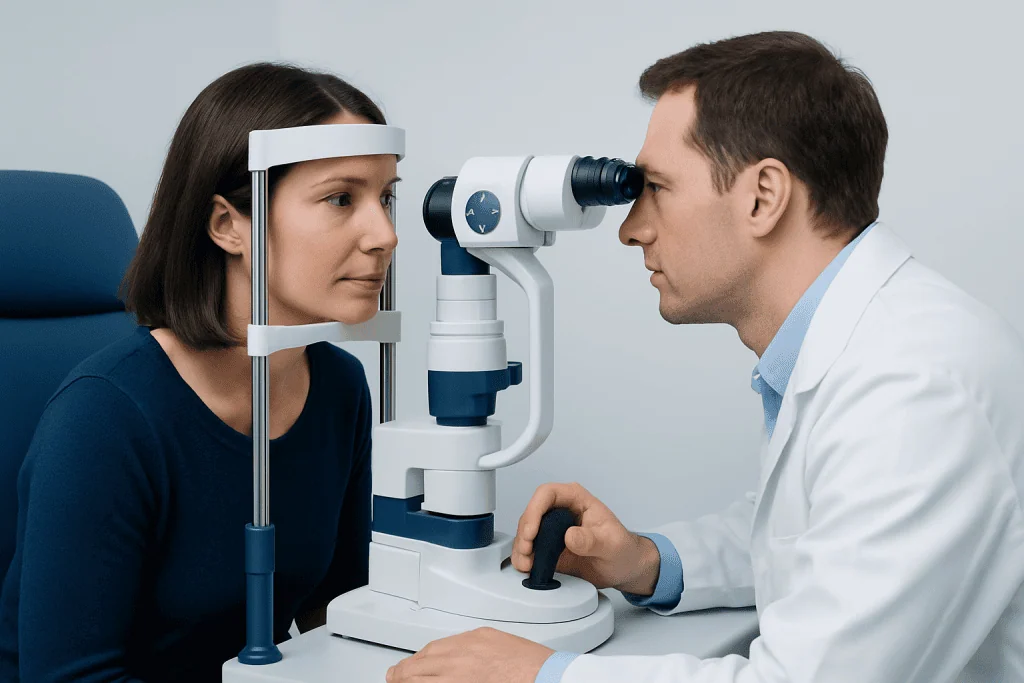
Before a procedure, the eye specialist asks about symptoms, eye injury, past operations, contact lens use, inflammatory disease and medications. The examination usually includes a close inspection of the eyelids and eyelashes with a slit lamp, along with assessment of the cornea for abrasions, ulcers or scarring. This helps determine whether a follicle-directed procedure or eyelid surgery is more suitable.
For epilation, numbing drops may be used and the clinician removes the inward-growing lash with sterile forceps. For electrolysis or radiofrequency, local anesthetic is applied or injected. A fine probe is placed into the lash follicle, controlled energy is delivered, and the lash is removed. More than one treatment session can sometimes be needed because follicles may remain active.
Cryotherapy and surgical eyelid correction are typically performed with local anesthesia, sometimes with sedation depending on the procedure and the person’s needs. In eyelid surgery, the surgeon adjusts tissues responsible for eyelid rotation or removes a small area of scarred tissue when appropriate. Oculoplastic surgery may be considered when trichiasis is linked to eyelid malposition or structural changes.
How Long Does Trichiasis Surgery Take?
The time needed depends on the treatment. Removing one or a few lashes usually takes only a few minutes during an office visit. Electrolysis or radiofrequency treatment may take longer when multiple follicles need treatment, but it is commonly completed as an outpatient procedure.
Surgery to correct entropion or more extensive eyelid scarring often takes around 30 to 60 minutes, although the exact duration varies with the technique and whether one or both eyelids are treated. Time at the clinic or hospital is longer because of preparation, anesthesia and recovery monitoring.
Most trichiasis procedures do not require an overnight stay. The ophthalmologist explains the expected procedure length, anesthesia plan and aftercare before treatment. People should arrange transport home if sedation is used or if vision may be temporarily blurred after the procedure.
Results, Recovery Timeline, Benefits and Risks
Relief from a scratchy or painful sensation can begin soon after the misdirected lashes are removed. If the cornea has been irritated, healing may take days to weeks depending on the extent of the injury and whether infection or inflammation is present. Follow-up appointments allow the ophthalmologist to check that the lashes are no longer touching the eye and that the cornea is recovering.
After follicle treatment or eyelid surgery, mild swelling, bruising, tenderness, tearing or temporary blurred vision can occur. Cold compresses, prescribed eye drops or ointment, and careful eyelid hygiene may be advised. People should avoid rubbing the eye and follow instructions about bathing, makeup, contact lenses and physical activity.
Benefits include reduced eye irritation, better protection of the cornea and a lower likelihood of complications from ongoing lash contact. Possible risks vary by procedure and include lash regrowth, under- or overcorrection, infection, scarring, pigment changes, eyelid contour changes, dry eye symptoms and rarely injury to the eye. Permanent techniques can remove normal nearby lashes as well as affected follicles, so careful planning is important.
Some people need repeat treatment, especially when scarring disease remains active or lashes regrow from incompletely treated follicles. Acibadem International’s multidisciplinary specialists and JCI-accredited hospitals assess eyelid and eye-surface concerns and provide individualized care for international patients.
Will Trichiasis Go Away on Its Own?
Trichiasis usually does not go away on its own. A lash may shed naturally over time, which can temporarily improve symptoms, but another lash may grow inward or the same follicle may produce a new misdirected lash. Waiting for the problem to resolve can leave the cornea exposed to repeated rubbing.
Temporary home measures, such as avoiding eye rubbing and using lubricating drops recommended by a clinician, may make symptoms more manageable while awaiting assessment. However, people should not attempt to pull lashes out with non-sterile tools or use adhesives or other products near the eye to change lash direction.
Early ophthalmology review is particularly important when symptoms recur or when there is a known eyelid condition. Treating the underlying cause, such as chronic eyelid inflammation or eyelid turning, can help reduce recurrence and preserve eye comfort.
What Autoimmune Diseases Cause Trichiasis and When to Seek Medical Care
Autoimmune and immune-mediated conditions can contribute to trichiasis when they cause chronic inflammation and scarring of the conjunctiva or eyelid margin. A key example is ocular cicatricial pemphigoid, also called mucous membrane pemphigoid, which can scar the inner eyelid and alter lash direction. Stevens-Johnson syndrome is not usually classified as an autoimmune disease, but it can also lead to severe eye-surface scarring and trichiasis after an acute illness.
Other inflammatory disorders may affect the eyelids or eye surface and should be assessed in context. An ophthalmologist may work with dermatology, rheumatology or other specialists if there are signs of scarring, mouth sores, skin blisters or inflammation in other parts of the body. Treating the systemic condition may be important alongside lash management.
Medical care should be sought promptly for eye pain, worsening redness, light sensitivity, discharge, a change in vision, inability to keep the eye open, or a visible white or cloudy area on the cornea. These symptoms can indicate corneal injury or infection. A routine eye appointment is appropriate for recurrent lash irritation, tearing or the sensation of a lash persistently touching the eye.
Frequently asked questions
How long does trichiasis surgery take?
Simple eyelash removal often takes only a few minutes. Follicle treatments such as electrolysis may take longer depending on the number of lashes, while eyelid surgery commonly takes about 30 to 60 minutes. Preparation and recovery time mean the overall visit is usually longer than the procedure itself.
What is the best treatment for trichiasis?
The best treatment depends on the cause and extent of the problem. Epilation may be suitable for one isolated lash, while electrolysis, radiofrequency, laser treatment or cryotherapy can offer more lasting treatment for recurrent lashes. Eyelid surgery may be most appropriate if entropion or eyelid scarring causes the lashes to turn inward.
Will trichiasis go away on its own?
Trichiasis usually does not resolve permanently without treatment. An affected lash may fall out naturally, but it can regrow or another lash may turn inward. An eye specialist can remove the lash safely and recommend treatment that lowers the chance of recurrence.
What autoimmune diseases cause trichiasis?
Ocular cicatricial pemphigoid, also called mucous membrane pemphigoid, is an important immune-mediated cause because it can scar the eyelids and conjunctiva. Other severe inflammatory or scarring conditions may also alter eyelid structure. Assessment is important when trichiasis occurs with persistent redness, scarring, oral sores or skin blistering.
Is trichiasis treatment painful?
Most treatments are performed with numbing eye drops or local anesthetic to reduce discomfort. People may feel pressure, brief stinging or mild tenderness afterward, depending on the procedure. The care team can explain the anesthesia approach and provide aftercare guidance.
Can trichiasis damage vision?
It can damage vision if lashes repeatedly scratch the cornea and cause abrasions, ulcers, infection or scarring. Prompt treatment helps protect the eye surface. New blurred vision, significant pain or light sensitivity should be assessed urgently.
References
- American Academy of Ophthalmology
- National Eye Institute
- Mayo Clinic
- Merck Manual Consumer Version
- Orphanet
This article is for general information only and is not a substitute for professional medical advice. Please consult a qualified doctor about your individual situation.
Hair transplant in Turkey — costs, graft counts & a free assessment
JCI-accredited · board-certified surgeons · reply within 24h
Add us as a Preferred Source to see more of our trusted health content across Google Search, AI Overviews and Discover.

More from the Health Library



Related Specialists

Dr. Ayten Güner Akbıyık
Thoracic Surgery
Prof. Dr. Erkan Vardareli
Nuclear Medicine
Dr. Asmar Hasanova
Gynecology & Obstetrics
Prof. Dr. Mustafa Hakan Dinçkal
Cardiology