

Tuberculosis: Persistent Cough, Testing, and Treatment Duration

A cough lasting more than two to three weeks, especially with fever, night sweats, weight loss, or coughing blood, should be checked by a doctor. Tuberculosis spreads through the air when a person with active lung or throat TB coughs, speaks, or sneezes; it does not spread through casual touch or shared utensils.
Key Takeaways
- A cough lasting more than two to three weeks, especially with fever, night sweats, weight loss, or coughing blood, should be checked by a doctor.
- Tuberculosis spreads through the air when a person with active lung or throat TB coughs, speaks, or sneezes; it does not spread through casual touch or shared utensils.
- TB testing may include a skin or blood test, chest imaging, and sputum tests to confirm active disease and check for drug resistance.
- Drug-susceptible active TB is commonly treated for about six months, while latent TB and drug-resistant TB require different treatment durations.
- Symptoms often improve before treatment is finished, but stopping medicines early can lead to relapse and drug resistance.
- People with possible TB symptoms or exposure should seek medical advice promptly, especially if they have a weakened immune system.
Tuberculosis is a treatable bacterial infection that most often affects the lungs and may cause a cough that does not go away. Early testing, the right combination of medicines, and completing the full treatment course are key to recovery and preventing spread.
Overview
Tuberculosis, often called TB, is an infectious disease caused by the bacterium Mycobacterium tuberculosis. It most commonly affects the lungs, but it can also involve lymph nodes, bones, kidneys, the brain, or other parts of the body. Lung TB is the form most likely to spread from person to person through tiny airborne droplets.
TB can be active or latent. Active TB means the bacteria are multiplying and causing illness, and a person with active TB in the lungs or throat may be contagious. Latent TB means the bacteria are present in the body but inactive; the person usually feels well, has no symptoms, and cannot spread TB, although latent TB can become active later.
TB is a serious condition, but it is also well understood and treatable. The most important steps are recognizing persistent symptoms, confirming the diagnosis with appropriate tests, and completing the full treatment plan prescribed by a qualified healthcare professional.
Symptoms: Why a Persistent Cough Matters
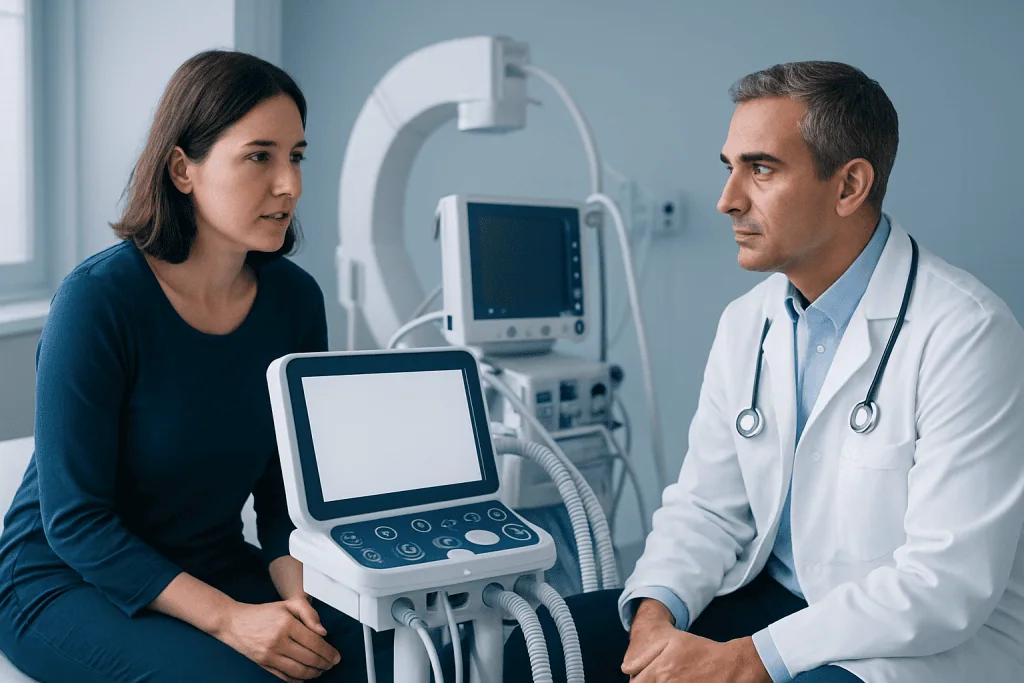
A cough that lasts more than two to three weeks is one of the most important symptoms of pulmonary tuberculosis. The cough may start mildly and gradually become more noticeable. Some people produce mucus or phlegm, and a smaller number may cough up blood or blood-streaked sputum.
Other common symptoms include fever, night sweats, tiredness, loss of appetite, unintentional weight loss, chest pain, and shortness of breath. Symptoms can develop slowly, which is why some people delay seeking care. A person may continue daily activities while feeling generally unwell for weeks or longer.
TB outside the lungs may cause symptoms related to the affected organ. For example, TB in lymph nodes can cause swelling in the neck, while TB affecting the spine may cause back pain. Because these symptoms can overlap with many other conditions, medical testing is needed to determine whether TB is present.
Causes, Spread, and Risk Factors

TB spreads through the air when a person with active TB disease in the lungs or throat coughs, sneezes, speaks, or sings. People nearby may breathe in the bacteria. TB is not spread by shaking hands, sharing food, touching clothing, or using the same toilet seat.
Transmission is more likely with close, repeated, or prolonged contact, especially in poorly ventilated spaces. Household members, close coworkers, and people living or working in crowded settings may have higher exposure risk. Good ventilation, respiratory hygiene, and timely treatment reduce the chance of spread.
Some people have a higher chance of developing active TB after exposure or latent infection. Risk factors include a weakened immune system, HIV infection, diabetes, chronic kidney disease, certain cancer treatments, organ transplantation medicines, long-term corticosteroid or biologic therapy, malnutrition, smoking, substance use, and very young or older age. People who have lived in or traveled for extended periods in areas where TB is more common may also need testing depending on exposure history.
Testing and Diagnosis
Diagnosis begins with a medical history and physical examination. A doctor will ask about cough duration, fever, night sweats, weight changes, possible exposure to TB, previous TB treatment, travel, and immune system conditions. If lung TB is suspected, a chest X-ray or other imaging test may be used to look for patterns consistent with TB, although imaging alone cannot confirm the diagnosis.
Two tests are commonly used to detect TB infection: the tuberculin skin test and interferon-gamma release assay blood tests. These tests can show whether the immune system has reacted to TB bacteria, but they do not by themselves prove that a person has active TB disease. A positive result usually requires further evaluation.
To confirm active pulmonary TB, sputum samples are collected and tested. Laboratory methods may include smear microscopy, culture, and molecular tests such as nucleic acid amplification tests. Culture can identify the bacteria and allows drug susceptibility testing, which helps doctors choose medicines that are likely to work.
For suspected TB outside the lungs, diagnosis may involve sampling fluid or tissue from the affected area, such as lymph node biopsy, spinal fluid testing, or urine testing depending on symptoms. Because TB treatment is long and uses multiple medicines, accurate diagnosis and assessment for drug resistance are important before and during treatment.
Treatment Options and Treatment Duration
TB treatment uses a combination of antibiotics because TB bacteria grow slowly and can develop resistance if only one medicine is used. For drug-susceptible active pulmonary TB, treatment commonly lasts about six months. It usually includes an initial phase with several medicines followed by a continuation phase with fewer medicines, but the exact regimen depends on national guidelines, test results, drug interactions, pregnancy status, liver health, and other individual factors.
Symptoms often begin to improve within weeks after effective treatment starts, and contagiousness usually decreases with appropriate therapy. However, feeling better does not mean the bacteria are fully cleared. Completing the full course is essential to prevent relapse, ongoing transmission, and drug-resistant TB.
Latent TB infection is treated differently because the goal is to prevent future active disease. Several preventive treatment options exist, and duration can range from shorter combination regimens to longer single-medicine regimens depending on the person and local guidance. Drug-resistant TB requires specialized care and may involve different medicines and a longer treatment duration.
TB medicines can cause side effects, and monitoring is part of safe care. Patients should promptly report symptoms such as yellowing of the skin or eyes, severe nausea, dark urine, vision changes, rash, numbness or tingling, or unusual bruising. Doctors may order blood tests or adjust treatment if needed, but patients should not stop TB medicines without medical advice.
Adherence, Follow-Up, and Protecting Others
Taking TB medicines exactly as prescribed is one of the most important parts of treatment. Missed doses can allow bacteria to survive and may increase the risk of drug resistance. Some programs use directly observed therapy or digital adherence support, where a healthcare worker or approved system helps the patient complete treatment safely and consistently.
Follow-up visits allow the care team to check symptoms, review side effects, monitor laboratory results, and confirm that treatment is working. Repeat sputum testing may be needed for people with pulmonary TB. If test results show drug resistance or symptoms do not improve as expected, the treatment plan may be reassessed.
During the early contagious period, a doctor or public health team may advise staying home, wearing a mask, improving ventilation, and avoiding close contact with vulnerable people. These precautions are usually temporary and are guided by clinical response and test results. Close contacts may be offered TB testing and preventive treatment when appropriate.
Prevention and Self-Care
TB prevention includes early diagnosis, complete treatment, contact tracing, and preventive therapy for selected people with latent infection. In some countries, the BCG vaccine is used to help protect infants and young children from severe forms of TB. BCG policies vary by region and individual risk.
People can support recovery by resting as needed, eating a balanced diet, avoiding smoking, limiting or avoiding alcohol as advised, and telling the care team about all medicines and supplements they take. Alcohol and some medicines can increase the risk of liver side effects during TB treatment, so honest communication with the doctor is important.
Practical steps can also reduce spread at home when advised by a clinician: open windows when possible, spend time in well-ventilated areas, cover coughs, dispose of tissues safely, and use masks as recommended. Family members and close contacts should follow testing advice even if they feel well.
When to See a Doctor
A person should seek medical evaluation if they have a cough lasting more than two to three weeks, coughing blood, unexplained fever, night sweats, weight loss, chest pain, or shortness of breath. Medical advice is also important after close contact with someone diagnosed with active TB, even if no symptoms are present.
People with HIV, diabetes, kidney disease, cancer treatment, organ transplant medicines, or other causes of reduced immunity should contact a healthcare professional promptly after possible TB exposure or if symptoms develop. Children, older adults, and pregnant people also need timely assessment because care plans may require special considerations.
TB is treatable, and many people recover well with proper care and follow-up. Acibadem International’s multidisciplinary specialists and JCI-accredited hospitals diagnose and treat tuberculosis for international patients, including evaluation of persistent cough, TB testing, and individualized treatment planning.
Frequently asked questions
How long does a TB cough usually last?
A cough from active lung tuberculosis often lasts more than two to three weeks and may gradually worsen. It can be dry at first or produce phlegm, and some people may notice blood. Any persistent cough should be evaluated, especially when accompanied by fever, night sweats, or weight loss.
Can tuberculosis be cured?
Yes, most tuberculosis can be cured with the correct combination of antibiotics taken for the full prescribed duration. Treatment success depends on using medicines that match the bacteria’s drug susceptibility and taking them consistently. Follow-up appointments help ensure the infection is responding and side effects are managed.
How long is tuberculosis treatment?
Drug-susceptible active pulmonary TB is commonly treated for about six months. Latent TB infection may be treated with shorter or longer preventive regimens depending on the medicines used. Drug-resistant TB usually requires specialist treatment and may take longer.
Is latent TB contagious?
No, latent TB is not contagious. People with latent TB have TB bacteria in the body, but the bacteria are inactive and do not cause symptoms. Treatment may still be recommended to reduce the risk of latent TB becoming active later.
What tests confirm active TB?
Active lung TB is usually confirmed by testing sputum for TB bacteria using molecular tests, microscopy, and culture. A chest X-ray can support the diagnosis but cannot confirm TB by itself. Drug susceptibility testing helps guide the most effective treatment.
When does a person with TB stop being contagious?
Contagiousness usually decreases after effective treatment has started and the person is clinically improving, but the exact timing varies. Doctors may use symptoms, sputum test results, and treatment response to decide when isolation precautions can end. Patients should follow their healthcare team’s instructions until cleared.
References
- World Health Organization
- Centers for Disease Control and Prevention
- European Centre for Disease Prevention and Control
- National Institute for Health and Care Excellence
- American Thoracic Society
This article is for general information only and is not a substitute for professional medical advice. Please consult a qualified doctor about your individual situation.
Tuberculosis in Turkey — costs, top hospitals & a free quote
JCI-accredited · board-certified surgeons · reply within 24h
Add us as a Preferred Source to see more of our trusted health content across Google Search, AI Overviews and Discover.

Infectious Diseases Department
22 specialists in this unitMore from the Health Library



Related Specialists

Beyza Nur Gündüz
Physical Medicine & Rehabilitation
Prof. Dr. Murat Saruç
Gastroenterology
Dr. Filiz Candan Topuz
Gynecology & Obstetrics
Dr. Habibe Seyisoğlu
Gynecology & Obstetrics