Turkey teeth Risks & Side Effects Explained by Surgeons

“Turkey teeth” is an informal term that may refer to veneers, crowns, bonding, implants, or several treatments performed together. Crowns and veneers should be based on a clinical examination, dental imaging, bite assessment, and a discussion of alternatives.
Key Takeaways
- “Turkey teeth” is an informal term that may refer to veneers, crowns, bonding, implants, or several treatments performed together.
- Crowns and veneers should be based on a clinical examination, dental imaging, bite assessment, and a discussion of alternatives.
- Removing too much healthy enamel or placing poorly fitting restorations can increase the risk of sensitivity, decay, gum inflammation, and nerve complications.
- Cosmetic dental work requires long-term maintenance; crowns and veneers are not lifetime devices and may eventually need repair or replacement.
- Severe pain, facial swelling, fever, difficulty swallowing, or uncontrolled bleeding requires prompt medical or dental assessment.
Turkey teeth risks depend less on the country and more on the treatment plan, the health of the teeth and gums, the clinician’s qualifications, laboratory quality, and reliable follow-up care. Veneers and crowns can improve appearance and function when appropriately planned, but they are irreversible for many patients and may cause sensitivity, gum problems, restoration failure, or damage to the tooth nerve.
Turkey Teeth Risks: What Patients Should Know First
Turkey teeth risks can include tooth sensitivity, gum irritation, bite problems, decay around restoration edges, fractures, and, less commonly, injury to the tooth nerve requiring root canal treatment. These risks are not unique to treatment in Turkey: they can occur wherever cosmetic dentistry is performed without an individualised assessment, careful tooth preparation, high-quality materials, and appropriate aftercare.
“Turkey teeth” is a non-medical phrase commonly used online to describe a dramatic cosmetic smile change. It may involve porcelain veneers, crowns, composite bonding, implants, whitening, gum contouring, or a combination of procedures. Because these treatments differ substantially, a patient should know exactly what is being proposed before agreeing to treatment.
The most important safety step is choosing the least invasive option that can realistically meet the person’s oral-health and cosmetic goals. A natural-looking result should also support comfortable chewing, speech, gum health, and a stable bite. For a fuller overview of treatment planning, patients can review Turkey teeth treatment options.
How Cosmetic Veneers and Crowns Work
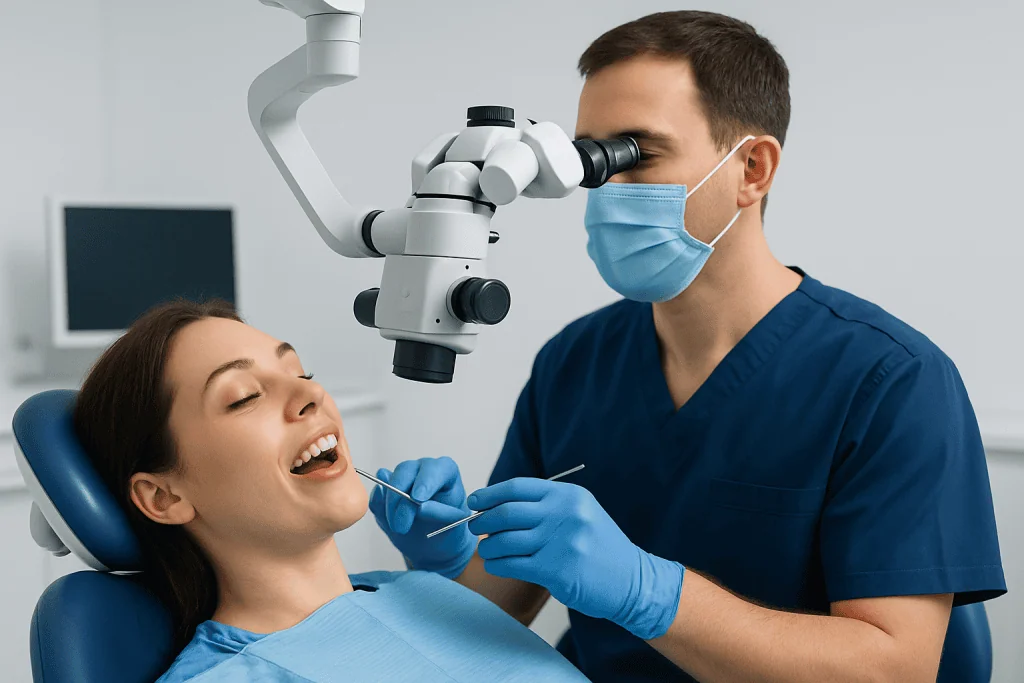
Veneers are thin shells, often made from porcelain or composite resin, bonded to the front surfaces of selected teeth. They may help improve the appearance of minor chips, spaces, uneven shape, discoloration that does not respond to whitening, or mild alignment concerns. Some veneer designs require little or no enamel removal, while others require preparation of the tooth surface.
Crowns cover the entire visible part of a tooth above the gumline. They are generally used when a tooth is significantly weakened by extensive decay, a large filling, fracture, wear, or previous root canal treatment. For a crown to fit, the tooth is usually reduced around all sides; this is more invasive than a conventional veneer and permanently changes the tooth.
Neither option should be viewed as a routine solution for healthy teeth. Orthodontic treatment, professional whitening, bonding, enamel reshaping, or periodontal care may sometimes address the concern while preserving more natural tooth structure. A clinician should explain why a crown, veneer, or another approach is medically and aesthetically appropriate.
Who May Be a Suitable Candidate?

Suitable candidates generally have stable oral health, realistic expectations, and sufficient healthy tooth structure for the proposed restoration. Before cosmetic work begins, active tooth decay, gum disease, untreated infection, and poorly controlled medical conditions should be assessed and managed. Healthy gums are especially important because inflammation can affect appearance, comfort, and the fit of restoration margins.
People who clench or grind their teeth may still be candidates, but they need an individual risk assessment. Bruxism can chip porcelain, loosen restorations, and overload teeth or implants. A protective night guard, bite adjustment, or treatment for jaw symptoms may be recommended as part of a longer-term plan.
Patients may need a different approach if they have severe enamel erosion, widespread tooth wear, unstable bite relationships, untreated periodontal disease, limited mouth opening, or very high expectations for a completely uniform result. Children and adolescents are usually not candidates for irreversible cosmetic tooth preparation because their teeth and jaws are still developing.
A responsible consultation should include discussion of permanence. Once enamel has been reduced for many veneers or crowns, the tooth will usually require ongoing restoration throughout life, even if the original crown or veneer is later replaced.
What Happens During the Procedure?
Safe cosmetic dentistry begins with diagnosis rather than immediate preparation. The dentist should take a medical and dental history, examine the teeth and gums, evaluate the bite and jaw function, and use appropriate photographs, scans, impressions, or X-rays. Digital planning or a diagnostic mock-up may help patients understand proposed shape, length, colour, and bite changes before treatment is irreversible.
If crowns or conventional veneers are planned, local anaesthetic may be used before the tooth is prepared. The dentist removes only the amount of tooth material needed for the selected restoration, takes a precise scan or impression, and places a temporary restoration when necessary. A dental laboratory then fabricates the final restoration, which is checked for fit, appearance, contact points, and bite before bonding or cementation.
Some patients are offered treatment for many teeth during a short visit. This can be appropriate in selected cases, but speed should not replace careful diagnosis. Complex cases may require staged treatment, time for gum healing, bite assessment with temporary restorations, or coordination with orthodontic, periodontal, endodontic, or restorative specialists.
- Ask whether the plan involves veneers, crowns, bonding, implants, or a combination.
- Ask how much healthy tooth structure will be removed and whether alternatives are available.
- Request a written treatment plan, including materials, aftercare needs, and likely future maintenance.
- Ensure there is a clear plan for review appointments and management of complications after travel.
Possible Side Effects and Complications
Temporary sensitivity to cold, heat, pressure, or air can occur after tooth preparation and often settles as the tooth adapts. However, persistent or worsening sensitivity may indicate that the tooth nerve is inflamed, that the bite is too high, or that another problem needs assessment. In some cases, a severely irritated or damaged nerve may require root canal treatment before the crown can remain in place.
Poorly fitting restorations can trap plaque at their edges, irritate the gums, create food traps, or make flossing difficult. Over time, this may contribute to gum inflammation, bad breath, recurrent decay, or periodontal disease. A restoration that is too bulky or has an unsuitable edge can also affect speech, lip support, or the natural appearance of the smile.
Other risks include cracking or chipping of porcelain or composite, loosening of a restoration, colour mismatch, and an uncomfortable bite. Bite changes can make chewing difficult and may contribute to jaw muscle discomfort in some people. Crowns and veneers can also fail after trauma or repeated grinding and may need repair or replacement.
More serious complications are uncommon but possible. Infection can develop if decay, gum disease, or nerve disease is missed or inadequately treated before the cosmetic procedure. Very aggressive preparation of healthy teeth increases the chance of long-term sensitivity and may reduce the amount of tooth structure available for future restorations. An honest treatment discussion should acknowledge these possibilities without assuming they will occur.
Recovery, Aftercare and Long-Term Maintenance
Many people can return to normal daily activities soon after veneers or crowns are fitted, although mild gum tenderness or sensitivity may occur for several days. Temporary restorations can feel different from final restorations and may require softer foods or extra care. Once permanent restorations are placed, the bite should feel balanced; persistent discomfort should be reported rather than tolerated.
Good home care protects both natural teeth and restorations. This includes brushing twice daily with fluoride toothpaste, cleaning between teeth every day, attending regular dental checks, and following advice on cleaning around restoration margins. Avoiding chewing hard objects such as ice, pens, or hard sweets may lower the chance of chipping or fracture.
Patients who clench or grind may be advised to wear a custom night guard. Smoking and frequent consumption of sugary or acidic drinks can increase risks to gums and natural tooth structure around restorations. Crowns and veneers do not decay themselves, but the natural tooth at their edges remains vulnerable to decay.
A patient travelling for care should arrange follow-up with a local dentist before returning home and should keep copies of X-rays, treatment records, material details, and information about temporary or permanent cementation. Acibadem International’s multidisciplinary specialists and JCI-accredited hospitals assess and treat dental concerns for international patients, including planning for appropriate continuity of care.
When to Seek Medical Care
Contact a dentist promptly if there is persistent pain, worsening sensitivity, pain when biting, a loose crown or veneer, a cracked restoration, gum bleeding that does not improve, or food repeatedly catching around a treated tooth. Early review may allow a simple adjustment or repair before a larger problem develops.
Urgent dental or medical assessment is needed for facial swelling, fever, pus or a bad taste with swelling, difficulty opening the mouth, trouble swallowing, difficulty breathing, or rapidly increasing pain. These symptoms can suggest an infection that should not be managed with home remedies alone.
Patients with jaw pain, headaches, clicking, or a feeling that the teeth no longer meet properly should also arrange a review. Bite problems are often treatable, but delaying assessment may place unnecessary strain on teeth, restorations, and jaw muscles. Where gum disease is suspected, timely evaluation is important; see gum disease for more information on symptoms and care.
Frequently asked questions
Are Turkey teeth dangerous?
Cosmetic dental treatment is not automatically dangerous because it is performed in Turkey. Risk is influenced by diagnosis, the amount of tooth preparation, dentist and laboratory standards, infection control, material selection, bite planning, and access to follow-up care. Patients should be cautious of plans that recommend extensive irreversible treatment without a full oral-health assessment.
Do veneers ruin natural teeth?
Veneers do not necessarily ruin teeth, but conventional veneers often require some enamel removal. This change is irreversible, and the tooth may need a veneer or another restoration in the future. Minimal-preparation options may be possible for some people, but they are not suitable for every tooth or cosmetic concern.
What are the risks of getting crowns on healthy teeth?
A crown requires significant shaping of the tooth, which can increase the risk of sensitivity, nerve irritation, fracture, and future need for root canal treatment. It may also make future repair more complex if the crown fails or decay develops around its edge. For healthy teeth, less invasive options should be discussed before crowns are considered.
How long do veneers and crowns last?
Their lifespan varies according to the material, bite forces, oral hygiene, grinding habits, diet, and quality of fitting. They are not permanent lifetime devices and may eventually need repair or replacement. Regular dental review helps identify wear, gum changes, and decay around restoration margins early.
Can veneers or crowns cause bad breath?
A well-fitting restoration should not normally cause bad breath. Bad breath may occur when plaque accumulates around poorly fitting edges, gums are inflamed, food becomes trapped, or there is untreated decay or infection. A dentist should assess persistent bad breath after cosmetic dental work.
What should a patient ask before travelling for cosmetic dental treatment?
Patients should ask for a clear diagnosis, a written treatment plan, the names of proposed materials, alternatives that preserve tooth structure, expected maintenance, and a plan for complications after returning home. It is also helpful to ask whether X-rays, bite assessment, gum evaluation, temporary restorations, and review appointments are included. A patient should never feel pressured to proceed before understanding the irreversible aspects of treatment.
References
- American Dental Association
- British Dental Association
- National Health Service
- European Federation of Periodontology
- FDI World Dental Federation
This article is for general information only and is not a substitute for professional medical advice. Please consult a qualified doctor about your individual situation.
Joint and spine care in Turkey — expert assessment & treatment
JCI-accredited · board-certified surgeons · reply within 24h
Add us as a Preferred Source to see more of our trusted health content across Google Search, AI Overviews and Discover.