Turkey teeth vs Uk dental treatment: Which Is Right for You?

“Turkey teeth” is an informal term and may describe veneers, crowns, implants or other cosmetic dental procedures rather than one standard treatment. The safest option is the one based on a thorough examination, conservative planning and clear arrangements for maintenance and complications.
Key Takeaways
- “Turkey teeth” is an informal term and may describe veneers, crowns, implants or other cosmetic dental procedures rather than one standard treatment.
- The safest option is the one based on a thorough examination, conservative planning and clear arrangements for maintenance and complications.
- Veneers and crowns serve different purposes; crowns usually require more tooth preparation and may be needed when a tooth is substantially weakened.
- Travelling for dental treatment can make follow-up more complex, particularly if symptoms develop after returning home.
- Patients should ask for a written plan explaining alternatives, tooth preparation, materials, expected longevity, risks and aftercare responsibilities.
Turkey teeth vs UK dental treatment is best decided by the proposed diagnosis, the amount of healthy tooth structure involved, clinician qualifications, materials, aftercare and the ability to access follow-up—not by destination alone. A careful, personalised treatment plan can help a person protect oral health while working toward their cosmetic or restorative goals.
Turkey Teeth vs UK Dental Treatment: the practical answer
Turkey teeth vs UK dental treatment is not a simple comparison of one procedure or one standard of care. “Turkey teeth” is an informal phrase often used online for cosmetic dentistry received in Turkey, especially veneers or crowns, but it may also refer to implants, whitening, orthodontic treatment or full-mouth rehabilitation. The right choice depends on whether treatment is clinically appropriate, how much natural tooth needs to be altered, and whether dependable long-term care is available.
A person may reasonably choose treatment in either country when it is delivered by appropriately qualified dental professionals following a full assessment and an individual treatment plan. Before deciding, it is important to compare the proposed treatment itself—not simply the destination—along with diagnostic standards, clinician communication, infection control, laboratory quality, realistic outcomes and follow-up arrangements.
For an overview of cosmetic dental planning and commonly used options, readers can explore Turkey teeth treatment. This comparison focuses on the questions that help patients make a careful, health-centred decision.
What procedures may be meant by “Turkey teeth”?
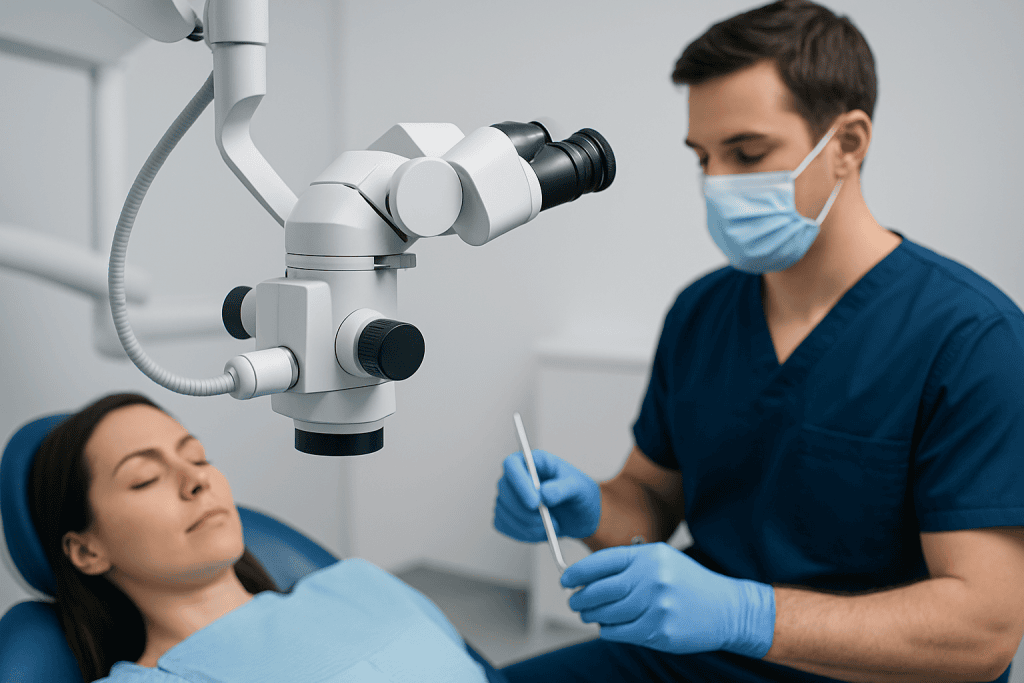
The phrase can be misleading because it does not identify a specific dental diagnosis or procedure. In some cases, it describes porcelain or composite veneers placed over the front surfaces of teeth to improve colour, shape, minor spacing or small chips. In others, it refers to dental crowns, which cover the whole visible part of a tooth and are commonly used to restore teeth that are heavily filled, cracked, worn or weakened after root canal treatment.
Some people travel for more extensive care, such as bridges, dental implants, gum treatment or bite rehabilitation. These treatments have very different timelines and biological requirements. For example, implants need careful assessment of bone, gum health and medical history, and healing may take months before a final restoration is placed.
Cosmetic improvement should not replace diagnosis. A responsible clinician first checks for decay, gum disease, cracked teeth, bite problems, jaw symptoms and habits such as clenching or grinding. Treating these issues before cosmetic work may reduce the risk of discomfort, restoration damage and avoidable loss of tooth structure.
- Veneers: thin coverings designed mainly for aesthetic changes to visible teeth.
- Crowns: full-coverage restorations used when a tooth needs more substantial protection or rebuilding.
- Implants: replacement tooth roots for selected cases of missing teeth.
- Orthodontics: tooth movement that may reduce the need for extensive cosmetic reshaping in some patients.
Candidacy and how dentists plan treatment
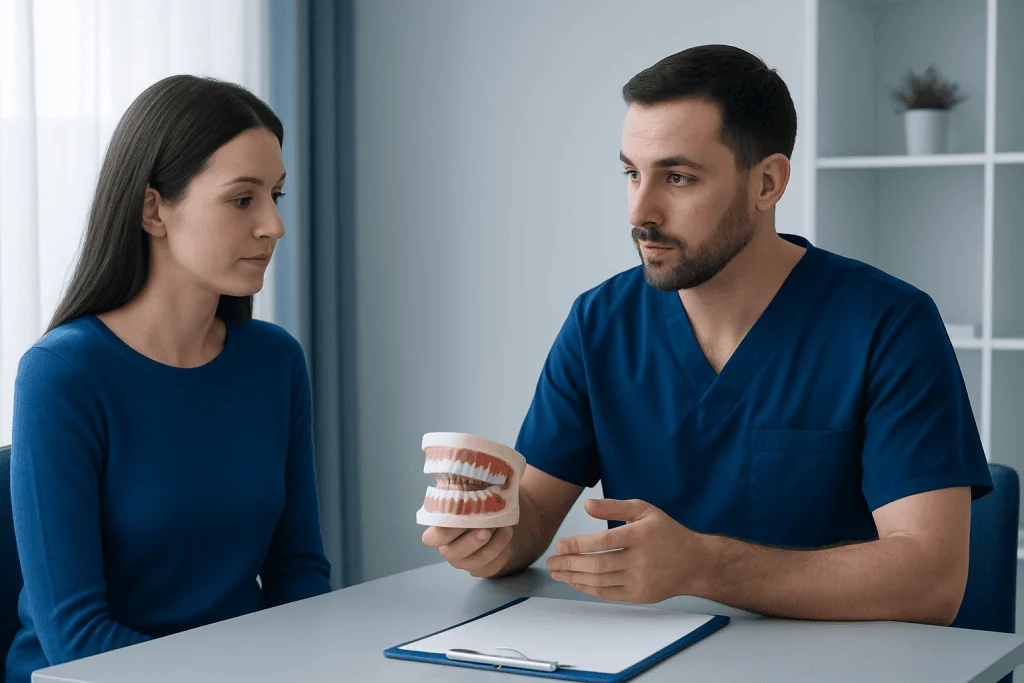
Good candidates for elective cosmetic dentistry generally have stable oral health, realistic expectations and a clear understanding that restorations need maintenance or eventual replacement. Healthy gums, controlled decay and an appropriately stable bite are particularly important. A person with active gum disease, untreated infection, significant grinding, poorly controlled diabetes or heavy tobacco use may need additional care before cosmetic treatment is considered.
Planning should begin with a consultation, dental examination and appropriate imaging. Dentists may take photographs, digital scans, impressions and X-rays to assess tooth roots, bone levels, fillings, decay and the relationship between upper and lower teeth. In more complex cases, a diagnostic wax-up or digital smile design can help show the proposed shape and position of restorations before irreversible preparation begins.
For patients considering UK dental treatment, a local consultation can also provide an independent second opinion on diagnosis and alternatives. For those considering treatment abroad, it is sensible to request records in advance, understand who will perform each part of care and confirm whether an in-person assessment will occur before teeth are prepared.
Conservative alternatives may be appropriate for some people. These can include hygiene treatment, whitening, composite bonding, orthodontics, replacement of old restorations or targeted crowns for damaged teeth. No cosmetic procedure is automatically the best choice for every smile.
How veneers and crowns are placed: step by step
Although details differ between clinics and materials, treatment should follow a structured clinical process. First, the dentist confirms the diagnosis, discusses goals and explains reasonable alternatives. The patient should have time to consider the plan, including whether veneers, crowns, orthodontics or no treatment best meets their needs.
If veneers or crowns are chosen, the teeth may be prepared by removing a controlled amount of enamel or tooth structure. The amount varies: some veneer designs need minimal preparation, while crowns usually require more reduction to create enough room for a durable restoration. Local anaesthetic may be used. Digital scans or impressions are then sent to a dental laboratory or used for digitally manufactured restorations.
Temporary restorations may protect prepared teeth while permanent work is made. At the fitting visit, the dentist checks the colour, shape, margins and bite before bonding or cementing the final restoration. Bite adjustment can be important, as excessive pressure may contribute to chips, loosening or discomfort.
When care is organised across countries, the patient should clarify how many visits are required, whether temporary work will be used and how long laboratory stages take. A rushed schedule may not allow enough time for gum healing, bite review or modifications before travel home.
Benefits, limitations and possible risks
Well-planned dental treatment can improve tooth function, appearance and confidence. Crowns can help restore structurally compromised teeth, while veneers may improve selected cosmetic concerns with less alteration than full crowns. The expected benefit depends on healthy supporting tissues, careful design, high-quality materials and daily oral hygiene.
However, veneers and crowns are not lifetime treatments. They can stain at their edges, chip, wear, loosen or need replacement over time. Once a tooth has been substantially prepared for a crown or veneer, it will usually require a restoration in the future. Patients should understand this long-term commitment before beginning elective treatment.
Possible complications include temporary sensitivity, gum irritation, an uncomfortable bite, fracture of a restoration, decay at a restoration edge and inflammation of the dental pulp. In some cases, a tooth may later need root canal treatment or a new crown. Risks can be higher when several teeth are treated without adequate assessment of gum health, bite forces or existing dental disease.
Travel can add practical considerations. If a restoration breaks, a temporary comes loose or pain develops after returning home, local assessment may be needed. It is helpful to have copies of X-rays, treatment notes, laboratory information and a written plan for who will provide follow-up care.
Recovery, aftercare and long-term maintenance
Recovery after veneers or crowns is often straightforward, but it varies according to the number of teeth treated and the extent of preparation. Mild sensitivity to temperature or pressure can occur for a short period after treatment. Gums may also feel tender, especially if they have been shaped or have been irritated during the procedure.
Patients are usually advised to keep brushing twice daily with fluoride toothpaste, clean between teeth daily and attend regular dental examinations and hygiene visits. Avoiding biting hard objects, opening packaging with teeth and chewing ice may help protect restorations. A clinician may recommend a protective night guard for a person who grinds or clenches their teeth.
Immediately after placement, patients should follow the dentist’s guidance about eating, numbness and temporary restorations. A bite that feels uneven, persistent sensitivity, pain when chewing, swelling or a loose restoration should be reviewed rather than ignored. Early adjustments can sometimes prevent further problems.
Before travelling home after treatment abroad, patients should allow sufficient time for a review appointment where possible. They should leave with copies of relevant records and clear instructions about maintenance, emergency contacts and whether follow-up is expected locally or remotely.
How to compare Turkey and UK dental care safely
Rather than assuming one country is better, patients can use the same safety questions for every clinic. They should check the dentist’s registration and qualifications through the relevant national regulatory authority, ask who is responsible for the diagnosis and request a written, personalised treatment plan. The plan should state which teeth are being treated, why treatment is recommended, what preparation is expected and what alternatives exist.
It is also reasonable to ask about the type of restorative material, laboratory arrangements, infection prevention, temporary restorations, expected appointment schedule and the policy for repairs or complications. Photographs of previous cases can be useful for discussing style preferences, but they do not replace a clinical examination or predict an individual result.
Continuity of care is a major difference for many patients. UK treatment may make routine reviews and in-person adjustments more accessible for people who live there. Treatment in Turkey may suit someone who can plan adequate time for assessment and follow-up, has clear communication with the clinical team and understands how future maintenance will be managed after travel.
Acibadem International’s multidisciplinary specialists and JCI-accredited hospitals diagnose and treat dental concerns for international patients. Any patient considering cross-border care should ensure that decisions are based on individual oral health needs and informed consent.
When to seek medical care
Dental pain, facial swelling, pus, fever, a loose tooth, difficulty swallowing or difficulty breathing require prompt professional assessment. Difficulty breathing or swallowing, rapidly increasing swelling, or swelling around the eye can indicate a potentially serious infection and should be treated as an emergency.
A dentist should also assess persistent bleeding gums, new tooth mobility, pain on biting, sensitivity that does not settle, a cracked restoration or an uneven bite after recent treatment. These symptoms do not always indicate a serious problem, but timely evaluation can protect the tooth and surrounding tissues.
Before elective veneers or crowns, patients with unexplained tooth pain, untreated cavities, gum bleeding, jaw pain or regular grinding should seek a comprehensive dental review. Delaying cosmetic treatment until underlying problems are managed is often the safer course.
Frequently asked questions
Is Turkey teeth different from dental treatment in the UK?
“Turkey teeth” is not a clinical term or a single procedure. It commonly describes cosmetic dental treatment received in Turkey, while UK dental treatment may involve the same types of veneers, crowns, implants or orthodontics. The important differences are the individual treatment plan, professional oversight, aftercare access and continuity of care.
Are veneers better than crowns for cosmetic dentistry?
Neither is universally better. Veneers may be suitable for selected cosmetic changes when teeth are otherwise healthy, while crowns are generally used when a tooth needs greater structural protection. A dentist should assess decay, fillings, cracks, bite forces and gum health before recommending either option.
How long do dental crowns and veneers last?
Their lifespan varies with material, oral hygiene, bite forces, dietary habits, tooth preparation and regular dental care. They may eventually need repair or replacement. A dentist can give a more individual estimate after examining the teeth and discussing habits such as grinding.
Can a UK dentist provide follow-up after dental work abroad?
A UK dentist may be able to assess symptoms or provide necessary care, but they may not be responsible for the original treatment or able to use the same materials and laboratory system. Patients should not assume that routine follow-up or repairs will be available elsewhere. Keeping complete treatment records can be helpful.
What should a person ask before getting crowns or veneers abroad?
They should ask for a written diagnosis and treatment plan, including alternatives, which teeth will be prepared, the material proposed, anticipated visits and aftercare arrangements. It is also important to confirm clinician credentials, understand possible complications and ask how urgent problems will be handled after returning home.
Is it normal to have sensitivity after crowns or veneers?
Short-term sensitivity can occur after tooth preparation and placement, particularly with hot, cold or biting pressure. It should be monitored and discussed with the treating dentist if it is severe, persistent or worsening. Swelling, fever, spontaneous pain or pain on biting needs prompt dental review.
References
- NHS
- General Dental Council
- American Dental Association
- FDI World Dental Federation
- World Health Organization
This article is for general information only and is not a substitute for professional medical advice. Please consult a qualified doctor about your individual situation.
Explore treatments in Turkey — costs, top hospitals & a free quote
JCI-accredited · board-certified surgeons · reply within 24h
Add us as a Preferred Source to see more of our trusted health content across Google Search, AI Overviews and Discover.