Types of Heart Attacks — Explained by Medical Evidence, Not Myths
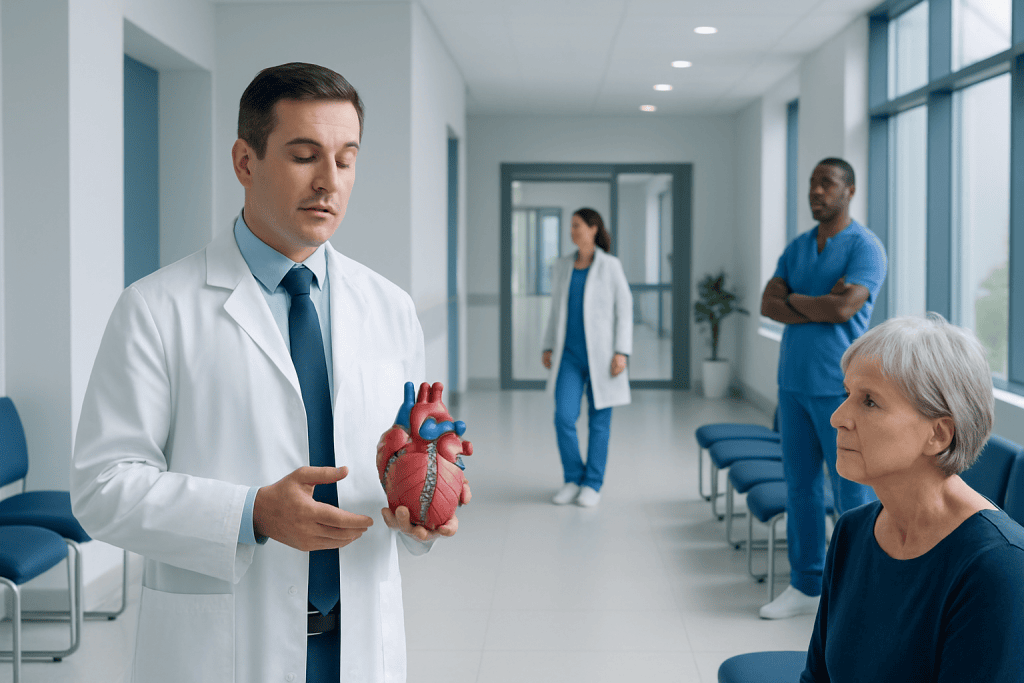
STEMI and NSTEMI are the two main terms used to classify acute heart attacks in emergency care. Both STEMI and NSTEMI require prompt assessment because heart muscle damage can progress without timely treatment.
Key Takeaways
- STEMI and NSTEMI are the two main terms used to classify acute heart attacks in emergency care.
- Both STEMI and NSTEMI require prompt assessment because heart muscle damage can progress without timely treatment.
- A type 1 heart attack usually results from a blood clot forming on a ruptured cholesterol plaque in a coronary artery.
- A type 2 heart attack results from an imbalance between the heart's oxygen supply and oxygen demand rather than a typical plaque-related clot.
- Symptoms vary between people, and some heart attacks cause little or no chest pain.
- New or persistent symptoms that could be cardiac should be treated as an emergency.
The main clinical types of heart attacks are STEMI and NSTEMI, which are forms of myocardial infarction caused by damage to heart muscle, most often after a reduction or blockage in coronary blood flow. Other medical classifications describe why the event occurred, including plaque rupture, a mismatch between oxygen supply and demand, or complications related to heart procedures.
Overview: what doctors mean by a heart attack
A heart attack is the everyday term for a myocardial infarction. It happens when part of the heart muscle is injured because it does not receive enough oxygen-rich blood for long enough. In many cases, this occurs when a coronary artery, which supplies blood to the heart, becomes suddenly narrowed or blocked by a blood clot.
The terms STEMI and NSTEMI describe patterns seen on an electrocardiogram (ECG) and in blood tests. They help the medical team judge the likely cause, urgency, and most appropriate treatment. Both are serious conditions, but the immediate treatment pathway may differ.
It is also useful to separate a heart attack from cardiac arrest. A heart attack is primarily a circulation problem caused by reduced blood flow to heart muscle. Cardiac arrest means the heart has stopped pumping effectively; it can occur during a heart attack but is not the same condition.
The main types of heart attacks: STEMI and NSTEMI
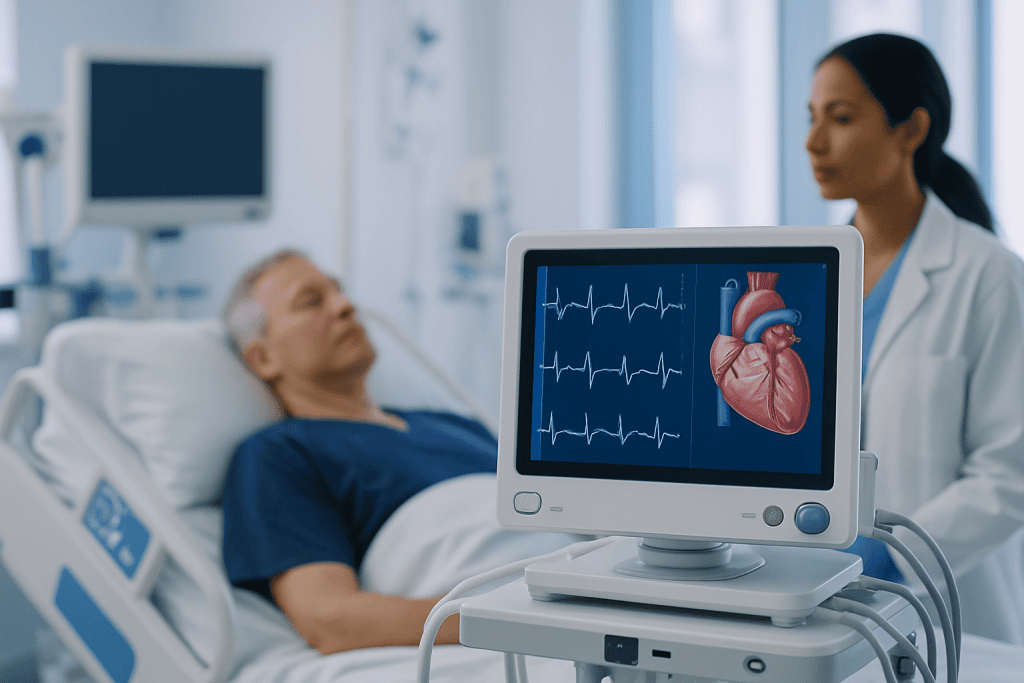
ST-elevation myocardial infarction (STEMI) is usually associated with a sudden, complete blockage of a major coronary artery. The ECG shows a characteristic change called ST-segment elevation. Because a large area of heart muscle may be at risk, STEMI generally calls for immediate restoration of blood flow, often with urgent coronary angiography and a procedure to open the artery.
Non-ST-elevation myocardial infarction (NSTEMI) occurs when blood flow to the heart is severely reduced but the ECG does not show ST-segment elevation. The artery may be partly blocked, intermittently blocked, or affected in a more complex way. Blood tests show raised cardiac troponin, a marker released when heart muscle cells are damaged.
NSTEMI should never be considered a “minor” heart attack. Although it may not require exactly the same immediate pathway as a STEMI, it needs urgent medical evaluation, monitoring, treatment to reduce clotting and strain on the heart, and risk assessment for procedures such as coronary angiography.
A different classification: the causes of myocardial infarction
Cardiologists may also classify heart attacks by their underlying mechanism. A type 1 myocardial infarction is the most familiar form: a cholesterol-rich plaque in a coronary artery ruptures or erodes, and a blood clot forms on its surface. This can abruptly reduce or stop blood flow and may present as either STEMI or NSTEMI.
A type 2 myocardial infarction is caused by an imbalance between the heart’s oxygen needs and the available oxygen supply, rather than a typical plaque rupture with a clot. Possible triggers include severe anemia, very low blood pressure, a fast or very slow abnormal heart rhythm, serious infection, respiratory failure, or a severe rise in blood pressure. Treatment focuses on stabilizing the triggering illness while also assessing the person’s heart and coronary arteries.
Other categories are used mainly in specialist settings. Type 3 refers to a suspected heart attack followed by death before cardiac biomarkers can be measured or rise. Types 4 and 5 describe heart attacks related to certain heart procedures, such as coronary stenting or bypass surgery. These labels help clinicians document events accurately and guide further care.
Related terms that are often confused with heart attack
Unstable angina can cause new, worsening, or resting chest discomfort because blood flow through a coronary artery is reduced. However, cardiac troponin is not elevated, meaning there is no evidence of heart muscle injury that meets the definition of myocardial infarction. It is still an urgent condition because it can progress to a heart attack.
MINOCA means myocardial infarction with non-obstructive coronary arteries. It is not one single disease, but a working diagnosis used when a person has evidence of a heart attack while angiography does not show a major obstructive blockage. Causes can include a small plaque disruption, coronary artery spasm, a clot that has dissolved or moved, or spontaneous coronary artery dissection.
Spontaneous coronary artery dissection (SCAD) is a tear or bleeding within the wall of a coronary artery that can restrict blood flow. It is an important cause of heart attack in some younger people, particularly women, and requires individualized specialist care. Takotsubo syndrome, sometimes called stress cardiomyopathy, can resemble a heart attack but usually has a different mechanism and does not necessarily involve coronary artery blockage.
Symptoms and why they can differ
The best-known symptom of a heart attack is pressure, tightness, heaviness, or pain in the center of the chest. The discomfort may spread to the arm, shoulder, back, neck, jaw, or upper stomach. It may persist for several minutes, return repeatedly, or be accompanied by shortness of breath, sweating, nausea, light-headedness, or an unusual feeling of weakness.
Symptoms are not always dramatic. Women, older adults, and people with diabetes may be more likely to have less typical symptoms, such as unusual fatigue, breathlessness, indigestion-like discomfort, nausea, dizziness, or pain in the back or jaw. These symptoms can still indicate a serious heart problem and should not be dismissed if they are new, unexplained, or persistent.
Symptoms alone cannot reliably distinguish STEMI from NSTEMI, type 1 from type 2 myocardial infarction, or heart attack from another condition. An ECG, repeated troponin blood tests, physical examination, and sometimes imaging are needed to make the diagnosis safely.
Diagnosis and treatment options
Emergency assessment begins with an ECG and blood tests for troponin. Clinicians also review symptoms, medical history, oxygen levels, blood pressure, and possible triggers. An echocardiogram can show how well the heart is pumping and whether a region of heart muscle is moving abnormally. Coronary angiography may be used to identify narrowed or blocked arteries.
For STEMI, the priority is opening the blocked artery as quickly as possible. This is commonly done with percutaneous coronary intervention, in which a catheter is used to widen the artery and often place a stent. When this is not immediately available or appropriate, other time-sensitive treatment approaches may be considered by the emergency team.
For NSTEMI, treatment may include antiplatelet and anticoagulant medicines, medicines that lower the heart’s workload, cholesterol-lowering treatment, and early angiography for people at higher risk. Type 2 myocardial infarction requires careful treatment of the underlying trigger as well as individualized evaluation for coronary artery disease. After any heart attack, cardiac rehabilitation, follow-up, and a personalized prevention plan are important parts of recovery.
Reducing risk and supporting heart health
Not every heart attack can be prevented, particularly those related to SCAD or severe acute illness. However, many coronary heart disease risks can be reduced. Avoiding tobacco, managing blood pressure, diabetes, and cholesterol, staying physically active within a clinician’s advice, eating a heart-supportive diet, and maintaining a weight that supports overall health can all help lower risk.
People who have already had a heart attack often benefit from cardiac rehabilitation. These structured programs may include supervised activity, education about medicines and nutrition, emotional support, and help returning to everyday life safely. Medicines prescribed after a heart attack should not be stopped or changed without speaking with the treating clinician.
Stress management, adequate sleep, and regular health reviews can also support cardiovascular health. A family history of early heart disease, pregnancy-related high blood pressure disorders, diabetes, smoking, or chronic kidney disease may justify earlier discussion of heart risk with a qualified healthcare professional.
When to seek medical care
Emergency medical care is needed for new chest pressure, pain, tightness, or heaviness that lasts more than a few minutes, returns, or occurs with shortness of breath, sweating, nausea, fainting, or pain spreading to the arm, jaw, back, or shoulder. It is safer to call local emergency services than to drive oneself to hospital, because symptoms can worsen suddenly.
People should also seek urgent assessment for unexplained severe breathlessness, sudden marked weakness, collapse, or new symptoms that feel different from their usual indigestion, anxiety, or muscle pain. Waiting to see whether symptoms resolve can delay time-sensitive treatment.
For non-emergency concerns, such as recurring exertional chest discomfort, a family history of early heart disease, or questions after a previous cardiac event, a doctor can arrange appropriate evaluation. Acibadem International’s multidisciplinary specialists and JCI-accredited hospitals provide diagnosis and treatment for cardiovascular conditions for international patients.
Frequently asked questions
Which type of heart attack is more serious, STEMI or NSTEMI?
Both STEMI and NSTEMI are serious and require urgent medical assessment. STEMI often indicates a complete blockage of a major coronary artery and usually needs immediate artery-opening treatment, while NSTEMI can also lead to significant heart damage and future risk.
Can a person have a heart attack with a normal ECG?
Yes. An ECG may not show the classic STEMI pattern in NSTEMI or early in the course of symptoms. Doctors use repeated ECGs and troponin blood tests, alongside symptoms and examination findings, to identify or rule out a heart attack.
Is unstable angina the same as a heart attack?
No. Unstable angina causes reduced blood flow to the heart but does not show the blood-test evidence of heart muscle damage required for a heart attack diagnosis. It is still urgent because it can signal a high risk of myocardial infarction.
What is a type 2 heart attack?
A type 2 heart attack occurs when the heart needs more oxygen than it receives, without the usual plaque rupture and clot that cause a type 1 heart attack. Conditions such as severe anemia, infection, low blood pressure, or a significant heart rhythm problem can contribute.
Can women have different heart attack symptoms?
Women can have chest discomfort, but they may also experience breathlessness, unusual tiredness, nausea, back or jaw pain, dizziness, or indigestion-like symptoms. These symptoms deserve prompt medical attention when they are new, severe, or unexplained.
Can a heart attack happen without chest pain?
Yes. Some people, especially older adults and people with diabetes, may have a heart attack with little or no chest pain. Sudden breathlessness, sweating, faintness, weakness, nausea, or unexplained fatigue can be warning signs.
References
- American Heart Association
- European Society of Cardiology
- Fourth Universal Definition of Myocardial Infarction
- National Heart, Lung, and Blood Institute
- World Health Organization
This article is for general information only and is not a substitute for professional medical advice. Please consult a qualified doctor about your individual situation.
Heart care in Turkey — expert evaluation and treatment
JCI-accredited · board-certified surgeons · reply within 24h
Add us as a Preferred Source to see more of our trusted health content across Google Search, AI Overviews and Discover.
Check your numbers in seconds
BMI, calories, due date, blood pressure and 30+ more clinical calculators — free, instant, doctor-reviewed ranges.

More from the Health Library



Related Specialists

Prof. Dr. Nuran Beşe
Radiation Oncology
Dr. Ekin Pasinlioğlu
Pediatrics
Dr. Alen Palancıoğlu
Oral Dental & Maxillofacial Surgery
Prof. Dr. Serkan Erkanlı
Gynecology & Obstetrics