Ulcerative Proctitis: Rectal Bleeding, Urgency, and How It Differs From Ulcerative Colitis

Ulcerative proctitis is ulcerative colitis limited to the rectum. Common symptoms include rectal bleeding, urgency, mucus, and tenesmus.
Key Takeaways
- Ulcerative proctitis is ulcerative colitis limited to the rectum.
- Common symptoms include rectal bleeding, urgency, mucus, and tenesmus.
- Diagnosis usually involves medical history, stool tests, blood tests, and endoscopy.
- Treatment often includes rectal medications, and some people also need oral or advanced therapies.
- Regular follow-up is important because symptoms can flare and the extent of disease can change over time.
Ulcerative proctitis is a form of inflammatory bowel disease in which inflammation affects only the rectum. It commonly causes rectal bleeding, urgency, mucus, and a frequent feeling of needing to pass stool, but it is often manageable with appropriate treatment and follow-up.
Overview
Ulcerative proctitis is a type of inflammatory bowel disease (IBD) in which inflammation affects the lining of the rectum, the final part of the large intestine just before the anus. It is considered the most limited form of ulcerative colitis because the inflammation does not extend beyond the rectum at the time of diagnosis. Even though the affected area is small, symptoms can still be uncomfortable and disruptive.
The condition usually causes bleeding from the rectum, a frequent urge to have a bowel movement, and a sensation of incomplete emptying called tenesmus. Some people notice mucus in the stool or mild abdominal discomfort. Others may have constipation rather than diarrhea, especially when inflammation is confined to the rectum.
Ulcerative proctitis is different from other causes of proctitis, which can include infections, radiation therapy, reduced blood flow, or injury. Because treatment depends on the cause, a proper diagnosis matters. Many people respond well to treatment, and the goal is to control inflammation, relieve symptoms, and help maintain long-term remission.
Symptoms
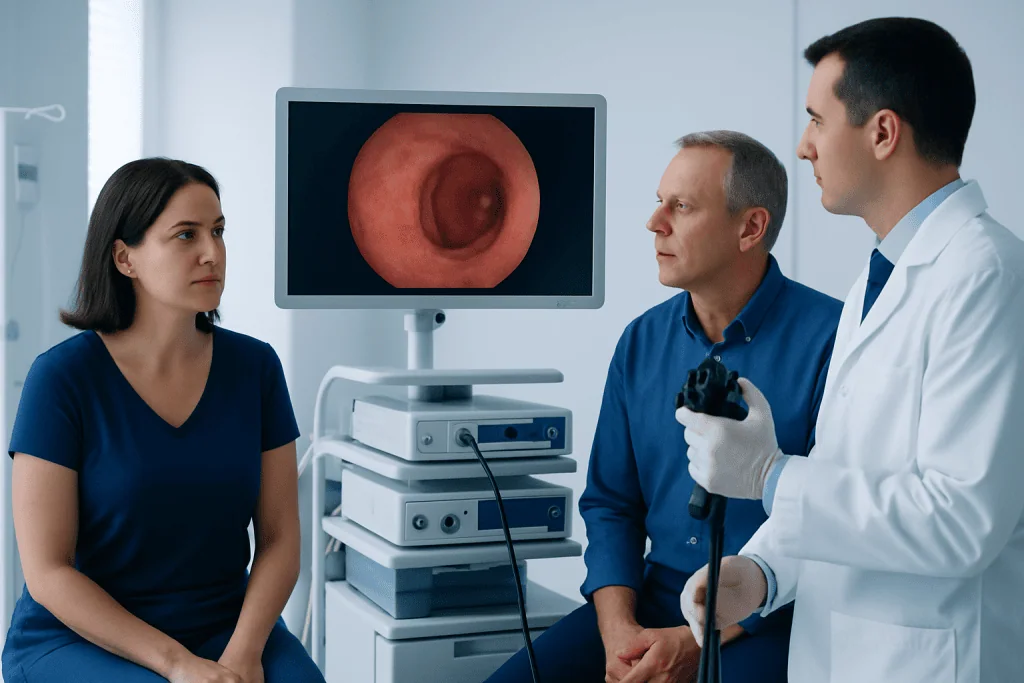
Symptoms of ulcerative proctitis can vary from mild to more bothersome, and they may come and go in flares. A flare is a period when inflammation becomes more active. Between flares, some people have very few symptoms or feel completely well.
The most common symptoms include:
- Rectal bleeding, often seen as bright red blood on stool, toilet paper, or in the toilet
- Urgency, meaning a sudden need to open the bowels
- Tenesmus, or the persistent feeling that a bowel movement is still needed
- Mucus discharge from the rectum
- Rectal discomfort or pain
- Frequent small bowel movements
- Constipation in some cases
Because ulcerative proctitis affects only the rectum, symptoms such as widespread abdominal pain, high-volume diarrhea, weight loss, or severe fatigue may be less prominent than in more extensive ulcerative colitis. However, symptoms can still affect daily life, travel, work, exercise, and sleep. Ongoing bleeding should always be discussed with a doctor, since many different conditions can cause it.
How It Differs From Ulcerative Colitis

Ulcerative proctitis is not separate from ulcerative colitis; rather, it is one pattern of ulcerative colitis based on how far inflammation extends. In ulcerative proctitis, inflammation is limited to the rectum. In other forms of ulcerative colitis, inflammation may extend farther into the sigmoid colon, left side of the colon, or throughout the colon.
This difference in extent matters because it often influences symptoms, treatment choices, and monitoring. People with disease limited to the rectum may have more urgency and rectal bleeding, while people with more extensive disease are more likely to have diarrhea, abdominal cramping, fatigue, and broader effects on nutrition and overall health.
Ulcerative proctitis can remain limited to the rectum for many years, but in some people it may spread farther into the colon over time. For this reason, regular follow-up with a gastroenterologist is helpful even when symptoms are mild. A doctor may recommend periodic reassessment to check disease activity, confirm healing, and adjust treatment if the pattern changes.
Causes and Risk Factors
The exact cause of ulcerative proctitis is not fully understood. Like other forms of IBD, it is thought to result from an abnormal immune response in the digestive tract in people who are genetically susceptible. Instead of calming down after responding to normal gut bacteria or other triggers, the immune system remains active and causes ongoing inflammation in the rectal lining.
Several factors may play a role, although none alone explains every case. These can include family history of IBD, changes in the intestinal microbiome, environmental influences, and immune system dysfunction. Ulcerative proctitis is not caused by stress, but stress can sometimes make symptoms feel worse or make coping more difficult during a flare.
It is also important to remember that not all proctitis is ulcerative proctitis. Doctors may consider other causes such as sexually transmitted infections, other gastrointestinal infections, radiation-related inflammation, medication effects, or inflammatory conditions such as Crohn's disease. This is one reason evaluation should be individualized rather than based on symptoms alone.
Diagnosis
Diagnosis begins with a careful medical history and physical examination. A doctor will usually ask about bleeding, urgency, stool frequency, pain, mucus, recent infections, travel, medications, family history, and any weight loss or fever. Because bleeding from the rectum can have several causes, including hemorrhoids, fissures, infections, and colorectal conditions, further testing is often needed.
Common tests may include blood tests to look for anemia or signs of inflammation and stool tests to help exclude infection. The most important diagnostic procedure is endoscopic examination, such as flexible sigmoidoscopy or colonoscopy, which allows the doctor to directly see inflammation in the rectum and take biopsies. Biopsy results help confirm the diagnosis and rule out other causes.
In some situations, a full colonoscopy is recommended rather than a shorter scope exam, especially if symptoms suggest more extensive disease or if the diagnosis is uncertain. Imaging is not always required, but it may be used when complications or another diagnosis are being considered. The overall aim is to confirm ulcerative proctitis, assess severity, and create a treatment plan that matches the person’s symptoms and needs.
Treatment Options
Treatment aims to reduce rectal inflammation, stop bleeding, relieve urgency, and maintain remission. For many people with ulcerative proctitis, first-line treatment includes medication delivered directly to the rectum, such as suppositories, foams, or enemas containing anti-inflammatory medicine. These local treatments can be very effective because they reach the inflamed tissue directly.
If symptoms are more persistent, a doctor may add oral medicines or use combination therapy. In some cases, short courses of corticosteroid-based rectal treatment may be used to settle a flare. People with frequent relapses, more severe inflammation, or disease that spreads beyond the rectum may need therapies also used for broader ulcerative colitis, including immune-modifying or biologic treatments. Care is tailored to disease extent, symptom severity, response to previous treatment, and overall health.
When symptoms are difficult to control, specialist gastroenterology review is important. Endoscopic reassessment, such as a lower endoscopic evaluation, may help show whether symptoms are due to active inflammation or another problem. In selected patients, supportive care may also include help from dietitians, colorectal surgeons, or other specialists. Acibadem International’s multidisciplinary specialists in JCI-accredited hospitals diagnose and treat inflammatory bowel conditions for international patients when expert evaluation is needed.
Prevention and Self-care
There is no guaranteed way to prevent ulcerative proctitis, because it is not caused by one single behavior. However, self-care can support symptom control and overall well-being. Taking medication exactly as prescribed is one of the most important steps, even when symptoms improve, because stopping treatment early may increase the chance of a flare.
Some people find it useful to keep a symptom diary that tracks bleeding, urgency, bowel habits, foods, stress, and treatment changes. This can help identify patterns and make clinic visits more productive. During flares, staying hydrated and choosing simple, well-tolerated foods may be helpful, although no single diet works for everyone. A doctor or dietitian can give personalized advice, especially if eating becomes difficult.
General healthy habits matter too. These include regular follow-up, avoiding smoking changes without medical advice if there is established IBD care, discussing all new medicines with a clinician, and seeking support for stress, anxiety, or quality-of-life concerns. If symptoms change significantly, a doctor may recommend further evaluation, sometimes including MRI or other tests if another condition is being considered.
When to See a Doctor
A doctor should evaluate persistent rectal bleeding, urgency, mucus discharge, or an ongoing feeling of incomplete bowel emptying. Although ulcerative proctitis is one possible cause, these symptoms can also occur with hemorrhoids, anal fissures, infections, colorectal polyps, or other bowel diseases. Early assessment helps guide proper treatment and can ease symptoms sooner.
Prompt medical attention is especially important if bleeding becomes heavier, symptoms are worsening, there is significant abdominal pain, fever, dehydration, dizziness, or unintended weight loss. These features do not always mean a serious problem, but they deserve timely medical review. Anyone with a known diagnosis of ulcerative proctitis should also contact their care team if medicines stop working or side effects appear.
Long-term follow-up is important because the disease can flare or sometimes extend farther into the colon over time. A gastroenterologist can monitor symptom control, adjust treatment, and advise when repeat endoscopy is appropriate. With a clear diagnosis and a personalized management plan, many people are able to control symptoms well and continue normal daily activities.
Frequently asked questions
Is ulcerative proctitis the same as ulcerative colitis?
Ulcerative proctitis is a form of ulcerative colitis in which inflammation is limited to the rectum. Ulcerative colitis is the broader term for inflammation that can involve part or all of the colon.
Can ulcerative proctitis cause constipation instead of diarrhea?
Yes. Because inflammation is limited to the rectum, some people feel urgency and tenesmus but pass only small amounts of stool, which can feel like constipation. Others may have loose stools or a mix of both patterns.
Does rectal bleeding always mean ulcerative proctitis?
No. Rectal bleeding can happen for many reasons, including hemorrhoids, anal fissures, infections, polyps, and other intestinal conditions. That is why persistent or repeated bleeding should be assessed by a qualified doctor.
Can ulcerative proctitis spread to other parts of the colon?
It can. In some people, inflammation stays limited to the rectum, while in others it extends farther into the colon over time. Regular follow-up helps detect changes early and guide treatment.
What treatments are commonly used for ulcerative proctitis?
Treatment often starts with rectal anti-inflammatory medicines such as suppositories, enemas, or foam preparations. If symptoms continue or disease is more active, oral medicines or other therapies may be added by a gastroenterologist.
Is ulcerative proctitis curable?
There is currently no permanent cure for ulcerative proctitis, but many people achieve long periods of remission with treatment. The main goals are to control inflammation, prevent flares, and maintain quality of life.
This article is for general information only and is not a substitute for professional medical advice. Please consult a qualified doctor about your individual situation.
Ulcerative Colitis in Turkey — costs, top hospitals & a free quote
JCI-accredited · board-certified surgeons · reply within 24h
Add us as a Preferred Source to see more of our trusted health content across Google Search, AI Overviews and Discover.

More from the Health Library

Hemochromatosis: Iron Overload Symptoms, Genetic Testing, and Organ Protection

Hyperthyroidism: Fast Heartbeat, Weight Loss, and How Graves’ Disease Is Diagnosed

Condition: Meaning, Definition, and Common Uses in Medicine

Tonsillitis: Sore Throat, Fever, and When Surgery Is Considered

POTS: Fast Heart Rate on Standing, Causes, and Treatment Options

Which Medical Conditions May Qualify for Disability? A Patient Guide
Gastroenterology Specialists at Acibadem

Prof. Dr. Yusuf Serdar Sakin
Gastroenterology
Prof. Dr. Züleyha Akkan Çetinkaya
Gastroenterology
Assoc. Prof. Dr. Abdullah Okan
Gastroenterology
Prof. Dr. Ahmet Karaman
Gastroenterology