Understanding Bakers Cyst Treatment: A Complete Patient Guide

A Baker's cyst is a fluid-filled swelling behind the knee, often linked to arthritis or a meniscus tear. Treatment works best when it addresses both the cyst and the underlying knee problem.
Key Takeaways
- A Baker's cyst is a fluid-filled swelling behind the knee, often linked to arthritis or a meniscus tear.
- Treatment works best when it addresses both the cyst and the underlying knee problem.
- Many cases improve with self-care, anti-inflammatory measures, and physical therapy.
- Doctors may use ultrasound, aspiration, injections, or surgery when symptoms persist or the diagnosis is uncertain.
- Urgent medical assessment is important if calf swelling, redness, fever, or sudden severe pain raises concern for a blood clot or ruptured cyst.
Bakers cyst treatment usually aims to reduce pain and swelling behind the knee while addressing the knee condition that caused the cyst in the first place. Many people improve with observation, activity changes, physical therapy, or guided drainage, while surgery is reserved for selected cases.
Overview: What Bakers Cyst Treatment Involves
Bakers cyst treatment is usually not about removing a lump alone. In most cases, it focuses on easing tightness or pain behind the knee and treating the joint problem that is producing extra fluid, such as arthritis, inflammation, or a cartilage injury. When that source is controlled, the cyst often becomes smaller or less troublesome.
A Baker’s cyst, also called a popliteal cyst, forms when synovial fluid from the knee joint collects in a sac at the back of the knee. Some cysts cause no symptoms and are found incidentally, while others create fullness, stiffness, or discomfort when the knee bends or straightens.
Management depends on symptoms, size, activity level, and the reason the cyst developed. Observation may be enough for a mild case, while persistent swelling may call for imaging, targeted therapy, or treatment of related knee disease such as knee arthritis or a meniscal injury. A careful diagnosis helps ensure that treatment is appropriate and that other causes of a lump behind the knee are not missed.
Symptoms and How a Baker's Cyst Feels
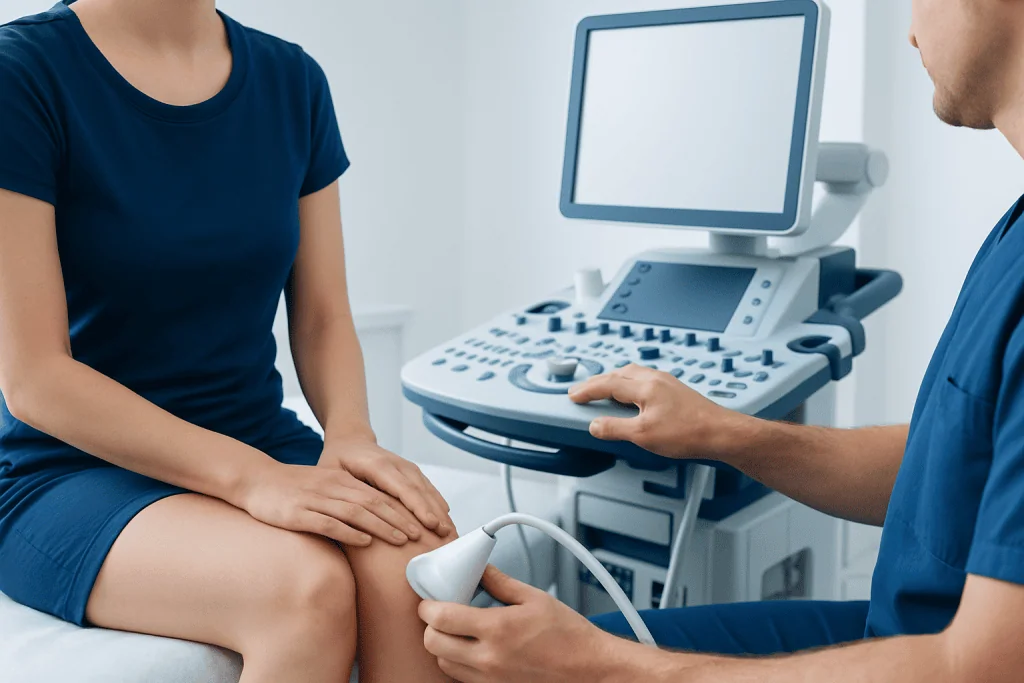
The most common symptom is a soft or tense swelling behind the knee. Some people describe a feeling of pressure, tightness, or a visible bulge that becomes more noticeable after standing, walking, climbing stairs, or fully straightening the leg. Others feel stiffness rather than pain.
Symptoms can vary from day to day because the amount of fluid in the cyst may change. The knee itself may also ache, click, catch, or swell if there is an underlying joint condition. A large cyst can limit bending and may make activities such as squatting or kneeling uncomfortable.
Sometimes the cyst can leak or rupture, causing sudden pain and swelling in the calf. This can resemble a blood clot and should not be self-diagnosed. Medical assessment is important if there is rapid calf swelling, redness, warmth, or new shortness of breath, because those symptoms need urgent evaluation.
- Swelling or fullness behind the knee
- Tightness when straightening or bending the knee
- Knee pain, stiffness, or reduced range of motion
- Calf discomfort if the cyst enlarges or ruptures
Why It Happens: Causes and Risk Factors

A Baker’s cyst is usually a sign that the knee joint is irritated and producing extra fluid. Common causes include osteoarthritis, inflammatory arthritis, cartilage wear, and meniscus tears. When joint fluid increases, it can move into the popliteal bursa behind the knee and collect there.
In adults, the condition is often linked to age-related joint changes or a structural knee problem. In younger people, especially children, a Baker’s cyst may occur without major joint disease and can sometimes resolve on its own. Even so, persistent symptoms still deserve evaluation.
Risk factors include previous knee injury, repetitive strain, inflammatory joint disease, and existing degeneration of the knee. People with frequent swelling from osteoarthritis or a torn meniscus may be more likely to develop recurrent cysts unless the underlying trigger is managed. This is why long-term relief often depends on the health of the knee itself, not just the cyst.
How Doctors Diagnose a Baker's Cyst
Diagnosis begins with a medical history and physical examination. A doctor will ask about pain, swelling, injury, locking, instability, and how symptoms affect walking or exercise. On examination, swelling at the back of the knee may become more obvious in certain positions, but a hands-on exam alone does not always identify the exact cause.
Ultrasound is commonly used because it can confirm that the swelling is fluid-filled and can help distinguish a cyst from other masses. It is also useful when a doctor is considering aspiration. If a more detailed look inside the knee is needed, magnetic resonance imaging may be recommended, especially when a meniscus tear or another internal injury is suspected. This can be part of a broader MRI evaluation of the knee.
Doctors may also consider other conditions that can mimic a Baker’s cyst, including deep vein thrombosis, aneurysm, tumor, bursitis, or other soft-tissue problems. The aim is not only to identify the cyst but also to understand what is driving excess fluid in the joint. That step guides the most effective treatment plan.
Treatment Options: From Observation to Procedures
Not every Baker’s cyst needs active treatment. If the cyst is small and not causing significant pain or movement problems, a doctor may recommend observation, especially if symptoms come and go. Rest, activity modification, elevating the leg after exertion, and simple pain relief measures are often enough for mild cases.
When symptoms are more bothersome, treatment usually targets inflammation in the knee. This may include physiotherapy to improve flexibility and strength, especially around the quadriceps and hamstrings, and to reduce stress on the joint. For some people, clinicians also consider anti-inflammatory medications if appropriate for their overall health. If imaging shows an internal knee problem, treatment may be directed at that condition, such as meniscus surgery in selected patients with a symptomatic tear.
A larger or persistently painful cyst may be treated with ultrasound-guided aspiration, in which fluid is drained with a needle. In some cases, an injection may be used to reduce inflammation in the knee after the fluid is removed. Aspiration can improve symptoms, but recurrence is possible if the underlying joint issue remains active.
Surgery to remove the cyst itself is less common and is usually reserved for ongoing pain, repeated recurrence, nerve or vessel pressure, or a correctable structural problem inside the knee. Depending on the cause, the orthopedics team may recommend knee arthroscopy to address damage within the joint. The most suitable option depends on symptoms, imaging findings, and the person’s daily activity needs.
Self-care, Recovery, and Preventing Recurrence
Self-care can play an important role in Bakers cyst treatment, particularly when symptoms are mild or while waiting for a specialist review. Reducing activities that trigger pain, avoiding deep knee bending when it worsens symptoms, and using cold packs for short periods may help control swelling. Supportive footwear and gradual return to activity can also make daily movement more comfortable.
Exercises are often aimed at maintaining knee motion without overloading the joint. A physiotherapist may suggest gentle range-of-motion work, muscle strengthening, and strategies to improve walking patterns. Stronger muscles around the knee can reduce joint stress and may help limit repeated fluid buildup.
Preventing recurrence depends mainly on controlling the underlying knee disorder. Weight management, regular low-impact exercise, and timely treatment for arthritis or sports injuries may reduce future flare-ups. People who notice repeated swelling should not assume the cyst is harmless every time; reassessment can help determine whether the knee problem has changed.
When to Seek Medical Care
Medical review is appropriate when swelling behind the knee persists, becomes painful, or interferes with walking, bending, or exercise. A clinician should also assess symptoms that started after an injury, especially if the knee locks, gives way, or swells repeatedly. These signs may point to a meniscus tear, arthritis flare, or another joint problem needing treatment.
Urgent assessment is important if there is sudden calf swelling, redness, warmth, severe pain, or unexplained shortness of breath. A ruptured Baker’s cyst can cause calf symptoms, but a blood clot can look similar and must be ruled out promptly. Fever, significant tenderness, or rapidly worsening swelling also deserve prompt medical attention.
For international patients who need evaluation or treatment, Acibadem International’s multidisciplinary specialists and JCI-accredited hospitals diagnose and treat Baker’s cysts and the knee conditions associated with them. The goal is to identify the exact cause of symptoms and match treatment to the individual’s needs.
Frequently asked questions
Can a Baker's cyst go away without treatment?
Yes. Some Baker's cysts become smaller or resolve on their own, especially if the irritation inside the knee settles. Even when no procedure is needed, a doctor may still evaluate the knee to look for arthritis, inflammation, or a meniscus problem.
What is the best treatment for a Baker's cyst?
The best treatment depends on symptoms and the underlying cause. Many people do well with rest, activity changes, physical therapy, and treatment of knee inflammation, while others may need aspiration, injection, or surgery for a related knee problem.
Is it safe to exercise with a Baker's cyst?
Light, low-impact activity is often possible, but painful or high-strain movements may aggravate symptoms. A clinician or physiotherapist can suggest exercises that maintain strength and mobility without overloading the knee.
Can a Baker's cyst come back after drainage?
Yes. Drainage can relieve pressure and discomfort, but the cyst may return if the joint continues to produce excess fluid. Recurrence is less likely when the underlying cause, such as arthritis or a meniscus tear, is also treated.
How do doctors tell the difference between a Baker's cyst and a blood clot?
Doctors use symptoms, examination, and imaging tests to distinguish the two. Because both can cause calf swelling and pain, urgent evaluation is important if symptoms are sudden, severe, or associated with redness, warmth, or breathing problems.
Does every Baker's cyst need surgery?
No. Surgery is usually considered only when symptoms are persistent, the cyst recurs repeatedly, or there is a treatable structural problem inside the knee. Most people are managed first with conservative measures and targeted treatment of the knee condition causing the cyst.
References
- American Academy of Orthopaedic Surgeons
- National Health Service
- Mayo Clinic
- MedlinePlus
- American College of Rheumatology
This article is for general information only and is not a substitute for professional medical advice. Please consult a qualified doctor about your individual situation.
Joint and spine care in Turkey — expert assessment & treatment
JCI-accredited · board-certified surgeons · reply within 24h
Add us as a Preferred Source to see more of our trusted health content across Google Search, AI Overviews and Discover.

More from the Health Library



Related Specialists

Dr. Hüseyin Güney
General Surgery
Dr. Mehmet İbrahim Cansunar
General Surgery
Assoc. Prof. Dr. Tonguç Utku Yilmaz
General Surgery
Dr. Ezgi Topyıldız
Pediatric Allergy