Understanding Causalgia: A Complete Patient Guide

Causalgia usually develops after a known nerve injury and causes severe burning pain that may seem out of proportion to the original injury. Symptoms can also include sensitivity to touch, skin color or temperature changes, sweating changes, swelling, and reduced movement.
Key Takeaways
- Causalgia usually develops after a known nerve injury and causes severe burning pain that may seem out of proportion to the original injury.
- Symptoms can also include sensitivity to touch, skin color or temperature changes, sweating changes, swelling, and reduced movement.
- Diagnosis is based on medical history, symptoms, examination, and tests that help identify nerve damage or rule out other causes.
- Treatment often combines pain management, physical rehabilitation, and treatment of the underlying nerve problem when possible.
- Early medical care may help limit long-term disability and support better recovery.
Causalgia is a chronic pain condition marked by intense burning pain, usually after a nerve injury. It is often understood as complex regional pain syndrome type 2, and early evaluation can help improve pain control, movement, and daily function.
Overview: what causalgia means
Causalgia is a form of persistent nerve pain that usually begins after a specific nerve injury. People often describe it as intense burning pain, along with tenderness, unusual sensitivity, and changes in the affected limb or area. In modern medical practice, causalgia is commonly classified as complex regional pain syndrome type 2, meaning pain linked to confirmed or strongly suspected nerve damage.
Although the condition is not common, it can have a major effect on daily life. Pain may interfere with walking, dressing, sleeping, working, or using the affected hand, arm, foot, or leg. The pain can feel much stronger than expected for the original injury, which can be confusing and distressing for patients.
Causalgia is a real medical condition involving the nervous system. It is not simply a low pain threshold or anxiety about an injury. The body’s pain-signaling pathways can become overactive after nerve damage, and this may lead to ongoing pain as well as changes in circulation, sweating, skin texture, and movement.
Because early care matters, it helps to seek evaluation when pain is severe, persistent, or accompanied by changes in skin color, temperature, swelling, or weakness. A tailored plan may involve neurology, pain medicine, rehabilitation, and sometimes orthopedic or surgical specialists depending on the cause.
Symptoms and how causalgia feels
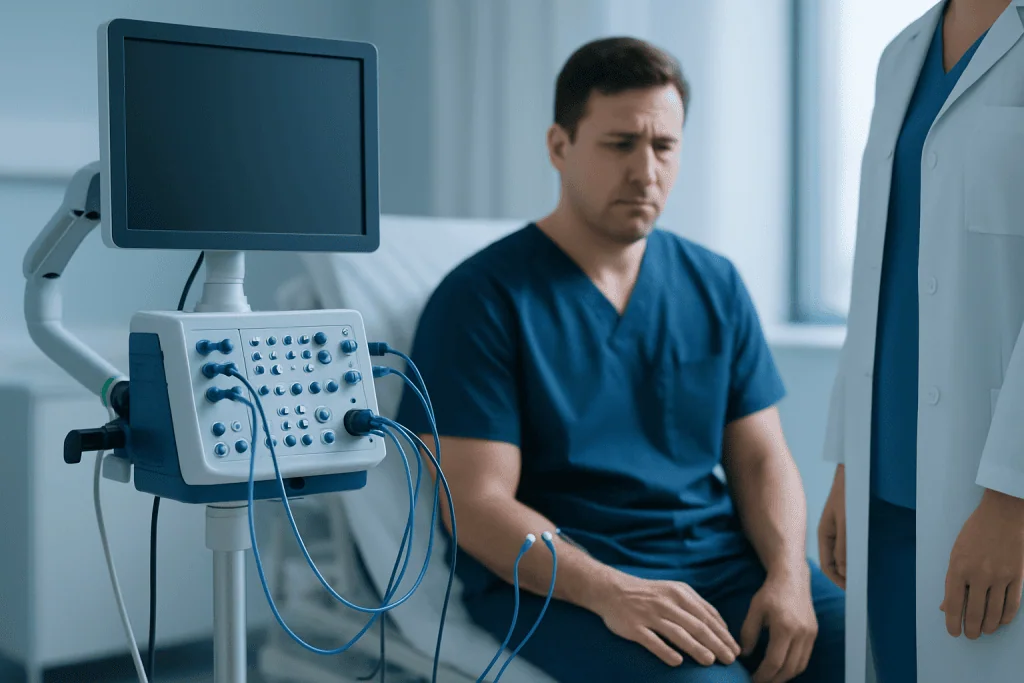
The most characteristic symptom of causalgia is burning pain in an arm, leg, hand, or foot after a nerve injury. The pain may be constant or may flare with movement, touch, temperature changes, or emotional stress. Many people also feel pain from light contact, such as clothing, bedsheets, or a gentle touch.
Symptoms often extend beyond pain alone. The affected area may look red, pale, or bluish, and it may feel warmer or colder than the opposite side. Swelling may appear, sweating may increase or decrease, and the skin may become shiny or thin. Over time, stiffness, tremor, weakness, and reduced use of the limb can develop.
Not everyone has the same pattern. Some people notice symptoms soon after an injury or surgery, while others develop them gradually over weeks. In some cases, the painful area spreads beyond the exact site of the original nerve injury.
- Burning, stabbing, or electric-shock-like pain
- Extreme sensitivity to touch or temperature
- Skin color or temperature changes
- Swelling and sweating changes
- Joint stiffness and reduced range of motion
- Muscle weakness or difficulty using the limb
- Sleep disturbance, fatigue, or reduced quality of life
Causes and risk factors

Causalgia most often follows a direct injury to a peripheral nerve. This may happen after trauma such as a cut, fracture, crush injury, sprain, or gunshot wound. It can also follow surgery, injections, or other procedures that irritate or damage a nerve. In some cases, the triggering injury seems relatively minor compared with the severity of later pain.
The exact reason some people develop causalgia and others do not is still being studied. The process appears to involve abnormal pain signaling in injured nerves, increased sensitivity in the spinal cord and brain, and changes in the local blood vessels and immune response. These changes can keep pain active even after the initial tissue injury has started to heal.
Risk may be higher after injuries involving the arms or legs, especially when there is clear nerve trauma. Immobilization, delayed rehabilitation, and severe initial pain may also contribute. Related nerve disorders may need to be considered during evaluation, including peripheral neuropathy, which can also cause burning, tingling, or numbness but has different underlying mechanisms.
Doctors also consider other conditions that can mimic or overlap with causalgia, such as nerve entrapment, vascular problems, infection, inflammatory joint disease, and some spinal disorders. Distinguishing among these causes is important because treatment works best when directed at the right diagnosis.
How doctors diagnose causalgia
There is no single blood test or scan that proves causalgia on its own. Diagnosis starts with a careful medical history, especially whether symptoms began after a known nerve injury. A doctor will ask about the quality of the pain, timing, triggers, daily impact, and whether there are skin, sweating, or movement changes.
A physical examination looks for tenderness, altered sensation, temperature differences, color changes, swelling, weakness, stiffness, and reduced function. The doctor may compare the affected side with the unaffected side. Clinical criteria are used to decide whether the pattern fits complex regional pain syndrome type 2 rather than another pain condition.
Tests may be used to support the diagnosis or rule out alternatives. These can include nerve conduction studies and electromyography to assess nerve and muscle function, as well as imaging when fracture, joint damage, or another structural cause is suspected. If symptoms suggest a spinal source of nerve irritation, a specialist may consider MRI scanning as part of the work-up.
Diagnosis can sometimes take time because symptoms overlap with other conditions. A structured assessment is useful to identify whether there is true nerve damage, how severe the functional impact is, and what combination of treatments may help most.
Treatment options for causalgia
Treatment usually works best when it combines several approaches rather than relying on one method alone. The goals are to reduce pain, improve movement, restore daily function, and address the underlying nerve problem if possible. Early treatment may lower the risk of long-term stiffness and disability.
Medicines may be used to target nerve-related pain, inflammation, or muscle spasm, depending on the patient’s symptoms and health history. Some people may benefit from topical treatments or carefully selected pain-relief medicines, while others need a broader pain-management plan supervised by a specialist. Medication choice should always be individualized by a qualified doctor.
Rehabilitation is a key part of care. Gentle, guided movement helps protect flexibility, circulation, and strength while reducing fear of movement. Many patients benefit from physical therapy and rehabilitation to improve range of motion, function, and gradual return to activity.
In selected cases, doctors may recommend interventional pain procedures, nerve blocks, or advanced therapies when symptoms do not improve with standard treatment. If an ongoing structural nerve problem is suspected, further evaluation may include neurosurgical care or a review by specialists in pain management. Near the end of the care journey, some international patients choose assessment at Acibadem International, where multidisciplinary specialists in JCI-accredited hospitals evaluate and treat complex pain conditions.
Prevention, self-care, and living with causalgia
Not every case can be prevented, but prompt care after an injury may reduce the chance of ongoing problems. Good wound care, fracture management, and attention to nerve symptoms such as numbness, tingling, or weakness are important. After surgery or trauma, following rehabilitation advice can help maintain safe movement and function.
At home, self-care focuses on protecting the limb without completely avoiding use. Gentle movement, pacing of activities, sleep support, and stress reduction can all help. Overprotecting the limb may worsen stiffness and sensitivity over time, so most patients do best with gradual, structured activity rather than complete rest.
It can also help to keep a symptom diary that notes pain triggers, swelling, skin changes, sleep, and activity limits. This information may help doctors adjust treatment more effectively. People with long-lasting pain often benefit from education about chronic pain mechanisms, which can make symptoms feel more understandable and less overwhelming.
Emotional health matters too. Persistent pain can affect mood, concentration, and social life. Support from family, rehabilitation teams, and mental health professionals may be useful, especially if pain has led to fear of movement or withdrawal from normal activities.
When to seek medical care
Medical evaluation is important if burning pain starts after an injury, surgery, or injection and does not improve as expected. Care is especially important when pain seems unusually severe, spreads beyond the original injury, or comes with color changes, swelling, sweating changes, numbness, or weakness.
Urgent medical attention is needed if there are signs of severe circulation problems, infection, sudden major weakness, new bowel or bladder symptoms, or rapidly worsening pain after trauma. These features can point to a different problem that needs prompt treatment.
Even when symptoms are not an emergency, early specialist assessment can be helpful. This may involve neurology, pain medicine, rehabilitation, orthopedics, or other experts depending on the suspected source of nerve injury. Patients should not ignore persistent symptoms in the hope that they will always fade on their own.
Timely diagnosis does not guarantee a quick recovery, but it can open the door to better symptom control, rehabilitation, and a clearer understanding of what is happening. That is often the first step toward regaining confidence in movement and daily life.
Frequently asked questions
Is causalgia the same as complex regional pain syndrome?
Causalgia is generally considered the older term for what is now called complex regional pain syndrome type 2. This form is associated with a known or strongly suspected nerve injury. Complex regional pain syndrome type 1 has similar features but does not require confirmed nerve damage.
What does causalgia pain feel like?
Many people describe causalgia as burning, searing, stabbing, or electric-like pain. The area may also become extremely sensitive, so even light touch or clothing can feel painful. Skin temperature, color, and swelling may change as well.
Can causalgia go away?
Some people improve significantly, especially when treatment begins early and rehabilitation is consistent. Others may have symptoms that last longer and require ongoing pain management. Recovery varies depending on the severity of the nerve injury and how the nervous system responds.
How is causalgia diagnosed?
Doctors diagnose causalgia by reviewing the history of nerve injury, examining symptoms and physical findings, and ruling out other causes of pain. Tests such as nerve studies or imaging may help support the diagnosis or identify another problem. There is no single test that confirms it in every case.
What treatments are used for causalgia?
Treatment often includes a combination of pain-relieving medicines, nerve pain treatments, physical rehabilitation, and sometimes interventional procedures. The exact plan depends on the person’s symptoms, function, and any treatable underlying nerve problem. A multidisciplinary approach is often most helpful.
When should someone worry about burning pain after an injury?
A person should seek medical advice if pain is severe, persistent, or seems out of proportion to the injury. Review is also important if there is numbness, weakness, swelling, skin color change, or increasing trouble using the limb. Urgent care is needed if there are signs of infection, poor circulation, or sudden major weakness.
References
- National Institute of Neurological Disorders and Stroke
- National Institute of Arthritis and Musculoskeletal and Skin Diseases
- American Academy of Neurology
- Mayo Clinic
- National Health Service
This article is for general information only and is not a substitute for professional medical advice. Please consult a qualified doctor about your individual situation.
Explore treatments in Turkey — costs, top hospitals & a free quote
JCI-accredited · board-certified surgeons · reply within 24h
Add us as a Preferred Source to see more of our trusted health content across Google Search, AI Overviews and Discover.