Understanding Dry Eye Syndrome Self-care: A Complete Patient Guide
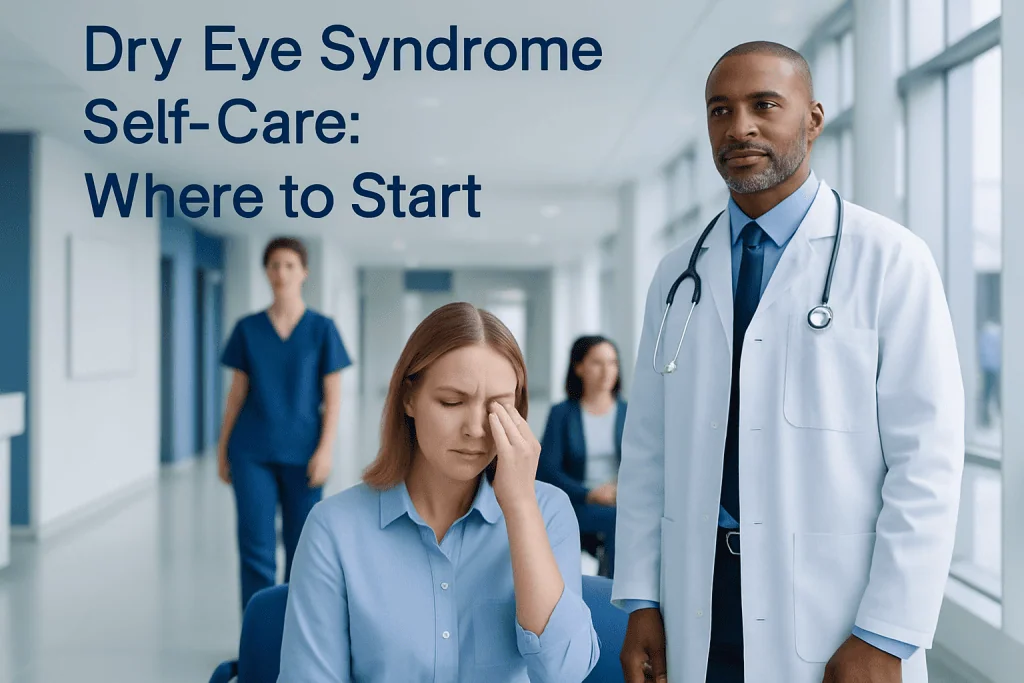
Dry eye occurs when tears are insufficient, evaporate too quickly or do not adequately protect the eye surface. Preservative-free artificial tears, regular screen breaks and avoiding drying environments are practical first steps for many people.
Key Takeaways
- Dry eye occurs when tears are insufficient, evaporate too quickly or do not adequately protect the eye surface.
- Preservative-free artificial tears, regular screen breaks and avoiding drying environments are practical first steps for many people.
- Warm compresses and gentle eyelid hygiene may help when blocked oil glands contribute to tear evaporation.
- Contact lens wear, certain medicines, hormonal changes and inflammatory conditions can worsen dry eye.
- Persistent redness, pain, light sensitivity or vision changes require prompt professional assessment.
Dry eye syndrome self-care can reduce burning, grittiness and fluctuating vision by protecting the eye surface, improving daily habits and using suitable lubricating products. Symptoms that persist, worsen or affect vision need assessment by an eye care professional, as dry eye may have an underlying cause that requires treatment.
Dry Eye Syndrome Self-Care: Where to Start
Dry eye syndrome self-care focuses on keeping the eye surface comfortable and supporting the natural tear film. The tear film is a thin protective layer made of water, oils and mucus. When its balance is disrupted, the eyes may feel dry, burning, gritty, tired or watery. Although excessive tearing can seem surprising, it may be a reflex response to irritation from an unstable tear film.
Simple measures often help mild symptoms. These include using lubricating eye drops, taking regular visual breaks, limiting exposure to wind and smoke, and keeping the eyelids clean. Self-care works best when it is consistent and matched to the likely cause. It should not replace an eye examination when symptoms are ongoing, severe or associated with changes in vision.
Dry eye is common and can affect one or both eyes. It is not always possible to identify a single cause, and symptoms can vary from day to day. The goal is usually long-term control: reducing irritation, protecting the cornea and helping the eyes remain comfortable during reading, computer work, driving and contact lens use.
Recognizing Symptoms and Everyday Triggers

People experience dry eye differently. Common symptoms include a scratchy or sandy sensation, stinging, burning, redness, tired eyes, mucus around the eyes, sensitivity to light and blurred or fluctuating vision that may improve after blinking. Some people find it difficult to wear contact lenses comfortably. Symptoms often become more noticeable later in the day or after sustained close work.
Everyday settings can make symptoms worse by increasing tear evaporation. Air conditioning, heating, fans, vehicle vents, dry indoor air, smoke and windy weather are frequent triggers. Computer and phone use can also contribute because people tend to blink less often and less completely while concentrating. Long periods of reading, gaming or driving may have a similar effect.
Keeping a short symptom diary can be useful. Recording when symptoms occur, what activities precede them, contact lens use, and which drops provide relief may help a clinician identify patterns. It can also show whether environmental adjustments and home measures are making a meaningful difference.
A Practical Daily Self-Care Routine

Lubricating eye drops, often called artificial tears, are a mainstay of dry eye care. They are available as drops, gels and ointments. Preservative-free drops may be particularly appropriate for people who need drops frequently or who are sensitive to preservatives. Thicker gels or ointments can provide longer-lasting lubrication but may blur vision temporarily, so they are often more convenient before sleep.
It is sensible to ask a pharmacist, optometrist or ophthalmologist which product best suits individual symptoms. Drops marketed to “get the red out” are generally not a substitute for lubricants; some can worsen redness or irritation with repeated use. Eye drops should be used as directed, kept clean and not shared. Anyone using prescribed eye medication should ask how to space it from artificial tears.
A useful routine may include applying lubricating drops when needed, consciously blinking fully during visual tasks and taking regular breaks from screens. One practical approach is to look away from near work at intervals, focus on a distant object and blink slowly several times. Positioning a screen slightly below eye level can also reduce how widely the eyes are open, which may decrease evaporation.
- Use a humidifier if indoor air is very dry.
- Direct fans, heaters and car vents away from the face.
- Wear wraparound glasses outdoors in wind or cold weather.
- Stay hydrated as part of general health, while recognizing that drinking extra water alone does not treat all forms of dry eye.
- Remove eye makeup gently and replace eye cosmetics regularly to reduce irritation.
Warm Compresses, Eyelid Care and Contact Lenses
A frequent contributor to evaporative dry eye is meibomian gland dysfunction. The meibomian glands, located along the eyelid margins, release oils that slow tear evaporation. If these oils become thick or the gland openings become blocked, tears can evaporate too quickly. In this situation, warm compresses and gentle eyelid care may be beneficial.
A clean warm compress can be placed over closed eyelids for several minutes, followed by gentle massage of the eyelids as advised by an eye care professional. The compress should feel comfortably warm, never hot enough to burn the skin. Commercial reusable eye masks may retain heat more consistently than a washcloth. Eyelid cleansing products can help remove debris from the lid margins, but harsh soaps, scrubbing and home remedies that irritate the eyes should be avoided.
Contact lenses may worsen dryness, particularly during long days or in dry environments. Wearing lenses only for the recommended duration, following cleaning instructions and having regular contact lens reviews are important. It may help to wear glasses for part of the day or during symptom flares. A clinician can assess whether a different lens material, replacement schedule or lens-care system would be more suitable.
Understanding Causes and Risk Factors
Dry eye may result from reduced tear production, increased tear evaporation, or a combination of both. Aging is a common factor, and dry eye is more frequent after menopause, although it can affect adults of any age. Previous eye surgery, eyelid conditions, contact lens use and prolonged digital screen use may also contribute.
Some medical conditions are associated with dry eye, including autoimmune disorders such as Sjögren’s syndrome, rheumatoid arthritis and lupus. Skin conditions affecting the eyelids, allergies and inflammation around the eye can also play a role. Dry mouth, joint pain, fatigue or other body-wide symptoms should be mentioned to a doctor, as they may help guide further assessment.
Several medicines can contribute to dryness in some people. Examples include certain antihistamines, decongestants, antidepressants, blood pressure medicines, acne treatments and medications that reduce fluid retention. A person should not stop prescribed medication because of dry eye symptoms without speaking to the prescribing clinician. In some cases, an alternative medicine or additional eye treatment may be considered.
How Dry Eye Is Diagnosed and Treated Clinically
An optometrist or ophthalmologist can diagnose dry eye by discussing symptoms, health history, medicines, visual demands and contact lens use. The eye examination may include checking the eyelids and tear film, measuring tear quantity or stability, and using special dyes to look for irritation on the cornea and conjunctiva. These tests help determine whether the main issue is low tear production, rapid evaporation, eyelid disease or another eye condition.
If self-care is not enough, treatment may include prescription anti-inflammatory eye drops, treatments aimed at improving tear production, medicines or procedures for eyelid gland disease, or small plugs placed in tear drainage openings to help retain tears. The right option depends on the cause, severity and eye health. Some treatments take weeks to show their full benefit, so follow-up is important.
It is also important to check for conditions that can resemble dry eye, such as allergy, infection, blepharitis, corneal problems or an incorrect glasses prescription. Dry eye can coexist with these conditions, which is why persistent symptoms deserve individualized assessment rather than repeated changes in over-the-counter products alone.
When to Seek Medical Care
Routine eye care is appropriate if symptoms continue despite several weeks of consistent self-care, recur frequently, interfere with work or reading, or make contact lenses difficult to wear. An eye care professional can identify contributing factors and recommend a treatment plan that protects the surface of the eye. People with autoimmune disease, previous eye surgery or long-term use of several eye drops may benefit from earlier review.
Prompt medical assessment is important for eye pain, marked redness, discharge, increasing light sensitivity, a sensation of something stuck in the eye that does not settle, injury, or new or persistent vision changes. These symptoms are not necessarily caused by dry eye and may indicate another condition requiring timely care. Sudden loss of vision should be treated as an emergency.
Acibadem International’s multidisciplinary specialists and JCI-accredited hospitals can assess dry eye and related eyelid or ocular surface conditions for international patients. A clinician can help distinguish dry eye from other causes of discomfort and create a suitable plan for ongoing eye comfort and vision protection.
Protecting Eye Comfort Over Time
Dry eye tends to fluctuate, so prevention involves recognizing triggers and maintaining helpful habits even when symptoms improve. Continuing a tailored lubrication routine, managing screen time, protecting the eyes from dry air and attending recommended reviews can lower the chance of recurrent irritation. People who use contact lenses should continue routine eye checks even if symptoms are mild.
Dietary supplements containing omega-3 fatty acids are sometimes discussed for dry eye, but evidence of benefit is mixed and they are not appropriate for everyone. A person considering supplements should discuss them with a clinician, especially if taking blood-thinning medication, managing a chronic illness or preparing for surgery. A balanced diet and management of general health conditions remain sensible parts of overall wellbeing.
Dry eye is usually manageable, but improvement may require patience and a combination of strategies. Reviewing the routine when seasons, work patterns, medicines or symptoms change allows care to remain practical and effective. Regular professional advice is especially valuable when symptoms are persistent or the cause is uncertain.
Frequently asked questions
What is the best dry eye syndrome self-care routine?
A helpful routine commonly includes preservative-free lubricating drops as needed, regular screen breaks, full blinking and reducing exposure to direct airflow. Warm compresses and gentle eyelid hygiene may be added when oil gland blockage is contributing. The best routine varies, so persistent symptoms should be reviewed by an eye care professional.
Can dry eye syndrome go away on its own?
Temporary dryness caused by a dry environment, long screen sessions or fatigue may improve when the trigger is reduced. However, dry eye syndrome is often a recurring or long-term condition that benefits from regular management. Ongoing symptoms may have an underlying cause that needs specific treatment.
Why do dry eyes sometimes water excessively?
Irritation on the eye surface can trigger reflex tearing, producing watery eyes despite an unstable or insufficient normal tear film. These reflex tears may not contain the right balance of oils and other components to keep the eyes comfortable. Lubricating treatment and management of contributing factors can help.
Are artificial tears safe to use every day?
Artificial tears are generally safe for regular use when chosen and used appropriately. Preservative-free products are often preferred when drops are needed frequently. A clinician should advise people who use several eye medicines, have had eye surgery or still have symptoms despite regular drops.
Does screen time cause dry eye?
Screen use can worsen dry eye because people often blink less often and do not fully close their eyelids while focusing. It does not always cause dry eye by itself, but it can expose an existing tendency toward tear evaporation. Regular breaks, deliberate blinking and screen positioning can reduce strain.
When should someone worry about dry eye symptoms?
Persistent discomfort, worsening redness, pain, light sensitivity, discharge or blurred vision should be assessed by an eye care professional. New vision loss, severe pain or eye injury requires urgent care. These symptoms can have causes other than dry eye and should not be managed with self-care alone.
References
- American Academy of Ophthalmology
- National Eye Institute
- Tear Film and Ocular Surface Society
- Mayo Clinic
- NHS
This article is for general information only and is not a substitute for professional medical advice. Please consult a qualified doctor about your individual situation.
Explore treatments in Turkey — costs, top hospitals & a free quote
JCI-accredited · board-certified surgeons · reply within 24h
Add us as a Preferred Source to see more of our trusted health content across Google Search, AI Overviews and Discover.