Understanding Enteropathic Arthritis: A Complete Patient Guide
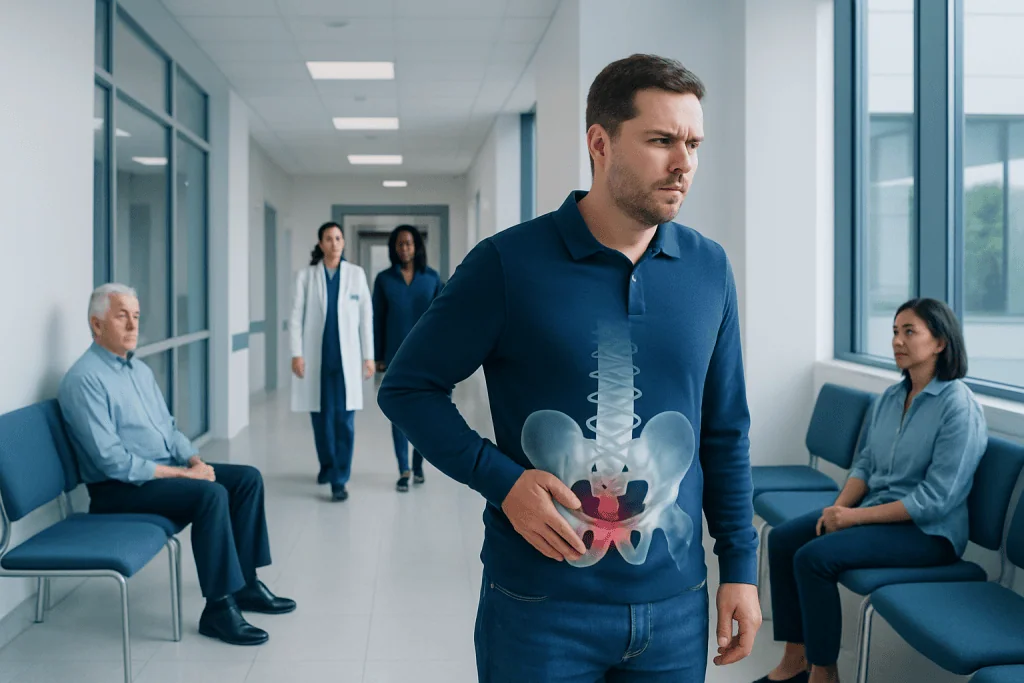
Enteropathic arthritis is linked with Crohn’s disease and ulcerative colitis, but joint symptoms can occasionally begin before bowel symptoms. It can cause inflammation in the spine and sacroiliac joints or pain and swelling in peripheral joints such as the knees, ankles, wrists, and elbows.
Key Takeaways
- Enteropathic arthritis is linked with Crohn’s disease and ulcerative colitis, but joint symptoms can occasionally begin before bowel symptoms.
- It can cause inflammation in the spine and sacroiliac joints or pain and swelling in peripheral joints such as the knees, ankles, wrists, and elbows.
- Joint symptoms do not always follow bowel symptoms; some types improve when IBD is controlled, while spinal inflammation may continue independently.
- Diagnosis combines medical history, examination, blood tests, imaging, and assessment for inflammatory bowel disease and related conditions.
- Care is usually coordinated between rheumatology and gastroenterology, with treatment tailored to the person’s bowel activity, joint pattern, and overall health.
Enteropathic arthritis is a form of inflammatory arthritis associated with inflammatory bowel disease (IBD), including Crohn’s disease and ulcerative colitis. It may affect the spine, pelvis, or joints in the arms and legs, and treatment aims to control both joint inflammation and bowel disease while protecting everyday function.
Overview: What Is Enteropathic Arthritis?
Enteropathic arthritis is inflammation of the joints and areas where tendons or ligaments attach to bone that occurs in association with inflammatory bowel disease (IBD). IBD mainly includes Crohn’s disease and ulcerative colitis. The condition belongs to a wider family of inflammatory diseases called spondyloarthritis, which can affect the spine, pelvis, joints, eyes, skin, and sometimes other organs.
Unlike osteoarthritis, which is related to gradual wear within a joint, enteropathic arthritis is driven by immune-system inflammation. It may occur in people with established IBD, but joint problems can occasionally appear before digestive symptoms have led to an IBD diagnosis. Having joint pain does not automatically mean a person has enteropathic arthritis, since pain can also result from injury, mechanical strain, infection, osteoarthritis, or other inflammatory conditions.
There are two broad patterns. Peripheral arthritis affects joints outside the spine, especially the lower limbs. Axial disease affects the sacroiliac joints, where the spine meets the pelvis, and may involve the spine itself. Some people have one pattern, while others have features of both. Early assessment can help relieve symptoms, preserve mobility, and identify signs of bowel or eye inflammation that need attention.
Symptoms and How They May Feel
Symptoms vary considerably. Peripheral enteropathic arthritis often causes painful, warm, swollen joints, commonly the knees, ankles, hips, wrists, elbows, or shoulders. It may affect only a few larger joints, sometimes moving from one joint to another. Stiffness after waking or after sitting still can be a prominent feature, and movement may gradually ease stiffness.
Axial enteropathic arthritis more often causes persistent lower back, buttock, or hip pain. Inflammatory back pain typically develops gradually, may improve with activity rather than rest, and can be associated with night-time pain or early-morning stiffness. Alternating pain in the right and left buttock can reflect inflammation in the sacroiliac joints, although it is not specific to this condition.
Inflammation can also occur at tendon and ligament attachment sites, known as enthesitis. This may cause heel pain at the Achilles tendon or sole of the foot, for example. Some people develop dactylitis, in which an entire finger or toe becomes swollen. Fatigue may be significant, particularly when bowel disease is active, sleep is disrupted, anemia is present, or pain is ongoing.
- Abdominal pain, diarrhea, blood in the stool, weight loss, or urgency may suggest active IBD.
- A painful red eye, light sensitivity, or blurred vision can indicate eye inflammation and requires prompt assessment.
- Skin changes, including tender red nodules on the shins or scaly rashes, can occur as IBD-related inflammatory features.
Why Enteropathic Arthritis Develops

The precise cause of enteropathic arthritis is not fully understood. It is thought to result from an inappropriate immune response in people with a genetic tendency to inflammation. The immune system, intestinal lining, gut microorganisms, and environmental factors may all play a role. This is not a contagious condition, and it is not caused by a person doing anything wrong.
The strongest known association is with IBD. Peripheral arthritis may flare at the same time as bowel inflammation, particularly when larger joints are involved. However, axial symptoms involving the sacroiliac joints or spine may follow their own course and may remain active even when digestive symptoms are controlled. This difference is important when planning treatment.
Family history can increase susceptibility to spondyloarthritis or IBD, but it does not mean that a relative will necessarily develop either condition. The HLA-B27 gene is associated with axial spondyloarthritis in some populations, but many people with enteropathic arthritis do not carry it. Testing positive for this gene alone cannot diagnose the disease.
Smoking is associated with worse outcomes in Crohn’s disease and can negatively affect general health, bone health, and inflammation. Stress does not cause enteropathic arthritis, but persistent symptoms and stress can influence sleep, coping, and perceived pain. Supportive strategies can therefore be an important part of care alongside medical treatment.
How Doctors Diagnose It
There is no single test that confirms enteropathic arthritis. Diagnosis is based on a careful history, physical examination, laboratory testing, imaging, and evaluation of bowel symptoms. A clinician will ask about the timing and location of pain, morning stiffness, swollen joints, back symptoms, digestive changes, family history, eye symptoms, skin changes, recent infections, and medications.
Blood tests may look for markers of inflammation, anemia, nutritional deficiencies, liver or kidney function, and other possible causes of joint symptoms. These results can support clinical assessment but cannot diagnose enteropathic arthritis by themselves. Stool tests and endoscopy may be used when IBD is suspected or when bowel disease activity needs evaluation.
Imaging can identify inflammation or structural changes. X-rays may be useful in longstanding disease, while MRI can detect earlier inflammation in the sacroiliac joints or spine. Ultrasound may help identify joint inflammation, fluid, and enthesitis. Doctors may also use imaging to exclude other causes of pain.
Because the bowel and joints can affect each other, assessment often involves both a rheumatologist and a gastroenterologist. This coordinated approach helps distinguish enteropathic arthritis from rheumatoid arthritis, psoriatic arthritis, gout, reactive arthritis, mechanical back pain, and other conditions that may require different care.
Treatment Options and Ongoing Care
Treatment is individualized according to whether the main problem is peripheral joint inflammation, spinal disease, active bowel inflammation, or a combination of these. The overall goals are to reduce inflammation and pain, maintain movement and function, prevent complications, and manage IBD safely. A person’s past treatments, other medical conditions, pregnancy plans, infection risk, and preferences are all considered.
For some people, controlling active IBD also improves peripheral arthritis. Medicines used for IBD and inflammatory arthritis may include corticosteroids for selected short-term situations, conventional disease-modifying antirheumatic drugs for some peripheral joint patterns, and biologic or targeted therapies that act on specific immune pathways. Not every IBD medicine treats spinal inflammation, and some medicines helpful for joints may not be suitable for certain bowel conditions. This is why specialist coordination is important.
Nonsteroidal anti-inflammatory drugs may relieve pain and stiffness for some people, but they can aggravate bowel symptoms in others. They should therefore only be used with advice from the treating clinician, especially during an IBD flare. Simple pain-relief options may be considered when appropriate, but they do not address underlying inflammation.
Physiotherapy and regular, tailored exercise are key parts of managing axial disease and maintaining joint function. A program may include posture work, spinal mobility, strengthening, stretching, and low-impact aerobic activity. Acibadem International’s multidisciplinary specialists and JCI-accredited hospitals can assess enteropathic arthritis and coordinate rheumatology, gastroenterology, rehabilitation, and supportive care for international patients.
Daily Self-Care, Movement, and Prevention
Enteropathic arthritis cannot always be prevented, because it is related to immune and genetic factors. However, consistent medical follow-up and attention to health habits can help reduce the impact of symptoms. Keeping a record of joint pain, stiffness, bowel symptoms, fatigue, and possible triggers can help clinicians recognize flares and adjust treatment appropriately.
Regular movement is generally beneficial, even when symptoms are mild. Low-impact activities such as walking, swimming, cycling, or clinician-guided exercise can support joint mobility, muscle strength, mood, and cardiovascular health. During a painful flare, a physiotherapist or doctor can advise on modifying activity rather than stopping all movement. Rest may be useful briefly, but prolonged inactivity can worsen stiffness and deconditioning.
There is no universal diet that cures enteropathic arthritis or IBD. Nutrition should be individualized, particularly during active bowel symptoms or if there are weight changes, reduced appetite, anemia, or nutrient deficiencies. A gastroenterologist or registered dietitian can help a person meet nutritional needs without unnecessarily restricting foods. Avoiding smoking and keeping vaccinations and routine preventive care up to date are also sensible parts of long-term health planning.
People taking immune-modifying medicines should ask their care team about infection precautions, recommended monitoring, vaccines, travel planning, and when to pause or seek advice about treatment. Medicines should not be stopped suddenly without medical guidance, as this can allow bowel or joint inflammation to return.
When to Seek Medical Care
A person should arrange medical assessment for persistent joint swelling, repeated episodes of painful joints, unexplained heel pain, or back pain and stiffness that lasts for several weeks, especially if it improves with movement or occurs with bowel symptoms. People with Crohn’s disease or ulcerative colitis should report new joint, back, eye, or skin symptoms to their gastroenterology team, even if digestive symptoms seem stable.
Prompt medical care is important for a painful red eye, marked light sensitivity, changes in vision, a hot and severely swollen joint, fever with joint pain, sudden inability to bear weight, or severe abdominal symptoms. These symptoms may have several possible causes, some of which need urgent treatment. A severely painful swollen joint can also be caused by infection and should not be assumed to be an inflammatory arthritis flare.
Regular follow-up allows the care team to monitor disease activity, medication effects, bone health, physical function, and emotional wellbeing. With an accurate diagnosis and a shared treatment plan, many people with enteropathic arthritis can manage symptoms effectively and remain active in work, family life, and the activities that matter to them.
Frequently asked questions
Is enteropathic arthritis the same as rheumatoid arthritis?
No. Enteropathic arthritis is a type of spondyloarthritis linked to inflammatory bowel disease, whereas rheumatoid arthritis is a different autoimmune inflammatory disease. The joint pattern, associated symptoms, tests, and treatment approach may differ, so an accurate diagnosis is important.
Can enteropathic arthritis occur before bowel symptoms?
Yes. In some people, joint or back symptoms appear before Crohn’s disease or ulcerative colitis has been diagnosed. Persistent inflammatory-type joint symptoms alongside diarrhea, abdominal pain, blood in the stool, weight loss, or fatigue should be discussed with a doctor.
Does controlling IBD always control enteropathic arthritis?
Not always. Peripheral arthritis often improves when bowel inflammation is well controlled, but spinal and sacroiliac joint inflammation may be active independently of gut symptoms. Treatment may therefore need to address both the bowel condition and the arthritis.
Can exercise make enteropathic arthritis worse?
Appropriate exercise is usually helpful for mobility, strength, and stiffness, particularly for spinal symptoms. During an active flare, exercise may need to be adjusted, and a physiotherapist or clinician can recommend a safe program based on the affected joints and symptoms.
Are NSAIDs safe for people with enteropathic arthritis?
NSAIDs can reduce pain and inflammation, but they may worsen bowel symptoms in some people with IBD. A person should check with their gastroenterologist or rheumatologist before using them, especially if they have active digestive symptoms or a history of medication-related bowel problems.
Is enteropathic arthritis lifelong?
Its course differs from person to person. Some people have intermittent symptoms that settle between flares, while others need long-term management for ongoing joint or spinal inflammation. Regular follow-up and treatment tailored to disease activity can help protect function and quality of life.
References
- Crohn's & Colitis Foundation
- Spondylitis Association of America
- American College of Rheumatology
- National Institute of Arthritis and Musculoskeletal and Skin Diseases
- National Health Service
This article is for general information only and is not a substitute for professional medical advice. Please consult a qualified doctor about your individual situation.
Arthritis in Turkey — costs, top hospitals & a free quote
JCI-accredited · board-certified surgeons · reply within 24h
Add us as a Preferred Source to see more of our trusted health content across Google Search, AI Overviews and Discover.

Physical Medicine & Rehabilitation
Restoring movement and function after injury, surgery or neurological conditions.
153 specialists in this unitMore from the Health Library



Related Specialists

Dr. Özge İdem Karadağ
Gynecology & Obstetrics
Prof. Dr. Hülya Hamzaoğlu
Gastroenterology
Dr. Mehmet Erem
Otorhinolaryngology
Prof. Dr. Mehmet Uğur Özbaydar
Orthopedic Surgery & Traumatology