Understanding Epiglottitis: A Complete Patient Guide

Epiglottitis is an urgent condition because airway swelling can worsen quickly. Common warning signs include severe sore throat, painful swallowing, muffled voice, drooling, and breathing difficulty.
Key Takeaways
- Epiglottitis is an urgent condition because airway swelling can worsen quickly.
- Common warning signs include severe sore throat, painful swallowing, muffled voice, drooling, and breathing difficulty.
- Children and adults can both develop epiglottitis, although causes and presentation may vary.
- Treatment usually focuses on protecting the airway, treating infection, and reducing inflammation.
- Vaccination against Hib has lowered one important cause of epiglottitis, but it can still occur.
Epiglottitis is inflammation and swelling of the epiglottis, the flap of tissue that helps keep food out of the airway. It can become serious quickly because swelling may narrow or block breathing, so prompt medical assessment is important.
What epiglottitis is and why it matters
Epiglottitis is swelling and inflammation of the epiglottis, a small flap of tissue at the base of the tongue. Its normal role is to cover the windpipe during swallowing so food and liquid go into the esophagus rather than the lungs. When this tissue becomes inflamed, the airway can narrow and breathing can become difficult.
This condition is less common than it once was, especially in children, because of routine vaccination against Haemophilus influenzae type b (Hib). Even so, epiglottitis still occurs in both children and adults. It may be caused by bacteria, viruses, injury, or irritation, and it always deserves prompt medical attention.
What makes epiglottitis different from an ordinary sore throat is the risk of sudden airway obstruction. A person may have intense throat pain but little visible redness when looking in the mouth. Because symptoms can progress quickly, especially when swallowing and breathing become harder, healthcare teams treat suspected epiglottitis carefully and without delay.
Symptoms and warning signs
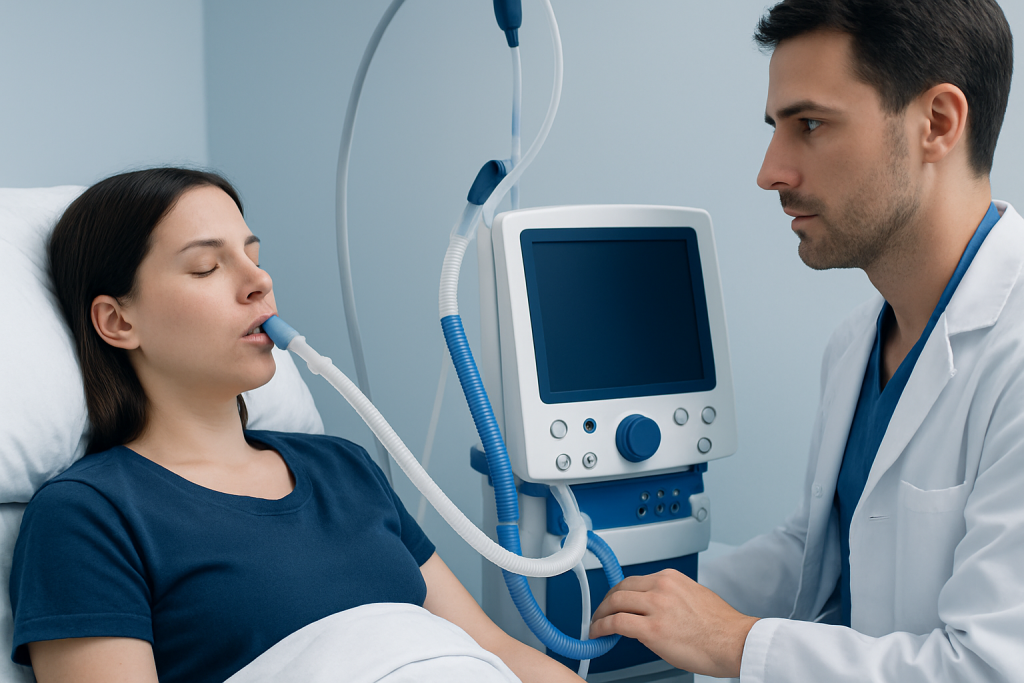
Symptoms of epiglottitis can develop over hours or, less often, over a day or two. Severe sore throat, pain with swallowing, and a muffled or “hot potato” voice are common early features. Many people feel much worse than a simple throat infection would suggest.
As swelling increases, other symptoms may appear. These can include drooling because swallowing is too painful, noisy breathing, fever, restlessness, and a feeling of shortness of breath. Some people prefer to sit leaning forward because it feels easier to breathe in that position.
Symptoms can differ somewhat by age. Children may become anxious, unusually quiet, or have visible breathing effort. Adults may report severe throat pain, trouble swallowing saliva, and voice changes before obvious breathing difficulty appears.
- Severe sore throat out of proportion to what is visible
- Painful or difficult swallowing
- Drooling
- Muffled voice or hoarseness
- Noisy breathing or stridor
- Fever
- Breathing difficulty or rapid breathing
Causes and risk factors

Epiglottitis is often caused by infection. Historically, Hib was a leading cause in children, but vaccination has greatly reduced those cases. Today, other bacteria such as streptococci and staphylococci can also be responsible, and viral or fungal causes are possible in some situations.
Not all cases are infectious. Direct injury to the throat, swallowing a very hot liquid, exposure to irritating chemicals or smoke, and trauma from a foreign body may also inflame the epiglottis. In adults, underlying medical conditions that affect immunity can increase vulnerability to serious infections.
Several factors may raise the risk of developing epiglottitis or severe disease:
- Incomplete Hib vaccination, especially in children
- Close exposure to respiratory infections
- Weakened immune system
- Diabetes or other chronic illness
- Throat injury, burns, or inhaled irritants
- Older age, since adult epiglottitis is well recognized
Because symptoms can overlap with other throat and airway problems, doctors also consider related conditions such as tonsillitis or other upper-airway infections when evaluating a patient. The key concern is identifying whether the airway itself is becoming threatened.
How epiglottitis is diagnosed
Diagnosis starts with a careful clinical assessment. The first priority is not testing but making sure the person is breathing safely. If there are signs of airway compromise, the medical team focuses on monitoring, oxygen if needed, and preparing airway support in a controlled setting.
Doctors may suspect epiglottitis based on symptoms such as drooling, stridor, severe throat pain, and difficulty swallowing. In a stable patient, a specialist may look at the throat with a flexible fiberoptic scope to visualize swelling. This is usually done in an appropriate clinical environment because unnecessary throat manipulation can worsen distress in an unstable patient.
Other tests may help confirm the diagnosis or look for the cause. These can include blood tests, blood cultures, and imaging such as a lateral neck X-ray in selected cases. If the person is stable enough, ENT evaluation is often important, and some patients may need assessment related to ENT care.
Clinicians also consider other causes of severe throat symptoms and breathing noise, including croup, abscesses around the tonsils, allergic swelling, and inhaled foreign bodies. The diagnosis is guided by the overall picture, especially how much the swelling is affecting the airway.
Treatment options and hospital care
Treatment for epiglottitis depends on how severe the swelling is and whether breathing is at risk. Many patients need care in the hospital so they can be monitored closely. The main goals are to keep the airway open, treat the underlying cause, and reduce inflammation.
If there is concern that the airway may close, doctors may secure it with careful airway management. This may involve support from emergency physicians, anesthesiologists, and ENT specialists, and in serious cases admission to intensive care for observation and treatment. Once the airway is stable, treatment commonly includes intravenous antibiotics when a bacterial infection is suspected and supportive fluids if swallowing is difficult.
Anti-inflammatory medicines may be used to help reduce swelling, depending on the clinical situation. Pain relief, humidified oxygen, and close monitoring of oxygen levels and breathing effort are also common parts of care. Most people improve with timely treatment, but the exact recovery time varies with the cause and severity.
Because epiglottitis can involve both airway and swallowing structures, some patients may also benefit from coordinated evaluation by specialists in otolaryngology or related services. At the end of treatment, doctors may review vaccination status, likely triggers, and follow-up needs before discharge.
Recovery, prevention, and self-care
Recovery usually begins once swelling is controlled and the infection or irritation is treated. Many people feel better within days, though full recovery can take longer depending on severity. Rest, hydration, and following all medical instructions are important after leaving the hospital.
At home, self-care should focus on comfort and safe recovery rather than trying to manage symptoms without guidance. Soft foods, adequate fluids, and avoiding smoke or other throat irritants may help while the throat heals. Any worsening of swallowing, fever, or breathing should prompt immediate reassessment.
Prevention is not always possible, but some steps lower risk. Keeping childhood vaccinations up to date, especially Hib vaccination, is important. Good hand hygiene and avoiding close contact with respiratory infections when possible may also help reduce exposure to infectious causes.
People with chronic illness or reduced immunity should seek medical advice early for severe throat symptoms. In international centers such as Acibadem International, multidisciplinary specialists in JCI-accredited hospitals diagnose and treat airway and throat conditions for patients traveling from abroad.
When to seek medical care
Suspected epiglottitis should be treated as urgent. Immediate medical care is needed if there is breathing difficulty, noisy breathing, drooling, inability to swallow, bluish lips, marked agitation, or a child who seems exhausted or unusually still while struggling to breathe.
It is also important to seek prompt assessment for severe sore throat with a muffled voice, especially when symptoms seem much worse than a typical throat infection. Someone with these symptoms should avoid lying flat and should not try to forcefully examine the throat at home.
Routine sore throats are common, but epiglottitis is different because the airway may narrow quickly. If there is any doubt about swallowing trouble or breathing change, urgent evaluation in an emergency setting is the safest step. Early treatment greatly improves the chance of a smooth recovery.
Frequently asked questions
Is epiglottitis an emergency?
Yes. Epiglottitis can become an emergency because swelling of the epiglottis may narrow the airway and make breathing difficult. Anyone with trouble breathing, drooling, or difficulty swallowing saliva should get urgent medical care.
Can adults get epiglottitis, or is it only seen in children?
Adults can definitely get epiglottitis. Although Hib vaccination reduced many childhood cases, adult epiglottitis still occurs and may present with severe throat pain, painful swallowing, and voice changes.
What causes epiglottitis?
It is often caused by infection, especially bacterial infection, but it can also result from injury or irritation. Hot liquid burns, throat trauma, inhaled irritants, and in some cases viral or fungal infections may contribute.
How is epiglottitis different from a regular sore throat?
A regular sore throat usually causes discomfort without threatening the airway. Epiglottitis often causes much more severe pain, trouble swallowing, drooling, muffled voice, or breathing symptoms, even when the throat does not look dramatically inflamed.
How do doctors treat epiglottitis?
Doctors first make sure the airway is safe and monitor breathing closely. Treatment may include hospital observation, oxygen, intravenous antibiotics if infection is suspected, fluids, and sometimes medicines to reduce swelling.
Can epiglottitis be prevented?
Some cases can be prevented, especially those related to Hib infection, through routine vaccination. Avoiding smoke and irritants, practicing good hygiene, and seeking early care for severe throat symptoms may also help reduce risk.
References
- Centers for Disease Control and Prevention
- National Institute on Deafness and Other Communication Disorders
- American Academy of Otolaryngology–Head and Neck Surgery
- Merck Manual Professional Edition
- World Health Organization
This article is for general information only and is not a substitute for professional medical advice. Please consult a qualified doctor about your individual situation.
Explore treatments in Turkey — costs, top hospitals & a free quote
JCI-accredited · board-certified surgeons · reply within 24h
Add us as a Preferred Source to see more of our trusted health content across Google Search, AI Overviews and Discover.