Understanding Kallmann Syndrome: A Complete Patient Guide

Kallmann syndrome usually combines delayed puberty with a reduced or absent sense of smell. It is a form of hypogonadotropic hypogonadism, meaning the brain does not send normal hormone signals to the ovaries or testes.
Key Takeaways
- Kallmann syndrome usually combines delayed puberty with a reduced or absent sense of smell.
- It is a form of hypogonadotropic hypogonadism, meaning the brain does not send normal hormone signals to the ovaries or testes.
- Diagnosis often involves medical history, hormone blood tests, smell assessment, and imaging or genetic testing in selected cases.
- Treatment commonly includes hormone replacement and, when desired, fertility treatment.
- Early care can support growth, bone strength, sexual health, and psychological well-being.
- A person with delayed puberty or absent periods should be assessed by a qualified doctor.
Kallmann syndrome is a genetic condition that causes delayed or absent puberty together with a reduced or absent sense of smell. With timely diagnosis and specialist care, most people can receive treatment to support sexual development, bone health, emotional well-being, and fertility.
What Kallmann Syndrome Is
Kallmann syndrome is a rare genetic condition in which puberty is delayed or does not begin because the body makes too little of the hormones that trigger sexual development. It also affects the sense of smell, which is often reduced or absent. In most people, these two features appear together and help point doctors toward the diagnosis.
More specifically, Kallmann syndrome is a form of hypogonadotropic hypogonadism. This means the hypothalamus and pituitary gland do not send normal signals to the ovaries or testes. As a result, the body produces too little estrogen or testosterone, and the usual physical changes of puberty may not happen on time.
The condition can affect males and females, although it is diagnosed more often in males because delayed puberty may be more noticeable. Some people are diagnosed in adolescence, while others are not recognized until adulthood, especially if the main concern is infertility or a long-standing reduced sense of smell.
Kallmann syndrome is lifelong, but it is treatable. Hormone therapy can support puberty and adult hormonal health, and many people can also receive fertility care when they are ready to try for a pregnancy. Related conditions such as hypogonadism may be part of the broader medical discussion during evaluation.
Signs and Symptoms
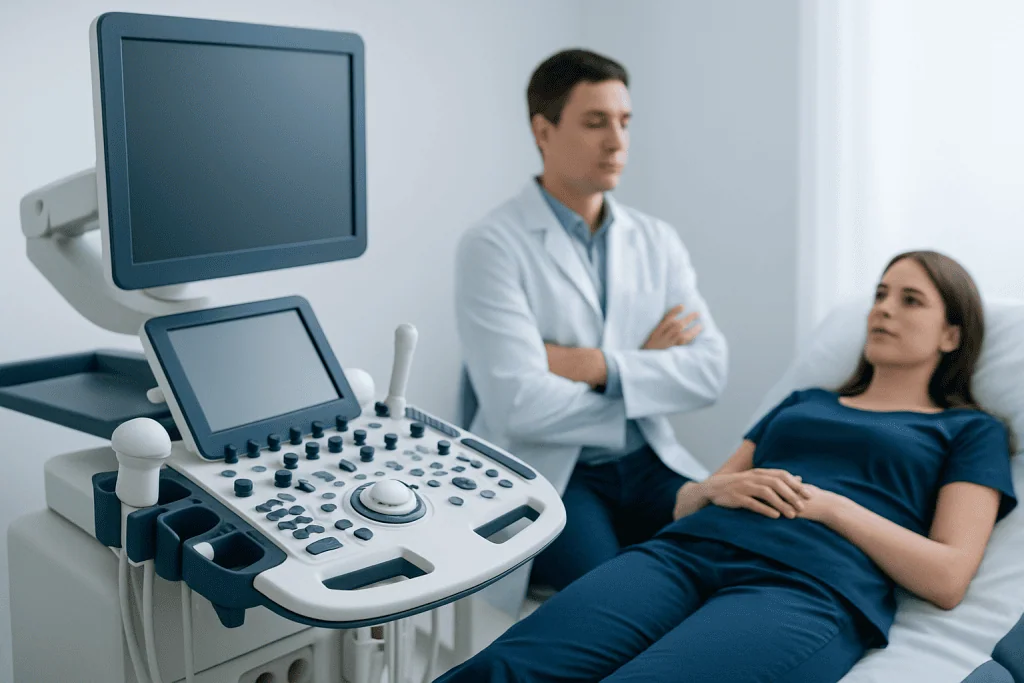
The most common sign of kallmann syndrome is delayed or absent puberty. In boys, this may mean little increase in testicular size, limited facial or body hair, a high-pitched voice, or reduced muscle development. In girls, it often appears as absent breast development, little pubic hair, or periods that do not start.
A reduced or absent sense of smell is another key symptom. Some people recognize this early in life, while others only notice it when a doctor specifically asks. Because smell changes may seem unrelated to puberty, the diagnosis can be missed unless both symptoms are considered together.
Other features can vary from person to person. Some may have low energy, reduced sexual desire, or concerns about self-esteem linked to delayed development. Bone density may also be affected over time if sex hormone levels remain low for many years.
- Delayed or absent puberty
- No menstrual periods or very late first period
- Small testes or limited penile growth
- Reduced facial, underarm, or pubic hair
- Reduced or absent sense of smell
- Infertility in adulthood
Less commonly, some people may have additional differences such as hearing problems, cleft lip or palate, kidney abnormalities, or unusual mirror movements of the hands. These features do not occur in everyone, but they can help support the diagnosis in some families.
Why It Happens and Who Is at Risk

Kallmann syndrome develops because certain nerve cells do not move to their usual place during early fetal development. These cells normally help regulate the release of gonadotropin-releasing hormone, which starts the chain of signals needed for puberty and fertility. The same developmental pathway is linked to the sense of smell, which is why both problems often appear together.
Several genes have been associated with kallmann syndrome, and inheritance patterns can vary. In some families, the condition is passed down in an X-linked, autosomal dominant, or autosomal recessive way. In others, there may be no known family history, either because of a new genetic change or because relatives have very mild symptoms that were never diagnosed.
Having a family member with delayed puberty, infertility, or a poor sense of smell may increase suspicion, but it does not confirm the condition on its own. Kallmann syndrome is not caused by diet, exercise, or stress. It is also different from constitutional delay of growth and puberty, which is a more common and often temporary reason for later development.
Doctors usually also consider other causes of low puberty hormones, including chronic illness, pituitary disorders, and other forms of pituitary conditions. Careful evaluation is important because the treatment plan depends on the underlying cause.
How Doctors Diagnose Kallmann Syndrome
Diagnosis begins with a detailed medical history and physical examination. A doctor asks about growth, pubertal changes, menstrual history, sexual development, fertility concerns, and sense of smell. Family history is also important, especially if relatives had delayed puberty, infertility, or known genetic conditions.
Blood tests are used to measure hormone levels. These commonly include luteinizing hormone, follicle-stimulating hormone, testosterone or estrogen levels, and sometimes prolactin, thyroid function, and other pituitary-related hormones. The pattern often shows low sex hormones together with low or inappropriately normal gonadotropins.
Imaging may be recommended to look at the brain and pituitary region and to assess the olfactory structures. In selected patients, MRI helps rule out other conditions and may support the diagnosis. Genetic testing can sometimes identify a cause, although a normal genetic test does not rule kallmann syndrome out.
Specialists may also evaluate bone age, bone density, or reproductive anatomy when needed. Depending on age and symptoms, assessment may involve pediatric endocrinology, adult endocrinology, genetics, gynecology, or urology. If endocrine imaging is needed, a clinician may recommend MRI evaluation as part of a broader workup.
Treatment and Long-Term Care
Treatment depends on the person’s age, goals, and hormone levels. The main aim is to replace missing hormones, support normal development, protect bone health, and address fertility when desired. Care is usually coordinated by an endocrinologist and may involve reproductive specialists later on.
For adolescents, treatment often starts with hormone replacement to induce puberty gradually. Boys may receive testosterone therapy, while girls may receive estrogen followed later by progesterone if appropriate. This helps support physical development, sexual health, mood, and bone strength.
Adults who are not trying to conceive usually continue hormone replacement for long-term health. However, standard hormone replacement alone does not restore fertility. When pregnancy is desired, more specialized treatment is used to stimulate the ovaries or testes through gonadotropin therapy or pulsatile hormone therapy in selected centers. Some patients may benefit from a formal fertility treatment assessment if conception becomes a goal.
Because living with delayed puberty or infertility can be emotionally difficult, psychological support can also be helpful. Follow-up visits allow doctors to review treatment response, monitor side effects, and assess bone health and reproductive planning. For people with male infertility related to low hormone signaling, male infertility care may be part of longer-term management.
Daily Life, Self-Care, and Family Planning
Although kallmann syndrome cannot be prevented, early recognition can reduce complications. Timely treatment helps support puberty, adult sexual health, and bone protection. It can also ease uncertainty for young people and families who may have struggled to understand why development is delayed.
Healthy habits remain important alongside medical care. A balanced diet, regular weight-bearing exercise, adequate sleep, and avoidance of smoking help support general health and bones. People should not stop hormone treatment without discussing it with their doctor, because ongoing low hormone levels may affect well-being and bone density.
Family planning deserves a thoughtful, individualized discussion. Many people with kallmann syndrome can pursue pregnancy with specialist fertility treatment, though the process may take time and close monitoring. Genetic counseling may also be useful for those who want to understand inheritance patterns and possible risks for future children.
In complex cases, multidisciplinary review can be valuable. Acibadem International’s multidisciplinary specialists in JCI-accredited hospitals diagnose and treat kallmann syndrome for international patients, including endocrine evaluation and reproductive planning when needed. In some women, evaluation may overlap with broader infertility care depending on symptoms and goals.
When to Seek Medical Care
A person should seek medical advice if puberty seems delayed, periods have not started, testicular growth is absent, or the sense of smell is very poor or absent. These signs do not always mean kallmann syndrome, but they do deserve proper assessment. Earlier evaluation often makes treatment planning easier and can reduce avoidable stress.
Parents may wish to arrange a review if a child is much later than peers in showing signs of puberty. Adults should also seek care if they have unexplained infertility, long-standing absent periods, very low libido, or persistent symptoms of low sex hormones. A doctor can help distinguish kallmann syndrome from other hormonal or reproductive conditions.
Urgent care is not usually needed for the syndrome itself, but rapid medical attention is appropriate if there are severe headaches, vision changes, or other neurological symptoms, since these may suggest a different condition affecting the pituitary area. Keeping a record of growth, menstrual history, and family history can be helpful before the appointment.
The best first step is usually a primary care physician, pediatrician, endocrinologist, gynecologist, or urologist, depending on age and symptoms. If needed, they can guide further testing and referral to the right specialist team.
Frequently asked questions
Is kallmann syndrome the same as delayed puberty?
No. Kallmann syndrome is one specific cause of delayed or absent puberty, and it is usually linked to a reduced or absent sense of smell. Many other conditions can also delay puberty, so a medical assessment is needed to identify the cause.
Can people with kallmann syndrome have children?
Yes, many can, but they often need specialist fertility treatment because routine hormone replacement does not usually restore fertility by itself. The exact approach depends on whether the person has ovaries or testes, their overall hormone profile, and their reproductive goals.
Does everyone with kallmann syndrome lose their sense of smell completely?
Not always. Some people have no sense of smell, while others notice only a reduced ability to smell. In a few cases, smell changes are subtle and are only recognized during medical evaluation.
Is kallmann syndrome inherited?
It can be. Several genes are associated with the condition, and inheritance patterns vary between families. Some people have a clear family history, while others are the first known person in their family to be diagnosed.
At what age is kallmann syndrome usually diagnosed?
It is often diagnosed during adolescence when puberty does not begin or progress as expected. However, some people are diagnosed later in adulthood, especially if infertility or absent periods becomes the main reason for evaluation.
Does treatment cure kallmann syndrome?
Treatment does not remove the underlying genetic cause, but it can manage the effects of the condition very effectively. Hormone therapy can support puberty and long-term health, and fertility treatment may help many people conceive when they are ready.
References
- National Institute of Diabetes and Digestive and Kidney Diseases
- National Organization for Rare Disorders
- MedlinePlus Genetics
- NHS
- Endocrine Society
This article is for general information only and is not a substitute for professional medical advice. Please consult a qualified doctor about your individual situation.
IVF & fertility treatment in Turkey — success rates and costs
JCI-accredited · board-certified surgeons · reply within 24h
Add us as a Preferred Source to see more of our trusted health content across Google Search, AI Overviews and Discover.

More from the Health Library



Related Specialists

Dr. Arzu Morçiçek
Oral & Dental Health
Assoc. Prof. Dr. Tonguç Utku Yilmaz
General Surgery
Dr. Aytan Seydalıyeva
Infectious Diseases & Clinical Microbiology
Assoc. Prof. Dr. Seçkin Satılmış
Cardiology