Understanding Most Deadly Cancer: A Complete Patient Guide

Lung cancer is often considered the most deadly cancer because it causes more cancer deaths than many other types. Pancreatic, liver, and some brain cancers are also considered highly serious because they are often found late or can grow aggressively.
Key Takeaways
- Lung cancer is often considered the most deadly cancer because it causes more cancer deaths than many other types.
- Pancreatic, liver, and some brain cancers are also considered highly serious because they are often found late or can grow aggressively.
- Cancer outlook depends on the exact type, stage, tumor biology, overall health, and response to treatment.
- Early evaluation of persistent symptoms can improve the chance of finding cancer at a more treatable stage.
- Modern care may include surgery, chemotherapy, radiotherapy, targeted therapy, immunotherapy, or supportive care.
Most deadly cancer usually means the cancer responsible for the most deaths, and in many countries that is lung cancer. However, the "deadliest" cancer can also mean the one with the lowest survival rate, so the answer depends on whether mortality, aggressiveness, or stage at diagnosis is being discussed.
What does “most deadly cancer” mean?
When people ask about the most deadly cancer, they are usually asking one of two things: which cancer causes the most deaths, or which cancer is hardest to survive. These are related but not identical questions. A cancer may be very common and therefore cause many deaths overall, while another may be rarer but more aggressive for each individual diagnosed.
In population terms, lung cancer is widely recognized as the leading cause of cancer-related death in many parts of the world. This is one reason it is often described as the most deadly cancer. Other cancers that are frequently discussed in this context include pancreatic cancer, liver cancer, stomach cancer, and certain brain tumors, because they may be difficult to detect early or may progress quickly.
It is also important to remember that cancer outcomes are not fixed. Survival depends on factors such as stage at diagnosis, the cancer’s molecular features, age, general health, and access to timely treatment. For many people, advances in screening, imaging, surgery, radiation therapy, systemic treatments, and supportive care have improved outcomes.
Which cancers are considered the deadliest?
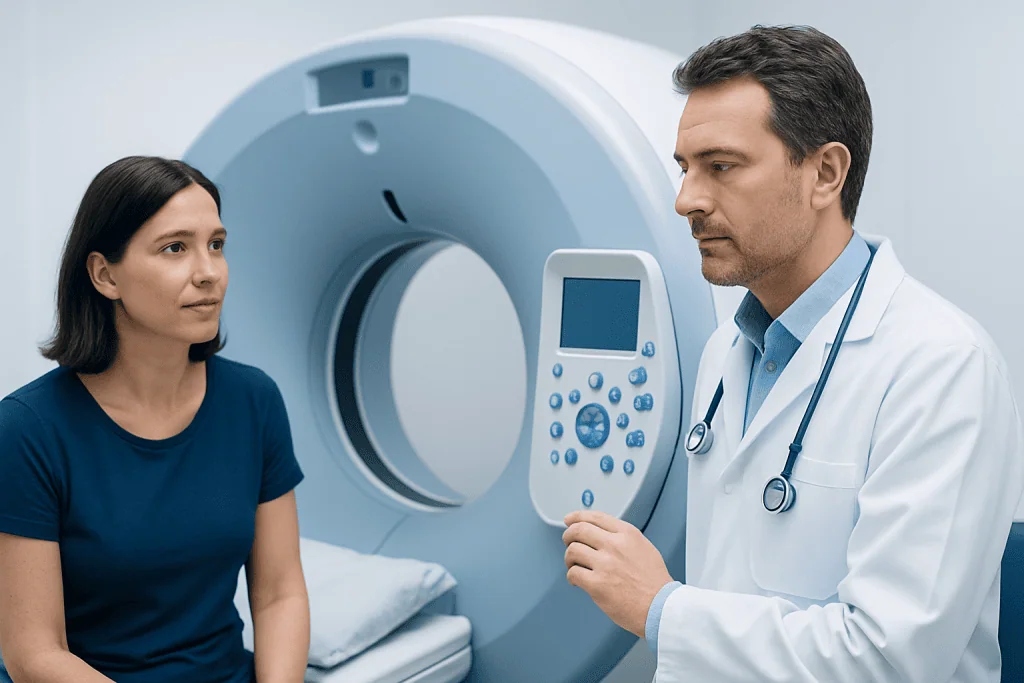
The deadliest cancers are often grouped in two ways: those causing the highest number of deaths and those with the lowest average survival. Lung cancer commonly leads overall cancer mortality because it is both common and often diagnosed after it has spread. Lung cancer can develop with few early symptoms, which is one reason it remains such a major health concern.
Pancreatic cancer is often considered one of the hardest cancers to treat because symptoms may be vague at first and many cases are diagnosed at an advanced stage. Liver cancer, esophageal cancer, and some forms of brain cancer may also carry a serious outlook for similar reasons. These cancers can affect vital organs, limit treatment choices, or behave aggressively.
By contrast, some common cancers such as certain breast, prostate, thyroid, or skin cancers may have better outcomes when found early, though they can still be life-threatening in advanced stages. This is why there is no single answer that fits every patient. A diagnosis should always be discussed in the context of the specific cancer type rather than broad labels alone.
- Often highest in total deaths: lung, colorectal, liver, stomach
- Often lower average survival: pancreatic, liver, certain brain and esophageal cancers
- Strongly influenced by stage: almost all cancers, especially when detected late
Why some cancers are more dangerous than others
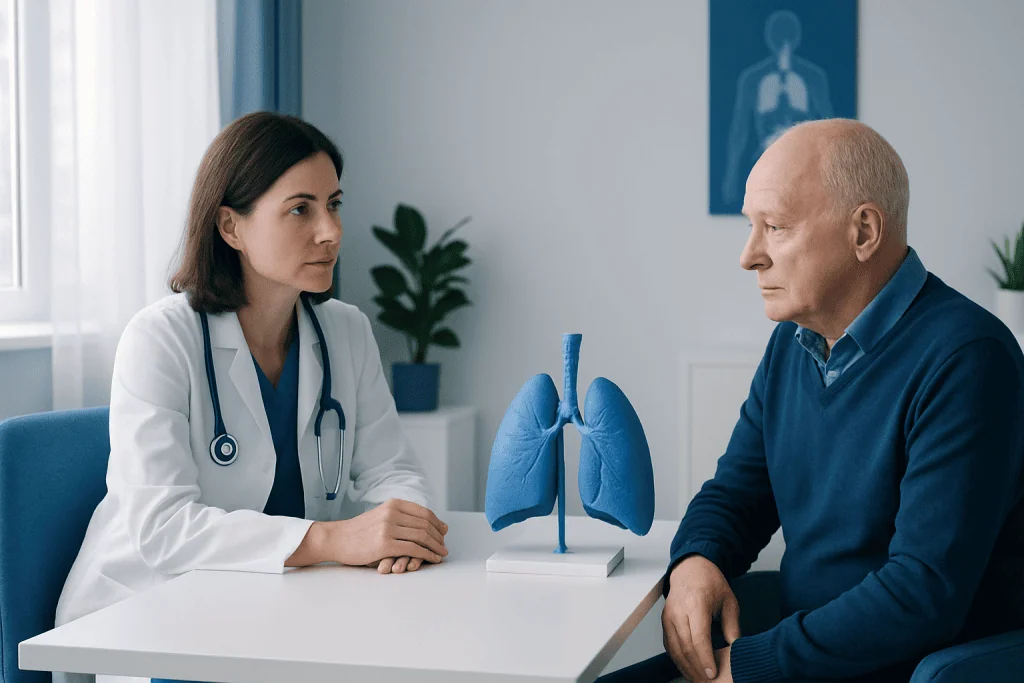
A cancer may be especially dangerous if it grows quickly, spreads early, or begins in an organ where symptoms appear only after significant progression. Tumors in the lung, pancreas, liver, or ovaries may not cause obvious warning signs at first. By the time problems become noticeable, the disease may already be more advanced.
Biology also matters. Some tumors have genetic or molecular changes that make them more aggressive. Others may be resistant to certain treatments or more likely to return after initial therapy. This is why modern cancer care often includes detailed pathology and molecular testing to guide treatment planning.
Another important factor is whether effective screening exists. For example, some cancers can be found earlier through screening or surveillance in high-risk groups, while others still lack reliable early detection methods. Earlier diagnosis generally allows more treatment options, including cancer surgery when the disease is still localized.
General health can influence outcomes too. People with significant heart, lung, liver, or kidney disease may have fewer safe treatment options, and smoking, alcohol use, obesity, chronic viral hepatitis, and inherited cancer syndromes can all affect risk or prognosis depending on the cancer involved.
Symptoms that may need attention
Cancer symptoms vary widely, and many are not specific to cancer alone. Still, persistent, unexplained changes deserve medical review, especially when they do not improve. Warning signs can include a cough that does not go away, coughing up blood, chest pain, unexplained weight loss, loss of appetite, ongoing fatigue, persistent abdominal pain, jaundice, changes in bowel habits, or new neurologic symptoms such as worsening headaches or weakness.
Some cancers cause subtle symptoms at first. Pancreatic cancer may lead to back pain, indigestion, or new diabetes. Liver cancer may cause abdominal swelling, discomfort on the right side, or yellowing of the eyes and skin. Colon and rectal cancers can present with blood in the stool, anemia, or altered bowel movements. Ovarian cancer may cause bloating, pelvic discomfort, or a feeling of fullness.
These symptoms do not mean a person has cancer, but they should not be ignored if they are persistent, progressive, or unexplained. Keeping track of when symptoms started, what makes them better or worse, and whether they are associated with weight loss, fevers, or night sweats can help a doctor decide which tests are needed.
How doctors diagnose and assess the outlook
Diagnosis usually starts with a medical history, physical examination, and imaging or laboratory tests based on the symptoms. A person with a long-lasting cough may need chest imaging, while unexplained abdominal symptoms may lead to ultrasound, CT, or MRI scans. Blood tests can show clues such as anemia, abnormal liver function, or signs of inflammation, but they do not confirm cancer on their own.
The diagnosis of cancer generally requires a tissue sample. A biopsy allows doctors to identify the exact cancer type and grade, and often to study molecular markers that may affect treatment choices. Depending on the location, a biopsy may be done with a needle, endoscopy, bronchoscopy, or surgery. For some people, PET-CT helps show whether the cancer has spread and supports staging.
Staging describes how far the cancer has grown locally and whether it has spread to lymph nodes or distant organs. This is one of the strongest predictors of outlook. Doctors may also consider performance status, organ function, and specific biomarkers. The goal is to build a realistic, individualized treatment plan rather than rely on general statements about the deadliest cancers.
Treatment options and what they aim to do
Treatment depends on the cancer type and stage, as well as the patient’s overall condition and goals. For localized disease, surgery may offer the best chance of long-term control or cure. Radiation therapy can be used alone or with other treatments, especially when a tumor cannot be fully removed or needs to be reduced before surgery. Radiation oncology is also used to relieve symptoms such as pain, bleeding, or pressure on nearby structures.
Systemic treatment works throughout the body and may include chemotherapy, targeted therapy, immunotherapy, hormone therapy, or combinations of these. Targeted medicines are chosen when a tumor has specific molecular features. Immunotherapy may help the immune system recognize and attack cancer cells, and in some cancers it has changed long-term outcomes for selected patients.
In advanced cancer, treatment may still be very valuable even when cure is unlikely. It can slow tumor growth, reduce symptoms, improve quality of life, and sometimes prolong survival. Supportive and palliative care are an important part of treatment from the beginning, not only at the end of life. This care addresses pain, breathing problems, nutrition, fatigue, emotional stress, and practical needs.
Because deadlier cancers often require complex decision-making, multidisciplinary care is especially important. Patients may benefit from coordinated input from oncologists, surgeons, radiologists, pathologists, pulmonologists, gastroenterologists, pain specialists, and nutrition teams. In appropriate cases, evaluation for medical oncology treatments and clinical trials may also be considered.
Can the risk be reduced?
Not every cancer can be prevented, but many risk factors are modifiable. Avoiding tobacco is one of the most important steps because smoking greatly increases the risk of lung cancer and contributes to several other cancers as well. Limiting alcohol, maintaining a healthy weight, staying physically active, and following a balanced diet may also help lower risk.
Vaccination and treatment of underlying conditions are important in some cancers. Hepatitis B vaccination and proper management of chronic hepatitis can reduce the risk of liver cancer. Human papillomavirus vaccination lowers the risk of several cancers, including cervical and some head and neck cancers. People with chronic reflux, inflammatory bowel disease, cirrhosis, or inherited cancer syndromes may need regular surveillance.
Screening can save lives when used appropriately. Depending on age and risk factors, this may include screening for colorectal, breast, cervical, prostate, or lung cancer. People with a history of heavy smoking may qualify for low-dose CT lung screening after discussion with a doctor. Prevention is not a guarantee, but it can lower risk and improve the chance of early detection.
When to seek medical care
Medical care should be sought promptly for symptoms that are severe, progressive, or unexplained. These include coughing up blood, new jaundice, persistent chest pain, shortness of breath, seizures, confusion, blood in the stool, unexplained weight loss, or worsening pain that interferes with daily life. Urgent assessment is also important for sudden weakness, severe headache, or signs of bowel obstruction.
Even milder symptoms deserve attention if they persist for several weeks or keep returning. A continuing cough, new digestive problems, ongoing bloating, difficulty swallowing, or fatigue with no clear cause should be discussed with a qualified doctor. Early evaluation does not always mean cancer is present, but it can help rule out serious conditions or find them at a more treatable stage.
For people already diagnosed with cancer, doctors should be contacted if there are signs of infection, dehydration, uncontrolled pain, new neurologic symptoms, bleeding, or side effects that make it hard to eat, drink, or breathe comfortably. Near the end of a patient’s care journey, Acibadem International’s multidisciplinary specialists in JCI-accredited hospitals diagnose and treat complex cancers for international patients, including conditions such as pancreatic cancer when specialist assessment is needed.
Frequently asked questions
What is the most deadly cancer overall?
In many countries, lung cancer is considered the most deadly cancer because it causes the highest number of cancer-related deaths. This reflects both how common it is and the fact that it is often diagnosed at a later stage.
Is pancreatic cancer deadlier than lung cancer?
Pancreatic cancer often has a very serious outlook on an individual level because it is commonly found late and can be difficult to treat. Lung cancer, however, usually causes more deaths overall across the population because it is more common.
Can the deadliest cancers be cured?
Some can be cured if they are found early and treated promptly, especially when the disease is still localized. Even when cure is not possible, treatment may control the cancer, reduce symptoms, and improve quality of life.
Why are some cancers found so late?
Certain cancers cause few symptoms in their early stages or develop in organs where changes are hard to notice. In some cases, there is also no routine screening test for the general population, which makes early detection more challenging.
Does having symptoms mean a person has cancer?
No. Many cancer-like symptoms, such as cough, fatigue, bloating, or weight loss, can also be caused by less serious conditions. The key concern is when symptoms are persistent, unexplained, or getting worse, because those situations deserve medical evaluation.
Can lifestyle changes lower the risk of deadly cancers?
Yes, lifestyle changes can reduce risk, though they cannot prevent every case. Avoiding tobacco, limiting alcohol, staying physically active, maintaining a healthy weight, and attending recommended screening can all help.
References
- World Health Organization
- American Cancer Society
- National Cancer Institute
- Centers for Disease Control and Prevention
- National Comprehensive Cancer Network
This article is for general information only and is not a substitute for professional medical advice. Please consult a qualified doctor about your individual situation.
Oncology care in Turkey — second opinion and treatment plan
JCI-accredited · board-certified surgeons · reply within 24h
Add us as a Preferred Source to see more of our trusted health content across Google Search, AI Overviews and Discover.