Understanding Musculoskeletal Disorders: A Complete Patient Guide

Musculoskeletal disorders involve the body's movement system, including muscles, bones, joints, tendons, and ligaments. Common symptoms include pain, stiffness, swelling, weakness, and difficulty moving or doing daily activities.
Key Takeaways
- Musculoskeletal disorders involve the body's movement system, including muscles, bones, joints, tendons, and ligaments.
- Common symptoms include pain, stiffness, swelling, weakness, and difficulty moving or doing daily activities.
- Causes range from overuse and injuries to arthritis, aging, posture problems, and underlying medical conditions.
- Diagnosis often combines a physical exam, symptom history, imaging, and sometimes blood tests.
- Treatment may include exercise-based rehabilitation, medicines, lifestyle changes, injections, or surgery in selected cases.
- Medical assessment is important if symptoms are severe, persistent, worsening, or follow an injury.
Musculoskeletal disorders are conditions that affect the muscles, bones, joints, tendons, ligaments, and related tissues. They can cause pain, stiffness, weakness, and reduced mobility, but many improve with timely diagnosis, targeted treatment, and practical self-care.
Overview: What Musculoskeletal Disorders Are
Musculoskeletal disorders are a broad group of conditions that affect the body’s support and movement system. This includes bones, joints, muscles, tendons, ligaments, cartilage, and soft tissues. In simple terms, these conditions can make movement painful, stiff, weak, or less coordinated, which may interfere with work, exercise, sleep, and everyday activities.
Rather than being a single disease, musculoskeletal disorders include many different problems. Some are short-term, such as strains, sprains, or tendon irritation after overuse. Others are long-term conditions, such as arthritis, chronic back pain, tendon disorders, or age-related joint degeneration. Symptoms may start suddenly after an injury or develop gradually over time.
These disorders are very common across all age groups. Office workers may develop neck, shoulder, or wrist problems from repetitive tasks and poor ergonomics. Athletes may experience tendon injuries or overuse syndromes. Older adults are more likely to develop osteoarthritis, osteoporosis, and spine-related pain. Although symptoms are common, they should not simply be accepted as an unavoidable part of life.
Early attention often helps prevent symptoms from becoming chronic. A careful assessment can identify whether the issue is mainly related to inflammation, wear and tear, mechanical strain, nerve involvement, or another underlying medical condition. From there, treatment can be tailored to restore comfort, mobility, and function.
Common Symptoms and How They May Feel
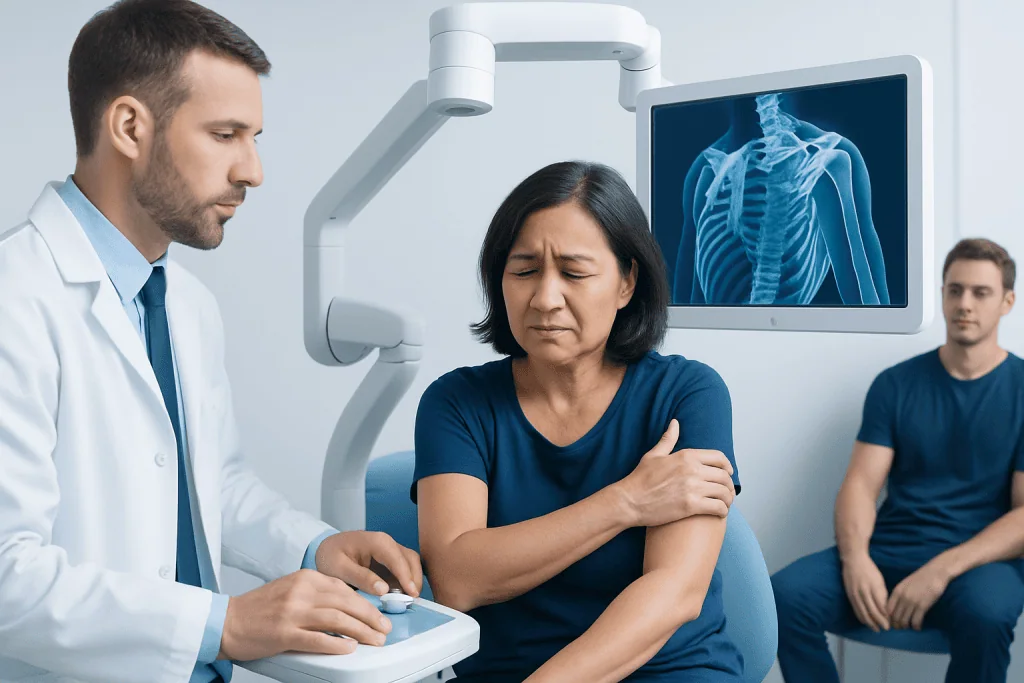
Symptoms vary depending on which tissue is affected and how severe the problem is. Pain is the most common complaint, but the quality of pain can differ. Some people describe aching in the muscles or joints, while others notice sharp pain with movement, tenderness to touch, or a deep soreness that worsens at the end of the day.
Stiffness is another frequent symptom, especially after rest or on waking up in the morning. Joints may feel difficult to bend, muscles may seem tight, and certain movements may become limited. Swelling, warmth, clicking, grinding, or a feeling that a joint is unstable can also occur. If nerves are involved, there may be numbness, tingling, burning, or weakness.
Musculoskeletal disorders can affect almost any body area, but common locations include the neck, shoulders, lower back, hips, knees, hands, and feet. Symptoms may be mild and occasional, or they may become persistent enough to affect daily tasks such as walking, climbing stairs, lifting objects, typing, or sleeping comfortably.
- Pain during movement or after activity
- Stiffness, especially after rest
- Swelling or tenderness around a joint or muscle
- Weakness, reduced grip, or limited range of motion
- Numbness or tingling if nerves are irritated
- Fatigue related to chronic pain or poor sleep
Causes and Risk Factors

Musculoskeletal disorders can develop for many reasons. Repetitive strain is a common cause, especially in people who perform the same movements often at work, in sports, or during household tasks. Heavy lifting, awkward posture, prolonged sitting, and sudden increases in activity can all place extra stress on muscles, tendons, and joints.
Age-related changes also play a role. Cartilage can wear down over time, tendons may become less flexible, and bone strength may decrease. This can contribute to conditions such as osteoarthritis or fractures. Inflammatory and autoimmune diseases can also affect the musculoskeletal system, leading to joint pain, swelling, and stiffness.
Other risk factors include previous injuries, obesity, poor conditioning, smoking, diabetes, vitamin D deficiency, and jobs that involve vibration, forceful exertion, or long periods in one position. Some people have structural differences, such as flat feet or spine alignment problems, that change how forces are distributed through the body and increase strain.
Sometimes symptoms reflect a specific condition that needs focused evaluation, such as osteoporosis or a spinal disc problem. In other cases, more than one factor is involved. For example, a person may have mild joint wear, weak supporting muscles, and workstation habits that together create ongoing pain.
How Musculoskeletal Disorders Are Diagnosed
Diagnosis begins with a detailed medical history. A doctor will usually ask when symptoms started, where they are felt, what makes them better or worse, and whether there was a recent injury, repetitive task, fever, weight loss, or morning stiffness. They may also ask about work, sports, medications, previous conditions, and family history.
A physical examination helps identify the likely source of symptoms. The clinician may check posture, gait, joint movement, muscle strength, tenderness, swelling, reflexes, and signs of nerve irritation. This step is important because pain felt in one area may actually come from another structure, such as hip disease causing knee pain or a neck problem causing arm symptoms.
Tests are selected based on the suspected cause. X-rays can show fractures, alignment changes, or joint degeneration. Ultrasound and MRI are useful for tendons, ligaments, cartilage, and soft tissues, and may be considered when symptoms are persistent or the diagnosis is unclear. Blood tests may help if an inflammatory, metabolic, or autoimmune disorder is possible.
Some patients benefit from specialist input, particularly if symptoms are complex or do not improve as expected. Depending on the problem, care may involve orthopedics, rheumatology, physical medicine and rehabilitation, pain medicine, neurology, or physiotherapy. The goal is not only to name the condition, but also to understand how it affects movement and quality of life.
Treatment Options and Recovery
Treatment depends on the underlying cause, symptom severity, and how much daily life is affected. Many musculoskeletal disorders improve with a combination of relative rest, activity modification, heat or cold application, and structured rehabilitation. Complete inactivity is often not ideal; guided movement usually supports healing and helps prevent stiffness and deconditioning.
Exercise-based therapy is central for many conditions. Targeted stretching, strengthening, posture training, and balance work can reduce pain and improve function. For persistent back, joint, or soft-tissue problems, a doctor may recommend physical therapy and rehabilitation to address movement patterns and build support around the affected area.
Medicines may be used to relieve pain or inflammation, depending on the diagnosis and the person’s general health. In some cases, bracing, orthotics, or assistive devices can reduce strain while recovery continues. Selected conditions may benefit from image-guided injections, especially when pain is limiting rehabilitation or inflammation is pronounced. Spine-related pain sometimes overlaps with herniated disc symptoms and may need more specific evaluation.
Surgery is usually considered only when conservative treatment has not provided enough improvement, when there is significant structural damage, or when nerve compression or instability threatens function. Examples include some ligament tears, severe joint degeneration, and complex fractures. In appropriate cases, options such as orthopedic surgery or robotic knee replacement may be discussed as part of a personalized treatment plan.
Prevention and Self-Care in Daily Life
While not all musculoskeletal disorders can be prevented, many can be managed well and some risks can be reduced. Regular physical activity helps keep muscles strong, joints supported, and bones healthier. A balanced routine usually includes aerobic exercise, flexibility work, and strength training adapted to age, fitness level, and any existing health conditions.
Workstation setup and movement habits matter. Sitting for long periods, slouching, and repetitive motions can gradually overload certain tissues. Small adjustments such as changing chair height, taking short standing or stretching breaks, lifting with proper technique, and alternating tasks can reduce strain. Wearing suitable footwear and using protective equipment during sports may also help.
Weight management can lower stress on weight-bearing joints, especially the knees, hips, and lower back. Good sleep, smoking cessation, and attention to overall health also support recovery and pain control. People at risk of bone loss may need advice on calcium, vitamin D, and bone-health screening from a doctor.
Self-care is helpful, but persistent or recurring symptoms deserve proper assessment. Repeatedly pushing through pain can delay healing and sometimes worsen the problem. A healthcare professional can help distinguish normal post-exercise soreness from signs of tendon injury, joint disease, stress fracture, or nerve involvement.
When to Seek Medical Care
Medical care is recommended if musculoskeletal symptoms last more than a few weeks, keep returning, or interfere with walking, working, sleeping, or self-care. Assessment is also important when pain is severe, swelling is significant, or movement becomes clearly limited. Early review can make treatment simpler and may help prevent long-term loss of function.
Urgent medical attention is needed after a major injury, a suspected fracture, a joint that looks deformed, or sudden inability to bear weight. Prompt evaluation is also important if pain comes with numbness, new weakness, loss of bladder or bowel control, fever, unexplained weight loss, or redness and warmth that may suggest infection or significant inflammation.
People with chronic conditions such as diabetes, osteoporosis, inflammatory arthritis, or previous cancer should not ignore new bone, joint, or muscle symptoms. These situations may need a more careful workup. If symptoms are difficult to explain or do not improve with initial treatment, referral to a specialist may be appropriate.
For international patients who need coordinated assessment, Acibadem International’s multidisciplinary specialists and JCI-accredited hospitals diagnose and treat a wide range of musculoskeletal conditions with individualized planning. The most suitable next step depends on the cause of symptoms, overall health, and personal goals for recovery.
Frequently asked questions
What are musculoskeletal disorders?
Musculoskeletal disorders are conditions that affect muscles, bones, joints, tendons, ligaments, and related soft tissues. They may cause pain, stiffness, weakness, swelling, or reduced movement, either for a short time or as a longer-term problem.
Are musculoskeletal disorders the same as arthritis?
No. Arthritis is one type of musculoskeletal disorder, but the term is broader and includes many other conditions such as tendon injuries, back pain, sprains, strains, and bone disorders. A proper diagnosis is important because treatment can differ significantly.
Can musculoskeletal pain go away on its own?
Some mild cases, especially those related to temporary overuse or minor strain, improve with rest, gradual movement, and self-care. However, persistent, worsening, or recurrent pain should be assessed by a doctor to check for underlying injury, inflammation, or joint disease.
How are musculoskeletal disorders usually treated?
Treatment often starts with activity modification, exercise-based rehabilitation, and measures to control pain and inflammation. Depending on the diagnosis, some people may also need bracing, injections, specialist care, or surgery.
When should someone worry about muscle or joint pain?
Pain deserves medical attention if it is severe, follows an injury, limits normal movement, or lasts more than a few weeks. Urgent assessment is needed if symptoms come with fever, numbness, weakness, deformity, or inability to bear weight.
Can lifestyle changes help prevent musculoskeletal disorders?
Yes, in many cases they can help reduce risk and support recovery. Regular exercise, good posture, safe lifting, healthy body weight, and avoiding long periods in one position all contribute to musculoskeletal health.
References
- World Health Organization
- National Institute of Arthritis and Musculoskeletal and Skin Diseases
- American Academy of Orthopaedic Surgeons
- Centers for Disease Control and Prevention
- National Health Service
This article is for general information only and is not a substitute for professional medical advice. Please consult a qualified doctor about your individual situation.
Joint and spine care in Turkey — expert assessment & treatment
JCI-accredited · board-certified surgeons · reply within 24h
Add us as a Preferred Source to see more of our trusted health content across Google Search, AI Overviews and Discover.