Understanding Necrotizing Pancreatitis: A Complete Patient Guide

Necrotizing pancreatitis is a severe form of acute pancreatitis involving tissue death in or around the pancreas. Common symptoms include severe upper abdominal pain, nausea, vomiting, fever, and worsening weakness.
Key Takeaways
- Necrotizing pancreatitis is a severe form of acute pancreatitis involving tissue death in or around the pancreas.
- Common symptoms include severe upper abdominal pain, nausea, vomiting, fever, and worsening weakness.
- Doctors use blood tests and imaging, especially contrast-enhanced CT, to confirm pancreatic necrosis and look for complications.
- Treatment often starts with hospital care, fluids, pain control, nutrition support, and treatment of organ complications.
- Infected necrosis may require antibiotics, drainage, endoscopic procedures, or surgery in selected cases.
- Gallstones and heavy alcohol use are common causes, but high triglycerides and some medical conditions can also contribute.
Necrotizing pancreatitis is a serious complication of acute pancreatitis in which part of the pancreas or surrounding tissue loses blood supply and dies. It requires prompt medical evaluation, close monitoring, and treatment tailored to whether the tissue is sterile or infected and how severe the illness is.
Overview: what necrotizing pancreatitis means
Necrotizing pancreatitis is a severe type of acute pancreatitis. In this condition, inflammation of the pancreas becomes so intense that parts of the pancreas, or the tissues around it, lose blood supply and die. This dead tissue is called necrosis. Some people have sterile necrosis, meaning there is no infection, while others develop infected necrosis, which is more dangerous and often needs additional procedures.
The pancreas helps the body digest food and control blood sugar. When it becomes acutely inflamed, digestive enzymes can begin damaging the pancreas itself. In most people with acute pancreatitis, inflammation improves with supportive care. In a smaller group, however, the disease becomes more complicated and can lead to pancreatic necrosis, fluid collections, infection, bleeding, or problems affecting other organs.
Necrotizing pancreatitis is not simply “bad stomach pain.” It is a condition that usually needs hospital treatment and careful monitoring. Because it can change over hours to days, doctors focus not only on the pancreas but also on breathing, circulation, kidney function, nutrition, and signs of infection. Early specialist input from gastroenterology, surgery, intensive care, radiology, and nutrition teams is often helpful.
Symptoms and possible complications

The most common symptom is severe pain in the upper abdomen, often felt in the middle or left side and sometimes spreading to the back. The pain may begin suddenly or build over several hours. It is often accompanied by nausea, repeated vomiting, abdominal tenderness, bloating, loss of appetite, and a general sense of being very unwell.
Symptoms can become more concerning if necrosis develops or if the body mounts a strong inflammatory response. A person may develop fever, rapid heartbeat, low blood pressure, shortness of breath, confusion, or marked weakness. These symptoms do not always mean infection is present, but they do suggest the illness may be severe and needs urgent assessment.
Complications vary from person to person. They can include infected collections of dead tissue, fluid buildup around the pancreas, breathing problems, kidney injury, intestinal problems, bleeding, and sepsis. Over time, some people develop pancreatic insufficiency, meaning the pancreas no longer produces enough digestive enzymes or insulin. This can cause weight loss, diarrhea, malabsorption, or diabetes after recovery.
- Severe upper abdominal pain that may radiate to the back
- Nausea and vomiting
- Fever or chills
- Bloating and abdominal tenderness
- Rapid heartbeat or low blood pressure
- Breathing difficulty, weakness, or confusion
Causes and risk factors
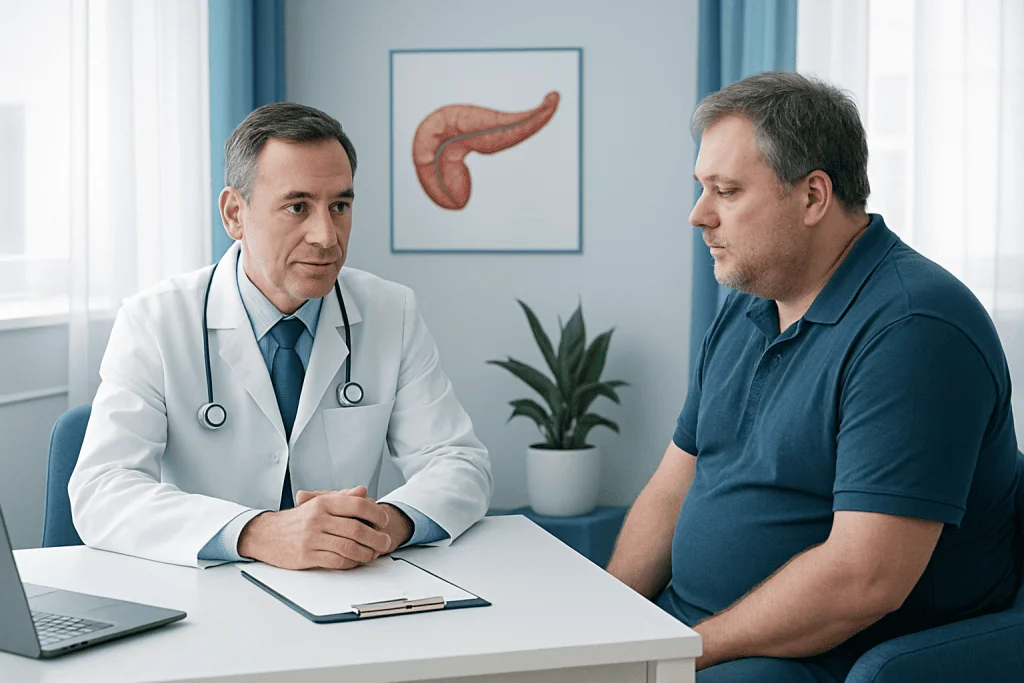
Necrotizing pancreatitis usually develops as a complication of acute pancreatitis. The most common triggers of acute pancreatitis are gallstones and heavy alcohol use. Gallstones can block the pancreatic duct, while alcohol can injure pancreatic cells and alter enzyme activity. Not everyone with acute pancreatitis develops necrosis, but severe inflammation raises the risk.
Other causes include very high triglyceride levels, certain medications, abdominal trauma, infections, high calcium levels, and complications after procedures such as ERCP in selected cases. Sometimes no single cause is found. Doctors often investigate carefully because identifying the trigger helps reduce the chance of future episodes.
Risk factors for a more severe course include delayed treatment, obesity, smoking, repeated pancreatitis episodes, and significant medical problems such as heart, lung, or kidney disease. Some laboratory findings and early organ dysfunction can also suggest a higher risk of complications. If gallstones are suspected, doctors may also assess for related gallstones and bile duct blockage as part of the workup.
How doctors diagnose it
Diagnosis begins with symptoms, physical examination, and blood tests. Doctors commonly measure pancreatic enzymes such as lipase, along with blood counts, kidney function, liver tests, inflammatory markers, and metabolic values. These tests help confirm pancreatitis and show how severe the illness may be, but they do not always reveal necrosis on their own.
Imaging is very important. Ultrasound is often used early to look for gallstones or bile duct problems. A contrast-enhanced CT scan is one of the main tools for identifying pancreatic necrosis and complications around the pancreas. In some situations, MRI may be used to provide more detail, especially when fluid collections or bile ducts need closer evaluation.
Doctors also distinguish between sterile necrosis and infected necrosis because treatment decisions depend on this difference. Infection may be suspected if a person worsens after an initial period, develops fever, rising inflammatory markers, gas within a collection on imaging, or signs of sepsis. In selected cases, specialists may use additional imaging, drainage, or sampling to clarify what is happening and plan the safest next step.
Treatment options and what hospital care involves
Treatment usually starts in the hospital and focuses on stabilizing the person while the pancreas rests and inflammation settles. Early care often includes intravenous fluids, pain control, oxygen if needed, and close monitoring of blood pressure, urine output, breathing, and laboratory results. If organ problems develop, treatment may take place in a high-dependency or intensive care setting.
Nutrition is a key part of modern care. Rather than keeping someone without food for long periods, doctors often aim to provide early nutrition when possible, usually through the digestive tract. This may be by mouth if tolerated or through a feeding tube. Good nutrition can support healing and may reduce complications compared with prolonged starvation.
If the necrosis is sterile and the patient is stable, doctors often prefer careful observation and supportive treatment rather than immediate intervention. Antibiotics are not routinely used for sterile necrosis. However, if infected necrosis is suspected or confirmed, antibiotics may be started, and drainage or other procedures may be needed. Depending on the situation, treatment may involve endoscopic procedures to drain collections, image-guided drains placed through the skin, or surgery if less invasive steps are not enough.
Interventions are often delayed when possible until collections become more organized, because this can make treatment safer and more effective. This is sometimes called a step-up approach: begin with the least invasive option and escalate only if necessary. If gallstones caused the pancreatitis, the person may later need treatment for the bile ducts or gallbladder, such as specialist gastroenterology care or surgery after the acute episode improves.
Recovery, prevention, and self-care after the acute phase
Recovery from necrotizing pancreatitis can take time. Some people improve over days, while others need weeks of hospital care and a longer period of rehabilitation afterward. Fatigue, reduced appetite, weight loss, and weakness are common during recovery. Follow-up care may include repeat imaging, blood tests, nutrition review, and monitoring for diabetes or pancreatic enzyme deficiency.
Preventing another episode depends on the cause. If gallstones were responsible, doctors may recommend gallbladder removal after the person is stable enough for surgery. If alcohol contributed, stopping alcohol completely is usually advised. When triglycerides are high, treatment may involve dietary changes, weight management, diabetes control, and medication guidance from a doctor.
Self-care after discharge generally includes eating small, balanced meals as advised, staying hydrated, avoiding smoking and alcohol, taking prescribed medications correctly, and keeping follow-up appointments. Some people need pancreatic enzyme replacement or blood sugar monitoring. If digestion remains difficult, a dietitian can help develop a practical plan. For patients needing advanced evaluation or coordinated care, Acibadem International’s multidisciplinary specialists at JCI-accredited hospitals diagnose and treat complex pancreatic conditions for international patients.
When to seek medical care
Anyone with severe upper abdominal pain, especially pain that spreads to the back or comes with repeated vomiting, should seek prompt medical evaluation. Necrotizing pancreatitis cannot be diagnosed at home, and early treatment can reduce the risk of serious complications. It is especially important to act quickly if the pain is intense, persistent, or associated with fever or faintness.
Urgent medical care is needed if symptoms include trouble breathing, chest discomfort, confusion, severe weakness, very low urine output, or signs of dehydration. People who have recently been told they have pancreatitis should also seek urgent reassessment if they suddenly worsen after seeming stable.
Follow-up medical care is also important after leaving the hospital. Ongoing abdominal pain, weight loss, oily stools, poor appetite, jaundice, or high blood sugar can signal delayed complications or pancreatic function problems. In these cases, review by a qualified doctor, and sometimes by specialists in general surgery or digestive disease care, may be needed.
Frequently asked questions
Is necrotizing pancreatitis the same as regular pancreatitis?
No. Necrotizing pancreatitis is a severe complication of acute pancreatitis in which part of the pancreas or nearby tissue dies. Regular acute pancreatitis may resolve with supportive care without tissue death.
Can necrotizing pancreatitis heal without surgery?
Yes, in some cases it can. If the necrosis is sterile and the patient remains stable, doctors often treat it with fluids, pain relief, nutrition support, and close monitoring. Procedures or surgery are usually reserved for infection, persistent symptoms, or complications.
How serious is infected pancreatic necrosis?
Infected pancreatic necrosis is a serious condition because infection in dead tissue can lead to sepsis and organ failure. It often requires antibiotics and may also need drainage or other interventions. Early specialist care is important.
What causes necrotizing pancreatitis most often?
The most common underlying causes are gallstones and heavy alcohol use because both can trigger acute pancreatitis. Other causes include very high triglycerides, certain medicines, trauma, and some metabolic or structural problems.
Will someone have long-term problems after recovery?
Some people recover fully, while others develop ongoing issues such as digestive problems, weight loss, pancreatic enzyme deficiency, or diabetes. The risk depends on how much of the pancreas was affected and whether complications occurred. Follow-up care helps detect and manage these problems early.
How do doctors know if the necrosis is infected?
Doctors look at the overall clinical picture, including fever, worsening condition, blood test changes, and imaging findings. Gas seen within a collection on imaging can suggest infection. Sometimes drainage or further evaluation is needed to guide treatment.
References
- National Institute of Diabetes and Digestive and Kidney Diseases
- American College of Gastroenterology
- National Health Service
- American Gastroenterological Association
- World Gastroenterology Organisation
This article is for general information only and is not a substitute for professional medical advice. Please consult a qualified doctor about your individual situation.
Pancreatitis in Turkey — costs, top hospitals & a free quote
JCI-accredited · board-certified surgeons · reply within 24h
Add us as a Preferred Source to see more of our trusted health content across Google Search, AI Overviews and Discover.
Check your numbers in seconds
BMI, calories, due date, blood pressure and 30+ more clinical calculators — free, instant, doctor-reviewed ranges.

Gastroenterology
Diagnosis and treatment of the digestive system and liver, with advanced endoscopy.
46 specialists in this unit