Understanding Neuralgia: A Complete Patient Guide

Neuralgia is nerve-related pain that may be sudden, severe, burning, or shock-like. Different types of neuralgia affect different nerves, such as the face, chest wall, or scalp.
Key Takeaways
- Neuralgia is nerve-related pain that may be sudden, severe, burning, or shock-like.
- Different types of neuralgia affect different nerves, such as the face, chest wall, or scalp.
- Common causes include nerve compression, shingles, diabetes, injury, inflammation, and sometimes no clear cause is found.
- Diagnosis usually combines a medical history, neurological examination, and selected tests such as MRI or blood work.
- Treatment may include medicines, treatment of the underlying cause, procedures, and practical self-care strategies.
- Prompt medical review is important if pain is severe, new, worsening, or comes with weakness, rash, numbness, or other neurological symptoms.
Neuralgia is pain caused by irritation or damage to a nerve, often described as stabbing, burning, or electric-shock-like. It is a symptom pattern rather than a single disease, and the best treatment depends on which nerve is affected and why the pain started.
What neuralgia means
Neuralgia is pain that comes from a nerve. People often describe it as sharp, stabbing, burning, tingling, or like an electric shock. The pain may come in brief attacks, stay for longer periods, or flare when the affected area is touched, moved, or exposed to cold air.
Rather than being one single illness, neuralgia is a pattern of nerve pain that can happen for different reasons. A nerve may be irritated, compressed, inflamed, injured, or affected by an underlying health condition. Because nerves carry signals from specific parts of the body, the location of the pain often gives important clues about which nerve is involved.
Some of the best-known forms include trigeminal neuralgia, which affects the face; postherpetic neuralgia, which can follow shingles; occipital neuralgia, which causes pain at the back of the head; and intercostal neuralgia, which affects nerves between the ribs. Understanding the type of neuralgia helps guide treatment and decide whether further tests are needed.
How neuralgia feels and where it can occur
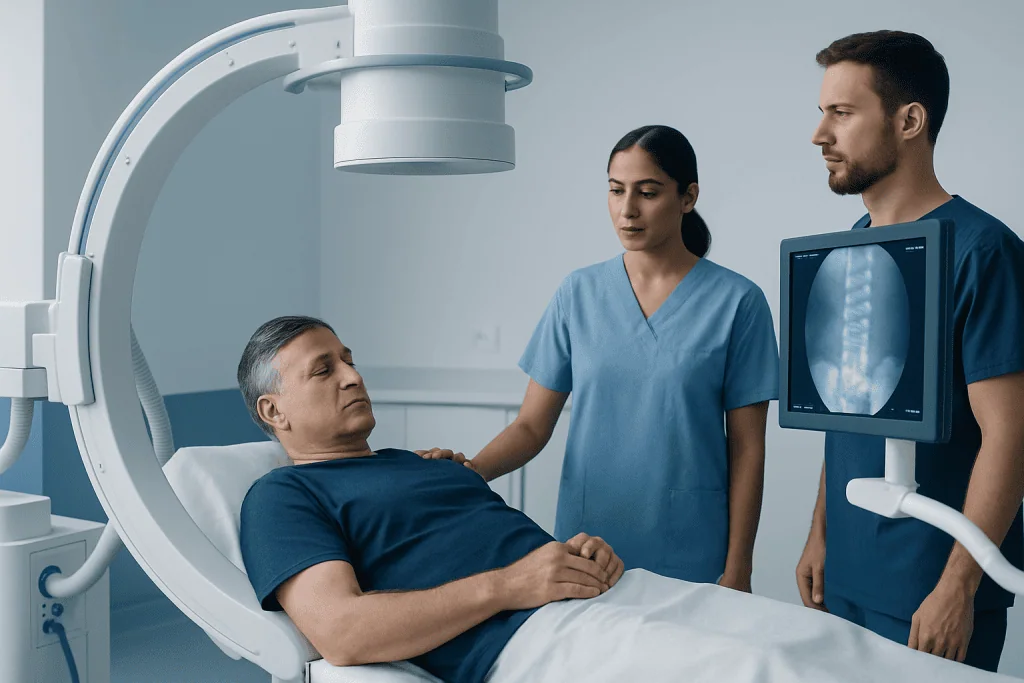
Neuralgia symptoms vary, but the pain often has a distinct nerve-like quality. It may be sudden and severe, or it may feel persistent and irritating. Some people notice periods with no pain between attacks, while others have a more constant background ache with occasional sharp bursts.
The skin over the area may become unusually sensitive. Light touch, chewing, speaking, brushing the teeth, turning the head, wearing tight clothing, or even a breeze can trigger pain in some forms of neuralgia. Depending on the affected nerve, there may also be numbness, tingling, altered sensation, or muscle twitching.
- Facial neuralgia: brief, intense pain in the cheek, jaw, teeth, lips, or around the eye.
- Occipital neuralgia: piercing or throbbing pain in the upper neck, back of the head, and scalp.
- Postherpetic neuralgia: burning, sensitive skin, and lingering pain after a shingles rash.
- Intercostal neuralgia: band-like pain around the chest or upper abdomen.
- Glossopharyngeal neuralgia: sudden pain in the throat, ear, tongue, or tonsil area.
Because nerve pain can overlap with other problems, people sometimes mistake neuralgia for a dental problem, migraine, sinus pain, arthritis, or a muscle strain. A careful history and examination are often needed to tell the difference.
Why neuralgia happens

Neuralgia develops when a nerve is damaged or irritated. Sometimes a blood vessel presses on a nerve near the brain, as can happen in trigeminal neuralgia. In other cases, an infection, inflammation, metabolic condition, or physical injury affects the nerve directly.
Common causes include shingles, diabetes, multiple sclerosis, trauma, prior surgery, spinal problems, and tumors that press on nerves. Vitamin deficiencies, alcohol misuse, and certain medicines can also contribute to neuropathic pain in some people. Not every case has a clearly identifiable cause, especially early on.
Risk factors depend on the type of neuralgia. Older age raises the risk of postherpetic neuralgia after shingles. Diabetes increases the risk of nerve damage. Structural changes in the spine or skull can make nerve compression more likely, and previous infection or injury can leave a nerve more sensitive long after the original problem has settled.
It is also important to recognize that ongoing nerve pain can affect sleep, mood, appetite, and concentration. Pain may become more noticeable during stress or fatigue, even when stress is not the original cause. This does not mean the pain is “in the mind”; it reflects the way the nervous system processes persistent pain signals.
How doctors diagnose neuralgia
Diagnosis begins with a detailed description of the pain: where it occurs, how it feels, how long attacks last, what triggers it, and whether there are other symptoms such as rash, weakness, hearing changes, facial numbness, or visual symptoms. A clinician will also ask about diabetes, infections, injuries, dental history, and any previous neurological conditions.
A neurological examination helps assess sensation, strength, reflexes, and the specific nerve pathways involved. In some cases, the pattern is so characteristic that the likely diagnosis becomes clear from the history and examination alone. In others, tests are used to look for a cause or rule out other disorders.
Useful tests may include MRI to look for nerve compression, brain or spine conditions, or other structural causes; blood tests to check for diabetes, vitamin deficiency, infection, or inflammation; and, when appropriate, nerve studies. If symptoms suggest another pain disorder or headache condition, the doctor may also consider related diagnoses such as migraine or other facial pain syndromes.
Because symptoms can overlap, self-diagnosis is often unreliable. Persistent facial pain, chest wall pain, or scalp pain should be assessed by a qualified clinician, especially if the pain is new, severe, or changing.
Treatment options for neuralgia
Treatment aims to reduce pain, improve daily function, and address the underlying cause when possible. Standard painkillers may not always work well for neuralgia, so doctors often use medicines that calm overactive nerve signaling. The exact choice depends on the type of neuralgia, a person’s age, other medical conditions, and possible side effects.
If there is a treatable cause, managing that condition is an important part of care. This may include antiviral treatment for shingles, blood sugar control in diabetes, treatment of vitamin deficiency, or management of inflammatory or spinal conditions. Some people benefit from topical treatments, nerve blocks, physical therapy, or specialist pain management.
When neuralgia is severe or does not improve with medicines, procedures may be considered. Depending on the cause and location, these can range from targeted injections to surgery that relieves pressure on a nerve. In selected cases, pain specialists or neurosurgeons may discuss options such as Gamma Knife radiosurgery or microvascular decompression for difficult facial nerve pain, or broader pain management strategies for chronic neuropathic pain.
Treatment often works best when it is individualized. Some people need only short-term treatment, while others benefit from longer-term follow-up to adjust therapy, monitor side effects, and support sleep, mental well-being, and daily activities.
Living with neuralgia: self-care and prevention
Self-care does not replace medical treatment, but it can make symptoms easier to manage. Many people find it useful to identify triggers such as cold air, chewing hard foods, poor posture, stress, or lack of sleep. Avoiding known triggers, where practical, may reduce pain flares.
Supportive measures may include using a scarf in cold weather, choosing softer foods during facial pain flares, keeping blood sugar well controlled if diabetes is present, and following a regular sleep routine. Gentle movement, relaxation techniques, and pacing of daily activities can also help reduce the impact of chronic pain.
Prevention depends on the cause. Prompt treatment of shingles and discussion of vaccination with a doctor may lower the risk of postherpetic neuralgia in eligible adults. Managing chronic conditions such as diabetes, correcting vitamin deficiencies, and seeking care for persistent neck or spine problems may also help protect nerve health.
People with ongoing symptoms may benefit from a multidisciplinary approach that includes neurology, pain medicine, rehabilitation, and sometimes psychological support. Near the end of the care journey, some international patients choose centers such as Acibadem International, where multidisciplinary specialists in JCI-accredited hospitals evaluate and treat complex neuralgia cases.
When to seek medical care
Medical review is important if nerve pain is severe, keeps returning, or starts to interfere with eating, sleeping, speaking, work, or usual activities. It is also wise to seek help if the pain follows shingles, an injury, dental treatment, or a new problem in the neck or spine.
Urgent assessment is needed if pain comes with weakness, facial drooping, loss of vision, confusion, trouble speaking, difficulty walking, fever, a rapidly spreading rash, or new bladder or bowel problems. These symptoms may suggest another condition that needs prompt treatment.
People should also contact a doctor if pain medicines are not helping, if side effects are difficult to manage, or if the diagnosis remains uncertain. Early evaluation can help identify the cause, reduce unnecessary suffering, and guide referral to the right specialist when needed.
Frequently asked questions
Is neuralgia the same as neuropathy?
Not exactly. Neuralgia refers specifically to nerve pain, while neuropathy is a broader term for nerve damage or nerve dysfunction. Neuropathy can cause neuralgia, but it may also cause numbness, weakness, or balance problems without severe pain.
Can neuralgia go away on its own?
Some cases improve, especially when the trigger is temporary and the nerve has time to recover. However, persistent or severe neuralgia should be assessed because treatment can reduce pain and may address an underlying cause. Ongoing symptoms should not be ignored.
Is neuralgia dangerous?
Neuralgia itself is not always dangerous, but it can significantly affect quality of life and may sometimes signal another medical problem. The main concern is finding out why the nerve pain is happening. New neurological symptoms, a shingles rash, or sudden severe facial pain deserve medical attention.
What is the difference between trigeminal neuralgia and other facial pain?
Trigeminal neuralgia usually causes brief, intense, electric-shock-like pain in one side of the face, often triggered by touch, chewing, or talking. Other facial pain conditions may be duller, more constant, or linked to the jaw, teeth, sinuses, or headache disorders. A careful examination helps separate these possibilities.
Do common painkillers help neuralgia?
They may help some people, but nerve pain often responds better to medicines designed for neuropathic pain rather than standard over-the-counter pain relief alone. A doctor can recommend the safest and most appropriate option based on the likely cause. People should avoid taking more than advised and should seek guidance if pain persists.
Can stress cause neuralgia?
Stress is not usually the root cause of neuralgia, but it can make pain feel worse and harder to cope with. Poor sleep, tension, and anxiety can increase the nervous system’s sensitivity to pain. Managing stress may therefore be a helpful part of an overall treatment plan.
References
- National Institute of Neurological Disorders and Stroke
- National Institute of Diabetes and Digestive and Kidney Diseases
- National Health Service
- Mayo Clinic
- World Health Organization
This article is for general information only and is not a substitute for professional medical advice. Please consult a qualified doctor about your individual situation.
Explore treatments in Turkey — costs, top hospitals & a free quote
JCI-accredited · board-certified surgeons · reply within 24h
Add us as a Preferred Source to see more of our trusted health content across Google Search, AI Overviews and Discover.