Understanding Overactive Bladder Treatment: A Complete Patient Guide

Overactive bladder is a symptom-based condition marked by urinary urgency, often with frequent urination, nighttime urination, or leakage. Treatment usually starts with behavioral approaches such as bladder training, fluid planning, and pelvic floor muscle therapy.
Key Takeaways
- Overactive bladder is a symptom-based condition marked by urinary urgency, often with frequent urination, nighttime urination, or leakage.
- Treatment usually starts with behavioral approaches such as bladder training, fluid planning, and pelvic floor muscle therapy.
- Medicines, botulinum toxin injections, and nerve stimulation may help when symptoms do not improve enough with self-care alone.
- A medical evaluation is important because infection, bladder stones, prostate problems, and neurologic conditions can cause similar symptoms.
- Many people improve with a combination of treatments rather than a single solution.
Overactive bladder treatment often improves urgency, frequency, and leakage through a stepwise plan that begins with bladder training, pelvic floor exercises, and practical habit changes. If symptoms continue, doctors may recommend medicines, nerve-based therapies, or selected procedures after checking for other urinary problems.
Overview: what overactive bladder treatment involves
Overactive bladder treatment is designed to reduce the sudden need to urinate, improve bladder control, and lessen urine leakage when it happens. For most patients, treatment begins with simple measures such as bladder training, fluid timing, pelvic floor exercises, and avoiding triggers like excess caffeine. If symptoms remain bothersome, a doctor may add medication or recommend more advanced therapies.
Overactive bladder is not a single disease test result. It is a pattern of symptoms, especially urinary urgency, usually with frequent daytime urination and waking at night to urinate, and sometimes with urge incontinence. Because several other conditions can mimic these symptoms, the best treatment plan starts with making sure there is not another cause that needs different care.
A helpful way to think about treatment is as a stepwise process. The aim is not only to suppress symptoms, but also to improve daily comfort, sleep, travel, work, exercise, and confidence. Many people benefit from combining approaches, and the plan can be adjusted over time depending on symptom severity, age, other health conditions, and treatment response.
Symptoms and how overactive bladder affects daily life
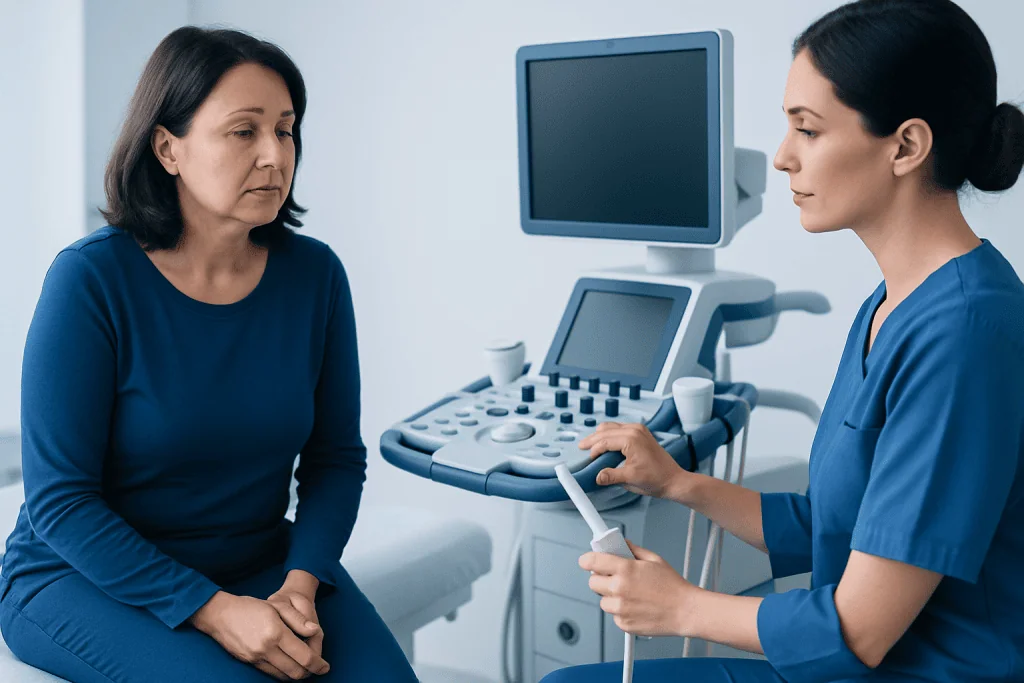
The main symptom of overactive bladder is urgency: a sudden, hard-to-delay need to pass urine. Some people also urinate often during the day, wake up more than once at night to urinate, or leak urine before reaching the toilet. Not everyone has leakage, so overactive bladder can still be present even when accidents do not occur.
Symptoms can affect quality of life in subtle but significant ways. People may map out restroom locations before leaving home, limit exercise, avoid long meetings or travel, or reduce social activities. Sleep may become fragmented because of nighttime urination, which can lead to daytime tiredness and irritability.
It is also important to distinguish overactive bladder from other urinary problems. For example, pain or burning may suggest infection, while a weak stream or incomplete emptying can point toward obstruction or prostate enlargement. In some cases, urgency can occur alongside other conditions such as prostate enlargement or recurrent urinary infections, which is why an evaluation matters before choosing treatment.
Causes and risk factors

Overactive bladder happens when the bladder muscle contracts at the wrong time or becomes overly sensitive to filling. Sometimes there is no single clear cause. In other cases, bladder irritation, age-related changes, pelvic floor dysfunction, or changes in nerve signaling between the bladder and brain may contribute to symptoms.
Several factors can increase risk. These include older age, menopause-related tissue changes, enlarged prostate, constipation, obesity, diabetes, neurologic conditions, prior pelvic surgery, and medications that affect bladder function or urine production. Caffeine, alcohol, artificial sweeteners, and large fluid intake can also worsen urgency in some people.
Doctors also consider other problems that may look similar to overactive bladder, such as urinary tract infection, bladder stones, interstitial cystitis, uncontrolled diabetes, or urinary retention. Less commonly, blood in the urine or repeated infections may signal another issue that needs prompt review, including bladder disease such as bladder cancer. Treatment is most effective when these possibilities are assessed early.
How doctors diagnose overactive bladder
Diagnosis usually begins with a symptom-focused medical history. A doctor asks how often urgency occurs, how many times a person urinates during the day and night, whether leakage is present, what fluids are consumed, and which medicines are being taken. A bladder diary kept for a few days can be especially useful because it shows patterns in fluid intake, urgency, and leakage.
A physical examination may include an abdominal exam and, when relevant, a pelvic, prostate, or neurologic assessment. Basic testing often includes a urine test to look for infection, blood, sugar, or other abnormalities. In some cases, the doctor checks how well the bladder empties after urination using an ultrasound or similar method.
Additional tests are not needed for everyone. However, if symptoms are severe, unusual, or resistant to treatment, specialists may recommend further evaluation such as urodynamic testing to study bladder function, cystoscopy to inspect the bladder lining, or imaging. These tests help separate overactive bladder from blockage, poor bladder emptying, or more complex urologic conditions.
Treatment options: from habits and exercises to procedures
First-line overactive bladder treatment usually focuses on behavioral therapy. Bladder training teaches the bladder to hold urine longer by following a timed voiding schedule and gradually increasing the interval between bathroom visits. Pelvic floor muscle exercises can improve control by helping the muscles respond better when urgency begins. Many patients also benefit from reducing caffeine, spacing fluids through the day, managing constipation, and maintaining a healthy weight.
If symptoms remain bothersome, doctors may prescribe medication. Common options include antimuscarinic medicines or beta-3 agonists, which work in different ways to calm bladder overactivity. The choice depends on age, side effects, other conditions, and whether there is concern about dry mouth, constipation, blood pressure, or incomplete emptying. Medication can be effective, but it works best when paired with bladder habits and follow-up.
For symptoms that continue despite these steps, specialist care may include injections of botulinum toxin into the bladder muscle, which can reduce involuntary contractions for a period of time. Another option is nerve-based therapy such as sacral neuromodulation, which uses gentle electrical signals to improve bladder control. In selected patients, especially when symptoms overlap with other pelvic or urinary conditions, evaluation by a urologist may also involve urology care to tailor treatment and monitor progress.
Surgery is rarely the first choice for isolated overactive bladder. It is usually reserved for uncommon, severe cases when more conservative treatments have not helped enough and symptoms significantly affect daily life. A personalized discussion about benefits, limits, and possible side effects is important before moving to any invasive option.
Prevention and self-care that can support treatment
Not every case of overactive bladder can be prevented, but self-care often reduces symptom burden. A bladder diary may help identify triggers such as coffee, tea, energy drinks, alcohol, spicy foods, or drinking large amounts of fluid late in the evening. Small changes can make a meaningful difference when they are applied consistently.
Practical strategies include timed voiding, limiting fluids close to bedtime, treating constipation, and keeping physically active. Weight management may also help reduce pressure on the bladder and pelvic floor. For some people, smoking cessation is useful because chronic coughing can strain pelvic support and smoking may irritate the bladder in other ways.
Pelvic floor physical therapy can be especially valuable when urgency occurs along with pelvic floor weakness or poor muscle coordination. Learning how to tighten and relax the right muscles at the right time may improve confidence and reduce leakage episodes. Patients should be cautious with online advice that promises a quick cure, as lasting improvement usually comes from structured, individualized care.
When to seek medical care
A medical review is appropriate when urinary urgency, frequency, or nighttime urination is new, persistent, or interfering with sleep, work, travel, or social activities. It is also reasonable to seek care if self-care steps are not helping or if symptoms are causing embarrassment, anxiety, or avoidance of daily routines. Effective treatment is available, and evaluation can rule out other causes.
Prompt medical attention is especially important if symptoms occur with pain or burning, fever, blood in the urine, difficulty emptying the bladder, severe pelvic pain, or repeated urinary tract infections. Sudden changes in bladder control along with leg weakness, numbness, or back pain also need urgent assessment because they may suggest a neurologic problem.
For international patients who need specialist evaluation, Acibadem International’s multidisciplinary teams in JCI-accredited hospitals assess and treat bladder conditions using individualized plans. Depending on findings, care may include conservative management, diagnostic testing, and advanced therapies when appropriate.
Frequently asked questions
What is the first-line overactive bladder treatment?
First-line treatment usually includes bladder training, pelvic floor muscle exercises, and practical lifestyle changes such as reducing caffeine and planning fluid intake. These approaches are often recommended before medication because they can improve symptoms without procedure-related risks.
Can overactive bladder go away on its own?
Symptoms may fluctuate, and some people notice improvement when they change bladder irritants or daily habits. However, persistent urgency or leakage should be evaluated because a treatable medical cause may be present and structured treatment is often more effective than waiting alone.
Are medications for overactive bladder safe?
Many people use these medicines safely under medical supervision, but side effects and suitability vary. A doctor considers age, blood pressure, constipation, dry mouth, memory concerns, glaucoma, and how well the bladder empties before choosing the best option.
What foods and drinks can make overactive bladder worse?
Common triggers include coffee, tea, cola, energy drinks, alcohol, and sometimes acidic or spicy foods. Trigger patterns are personal, so a short bladder diary can help identify what worsens urgency for one individual.
Is overactive bladder the same as urinary incontinence?
No. Overactive bladder refers to a group of symptoms led by urgency, while urinary incontinence means any involuntary urine leakage. Some people with overactive bladder leak urine, but others do not.
When is a procedure considered for overactive bladder?
Procedures are usually considered when symptoms remain bothersome after behavioral treatment and medication, or when medication is not tolerated. Options such as bladder botulinum toxin injections or nerve stimulation are selected based on symptoms, bladder emptying, and overall health.
References
- National Institute of Diabetes and Digestive and Kidney Diseases
- American Urological Association
- European Association of Urology
- Mayo Clinic
- National Health Service
This article is for general information only and is not a substitute for professional medical advice. Please consult a qualified doctor about your individual situation.
Overactive Bladder in Turkey — costs, top hospitals & a free quote
JCI-accredited · board-certified surgeons · reply within 24h
Add us as a Preferred Source to see more of our trusted health content across Google Search, AI Overviews and Discover.

Urology
Treatment of the urinary system and male reproductive health, including robotic and laser procedures.
63 specialists in this unitMore from the Health Library



Related Specialists

Assoc. Prof. Dr. Muharrem Koçyiğit
Anesthesiology
Dt. Rabia Aybala Uslu
Oral & Dental Health
Prof. Dr. Osman Güven
Orthopedic Surgery & Traumatology
Assoc. Prof. Dr. Ayça Erşen Danyeli
Pathology