Understanding Parkinson’s Disease: A Complete Patient Guide

Parkinson's disease develops when brain cells that produce dopamine gradually decline. Common early features include tremor, slowness, stiffness, reduced arm swing, and changes in sleep, smell, or mood.
Key Takeaways
- Parkinson's disease develops when brain cells that produce dopamine gradually decline.
- Common early features include tremor, slowness, stiffness, reduced arm swing, and changes in sleep, smell, or mood.
- Diagnosis is clinical, based on symptoms, examination, and sometimes imaging or response to medication.
- Treatment often combines medicines, exercise, rehabilitation, and supportive care tailored to the person's needs.
- Symptoms and progression vary widely, so regular follow-up with a neurology team is important.
Parkinson's disease is a progressive neurological condition that mainly affects movement, but it can also influence sleep, mood, thinking, digestion, and daily function. While there is no cure at present, early diagnosis and individualized treatment can help many people maintain independence and quality of life for years.
Overview: what Parkinson's disease is
Parkinson’s disease is a long-term disorder of the nervous system that most often affects movement. It happens when certain nerve cells in the brain gradually stop working as they should, especially cells involved in making dopamine, a chemical messenger that helps coordinate smooth, purposeful movement. As dopamine levels fall, a person may develop tremor, stiffness, slower movements, or balance problems.
Although Parkinson’s disease is commonly recognized by its movement symptoms, it is not only a movement disorder. Many people also experience non-motor symptoms such as constipation, reduced sense of smell, sleep changes, fatigue, anxiety, depression, and thinking changes. In some cases, these non-motor symptoms can begin years before the more noticeable movement changes appear.
Parkinson’s disease usually develops gradually, and symptoms can differ greatly from one person to another. Some people first notice a mild tremor in one hand, while others recognize slowness, softer speech, smaller handwriting, or stiffness. This variation is one reason careful medical assessment is important.
There is currently no cure, but treatment can meaningfully improve symptoms and daily function. A comprehensive plan often includes medication, physical activity, rehabilitation, and regular follow-up. For related movement and neurological conditions, doctors may also evaluate for Parkinson's disease alongside other causes of tremor or slowness.
Symptoms and how they may change over time
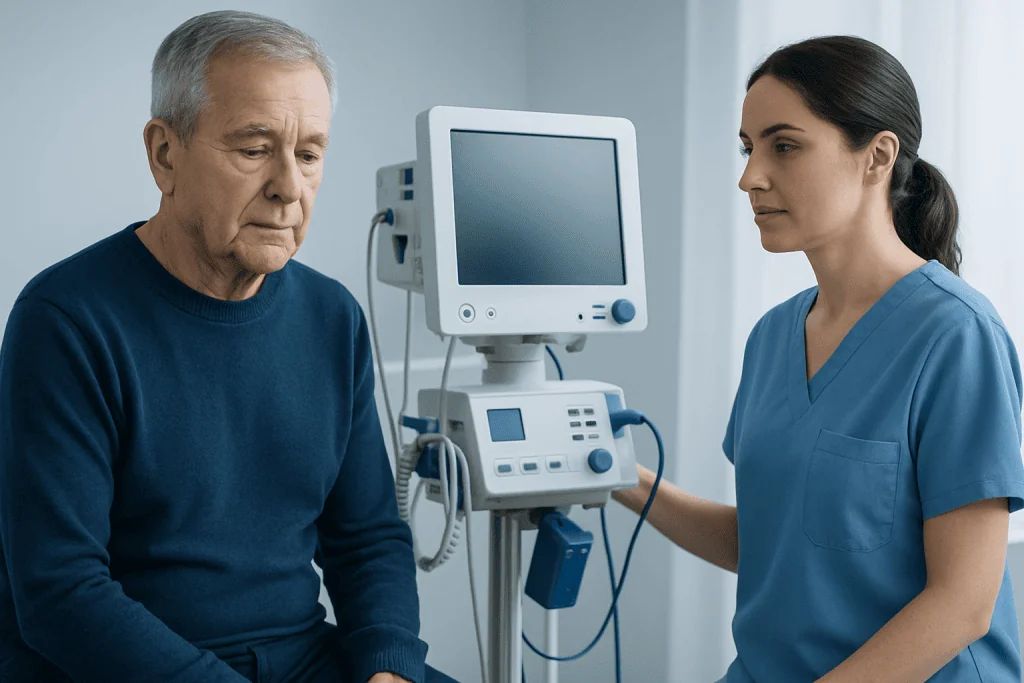
The most recognized symptoms of Parkinson’s disease are often described as tremor, slowness of movement, stiffness, and postural instability. A resting tremor may begin on one side, often in a hand or fingers. Movements may become slower and less automatic, making walking, dressing, buttoning clothes, or getting out of a chair more difficult. Muscles may feel rigid, and posture may become more stooped over time.
Symptoms can go beyond movement. A person may notice a softer voice, smaller handwriting, less facial expression, reduced arm swing while walking, or shuffling steps. Balance problems may appear later, increasing the risk of falls. Some people have freezing of gait, a brief sensation that the feet are stuck to the floor, especially when starting to walk or turning.
Non-motor symptoms are also common and deserve equal attention. These can include constipation, urinary urgency, lightheadedness on standing, sleep disturbance, vivid dreams, daytime sleepiness, depression, anxiety, apathy, and pain. Some people develop mild thinking or memory difficulties, particularly later in the condition.
Not every person experiences the same pattern, and symptoms may progress slowly over many years. Because several other disorders can resemble Parkinson’s disease, a specialist may consider whether symptoms fit a different diagnosis such as essential tremor when tremor is the main complaint.
Causes and risk factors

The exact cause of Parkinson’s disease is not fully understood. In most people, it likely results from a combination of age-related changes, genetic susceptibility, and environmental influences. The disease involves the gradual loss of dopamine-producing cells in a brain area called the substantia nigra, along with abnormal protein buildup, including alpha-synuclein, in many cases.
Age is the strongest known risk factor, and Parkinson’s disease becomes more common later in life. However, it can also occur in younger adults. A small proportion of cases are linked more strongly to inherited genetic changes, especially when symptoms start at a younger age or there is a clear family history.
Researchers have also studied possible environmental contributors, including certain toxins, but this area is complex and does not mean that any one exposure directly causes the disease in a particular person. Head injury and some lifestyle factors have also been explored, though risk patterns are not the same for everyone.
Importantly, Parkinson’s disease is not contagious, and it is not caused by a character trait, stress alone, or a person’s effort level. Families often find it reassuring to know that nothing they did caused the condition. What matters most after diagnosis is building a practical care plan and monitoring symptoms over time.
How Parkinson's disease is diagnosed
There is no single blood test that confirms Parkinson’s disease. Diagnosis is usually based on a person’s medical history, symptoms, and a neurological examination. A doctor will ask when symptoms began, whether they started on one side, how they affect daily activities, and whether there are sleep, bowel, mood, or cognitive changes.
During the examination, the clinician looks for patterns such as resting tremor, rigidity, slowed movement, changes in gait, reduced facial expression, and impaired balance. The doctor may also assess handwriting, speech, arm swing, and the ability to perform repeated hand or foot movements. In some cases, improvement with a Parkinson’s medication supports the diagnosis.
Brain imaging is not always needed, but it may be useful when symptoms are atypical or another condition is suspected. MRI can help rule out structural causes, while specialized imaging may sometimes assist in selected cases. Doctors also consider medication side effects, vascular changes, and less common parkinsonian syndromes that can mimic typical Parkinson’s disease.
Because diagnosis can be nuanced, referral to a neurologist or movement disorders specialist is often helpful. A careful evaluation helps distinguish Parkinson’s disease from other problems such as drug-induced parkinsonism or other neurodegenerative disorders when memory concerns are prominent.
Treatment options and supportive therapies
Treatment for Parkinson’s disease is individualized. The main goals are to improve movement, reduce troublesome symptoms, preserve safety and independence, and support overall well-being. For many people, medication is central to treatment. Common approaches aim to replace dopamine, mimic its effects, or slow its breakdown in the brain. The best choice depends on age, symptom pattern, work and lifestyle needs, and the presence of side effects.
Rehabilitation is an important part of care, not an optional extra. Physical therapy can help with walking, posture, balance, flexibility, and fall prevention. Occupational therapy can make dressing, writing, bathing, cooking, and home activities easier. Speech and language therapy may help with softer voice, swallowing difficulties, or communication changes. In some cases, a neurologist may recommend physical therapy and rehabilitation as part of a long-term plan.
Regular exercise is strongly encouraged because it supports mobility, mood, strength, and balance. Activities may include walking, cycling, stretching, resistance training, tai chi, dance, or supervised balance work. Exercise should be tailored to the person’s fitness level and fall risk. Sleep care, nutrition, constipation management, and mental health support can also significantly improve quality of life.
For some people whose symptoms are no longer controlled well enough with medicine alone, advanced options may be considered. These can include infusion therapies or deep brain stimulation in carefully selected patients. Decisions about advanced treatment require detailed evaluation by an experienced multidisciplinary team, sometimes including neurology care and rehabilitation specialists.
Daily living, self-care, and long-term planning
Living well with Parkinson’s disease often depends on small, practical strategies used consistently over time. A regular routine can help with medication timing, meals, hydration, bowel habits, sleep, and exercise. People may benefit from allowing extra time for tasks, using cueing strategies for walking, and reducing clutter at home to lower fall risk.
Nutrition should focus on general balance rather than strict rules unless a clinician advises otherwise. Adequate fluids and fiber can help constipation, which is very common. If swallowing becomes difficult, a speech and language specialist can assess safety and recommend food texture or swallowing strategies. Weight changes, reduced appetite, or fatigue should be discussed with a healthcare professional.
Emotional health matters just as much as physical symptoms. Depression, anxiety, apathy, and social withdrawal are common but treatable. Support groups, counseling, family education, and regular review with a medical team can ease the burden of day-to-day challenges. Caregivers also benefit from information and support, especially as needs change over time.
Long-term planning may include reviewing driving safety, work adjustments, home modifications, future care preferences, and financial or legal planning. These discussions are often easier when started early, while the person can actively share goals and priorities. A multidisciplinary team can help people adapt as symptoms evolve.
When to seek medical care
A person should arrange medical assessment if they notice a persistent tremor, increasing slowness, stiffness, smaller handwriting, reduced facial expression, shuffling steps, repeated falls, or unexplained balance problems. Medical review is also appropriate for constipation, sleep disturbance, loss of smell, mood change, or softer speech when these occur together with movement symptoms. Early evaluation can help clarify the cause and begin treatment sooner if needed.
Urgent medical attention is important for sudden confusion, severe hallucinations, repeated fainting, chest pain, new weakness, severe swallowing difficulty, dehydration, or a significant injury after a fall. Not all of these problems are caused by Parkinson’s disease itself, but they should not be ignored.
Anyone already diagnosed with Parkinson’s disease should contact their doctor if symptoms change quickly, medicines seem to wear off too soon, troublesome involuntary movements develop, or daily function declines. New memory problems, unsafe driving concerns, frequent falls, or weight loss also deserve prompt review.
Near the end of care planning, some people may seek assessment at specialized centers. Acibadem International’s multidisciplinary specialists and JCI-accredited hospitals diagnose and treat Parkinson’s disease for international patients, with evaluation tailored to each person’s neurological and rehabilitation needs.
Frequently asked questions
What is the first sign of Parkinson's disease?
The first sign varies from person to person. Some notice a mild resting tremor in one hand, while others first experience slowness, stiffness, smaller handwriting, reduced sense of smell, or sleep changes. Because early symptoms can be subtle, a medical evaluation is helpful if they persist.
Is Parkinson's disease hereditary?
Most cases are not directly inherited in a simple way. However, genetics can play a role, especially in people who develop symptoms at a younger age or who have a strong family history. A doctor may discuss genetic counseling or testing in selected situations.
Can Parkinson's disease be cured?
There is no cure at present, but many treatments can help control symptoms and support daily life. Medication, exercise, rehabilitation, and careful follow-up often make a meaningful difference. The treatment plan usually changes over time as symptoms evolve.
How fast does Parkinson's disease progress?
Progression is different for each person. Some people have slowly changing symptoms over many years, while others develop functional limitations more quickly. Regular follow-up helps doctors adjust treatment and address new symptoms early.
Does Parkinson's disease affect memory and mood?
Yes, it can. Depression, anxiety, apathy, sleep problems, and mild thinking changes are common and may appear before or after movement symptoms. These issues are part of the condition for many people and should be discussed openly because treatment and support are available.
What helps people live better with Parkinson's disease?
A combination of well-timed medication, regular exercise, rehabilitation, sleep support, and attention to mood and nutrition often helps most. Home safety changes and caregiver education can also improve independence and reduce stress. The best results usually come from care tailored to the person's own symptoms and goals.
References
- National Institute of Neurological Disorders and Stroke
- National Institute on Aging
- Parkinson's Foundation
- American Academy of Neurology
- World Health Organization
This article is for general information only and is not a substitute for professional medical advice. Please consult a qualified doctor about your individual situation.
Explore treatments in Turkey — costs, top hospitals & a free quote
JCI-accredited · board-certified surgeons · reply within 24h
Add us as a Preferred Source to see more of our trusted health content across Google Search, AI Overviews and Discover.