Understanding Perennial Allergic Rhinitis: A Complete Patient Guide

Perennial allergic rhinitis is different from seasonal allergies because symptoms can occur all year. Common triggers include dust mites, pet dander, indoor mold, and cockroach allergens.
Key Takeaways
- Perennial allergic rhinitis is different from seasonal allergies because symptoms can occur all year.
- Common triggers include dust mites, pet dander, indoor mold, and cockroach allergens.
- Diagnosis is based on symptoms, examination, and sometimes allergy testing.
- Treatment may include allergen avoidance, nasal sprays, antihistamines, saline rinses, and allergy immunotherapy.
- Persistent nasal allergy symptoms can affect sleep, concentration, and quality of life, so medical evaluation can be helpful.
Perennial allergic rhinitis is a year-round allergy condition caused most often by indoor allergens such as dust mites, pet dander, mold, or cockroaches. It can lead to ongoing sneezing, a blocked or runny nose, and itchy eyes, but symptoms often improve with a clear diagnosis, trigger reduction, and the right treatment plan.
Overview: what perennial allergic rhinitis means
Perennial allergic rhinitis is an allergy-related inflammation of the inside lining of the nose that lasts throughout the year rather than appearing only in one season. It happens when the immune system reacts to everyday indoor substances that are usually harmless, such as dust mites, pet dander, mold spores, or cockroach particles. This reaction leads to symptoms like sneezing, nasal congestion, a runny nose, and itching.
Unlike a common cold, perennial allergic rhinitis does not come from a virus and usually does not cause fever or body aches. Symptoms may be mild on some days and more noticeable on others, especially after exposure to triggers at home, work, or school. Some people mainly notice a blocked nose, while others have more itching or watery eyes.
This condition is common in both children and adults and may occur on its own or alongside other allergic conditions. For example, some people with year-round nasal allergies also have asthma or eczema. When symptoms are persistent, a doctor may also consider whether there is overlap with related conditions such as sinusitis or non-allergic rhinitis.
How symptoms can feel in daily life
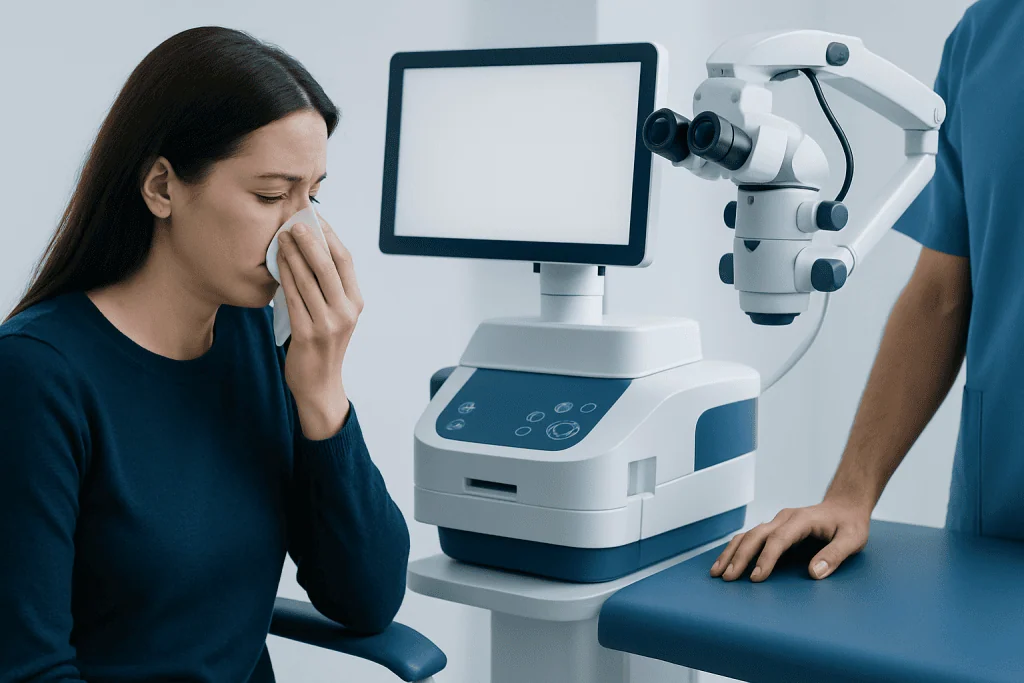
The symptoms of perennial allergic rhinitis often seem familiar but can be easy to dismiss because they develop gradually. Typical symptoms include repeated sneezing, a runny nose with clear mucus, nasal stuffiness, itching in the nose or throat, and red, watery, or itchy eyes. Some people also notice postnasal drip, frequent throat clearing, or a reduced sense of smell.
Because the condition is ongoing, it can affect more than the nose. Nasal blockage may disrupt sleep, lead to snoring, or cause daytime tiredness. Children may seem restless, breathe through the mouth, or have trouble focusing in school. Adults may notice reduced concentration, headaches related to congestion, or irritation from constant nose blowing.
Symptoms can vary depending on the trigger and the level of exposure. For example, a person may feel worse after cleaning dusty rooms, spending time with pets, or being in damp indoor spaces. If symptoms include thick colored mucus, fever, severe facial pain, or sudden loss of smell, another cause may be present and should be assessed by a clinician.
- Frequent sneezing
- Stuffy or runny nose
- Itchy nose, throat, or eyes
- Watery, red eyes
- Postnasal drip and throat clearing
- Sleep disturbance or daytime fatigue
Common causes and risk factors

The main cause of perennial allergic rhinitis is exposure to indoor allergens. Dust mites are one of the most common triggers because they thrive in bedding, upholstered furniture, and carpets. Pet dander can remain in the air and on surfaces for long periods, even in homes that are cleaned regularly. Indoor mold may grow in damp rooms such as bathrooms, basements, or poorly ventilated spaces.
Cockroach allergens can also trigger symptoms, especially in crowded or older buildings. Less often, workplace exposures such as animal proteins, wood dust, or other airborne particles may contribute to ongoing rhinitis. In some people, strong smells, smoke, air pollution, or temperature changes do not cause the allergy itself but can worsen existing nasal irritation.
People with a personal or family history of allergies are more likely to develop perennial allergic rhinitis. It is also more common in those who have asthma or eczema. Recognizing the pattern of symptoms and the likely environment where they worsen can help guide both diagnosis and treatment, especially when symptoms overlap with asthma or chronic sinus problems.
How doctors diagnose perennial allergic rhinitis
Diagnosis begins with a medical history. A doctor usually asks when symptoms started, whether they occur every day or only in certain places, and whether they improve away from home or work. Questions about pets, damp housing, bedding, cleaning habits, and family history of allergies can be especially useful. A clear symptom pattern often provides important clues.
A physical examination may include looking inside the nose, checking the throat and ears, and evaluating the eyes and skin. The inside of the nose may appear swollen or pale. If symptoms are ongoing, the doctor may also consider other causes such as infection, nasal polyps, a deviated septum, medication-related rhinitis, or non-allergic irritation.
Allergy testing may help confirm the trigger. Skin prick testing and specific blood tests can identify sensitization to dust mites, pets, molds, or other allergens. In some cases, imaging is not needed, but it may be considered when there are signs of structural blockage or complications. If nasal obstruction is significant, an ENT evaluation and septoplasty may be discussed only when a structural problem like a deviated septum is also contributing, rather than allergy alone.
Treatment options: reducing symptoms and improving control
Treatment usually combines trigger reduction with medication. The first step is to lower exposure where possible. For dust mite allergy, this may include washing bedding regularly in hot water, using allergen-resistant covers, reducing indoor humidity, and limiting items that collect dust. For mold, improving ventilation and addressing damp areas can help. For pet allergy, keeping pets out of the bedroom and cleaning surfaces more often may reduce symptoms, although complete avoidance may be needed for some people.
Medicines often play an important role. Nasal corticosteroid sprays are commonly used because they reduce inflammation and can improve congestion, sneezing, and runny nose when used regularly. Non-sedating antihistamines may help with itching, sneezing, and watery eyes. Saline nasal rinses can also ease irritation and clear mucus. Depending on symptoms, a doctor may recommend other options, and in selected patients, procedures related to nasal anatomy such as endoscopic sinus surgery are considered only when chronic sinus disease is also present.
For people whose symptoms continue despite standard treatment, allergy immunotherapy may be an option. This treatment gradually exposes the immune system to specific allergens to reduce sensitivity over time. It is most useful when the trigger is clearly identified and symptoms remain troublesome. Management may involve allergy specialists, and if symptoms coexist with breathing issues, care may also overlap with evaluation for asthma treatment.
The best treatment plan depends on age, symptom severity, other medical conditions, and the exact allergens involved. A doctor can help balance symptom relief with long-term control and make sure the symptoms are truly due to allergy rather than another nasal condition.
Prevention and self-care at home
Although perennial allergic rhinitis cannot always be prevented completely, daily habits can make a meaningful difference. Reducing indoor allergen exposure is the most practical form of prevention. Bedrooms are often the best place to start because people spend many hours there each day. Mattress and pillow covers, frequent washing of linens, and keeping humidity low may lessen dust mite exposure.
Regular cleaning can help, but it works best when it is targeted. Vacuuming with a HEPA-filter device, damp-dusting surfaces, and removing visible mold can reduce airborne irritants. If pets are a trigger, handwashing after contact and keeping the sleeping area pet-free may help. Smoke exposure should also be avoided because it can worsen nasal irritation and inflammation.
Self-care also includes using medicines correctly. Nasal sprays often work best when used consistently and with proper technique, rather than only on the worst days. Saline rinses may soothe the nose before medicated sprays are applied. If symptoms remain frequent despite these steps, medical review is worthwhile so the diagnosis and treatment plan can be adjusted.
When to seek medical care
Medical care is advisable when symptoms last for weeks, recur often, disturb sleep, or interfere with school, work, or daily comfort. A doctor should also assess symptoms that do not improve with basic self-care or over-the-counter allergy treatment. This is important because nasal blockage and drainage are not always caused by allergy alone.
Prompt evaluation is especially helpful if there is wheezing, shortness of breath, frequent sinus infections, nosebleeds, one-sided nasal blockage, or severe facial pain. These features may suggest another condition or a complication that needs a different approach. Children with persistent mouth breathing, snoring, or difficulty concentrating may also benefit from an assessment.
Near the end of the care journey, some patients benefit from multidisciplinary input from allergy, ENT, and respiratory specialists. Acibadem International’s multidisciplinary specialists in JCI-accredited hospitals diagnose and treat perennial allergic rhinitis and related conditions for international patients, especially when symptoms are persistent or overlap with sinus or airway problems.
Frequently asked questions
What is the difference between perennial allergic rhinitis and seasonal allergies?
Perennial allergic rhinitis happens all year because it is usually triggered by indoor allergens such as dust mites, pets, or mold. Seasonal allergies are linked to outdoor pollens that rise during certain times of year, such as spring or fall.
Can perennial allergic rhinitis go away on its own?
It may improve if the main trigger is reduced or removed, but many people continue to have symptoms unless they manage exposure and use treatment. A medical evaluation can help identify the trigger and make symptoms easier to control.
Is perennial allergic rhinitis the same as a sinus infection?
No. Perennial allergic rhinitis is an immune reaction to allergens, while a sinus infection is usually caused by infection and may bring facial pain, thick mucus, or fever. However, long-term nasal inflammation can sometimes contribute to sinus problems.
How is perennial allergic rhinitis tested?
Doctors usually begin with a symptom history and physical examination. Allergy testing, such as skin prick tests or blood tests, may be used to identify specific triggers and confirm the diagnosis.
What treatments are commonly used for perennial allergic rhinitis?
Common treatments include allergen avoidance, saline rinses, antihistamines, and anti-inflammatory nasal sprays. In people with persistent symptoms, allergy immunotherapy may be considered after proper evaluation.
Can this condition affect sleep or daily performance?
Yes. Ongoing nasal congestion can disrupt sleep, lead to daytime fatigue, and reduce concentration. In children, it may also affect attention, school performance, and mouth breathing.
References
- American Academy of Allergy, Asthma & Immunology
- American College of Allergy, Asthma & Immunology
- National Institute of Allergy and Infectious Diseases
- Centers for Disease Control and Prevention
- World Allergy Organization
This article is for general information only and is not a substitute for professional medical advice. Please consult a qualified doctor about your individual situation.
Allergic Rhinitis in Turkey — costs, top hospitals & a free quote
JCI-accredited · board-certified surgeons · reply within 24h
Add us as a Preferred Source to see more of our trusted health content across Google Search, AI Overviews and Discover.

Otorhinolaryngology (ENT)
Care for ear, nose, throat and head-and-neck conditions, including hearing and balance disorders.
126 specialists in this unitMore from the Health Library



Related Specialists

Dr. Çağla Su Doğangün Ayduk
Oral & Dental Health
Prof. Dr. Mustafa Karaçelik
Cardiovascular Surgery
Pdg. Ayşe Günsay
Podiatry & Foot Health
Dr. Necati Çalı
Emergency Service