Understanding Restless Leg Syndrome: A Complete Patient Guide

Restless leg syndrome causes an urge to move the legs, usually during rest and often at night. Symptoms may include crawling, tingling, pulling, or aching sensations that improve with movement.
Key Takeaways
- Restless leg syndrome causes an urge to move the legs, usually during rest and often at night.
- Symptoms may include crawling, tingling, pulling, or aching sensations that improve with movement.
- Iron deficiency, pregnancy, kidney disease, nerve problems, and some medicines can contribute to symptoms.
- Diagnosis is mainly based on symptoms, sleep history, and evaluation for related medical conditions.
- Treatment may include lifestyle changes, correcting iron deficiency, and medications when needed.
- Medical review is important if symptoms disturb sleep, worsen over time, or affect daily life.
Restless leg syndrome is a common neurologic condition that causes an uncomfortable urge to move the legs, especially during rest or in the evening. Although symptoms can disrupt sleep and quality of life, careful evaluation and treatment often bring meaningful relief.
Overview: what restless leg syndrome is
Restless leg syndrome, also called restless legs syndrome or RLS, is a neurologic movement and sleep-related condition. It causes a strong urge to move the legs, usually together with uncomfortable sensations that are difficult to ignore. Symptoms tend to appear during rest, become more noticeable in the evening or at night, and improve at least temporarily with movement.
Many people describe the feeling in different ways, such as crawling, pulling, throbbing, tingling, itching, or an internal sense of restlessness. The discomfort is most common in the legs, but some people notice similar symptoms in the arms. Because symptoms often appear when sitting still, trying to fall asleep, or waking during the night, RLS can interfere with sleep quality and daytime concentration.
RLS is not simply a habit of moving the legs. It is a recognized medical condition with clear diagnostic features. In some people it occurs on its own, while in others it is linked to another issue such as low iron stores, pregnancy, kidney disease, or certain neurologic conditions. Identifying these contributors is an important part of care.
How symptoms typically feel
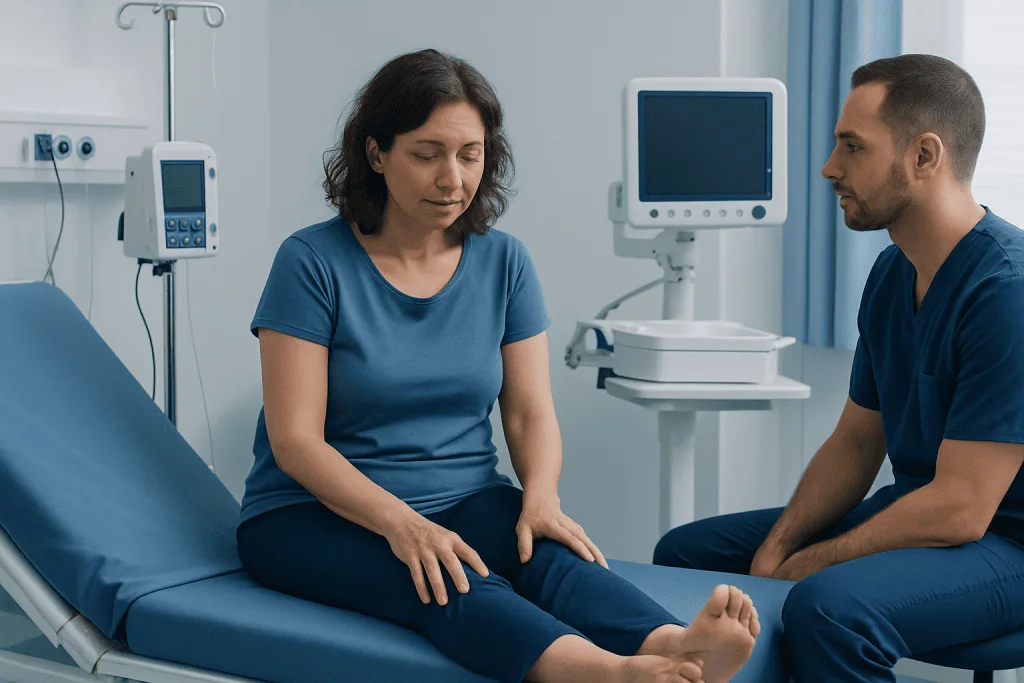
The hallmark symptom of restless leg syndrome is an urge to move the legs that begins or worsens during periods of rest. It may start while lying in bed, sitting through a long meeting, traveling by car or plane, or relaxing in the evening. Moving the legs, stretching, standing up, or walking often brings temporary relief.
The sensations are often hard to describe. People may say the legs feel jumpy, electric, itchy deep inside, or as if something is moving under the skin. The experience is usually uncomfortable rather than painful, but in some cases it can become distressing and interfere with rest. Symptoms can affect one or both legs, and they may shift from side to side.
RLS can also be associated with periodic limb movements during sleep. These are repetitive leg jerks that happen without conscious control and may disrupt sleep for the person or a bed partner. Not everyone with RLS has these movements, but they are common enough that a doctor may ask about them during evaluation.
- Symptoms begin or become worse during rest.
- Symptoms improve with movement, at least for a short time.
- Symptoms are usually stronger in the evening or at night.
- Sleep disturbance and daytime tiredness are common consequences.
Why restless leg syndrome happens

The exact cause of restless leg syndrome is not always clear, but research suggests that brain pathways involving dopamine and iron metabolism play an important role. Dopamine helps regulate movement, and changes in how this system works may contribute to the urge to move the legs. Iron is also important for healthy brain function, which is why low iron stores can be closely linked to RLS symptoms.
Doctors often think about RLS in two broad forms. Primary RLS tends to run in families and may begin earlier in life, sometimes gradually worsening over time. Secondary RLS develops in connection with another medical issue or trigger. Common contributors include iron deficiency, pregnancy, chronic kidney disease, peripheral neuropathy, and some medications such as certain antidepressants, antihistamines, or anti-nausea drugs.
RLS can sometimes overlap with other sleep or neurologic concerns. For example, symptoms may be confused with leg cramps, arthritis discomfort, circulation problems, or Parkinson’s disease-related movement symptoms. A careful history helps separate these conditions because RLS has a very specific pattern: symptoms appear during rest, improve with movement, and are stronger later in the day.
Who is more likely to develop it
Restless leg syndrome can affect adults of any age and can also occur in children, although it is more often recognized in adulthood. A family history increases the chance of developing the condition, especially when symptoms begin at a younger age. Women may be affected more often than men, and symptoms can become more noticeable during pregnancy, particularly in the later months.
Several health conditions may raise risk. These include iron deficiency, kidney disease, diabetes, peripheral nerve disorders, and some sleep disorders. People with long-term poor sleep, high stress, or frequent caffeine or alcohol use may notice that symptoms become more troublesome, even if these factors are not the underlying cause.
Age alone does not explain RLS, but symptoms may become more persistent with time in some individuals. Even so, worsening symptoms should not be assumed to be a normal part of aging. Ongoing or disruptive leg restlessness deserves medical review to look for treatable causes and choose appropriate management.
How doctors diagnose restless leg syndrome
Diagnosis is usually based on the person’s symptoms and medical history rather than on a single scan or blood test. A doctor will ask whether the urge to move begins during rest, whether movement brings relief, and whether symptoms are stronger in the evening or at night. These core features help distinguish RLS from other conditions.
The medical review may include questions about sleep quality, daytime fatigue, family history, pregnancy, and current medications. Blood tests are often used to check iron status and look for related problems such as kidney disease or other metabolic issues. If symptoms are unusual, severe, or difficult to interpret, further neurologic or sleep assessment may be recommended.
Sleep studies are not required for everyone, but they can be helpful when the diagnosis is uncertain or when another sleep disorder is suspected. In some settings, specialists may also evaluate for nerve-related conditions if symptoms suggest peripheral neuropathy. Depending on the pattern of symptoms, a doctor may advise a broader neurological assessment or, when needed, neurology evaluation and care.
Treatment options and long-term management
Treatment for restless leg syndrome depends on how often symptoms occur, how much they affect sleep and daily life, and whether an underlying cause is present. If iron deficiency is found, correcting it may significantly improve symptoms. When a medicine appears to trigger or worsen RLS, a doctor may consider safer alternatives if appropriate.
Non-drug strategies are often the first step for mild or occasional symptoms. These may include keeping a regular sleep schedule, reducing caffeine and alcohol, avoiding nicotine, stretching the legs, staying physically active without overexertion, and using relaxation techniques in the evening. Some people also find short walks, warm baths, or gentle massage helpful during symptom flares.
When symptoms are frequent, severe, or strongly disruptive to sleep, medication may be considered. Doctors choose treatment carefully because the best option depends on age, overall health, sleep pattern, and possible side effects. In some cases, care overlaps with sleep medicine, especially when insomnia or repeated nighttime leg movements are major concerns, and a specialist may recommend sleep disorder treatment.
Long-term management focuses on symptom control while limiting side effects and avoiding worsening over time. Regular follow-up is important because treatment needs can change. For international patients who need specialist assessment, Acibadem International’s multidisciplinary teams in JCI-accredited hospitals diagnose and manage neurologic and sleep-related conditions, including cases that may benefit from advanced brain and nerve care when another neurological cause is being evaluated.
Self-care strategies that may help day to day
Self-care does not replace medical treatment, but it can make daily symptoms easier to manage. A consistent sleep routine is one of the most helpful habits. Going to bed and waking up at similar times each day may support better sleep quality, which can reduce the burden of nighttime symptoms.
Moderate exercise can be beneficial, but very intense evening workouts may worsen symptoms for some people. It may help to notice personal triggers and patterns over several weeks. Keeping a simple symptom diary with notes about sleep, caffeine, alcohol, stress, and medicines can make it easier to discuss the condition with a doctor.
- Limit caffeine late in the day.
- Avoid tobacco and reduce alcohol if these worsen symptoms.
- Try light stretching before bedtime.
- Stand up and walk briefly during long periods of sitting.
- Discuss all over-the-counter and prescription medicines with a clinician.
People should be cautious about self-treating with supplements, especially iron, without medical advice. Iron may help only when deficiency is present, and unnecessary supplementation can be harmful. A doctor can decide whether testing or treatment is appropriate.
When to seek medical care
Medical care is appropriate if leg restlessness is happening often, disturbing sleep, causing daytime fatigue, or affecting work, mood, or travel. A review is also important when symptoms are new, are getting worse, or begin alongside numbness, weakness, or significant pain, because these features can point to another condition that needs attention.
Pregnant patients, people with kidney disease, and those with known iron deficiency should mention symptoms early, since management may improve comfort and sleep. Anyone taking medicines that might worsen restlessness should not stop them suddenly but should speak with the prescribing doctor about options.
Urgent evaluation is not usually needed for typical RLS alone. However, sudden severe leg swelling, marked weakness, chest symptoms, or signs of a circulation problem are not typical of restless leg syndrome and should be assessed promptly. A qualified doctor can confirm the diagnosis, rule out look-alike conditions, and create a safe treatment plan.
Frequently asked questions
Is restless leg syndrome a serious condition?
Restless leg syndrome is usually not dangerous, but it can have a real effect on sleep, energy, mood, and quality of life. It also sometimes points to a treatable underlying issue, such as low iron or kidney disease, so medical review can be helpful.
What is the difference between restless leg syndrome and leg cramps?
Leg cramps usually cause sudden, painful tightening of a muscle, often in the calf. Restless leg syndrome is more often an uncomfortable urge to move the legs with unusual sensations that improve when the person gets up or stretches.
Can restless leg syndrome go away on its own?
Sometimes symptoms are temporary, especially if they are linked to pregnancy, a medication, or a short-term change in sleep or lifestyle. In other people, RLS is long-lasting and may need ongoing management, particularly when symptoms are frequent.
Does low iron always mean a person will have restless leg syndrome?
No. Low iron can contribute to RLS, but not everyone with low iron develops symptoms. At the same time, some people with restless leg syndrome have normal iron levels, which is why diagnosis depends on the full clinical picture.
Can children have restless leg syndrome?
Yes, children can have restless leg syndrome, although it may be harder for them to describe what they feel. Symptoms may be mistaken for growing pains, difficulty settling at night, or restlessness, so a careful medical assessment is useful.
What makes restless leg syndrome worse?
Common triggers include sleep deprivation, caffeine, alcohol, nicotine, stress, and some medications. Long periods of sitting, such as during travel or desk work, can also bring on symptoms in people who are prone to RLS.
References
- National Institute of Neurological Disorders and Stroke
- National Heart, Lung, and Blood Institute
- American Academy of Sleep Medicine
- National Institute for Health and Care Excellence
- Mayo Clinic
This article is for general information only and is not a substitute for professional medical advice. Please consult a qualified doctor about your individual situation.
Explore treatments in Turkey — costs, top hospitals & a free quote
JCI-accredited · board-certified surgeons · reply within 24h
Add us as a Preferred Source to see more of our trusted health content across Google Search, AI Overviews and Discover.

More from the Health Library



Related Specialists

Dr. Emre Güler
Anesthesiology
Assoc. Prof. Dr. Sabri Berkem Ökten
Gynecology & Obstetrics
Assoc. Prof. Dr. Muhammet Ahmet Karakaya
Anesthesiology
Dr. Tarik Candan
Thoracic Surgery