Understanding Venous Thoracic Outlet Syndrome: A Complete Patient Guide

Venous thoracic outlet syndrome happens when the subclavian vein is compressed in the upper chest or shoulder area. Common signs include sudden arm swelling, a heavy or tight feeling, bluish discoloration, and visible surface veins.
Key Takeaways
- Venous thoracic outlet syndrome happens when the subclavian vein is compressed in the upper chest or shoulder area.
- Common signs include sudden arm swelling, a heavy or tight feeling, bluish discoloration, and visible surface veins.
- Repetitive overhead activity, certain anatomic variations, and intense upper-body use can increase risk.
- Diagnosis usually combines a physical exam with imaging such as ultrasound and cross-sectional vascular studies.
- Treatment may include blood thinners, clot-directed procedures, and surgery in selected patients to relieve the compression.
- New arm swelling, pain, or color change should be evaluated promptly, especially if symptoms start suddenly.
Venous thoracic outlet syndrome is a form of thoracic outlet compression in which the subclavian vein is squeezed as it passes between the collarbone and first rib. It can lead to arm swelling, heaviness, discomfort, and sometimes a blood clot, so timely medical assessment is important.
Overview: what venous thoracic outlet syndrome means
Venous thoracic outlet syndrome, often shortened to VTOS, is a condition in which the subclavian vein becomes compressed as it travels from the arm into the chest. This narrowing usually happens in the small space between the first rib, collarbone, and surrounding muscles and connective tissue. When blood cannot flow normally through this vein, the arm may swell, feel heavy, or change color.
This form of thoracic outlet syndrome is different from the more common neurogenic type, which mainly affects nerves. In VTOS, the main concern is impaired venous drainage from the arm. In some people, compression irritates the vein enough to trigger a clot, sometimes called effort thrombosis or Paget-Schroetter syndrome.
Although the condition can sound complex, the basic issue is mechanical: the vein is being squeezed in a tight space. Symptoms may appear suddenly after strenuous upper-body activity or may build more gradually over time. Because a vein problem can have several possible causes, proper diagnosis matters before treatment is planned.
How venous thoracic outlet syndrome affects the body
The subclavian vein is responsible for carrying blood from the arm back toward the heart. In VTOS, repeated compression can slow this return flow, especially when the arm is raised or used forcefully. This creates pressure behind the narrowed area, which can lead to swelling and a sense of fullness in the shoulder, upper chest, or arm.
Over time, the vein lining may become inflamed or scarred. In some patients, this irritation makes clot formation more likely. A clot can worsen swelling and discomfort and usually causes symptoms to become more obvious and sudden.
VTOS is part of the broader family of thoracic outlet syndrome, but its pattern is distinct. Rather than numbness and tingling alone, patients more often notice visible changes such as puffiness, a dusky or bluish tone, or enlarged veins under the skin. These differences help doctors decide which tests are most useful.
Symptoms and warning signs

Symptoms of venous thoracic outlet syndrome can vary in intensity, but arm swelling is one of the most typical features. The affected arm may feel heavy, tight, or tired, especially after exercise or overhead movements. Some people also notice aching in the shoulder, armpit, or upper arm.
Color change is another clue. The arm or hand may look reddish, purplish, or slightly blue, and veins near the shoulder or chest wall can become more visible because blood is trying to find alternate pathways back to the heart. The skin may feel tense if swelling develops quickly.
When a clot is present, symptoms often begin suddenly. Signs that may occur include:
- Rapid swelling of one arm
- A feeling of tightness or pressure in the arm
- Pain or soreness after activity
- Bluish or dusky discoloration
- Prominent veins across the shoulder or chest
- Symptoms that worsen with lifting or overhead use
Not every person has every symptom, and similar signs can occur with other vein problems. That is why a one-sided swollen arm should not be self-diagnosed. A clinician can determine whether the cause is VTOS, another venous blockage, or a different circulation issue.
Causes and risk factors
VTOS usually develops when a naturally tight space in the thoracic outlet becomes even narrower. Some people are born with anatomy that makes compression more likely, such as an extra rib, unusual first-rib shape, or fibrous bands. Others develop symptoms because surrounding muscles become enlarged or because posture and repetitive motion reduce the available space.
Repetitive overhead or forceful arm activity is a common trigger. Athletes who swim, row, throw, or lift weights may be affected, but VTOS is not limited to sports. Jobs or hobbies that involve frequent overhead reaching, carrying, or heavy upper-body effort can also contribute.
Risk tends to increase when vein compression happens repeatedly over time. Important contributing factors may include:
- Repetitive overhead arm movement
- Intense upper-body exercise
- Congenital anatomic variations, such as a cervical rib
- Prior injury around the collarbone or shoulder region
- Poor shoulder mechanics or postural strain
Doctors also consider other causes of upper-extremity vein blockage, including catheter-related thrombosis and clotting disorders. These do not always mean VTOS is present, but they can influence testing and treatment decisions. A full medical history helps sort out which factors are most relevant in each individual case.
How diagnosis is made
Diagnosis starts with the story of the symptoms and a focused physical examination. A doctor will ask when swelling began, whether it followed exertion, and if symptoms change with arm position. The clinician may look for color change, enlarged surface veins, asymmetry between the arms, and signs that certain movements worsen the problem.
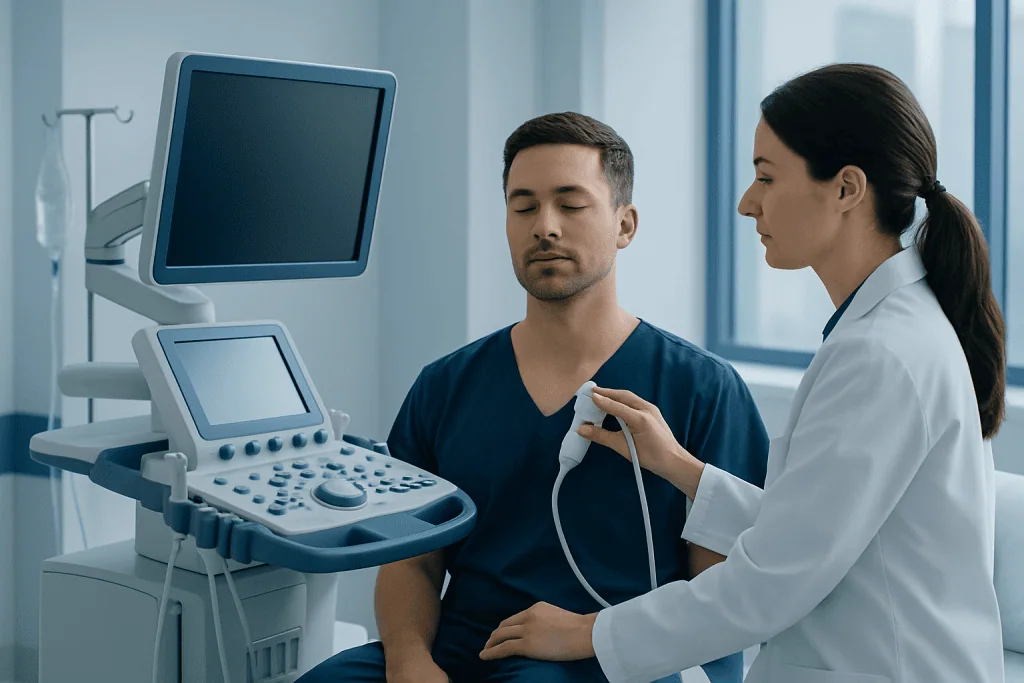
Imaging is usually needed to confirm the diagnosis and see whether a clot is present. Duplex ultrasound is often the first test because it can assess blood flow in the veins and may show thrombosis. However, because the subclavian vein lies under the collarbone, ultrasound may not always capture the entire problem clearly.
If more detail is needed, doctors may use CT venography, MR venography, or catheter-based venography to evaluate the narrowed segment and nearby anatomy. These tests can help show dynamic compression, especially when the arm is placed in different positions. In some centers, imaging is combined with planning for vascular surgery or other procedures if significant obstruction is found.
Diagnosis also involves ruling out related or overlapping conditions. Depending on the symptoms, the care team may consider deep vein thrombosis in the arm from other causes, shoulder disorders, or nerve-related thoracic outlet problems. This step is important because the best treatment depends on the exact reason for the symptoms.
Treatment options and recovery
Treatment depends on whether a clot is present, how severe the symptoms are, and whether ongoing anatomic compression is confirmed. When thrombosis has occurred, blood-thinning medication is commonly used to help prevent clot extension and lower the risk of further complications. In selected patients, doctors may recommend clot-directed treatment to restore blood flow more quickly.
Some people benefit from minimally invasive procedures performed by vascular or endovascular specialists. These may include catheter-based approaches to evaluate the vein, dissolve or remove clot in appropriate cases, or guide next steps. In the right setting, a team may consider interventional radiology techniques as part of diagnosis and treatment planning.
If symptoms are caused by persistent mechanical narrowing, surgery may be recommended to relieve the compression. This can involve removing the first rib or dividing tight surrounding tissue to create more space for the vein. The goal is not only to treat current symptoms but also to reduce the chance of recurrent obstruction. Some patients may later need vein-specific repair depending on the degree of scarring or residual narrowing.
Recovery varies by treatment path. Patients are usually advised to limit provoking activities during healing and to follow a guided return-to-activity plan. Follow-up imaging may be used to check blood flow. In complex cases, treatment is often coordinated across cardiovascular surgery and vascular medicine to match therapy to the individual anatomy and symptom pattern.
Living with the condition: self-care and prevention
Self-care does not replace medical treatment, especially when arm swelling is sudden or a clot is suspected. Still, daily habits can support recovery and may help reduce symptom flare-ups. Many patients are advised to avoid repetitive overhead strain until a clinician has assessed the vein and recommended a safe activity plan.
Posture and shoulder mechanics also matter. Working with a qualified physical therapist may help improve upper-body alignment, reduce unnecessary tension around the neck and shoulder girdle, and rebuild movement gradually after treatment. Exercises should be individualized, because aggressive stretching or strengthening before diagnosis can sometimes worsen symptoms.
Practical measures often include:
- Pausing heavy or repetitive overhead activity during evaluation
- Following prescribed medication exactly as directed
- Keeping follow-up appointments and imaging visits
- Returning to sports or strenuous work gradually, with medical guidance
- Reporting any new swelling, pain, or color change promptly
Near the end of treatment planning, patients may want to ask about long-term activity expectations, recurrence risk, and whether protective changes are needed at work or in sports. For international patients who need coordinated care, Acibadem International’s multidisciplinary specialists in JCI-accredited hospitals diagnose and treat vascular compression conditions with individualized planning.
When to seek medical care
Medical care should be sought promptly for sudden swelling of one arm, especially if it is accompanied by pain, tightness, color change, or visible chest and shoulder veins. These symptoms can suggest significant venous obstruction and should be evaluated rather than watched at home.
Urgent assessment is also appropriate if symptoms follow intense exercise, repetitive overhead activity, or recent trauma around the shoulder or collarbone. Even if discomfort seems mild, new one-sided swelling deserves medical attention because it may indicate a clot or another circulation problem.
Emergency care is important if arm symptoms occur together with chest pain, shortness of breath, fainting, or severe worsening swelling. Those symptoms can have several causes and require immediate professional evaluation. A qualified doctor can decide which tests are needed and whether treatment should begin right away.
Frequently asked questions
Is venous thoracic outlet syndrome the same as thoracic outlet syndrome?
Venous thoracic outlet syndrome is one specific type of thoracic outlet syndrome. It affects a vein rather than mainly the nerves, so swelling and color change are often more noticeable than numbness alone. The overall term includes venous, arterial, and neurogenic forms.
Can venous thoracic outlet syndrome cause a blood clot?
Yes. Repeated compression can irritate the subclavian vein and contribute to clot formation, sometimes called effort thrombosis. This is one reason sudden one-sided arm swelling should be assessed promptly.
What activities can trigger symptoms?
Symptoms often appear after repetitive overhead motion or intense upper-body exertion. Examples may include swimming, rowing, throwing, weight training, or work that requires frequent lifting above shoulder level. Triggers vary from person to person.
How is VTOS different from a simple muscle strain?
A muscle strain usually causes localized pain and tenderness without major vein-related changes. VTOS is more likely to cause swelling, heaviness, visible veins, or arm discoloration, especially after activity. Because symptoms can overlap, a medical exam is the safest way to tell the difference.
Will everyone with venous thoracic outlet syndrome need surgery?
No. Treatment depends on the severity of symptoms, whether a clot is present, and how much ongoing anatomic compression is found. Some patients are managed with medication and monitoring, while others benefit from procedures or surgery to relieve the narrowing.
Can venous thoracic outlet syndrome come back after treatment?
It can recur in some patients, especially if the underlying compression is not fully relieved or if strenuous provoking activity resumes too quickly. Follow-up care, activity guidance, and repeat imaging when needed help reduce this risk. The care team can explain what recurrence signs to watch for.
References
- National Heart, Lung, and Blood Institute
- Society for Vascular Surgery
- American Heart Association
- National Institute of Neurological Disorders and Stroke
- Cleveland Clinic
This article is for general information only and is not a substitute for professional medical advice. Please consult a qualified doctor about your individual situation.
Explore treatments in Turkey — costs, top hospitals & a free quote
JCI-accredited · board-certified surgeons · reply within 24h
Add us as a Preferred Source to see more of our trusted health content across Google Search, AI Overviews and Discover.