Unexplained Vision Loss: When the Problem May Be Neurological

Vision loss may be linked to the eye, the optic nerve, or the brain’s visual pathways. Symptoms such as double vision, visual field loss, headache, weakness, or numbness can suggest a neurological cause.
Key Takeaways
- Vision loss may be linked to the eye, the optic nerve, or the brain’s visual pathways.
- Symptoms such as double vision, visual field loss, headache, weakness, or numbness can suggest a neurological cause.
- Prompt medical evaluation is important, especially when vision loss is sudden, painful, or accompanied by other neurological symptoms.
- Diagnosis may involve an eye exam, neurological assessment, visual field testing, and imaging such as MRI or CT.
- Treatment depends on the underlying cause and may include medication, surgery, or management of a neurological condition.
Unexplained vision loss is not always caused by a problem inside the eye itself. In some cases, changes in the optic nerve, brain, or wider nervous system can affect sight and require assessment by a neuro-ophthalmology team.
Overview
Unexplained vision loss describes reduced sight that is not immediately explained by a simple or obvious eye problem. While many visual changes come from conditions affecting the cornea, lens, retina, or eye pressure, vision also depends on healthy communication between the eyes, the optic nerves, and the brain. When any part of this pathway is affected, vision may change even if the front of the eye appears normal.
Neurological vision loss can involve the optic nerve, the optic chiasm, the visual pathways deeper in the brain, or the parts of the brain that process images. This is why a person may notice blurred vision, missing areas in the visual field, dimness, double vision, or trouble seeing clearly without an obvious eye surface problem. In some cases, symptoms develop suddenly; in others, they come on gradually.
Because vision changes can be caused by many different conditions, careful evaluation is important. A neuro-ophthalmologist or a team including ophthalmology, neurology, and radiology specialists may be involved when the pattern of symptoms suggests the problem may lie beyond the eye itself.
Symptoms That May Suggest a Neurological Cause
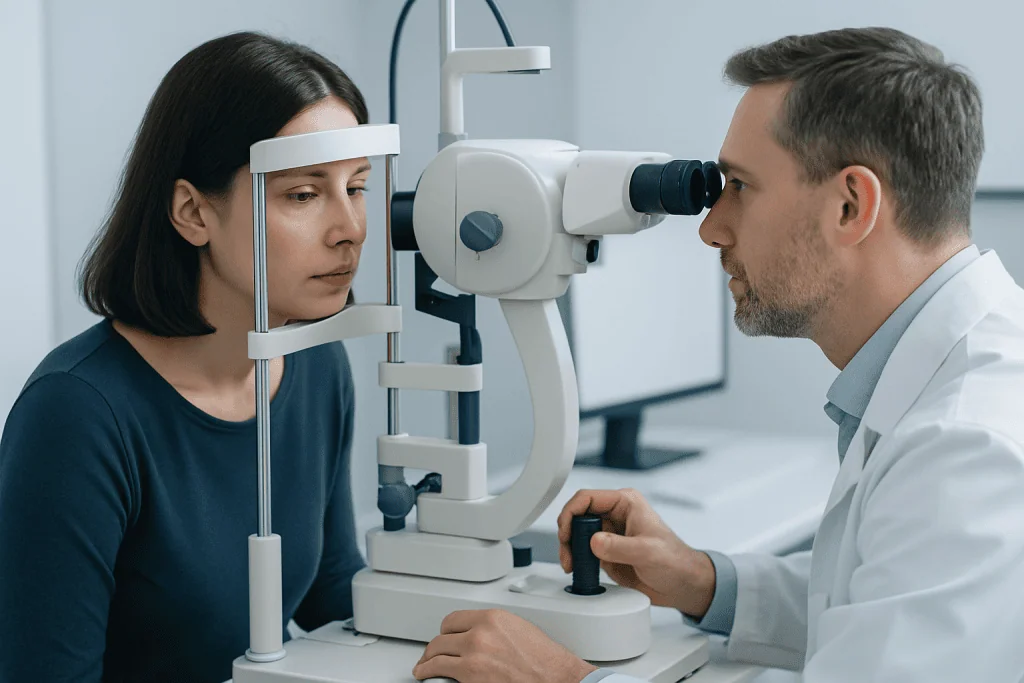
The symptoms of neurological vision loss vary depending on which part of the visual system is affected. Some people describe blurred or dim vision in one eye, while others notice blind spots, tunnel vision, poor color perception, or temporary episodes of vision loss. Vision may seem washed out, shadowed, or less sharp than usual.
Other symptoms can point more strongly toward a neurological cause rather than a routine eye problem. These may include double vision, difficulty moving the eyes, drooping of an eyelid, eye pain with movement, loss of part of the visual field, or seeing normally in one eye but not the other. Some people also notice trouble reading, recognizing objects, or processing what they see despite having healthy-looking eyes.
Neurological warning signs may happen together with visual symptoms. These can include headache, facial numbness, weakness, problems with balance, speech changes, confusion, or dizziness. When sudden vision loss occurs with these symptoms, urgent medical evaluation is especially important because the cause may involve the brain or blood vessels.
- Sudden loss of vision in one or both eyes
- Double vision or new eye movement problems
- Blind spots or loss of side vision
- Pain with eye movement
- Vision loss with headache, weakness, or numbness
- Episodes of temporary dimming or blackout of vision
Possible Causes and Risk Factors
Neurological causes of vision loss include disorders affecting the optic nerve, brain, or blood supply to the visual system. One example is optic neuritis, an inflammation of the optic nerve that can cause pain and reduced vision, often in one eye. Other causes include compression of the optic nerve by a tumor or other mass, damage related to autoimmune disease, stroke affecting the visual pathways, traumatic brain or head injury, and increased pressure inside the skull.
Some people develop vision loss due to poor blood flow to the optic nerve or brain. This may happen in vascular conditions, including stroke or disorders that affect circulation. In other cases, the issue may be linked to infections, inflammatory diseases, or demyelinating conditions such as multiple sclerosis. Rarely, nutritional deficiencies or toxic exposures can also affect the optic nerve.
Risk factors depend on the cause. They may include older age, smoking, high blood pressure, diabetes, high cholesterol, autoimmune disease, migraine, a personal history of neurological illness, or recent infection. A family history of certain neurological or inherited optic nerve disorders may also matter. Sometimes, however, otherwise healthy people can still develop a neurological cause of vision loss, which is why unexplained symptoms should not be ignored.
When doctors are considering whether vision loss may be due to an underlying neurological disorder, they may also evaluate for related conditions such as multiple sclerosis or the effects of stroke.
How Doctors Make the Diagnosis
Diagnosis begins with a detailed medical history and examination. The doctor will ask when the vision problem started, whether it is painful, whether one or both eyes are involved, and whether there are related symptoms such as headache, weakness, balance problems, or recent illness. A careful description of what the person sees—or cannot see—can offer important clues about where the problem may be located.
An eye examination usually includes visual acuity testing, color vision testing, pupil assessment, eye movement testing, and a close look at the optic nerve and retina. Visual field testing is often helpful because certain patterns of field loss can suggest whether the problem is in the optic nerve, optic chiasm, or deeper visual pathways in the brain.
If a neurological cause is suspected, imaging may be needed. This can include MRI of the brain and orbits, and sometimes CT scan in urgent situations or when bone or bleeding must be assessed quickly. Depending on the findings, doctors may also request blood tests, optical coherence tomography, lumbar puncture, or other neurological studies.
The goal is not only to confirm that vision loss is present, but also to identify the exact cause and how urgently it needs treatment. Because some conditions progress quickly while others are more gradual, timely diagnosis helps guide the right next steps and may improve the chance of protecting vision.
Treatment Options
Treatment depends entirely on the underlying cause of unexplained vision loss. There is no single treatment that fits every person. For inflammatory conditions such as optic neuritis, doctors may consider medication to reduce inflammation. If the cause is an infection, treatment targets the infection itself. If poor blood flow or stroke is involved, care focuses on restoring or protecting circulation and reducing future risk.
When a structural problem is pressing on the optic nerve or visual pathways, surgery or another procedure may be needed. This can happen with certain tumors, bleeding, or other masses. In some cases, the patient may need coordinated care from ophthalmology, neurology, neurosurgery, or vascular specialists. If a brain lesion is found, management may include brain tumor surgery or another targeted approach depending on the diagnosis.
Some causes are managed over the long term rather than cured immediately. For example, treatment may aim to control autoimmune disease, manage vascular risk factors, or monitor a stable lesion over time. Vision rehabilitation, prisms for double vision, occupational support, or low-vision services can also help people adapt if visual function does not fully return.
For patients whose vision changes are linked to a broader neurological condition, doctors may discuss therapies related to that diagnosis, including care pathways used in stroke treatment when appropriate. The best plan is based on the cause, the speed of symptom onset, the amount of vision affected, and the person’s overall health.
Self-Care, Monitoring, and Prevention
Not every neurological cause of vision loss can be prevented, but some steps may lower risk or support earlier detection. Managing blood pressure, cholesterol, diabetes, and smoking can help protect blood vessels that supply the optic nerve and brain. Following treatment plans for autoimmune or neurological disorders may also reduce complications that affect vision.
People should avoid waiting to see whether sudden visual changes simply pass on their own. Keeping a simple note of when symptoms started, whether one or both eyes are involved, and what other symptoms are present can help during medical evaluation. This information may be especially useful when vision changes come and go or are difficult to describe.
Regular eye examinations remain important, even when the source of vision loss may be neurological. Eye doctors can sometimes detect subtle changes in the optic nerve or visual fields before a person realizes the full extent of the problem. For those with known neurological disease, follow-up may involve both eye and brain specialists.
If treatment has already begun, self-care may include taking medicines as prescribed, attending imaging and follow-up appointments, and reporting any new symptoms promptly. Near the end of the care journey, some patients may benefit from multidisciplinary assessment; Acibadem International’s JCI-accredited hospitals and specialists provide diagnosis and treatment support for international patients with neuro-ophthalmic conditions.
When to See a Doctor
Any new, unexplained vision loss should be assessed by a medical professional. Even when symptoms seem mild at first, they can signal a condition involving the optic nerve or brain that benefits from early treatment. A person should arrange prompt evaluation if vision becomes blurred, dim, patchy, or suddenly different from normal.
Urgent or emergency care is needed when vision loss happens suddenly, especially if it affects one side of the visual field or occurs together with severe headache, weakness, numbness, speech difficulty, confusion, trouble walking, or new double vision. These symptoms can suggest a neurological emergency that needs immediate attention.
It is also important to seek medical advice if there is pain with eye movement, repeated brief episodes of vision blackout, or progressive loss of side vision. Early assessment can help distinguish between eye disease and neurological causes, leading to more targeted treatment and better support.
Frequently asked questions
Can vision loss come from the brain rather than the eye?
Yes. Vision depends on the eyes, optic nerves, and the brain’s visual pathways working together. A problem in the optic nerve or brain can reduce vision even when the front of the eye looks normal.
What symptoms make doctors suspect a neurological cause of vision loss?
Doctors may become more concerned about a neurological cause when vision loss is accompanied by double vision, pain with eye movement, visual field loss, weakness, numbness, or speech changes. The pattern of symptoms and whether one or both eyes are affected also helps guide the evaluation.
Is sudden unexplained vision loss an emergency?
It can be. Sudden vision loss may be linked to stroke, optic nerve inflammation, blood flow problems, or other urgent conditions. Immediate medical attention is especially important if there is also headache, weakness, confusion, or difficulty speaking.
What tests are usually done for neurological vision loss?
Testing often includes a full eye examination, visual field testing, pupil and eye movement assessment, and a neurological evaluation. Imaging such as MRI or CT may be used to examine the optic nerves, brain, and surrounding structures.
Can neurological vision loss be treated?
Sometimes yes, but treatment depends on the underlying cause. Some conditions improve with medication or treatment of inflammation, infection, or blood vessel problems, while others may need surgery or long-term neurological care.
Will vision return to normal after treatment?
Recovery varies widely. Some people regain much or all of their vision, while others may have lasting changes depending on how severe the damage was and how quickly treatment began. Regular follow-up helps doctors monitor recovery and adjust care.
References
- American Academy of Ophthalmology
- National Eye Institute
- National Institute of Neurological Disorders and Stroke
- Mayo Clinic
- World Health Organization
This article is for general information only and is not a substitute for professional medical advice. Please consult a qualified doctor about your individual situation.
Explore treatments in Turkey — costs, top hospitals & a free quote
JCI-accredited · board-certified surgeons · reply within 24h
Add us as a Preferred Source to see more of our trusted health content across Google Search, AI Overviews and Discover.
Check your numbers in seconds
BMI, calories, due date, blood pressure and 30+ more clinical calculators — free, instant, doctor-reviewed ranges.