Unsteady Walking in Older Adults: Neurological Causes That Should Not Be Missed

A new or worsening unsteady gait in later life deserves medical evaluation. Neurological causes include stroke, Parkinson’s disease, neuropathy, cerebellar disorders, and normal pressure hydrocephalus.
Key Takeaways
- A new or worsening unsteady gait in later life deserves medical evaluation.
- Neurological causes include stroke, Parkinson’s disease, neuropathy, cerebellar disorders, and normal pressure hydrocephalus.
- Falls, dizziness, weakness, numbness, tremor, or bladder and memory changes can help guide diagnosis.
- Assessment usually includes a detailed history, neurological examination, and sometimes imaging or nerve tests.
- Treatment depends on the cause and may include medication review, rehabilitation, assistive devices, or specialist care.
Unsteady walking in older adults is not always a normal part of aging. It can be an early clue to treatable neurological conditions, so persistent or sudden gait changes should be assessed carefully.
Overview
Unsteady walking in older adults is a common concern, but it should not automatically be dismissed as simple aging. Walking is a complex task that depends on the brain, spinal cord, nerves, muscles, inner ear, vision, and joints working together. A problem in any of these systems can affect balance and gait.
Neurological causes are especially important to recognize because some need urgent treatment, while others benefit from early diagnosis and long-term management. A person may describe feeling off balance, veering to one side, shuffling, freezing, taking short steps, or feeling as if the feet are not doing what the brain intends.
Although arthritis, poor footwear, or general weakness can contribute to instability, certain gait patterns point more strongly to the nervous system. A careful medical assessment can help distinguish between age-related slowing and a condition that should not be missed.
Symptoms and gait changes to notice
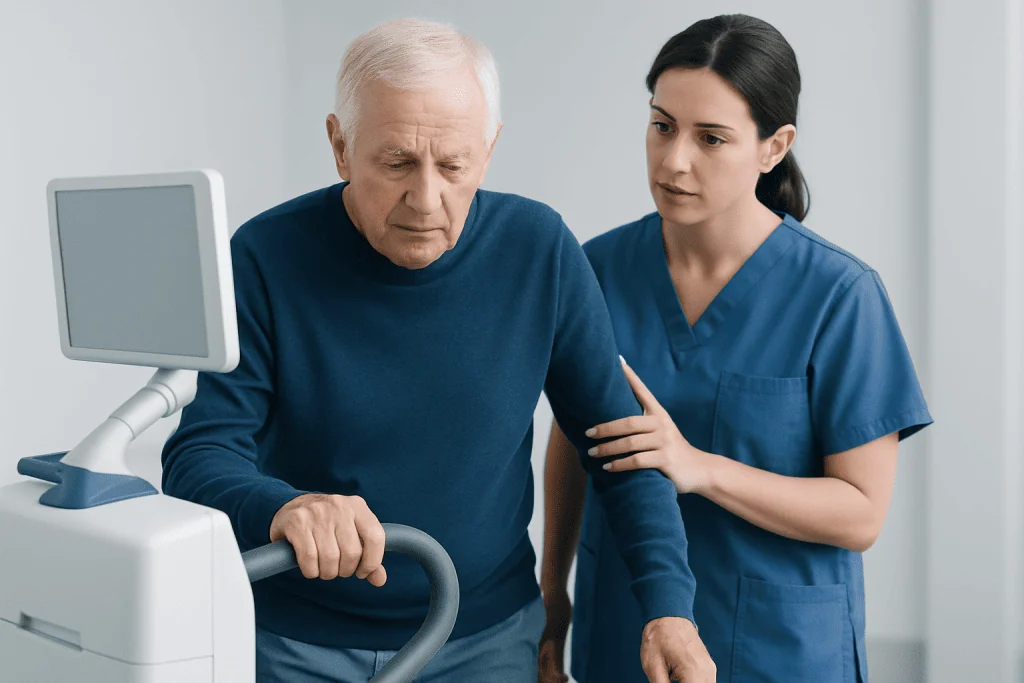
Unsteady walking can appear in different ways. Some older adults walk more slowly and cautiously. Others may widen their stance, drag one foot, shuffle, sway, freeze when turning, or feel as if they may fall backward. Family members often notice these changes before the person does.
Symptoms that occur along with gait changes can provide important clues. These may include dizziness, faintness, numbness in the feet, tingling, leg weakness, tremor, stiffness, poor coordination, double vision, bladder urgency, memory changes, or recent falls. Sudden changes are more concerning than gradual ones and may suggest an urgent neurological event.
Signs that should never be ignored include:
- New weakness on one side of the body
- Sudden trouble speaking or facial drooping
- Rapidly worsening balance
- Severe headache with walking difficulty
- Loss of consciousness or repeated unexplained falls
- New confusion with gait decline
Even when symptoms are mild, ongoing instability can reduce confidence and independence. Many older adults begin avoiding activity out of fear of falling, which can lead to deconditioning and make the problem worse.
Neurological causes that should not be missed

Several neurological conditions can cause unsteady walking in older adults. Stroke and transient ischemic attack can lead to sudden imbalance, leg weakness, or veering to one side. These require urgent assessment, especially if accompanied by speech difficulty, facial droop, numbness, or vision changes. In some cases, walking instability may be a clue to stroke affecting the cerebellum or brainstem.
Parkinsonian disorders are another important cause. Parkinson’s disease may begin with shuffling steps, reduced arm swing, stiffness, slowness, and difficulty turning. Some people also experience freezing, where the feet seem stuck to the floor. Other movement disorders and atypical parkinsonian syndromes can cause similar symptoms but may progress differently.
Peripheral neuropathy, which damages the nerves in the feet and legs, can make walking feel uncertain or unsafe. People may describe numbness, burning, tingling, or a sensation of walking on cotton. Diabetes, vitamin deficiencies, alcohol misuse, certain medications, and other medical conditions can contribute. Spinal cord or nerve root problems may also affect gait by causing weakness, sensory loss, or spasticity.
Cerebellar disorders can produce a wide-based, staggering walk and poor coordination. Causes include stroke, tumors, medication effects, alcohol-related injury, autoimmune conditions, and degenerative disease. Another often-missed condition is normal pressure hydrocephalus, which can cause a magnetic gait, memory decline, and bladder symptoms. In addition, dementia, vestibular disorders, and disorders such as Parkinson’s disease may impair walking by affecting judgment, balance, coordination, or movement control.
Risk factors and non-neurological contributors
Even when a neurological condition is present, gait instability is often influenced by several factors at once. Age-related changes in muscle strength, reaction time, vision, and hearing can lower the margin of safety. The combination of small problems across different body systems may lead to noticeable walking difficulty.
Common contributors include medication side effects, especially from sedatives, sleep medicines, some blood pressure drugs, and medications that cause drowsiness or dizziness. Low blood pressure on standing, dehydration, poor nutrition, and vitamin B12 deficiency can also affect balance. Foot pain, joint disease, and unsuitable shoes may add to the problem.
Risk is higher in older adults with diabetes, prior stroke, Parkinsonian symptoms, peripheral nerve disease, memory decline, or a history of falls. Fear of falling is also important because it can change the way a person walks, causing stiff, cautious steps and reduced confidence.
For this reason, assessment should look beyond a single symptom. A broad view helps identify both the neurological cause and the practical factors that may be worsening instability.
How doctors diagnose the cause
Diagnosis begins with a detailed history. The doctor will ask when the walking problem started, whether it came on suddenly or gradually, and whether there are symptoms such as dizziness, numbness, weakness, tremor, back pain, bladder changes, or memory problems. Information from a family member can be especially helpful, since gait changes are not always easy for the affected person to describe.
A neurological examination usually includes testing strength, reflexes, sensation, coordination, eye movements, and posture. The clinician will often observe how the person stands up, starts walking, turns, and walks back. This can reveal patterns such as shuffling, foot drop, wide-based gait, freezing, or one-sided weakness.
Further testing depends on the suspected cause. Blood tests may check for vitamin deficiencies, thyroid problems, infection, or metabolic issues. Brain or spine imaging may be needed when stroke, <a href="https://acibademinternational.com/diseases/normal-pressure-hydrocephalus/”>normal pressure hydrocephalus, structural disease, or spinal cord problems are suspected. In selected cases, doctors may use MRI scanning or CT imaging to look for changes in the brain or spine.
Some people may also need nerve conduction studies, hearing or vestibular testing, or a formal balance and gait assessment. If symptoms suggest a movement disorder, referral for specialist neurological evaluation can help clarify the diagnosis and guide treatment.
Treatment options and rehabilitation
Treatment depends on the underlying cause. If the problem is related to stroke, urgent stroke care and rehabilitation are essential. If Parkinson’s disease or another movement disorder is diagnosed, medications and tailored therapy may improve mobility. Peripheral neuropathy treatment focuses on addressing the cause, such as improving diabetes control or correcting vitamin deficiency, while also supporting safer walking.
Rehabilitation is often a central part of care. Physical therapy can improve strength, gait mechanics, balance reactions, and confidence. Occupational therapy may help with daily activities and home safety. Some people benefit from assistive devices such as a cane or walker, chosen and adjusted by a professional to match the individual’s needs.
Medication review is also important. Reducing or changing medicines that cause sedation, dizziness, or low blood pressure may improve steadiness. In some cases, treating a specific structural or fluid-related problem may help. For example, selected patients with normal pressure hydrocephalus may be considered for neurosurgical treatment after specialist evaluation.
Near the end of the care pathway, coordinated follow-up matters. When appropriate, multidisciplinary specialists at Acibadem International and its JCI-accredited hospitals evaluate international patients with gait and balance disorders using neurology, rehabilitation, and imaging expertise.
Prevention and self-care
Not every cause of unsteady walking can be prevented, but many practical steps can lower fall risk and support safer movement. Regular review of medications, good control of long-term conditions, and prompt attention to new neurological symptoms are all helpful. Staying physically active within safe limits can preserve strength and balance.
Home safety changes often make a meaningful difference. These may include better lighting, removal of loose rugs, secure handrails, non-slip bathroom supports, and keeping frequently used items within easy reach. Good footwear with a firm fit and non-slip sole is also important.
Self-care measures may include:
- Scheduling eye and hearing checks
- Managing blood sugar and blood pressure
- Eating a balanced diet with adequate hydration
- Using mobility aids correctly
- Avoiding alcohol excess
- Reporting falls or near-falls to a doctor
Families can help by noticing changes in walking speed, posture, step length, or confidence. Early support may prevent injuries and lead to earlier diagnosis of treatable neurological disease.
When to see a doctor urgently
Urgent medical attention is needed if unsteady walking begins suddenly or is accompanied by weakness, numbness, trouble speaking, new severe dizziness, fainting, double vision, severe headache, or confusion. These can be signs of stroke or another serious neurological problem. Sudden inability to stand or walk safely should also be treated as an emergency.
A prompt non-emergency medical appointment is also appropriate when gait becomes gradually worse, when falls begin happening, or when walking changes are paired with tremor, stiffness, memory issues, bladder changes, or numb feet. Persistent symptoms should not be ignored simply because the person is older.
Older adults often do best when evaluation happens early, before repeated falls or loss of independence occur. A careful assessment can identify reversible causes, improve safety, and support better quality of life.
Frequently asked questions
Is unsteady walking a normal part of aging?
Some slowing of movement can happen with age, but persistent unsteady walking is not something that should simply be accepted as normal. It may reflect a neurological, inner ear, muscular, visual, or medication-related problem that deserves evaluation.
What neurological conditions commonly cause gait problems in older adults?
Important causes include stroke, Parkinson’s disease, peripheral neuropathy, cerebellar disorders, spinal cord disease, and normal pressure hydrocephalus. Dementia and other movement disorders can also affect walking and balance.
When is unsteady walking an emergency?
It is an emergency if the problem starts suddenly or comes with weakness, facial droop, trouble speaking, severe dizziness, fainting, confusion, or vision changes. These may be signs of stroke or another urgent neurological condition.
How do doctors test balance and walking problems?
Doctors usually begin with a history and neurological examination, including watching how the person stands, walks, and turns. Depending on the findings, they may order blood tests, brain or spine imaging, nerve tests, or specialist balance assessments.
Can treatment improve walking stability?
Yes, treatment can often help, especially when the cause is identified early. Improvement may come from treating the underlying condition, adjusting medications, using physical therapy, and making safety changes at home.
What can families do if they notice a loved one walking differently?
Families can encourage a medical appointment, help track when symptoms started, and note falls, near-falls, or related changes such as tremor or memory problems. They can also support home safety and accompany the person to appointments if needed.
References
- World Health Organization
- National Institute on Aging
- National Institute of Neurological Disorders and Stroke
- American Academy of Neurology
- Centers for Disease Control and Prevention
This article is for general information only and is not a substitute for professional medical advice. Please consult a qualified doctor about your individual situation.
Joint and spine care in Turkey — expert assessment & treatment
JCI-accredited · board-certified surgeons · reply within 24h
Add us as a Preferred Source to see more of our trusted health content across Google Search, AI Overviews and Discover.
Check your numbers in seconds
BMI, calories, due date, blood pressure and 30+ more clinical calculators — free, instant, doctor-reviewed ranges.