Ureteroscopy: Benefits, Risks, and Recovery — A Complete Guide

Ureteroscopy uses a thin scope passed through the urinary tract, so no external incision is usually needed. It is commonly performed to remove or break up kidney and ureter stones, and may also help evaluate blockage, blood in the urine, or abnormal tissue.
Key Takeaways
- Ureteroscopy uses a thin scope passed through the urinary tract, so no external incision is usually needed.
- It is commonly performed to remove or break up kidney and ureter stones, and may also help evaluate blockage, blood in the urine, or abnormal tissue.
- Most people go home the same day and recover over several days, although temporary discomfort and urinary symptoms are common.
- Benefits include direct treatment and diagnosis; risks include infection, bleeding, pain, and, less commonly, injury to the ureter.
- Follow-up care, hydration, and knowing when to seek medical help are important parts of recovery.
Ureteroscopy is a minimally invasive procedure that lets a urologist look inside the ureter and kidney to diagnose or treat problems such as stones, blockage, or bleeding. It is commonly used when stones are unlikely to pass on their own or when symptoms, infection, or obstruction need prompt care.
Overview: what ureteroscopy is and why it is done
Ureteroscopy is a procedure that allows a urologist to examine the inside of the urethra, bladder, ureter, and sometimes the kidney using a very thin viewing instrument called a ureteroscope. It is often used to find the cause of symptoms or to treat problems at the same time. In many cases, it is recommended for stones in the ureter or kidney that are causing pain, blockage, infection risk, or ongoing urinary symptoms.
Unlike open surgery, ureteroscopy does not usually require any skin incision. The scope passes through the body’s natural urinary pathway. Because of this, recovery is often faster than with more invasive procedures. Modern ureteroscopes may be rigid or flexible, depending on where the problem is located and what needs to be treated.
Although ureteroscopy is best known for stone treatment, it may also be used to investigate blood in the urine, narrowing of the ureter, tissue changes, or suspected obstruction. When a stone is the main concern, a doctor may discuss it alongside other options for kidney stones and minimally invasive ureteroscopy treatment.
Who may need ureteroscopy
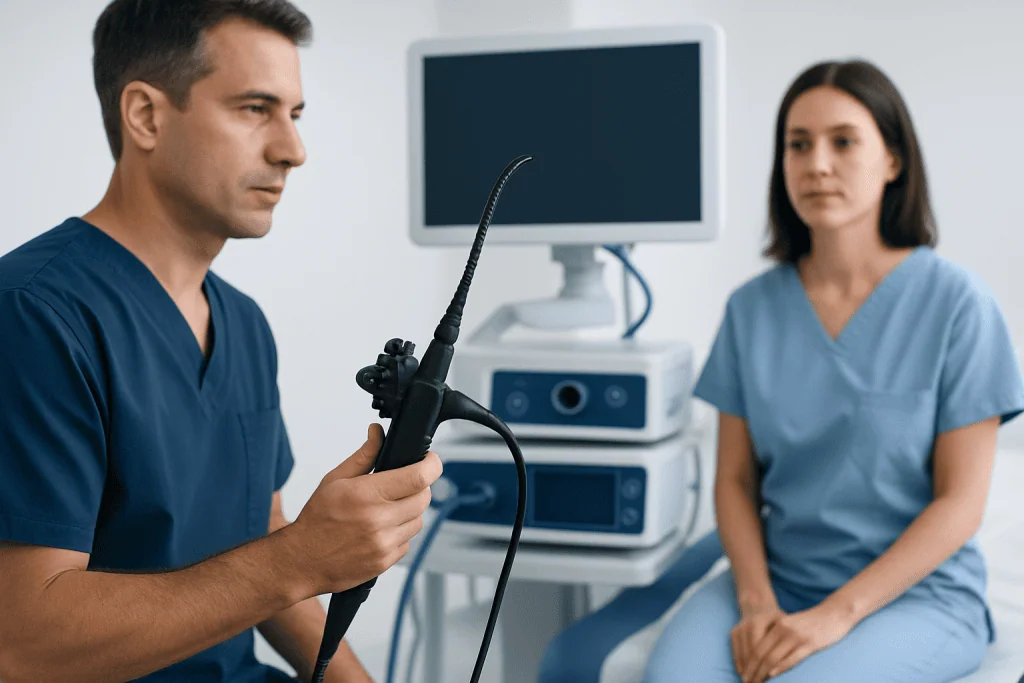
A person may be a candidate for ureteroscopy when imaging tests show a stone that is unlikely to pass naturally, especially if it is causing severe pain, repeated emergency visits, urinary blockage, or infection. It may also be considered when a stone has remained in place despite medication and time, or when a person needs a more immediate solution.
Doctors also use ureteroscopy when the cause of symptoms is not yet clear. Examples include blood in the urine, persistent flank pain, recurrent urinary tract infections, or suspicion of a narrowing or growth in the urinary tract. In some cases, the scope is used to take a biopsy or place a ureteral stent to help urine drain.
The decision depends on several factors, including stone size and location, anatomy of the urinary tract, pregnancy status, blood-thinner use, active infection, and overall health. A urologist compares ureteroscopy with alternatives such as observation, medications, shock wave treatment, or other procedures to choose the safest and most effective approach.
How the procedure works: step by step
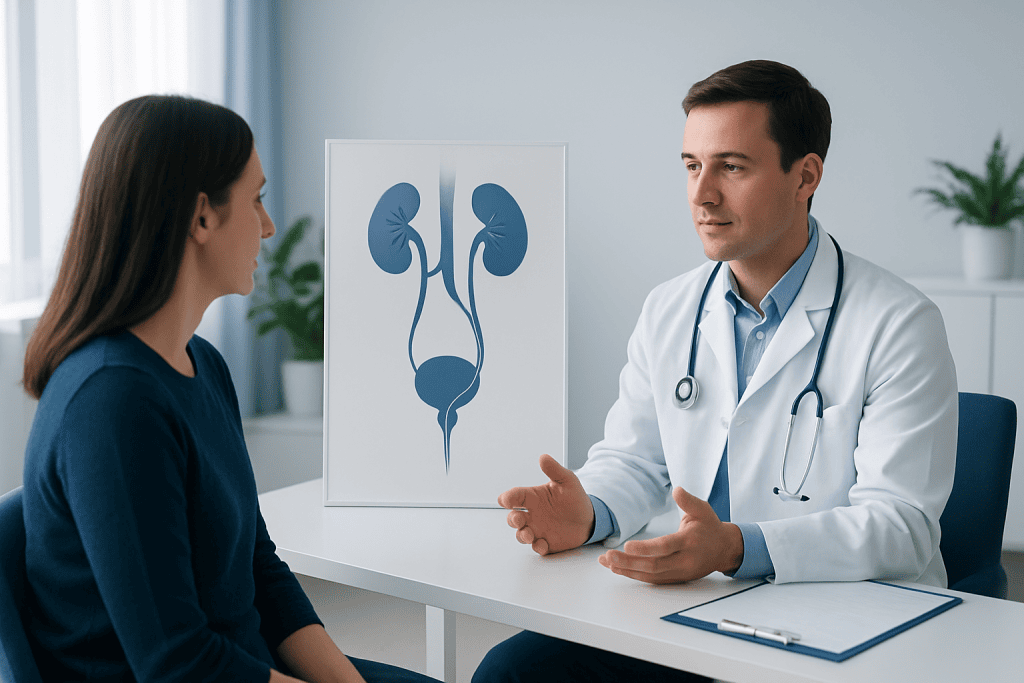
Before ureteroscopy, the care team usually reviews symptoms, medications, allergies, and recent tests such as urine studies, blood work, ultrasound, CT, or X-ray imaging. If a urinary infection is present, it is generally treated before the procedure because operating in the setting of active infection can increase the risk of complications. Patients are often asked not to eat or drink for a period before anesthesia.
During the procedure, the urologist passes the ureteroscope through the urethra into the bladder and then into the ureter. If a stone is seen, it may be removed with a tiny basket or broken into smaller pieces with a laser so that fragments can pass more easily. If the aim is diagnosis, the doctor may inspect the lining, take a sample of tissue, or look for signs of narrowing, blockage, or bleeding.
At the end of the procedure, a temporary ureteral stent may be placed. This soft tube helps keep urine flowing while the ureter settles after treatment. Some people notice pressure, urinary frequency, or flank discomfort while the stent is in place. The stent is usually removed later, depending on the reason it was inserted and how the urinary tract is healing.
Ureteroscopy is commonly done under anesthesia and is often a same-day procedure. However, an overnight stay may be needed if there is significant pain, infection risk, nausea, or a need for closer monitoring.
Benefits and possible risks
One important benefit of ureteroscopy is that it allows direct visualization of the urinary tract. This means the doctor can often diagnose and treat the problem in one session. For stones, it can be especially useful when the stone is lodged in the ureter, when symptoms are significant, or when other treatments are less suitable.
Another advantage is that it is minimally invasive and usually does not require any external incision. Many patients return home the same day, and the procedure can be used in a range of stone locations with modern flexible instruments. In selected cases, it may offer a high likelihood of clearing the stone or relieving obstruction without more invasive surgery.
Like any medical procedure, ureteroscopy has risks. Common short-term effects include burning with urination, urinary urgency, mild blood in the urine, bladder irritation, and discomfort from a stent. Potential complications include urinary tract infection, bleeding, pain requiring medication, and incomplete stone clearance that may need further treatment.
Less common but more serious risks include injury to the ureter, scarring, narrowing, or, rarely, perforation. Anesthesia also carries its own risks, which vary by age and overall health. A urologist explains these possibilities carefully and takes steps to lower risk before, during, and after the procedure.
Recovery timeline and aftercare
Recovery after ureteroscopy is often measured in days rather than weeks, but the exact timeline depends on whether a stone was fragmented, whether a stent was placed, and whether there were any complications. It is common to have mild burning when passing urine, pink-tinged urine, urinary urgency, or lower abdominal discomfort for a short time. These symptoms usually improve gradually.
Many people can return to light daily activities within a day or two. Drinking fluids, taking prescribed medications as directed, and avoiding heavy exertion for a short period may help recovery. If a stent is in place, symptoms such as pressure in the bladder, flank discomfort during urination, and frequent urination can continue until it is removed.
Follow-up is important. The doctor may review stone fragments, repeat urine tests, or arrange imaging to confirm that the urinary tract is clear. If stones were treated, the care plan may also include advice on prevention, particularly if the person has had repeated episodes of kidney stones or risk factors for recurrence.
People who have recurrent stones or complex urinary tract problems may also be assessed for broader urologic care, including related kidney stone treatment strategies. Near the end of recovery, the care team may discuss diet, hydration, and whether metabolic testing is useful to reduce the chance of future stones.
Preparing for ureteroscopy and reducing future problems
Good preparation can make ureteroscopy smoother and safer. Patients should tell their doctor about all medicines, especially blood thinners, diabetes medications, and supplements. It is also important to mention pregnancy, previous urinary tract procedures, allergies, and any current fever or urinary symptoms. Following pre-procedure instructions about fasting and medication timing helps reduce anesthesia and bleeding risks.
After treatment, prevention focuses on the underlying cause. If the procedure was done for stones, staying well hydrated is one of the most important general measures. Depending on stone type and a person’s health, a doctor may advise changes in salt intake, animal protein, oxalate-rich foods, or calcium balance. These recommendations are individualized rather than one-size-fits-all.
Some people need more than one approach over time, especially if stones recur or if anatomy affects drainage. In selected situations, a urologist may discuss alternatives or complementary procedures such as shock wave lithotripsy based on stone size, location, and clinical urgency. The goal is not only to treat the current problem but also to lower the risk of future episodes.
When to seek medical care
Medical advice should be sought promptly for symptoms that suggest obstruction, infection, or uncontrolled pain. These include fever, chills, severe or worsening flank pain, vomiting that prevents fluid intake, inability to urinate, or heavy bleeding in the urine. These symptoms do not always mean a serious complication is present, but they should be assessed without delay.
After ureteroscopy, it is also important to contact the care team if pain medicines are not helping, if burning or urgency suddenly becomes much worse, or if there is concern that a stent has moved. Follow-up appointments should be kept even when recovery seems to be going well, because imaging or stent removal may still be needed.
People with frequent infections, a single kidney, known urinary tract narrowing, or repeated stone episodes may need closer monitoring. At Acibadem International, multidisciplinary specialists in JCI-accredited hospitals diagnose and treat urinary stone disease and related urologic conditions for international patients using personalized care plans.
Frequently asked questions
Is ureteroscopy painful?
The procedure itself is usually done under anesthesia, so the patient should not feel pain during it. Afterward, mild burning with urination, bladder irritation, or flank discomfort can happen, especially if a stent is placed. These symptoms are often temporary and improve over several days.
How long does it take to recover from ureteroscopy?
Many people return to light activities within one to two days, although full comfort may take longer if a stent is in place. Mild urinary symptoms, blood-tinged urine, or cramping can last for a few days. Recovery varies depending on the reason for the procedure and whether stone fragments were removed or broken up.
Will a stent always be needed after ureteroscopy?
No, a stent is not always required. A urologist may place one if there is swelling, irritation, stone fragment passage, or concern about urine drainage after the procedure. When a stent is used, it is usually temporary and removed according to the doctor’s plan.
What are the main risks of ureteroscopy?
Common short-term issues include burning with urination, urinary urgency, mild bleeding, and discomfort from a stent. Less commonly, infection, significant bleeding, incomplete stone removal, or injury to the ureter can occur. The care team works to reduce these risks through testing, sterile technique, and follow-up care.
Can ureteroscopy remove all kidney stones?
Ureteroscopy can treat many stones in the ureter and kidney, but not every stone is suited to the same method. The best option depends on stone size, location, hardness, anatomy, and whether infection or blockage is present. Sometimes more than one procedure is needed to fully clear the stones.
When should someone call a doctor after ureteroscopy?
A doctor should be contacted urgently for fever, chills, severe pain, inability to urinate, heavy bleeding, or persistent vomiting. These symptoms may signal infection, obstruction, dehydration, or another problem that needs medical review. It is also sensible to call if symptoms are worsening rather than gradually improving.
References
- National Institute of Diabetes and Digestive and Kidney Diseases
- American Urological Association
- European Association of Urology
- National Health Service
- Mayo Clinic
This article is for general information only and is not a substitute for professional medical advice. Please consult a qualified doctor about your individual situation.
Ureteroscopy in Turkey — costs, top hospitals & a free quote
JCI-accredited · board-certified surgeons · reply within 24h
Add us as a Preferred Source to see more of our trusted health content across Google Search, AI Overviews and Discover.