Urodynamic Study: A Complete Medical Overview

A urodynamic study evaluates bladder filling, storage, and emptying. It helps identify causes of incontinence, urgency, retention, and difficult urination.
Key Takeaways
- A urodynamic study evaluates bladder filling, storage, and emptying.
- It helps identify causes of incontinence, urgency, retention, and difficult urination.
- The test may include urine flow measurement, bladder pressure testing, and checking leftover urine.
- Results guide treatment choices, but they are interpreted together with symptoms, examination, and other tests.
- Most urodynamic tests are brief and outpatient, though mild temporary discomfort can occur.
A urodynamic study is a group of tests that shows how well the bladder, sphincters, and urethra store and release urine. It is commonly used to investigate symptoms such as urine leakage, urgency, frequent urination, weak stream, or trouble emptying the bladder.
Overview: what a urodynamic study shows
A urodynamic study is a medical test, or more often a set of tests, used to evaluate how the lower urinary tract works. This includes the bladder, the urethra, and the muscles that help hold urine in and let it out. The main goal is to understand whether the bladder stores urine normally, whether it empties effectively, and whether pressure or muscle coordination problems are contributing to symptoms.
Doctors may recommend a urodynamic study when a person has symptoms that are not fully explained by history alone. These can include urinary leakage, a sudden strong urge to urinate, frequent urination, a weak stream, straining to pass urine, feeling that the bladder does not empty completely, or repeated urinary tract symptoms without a clear cause. The test can be useful in both women and men, and sometimes in children or people with neurological conditions.
Unlike a single scan or lab result, a urodynamic study gives functional information. It does not only look at anatomy; it measures what the bladder and urethra actually do during filling and emptying. For that reason, it often complements other evaluations such as urine testing, ultrasound, cystoscopy, or assessment for conditions such as urinary incontinence.
Why doctors order the test
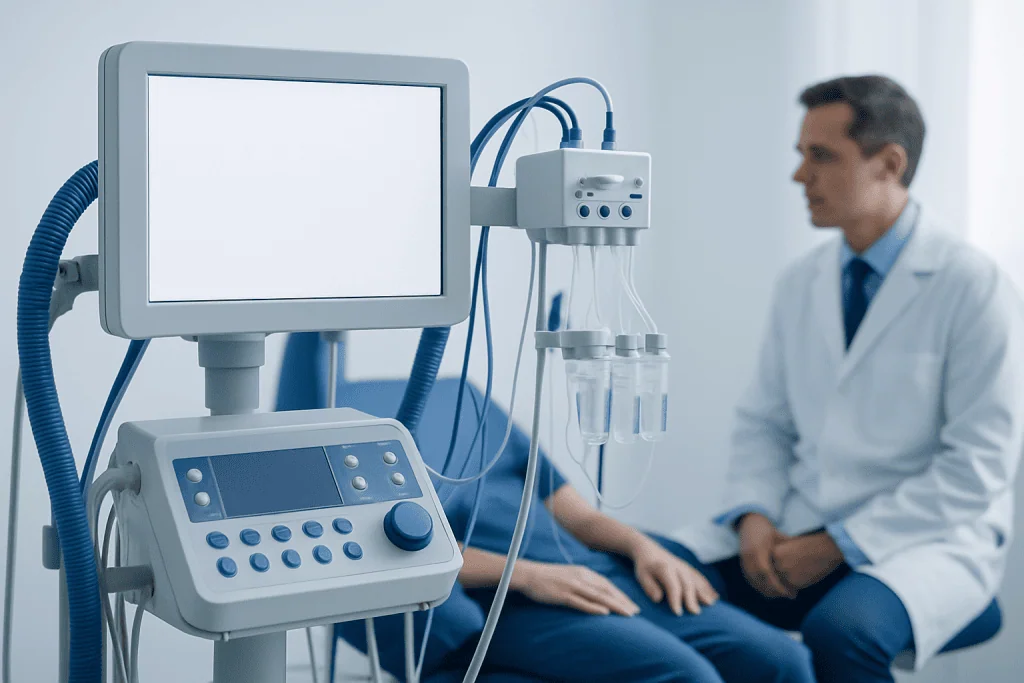
A urodynamic study is usually recommended when symptoms are persistent, bothersome, complex, or not responding to initial treatment. It can help clarify whether symptoms come from an overactive bladder muscle, poor bladder contraction, an outlet obstruction, stress-related leakage, nerve-related dysfunction, or a combination of these problems. This can be especially helpful before surgery or when previous treatments have not worked as expected.
Common reasons for referral include urine leakage during coughing or exercise, sudden urgency with or without leakage, frequent daytime or nighttime urination, recurrent difficulty emptying the bladder, or urinary retention. It may also be used after pelvic surgery, in men with suspected prostate-related outlet blockage, or in people with spinal cord, brain, or nerve disorders that may affect bladder control.
In some cases, the test helps distinguish between similar symptoms that need different treatments. For example, urgency can be caused by involuntary bladder contractions, while weak stream and incomplete emptying may result from bladder muscle weakness or blockage. Understanding the pattern can guide management, from lifestyle measures and pelvic floor therapy to medications or procedures such as urology care.
How to prepare and what happens during the procedure

Preparation for a urodynamic study is usually simple. The clinic may ask the patient to arrive with a comfortably full bladder, bring a list of medications, and report any symptoms of urinary tract infection such as burning, fever, or cloudy urine. In some cases, certain bladder medications may need to be paused before testing, but this should only be done if the doctor specifically advises it.
The exact steps vary depending on which measurements are needed. A typical study may begin with uroflowmetry, in which the patient urinates into a special toilet or funnel that measures flow rate and volume. An ultrasound or catheter may then be used to check post-void residual urine, meaning how much urine remains in the bladder after emptying. These first steps are often straightforward and painless.
More detailed testing may involve placing a very thin catheter into the bladder and sometimes another small tube in the rectum or vagina to measure pressure. The bladder is slowly filled with sterile fluid while the patient reports sensations such as first urge or strong urge to urinate. The team may ask the patient to cough, bear down, or urinate during the test so bladder and outlet function can be recorded. Although the test can feel unusual or mildly uncomfortable, it is generally brief and performed in an outpatient setting.
Some centers may combine pressure measurements with imaging, called video urodynamics, when the anatomy and function need to be assessed together. If urinary symptoms are linked to pelvic floor dysfunction or prior surgery, other evaluations may also be considered, including urogynecology assessment when appropriate.
Types of urodynamic tests and what they measure
Urodynamic testing is not one single procedure. It is a tailored group of measurements chosen according to the person’s symptoms. Uroflowmetry measures how fast urine flows and whether the stream pattern looks normal. Post-void residual testing checks how much urine is left behind after urination. These tests can suggest incomplete emptying, poor bladder contraction, or outlet obstruction.
Cystometry measures bladder pressure during filling. It helps show how much the bladder can hold, how sensitive it is during filling, and whether involuntary contractions happen before the person is ready to urinate. Pressure-flow studies evaluate the relationship between bladder pressure and urine flow during voiding, helping doctors understand whether symptoms are caused by blockage, weak bladder muscle activity, or both.
Additional components may include leak point pressure testing to assess stress incontinence, electromyography to study pelvic floor or sphincter muscle activity, and video studies using X-ray or ultrasound images. The chosen combination depends on the clinical question, and not every patient needs every component.
- Uroflowmetry: measures urine flow speed and pattern
- Post-void residual: checks leftover urine after voiding
- Cystometry: measures bladder behavior during filling
- Pressure-flow study: evaluates bladder emptying mechanics
- Electromyography: looks at muscle coordination
- Video urodynamics: combines function testing with imaging
Understanding the results
Urodynamic results are interpreted in context, not in isolation. A doctor reviews the measurements together with the patient’s symptoms, physical examination, bladder diary, urine tests, and any imaging findings. This is important because a test pattern may not always match what a patient feels day to day, and symptoms can have more than one cause.
Results may show overactivity of the bladder muscle, reduced bladder capacity, impaired sensation, stress leakage during pressure changes, poor bladder contraction, or signs of obstruction at the outlet. In some people, the study identifies mixed patterns, such as urgency combined with incomplete emptying. In others, results may be near normal even though symptoms are present, which still provides useful information for treatment planning.
The findings help doctors choose the next step with more precision. For instance, stress leakage may point toward pelvic floor rehabilitation or selected procedures, while retention from poor contraction may be managed differently than retention from obstruction. When symptoms are complex or longstanding, formal testing can prevent unnecessary treatments and support a more individualized plan.
Benefits, limits, and possible side effects
The main benefit of a urodynamic study is clarity. It can help explain difficult urinary symptoms and support better treatment decisions, especially when first-line approaches have not worked or surgery is being considered. It is particularly useful when symptoms are mixed, when there is suspicion of a neurological cause, or when a doctor needs to know how the bladder behaves under pressure.
At the same time, the test has limits. It does not replace a full clinical evaluation, and it is not needed for every person with urinary symptoms. Some mild symptoms can be assessed and treated without invasive testing. Also, bladder function during a short clinic test may not fully reproduce what happens in daily life.
Side effects are usually mild and temporary. Some people notice brief burning with urination, a small amount of blood in the urine, or temporary urgency after catheter-based testing. Urinary tract infection is an uncommon but recognized risk. Patients are often advised to drink fluids after the test and to contact their doctor if they develop fever, persistent pain, heavy bleeding, or difficulty passing urine.
Treatment pathways after a urodynamic study
Treatment depends on what the study shows and how much the symptoms affect daily life. Some people benefit from bladder training, timed voiding, fluid adjustment, weight management, or reducing bladder irritants such as excess caffeine. Pelvic floor exercises may help stress leakage and can also be used in some forms of urgency when guided properly.
Medications may be recommended for overactive bladder symptoms or to support urine flow in selected cases. If bladder emptying is impaired, management may focus on the underlying cause, such as relieving obstruction or teaching techniques that improve safe emptying. In people with recurrent infections linked to retention, addressing leftover urine can be an important part of care.
When conservative treatment is not enough, procedures or surgery may be considered. Examples can include interventions for stress incontinence, management of outlet obstruction, or specialist evaluation of structural problems. Depending on the findings, a patient may also need assessment related to pelvic floor disorders or underlying conditions such as prostate concerns that affect the urinary tract.
Near the end of the care pathway, coordinated follow-up matters as much as the test itself. Acibadem International’s multidisciplinary specialists in JCI-accredited hospitals evaluate urinary symptoms and use urodynamic findings to guide diagnosis and treatment for international patients when needed.
Prevention, self-care, and when to seek medical care
Not all urinary symptoms can be prevented, but healthy bladder habits may reduce irritation and support treatment. Helpful measures include staying hydrated without overdrinking, avoiding constipation, limiting personal triggers such as excess caffeine or alcohol, and maintaining pelvic floor health. People with diabetes, neurological conditions, or prior pelvic surgery may benefit from earlier review if bladder symptoms develop.
Simple self-care tools can also improve the quality of assessment. A bladder diary that records fluid intake, bathroom visits, leakage episodes, urgency, and nighttime urination can give valuable information before or after a urodynamic study. This can help the clinician relate test findings to everyday patterns and monitor response to treatment over time.
Medical care should be sought if urinary symptoms are new, progressive, painful, or disruptive. A person should contact a doctor promptly for blood in the urine, fever, back pain, repeated urinary tract infections, inability to urinate, or leakage that suddenly worsens. Care is also important when urinary symptoms are accompanied by weakness, numbness, or other neurological changes, because these can point to a condition needing urgent assessment.
Frequently asked questions
Is a urodynamic study painful?
Most people describe a urodynamic study as uncomfortable rather than painful. The most noticeable part is usually the placement of thin catheters and the sensation of the bladder filling. Mild burning with urination may occur for a short time afterward.
How long does a urodynamic study take?
The timing depends on which tests are included, but many appointments take around 30 to 60 minutes. More detailed studies, such as video urodynamics, may take longer. The care team usually explains the expected length before the procedure.
Why would someone need a urodynamic study?
Doctors use a urodynamic study to investigate symptoms such as leakage, urgency, frequent urination, urinary retention, weak stream, or incomplete emptying. It is especially useful when symptoms are complicated, persistent, or not improving with initial treatment. It can also help before certain urinary or pelvic surgeries.
Do normal results mean nothing is wrong?
Not necessarily. A person can still have bothersome urinary symptoms even if test results are close to normal on the day of testing. Doctors interpret the results alongside symptoms, examination findings, and other tests to decide what comes next.
Is there a risk of infection after the test?
There is a small risk of urinary tract infection after catheter-based urodynamic testing. Patients are often advised to drink fluids afterward and watch for symptoms such as fever, worsening burning, or cloudy urine. If these occur, they should contact a healthcare professional.
Can a urodynamic study diagnose overactive bladder?
It can provide evidence that supports the diagnosis, especially if involuntary bladder contractions are seen during filling. However, overactive bladder is still diagnosed using the full clinical picture, including symptoms and other evaluations. Not every person with overactive bladder symptoms needs urodynamic testing.
References
- National Institute of Diabetes and Digestive and Kidney Diseases
- American Urological Association
- European Association of Urology
- National Health Service
- International Continence Society
This article is for general information only and is not a substitute for professional medical advice. Please consult a qualified doctor about your individual situation.
Explore treatments in Turkey — costs, top hospitals & a free quote
JCI-accredited · board-certified surgeons · reply within 24h
Add us as a Preferred Source to see more of our trusted health content across Google Search, AI Overviews and Discover.

More from the Health Library

Reticulocyte: An Evidence-Based Guide for Patients

478 Breathing: An Evidence-Based Guide for Patients

Shigella — Explained by Medical Evidence, Not Myths

Thompson Test: A Complete Medical Overview

Presbycusis: An Evidence-Based Guide for Patients