Uterine Artery Embolization: What Patients Need to Know

Uterine artery embolization is commonly used to treat symptoms caused by uterine fibroids. The procedure works by cutting off blood flow to fibroids so they shrink over time.
Key Takeaways
- Uterine artery embolization is commonly used to treat symptoms caused by uterine fibroids.
- The procedure works by cutting off blood flow to fibroids so they shrink over time.
- It is minimally invasive and usually involves a shorter recovery than open surgery.
- Not every patient is a candidate, especially if pregnancy is planned or another condition is suspected.
- Evaluation typically includes imaging, symptom review, and discussion with gynecology and interventional radiology specialists.
Uterine artery embolization is a minimally invasive procedure that treats uterine fibroids by blocking the blood vessels that feed them. For many patients, it can reduce heavy bleeding, pressure, and pain while avoiding major surgery and preserving the uterus.
Overview
Uterine artery embolization is a minimally invasive procedure used mainly to treat symptoms from uterine fibroids. During the procedure, a specialist blocks the small arteries that supply blood to the fibroids. Without that blood supply, the fibroids gradually shrink, and symptoms such as heavy menstrual bleeding, pelvic pressure, and frequent urination often improve.
This treatment is usually performed by an interventional radiologist rather than through open surgery. A thin tube called a catheter is guided through a blood vessel, most often from the wrist or groin, to the uterine arteries. Tiny particles are then injected to reduce blood flow to the fibroids while aiming to preserve the healthy uterine tissue as much as possible.
Uterine artery embolization may be an option for people who want relief from fibroid symptoms but prefer to avoid hysterectomy or are not ideal candidates for surgery. It is not the right choice for everyone, so the decision is based on symptoms, the size and location of fibroids, future pregnancy plans, and overall health.
Who May Benefit From It
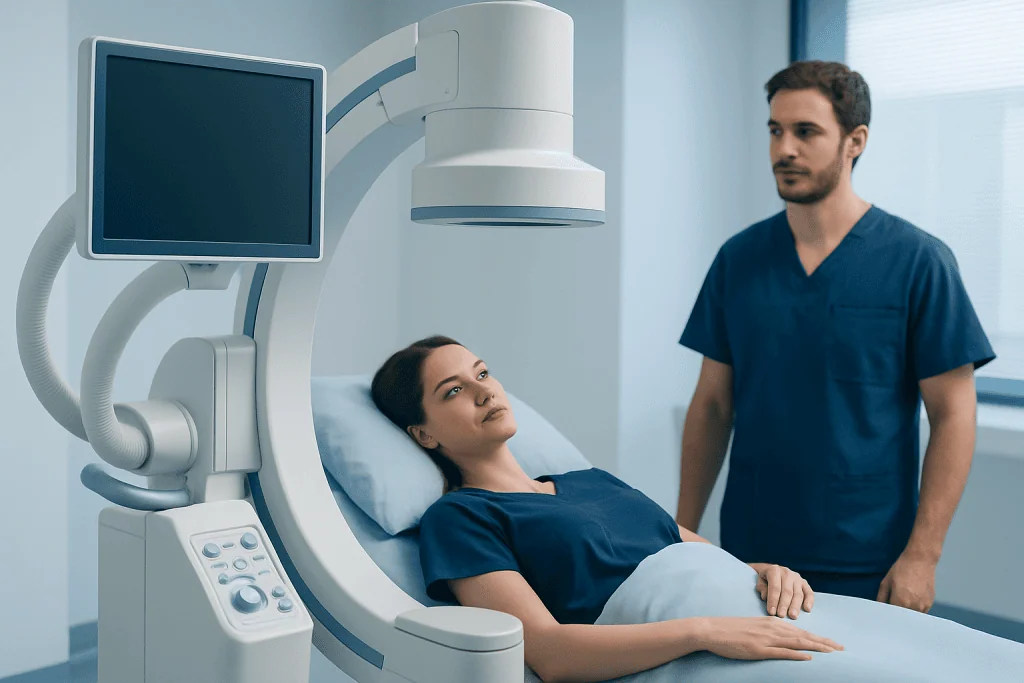
The procedure is most often considered for patients with symptomatic uterine fibroids. Fibroids are noncancerous growths in or around the uterus that can cause heavy periods, anemia, pelvic fullness, constipation, back discomfort, or pressure on the bladder. When symptoms affect daily life, treatment may be discussed.
Uterine artery embolization can be helpful for people who want a uterus-sparing approach and a shorter recovery than many surgical options. It may also be considered when fibroids are multiple or when their location makes surgery more complex. In some cases, it is evaluated alongside myomectomy or hysterectomy depending on the patient’s goals.
Even though the uterus remains in place, this procedure is not the same as fertility-preserving treatment in every situation. Patients who wish to become pregnant in the future should discuss this carefully with their doctor, because fibroid type, age, ovarian reserve, and other reproductive factors all matter when choosing the safest and most effective option.
How the Procedure Works
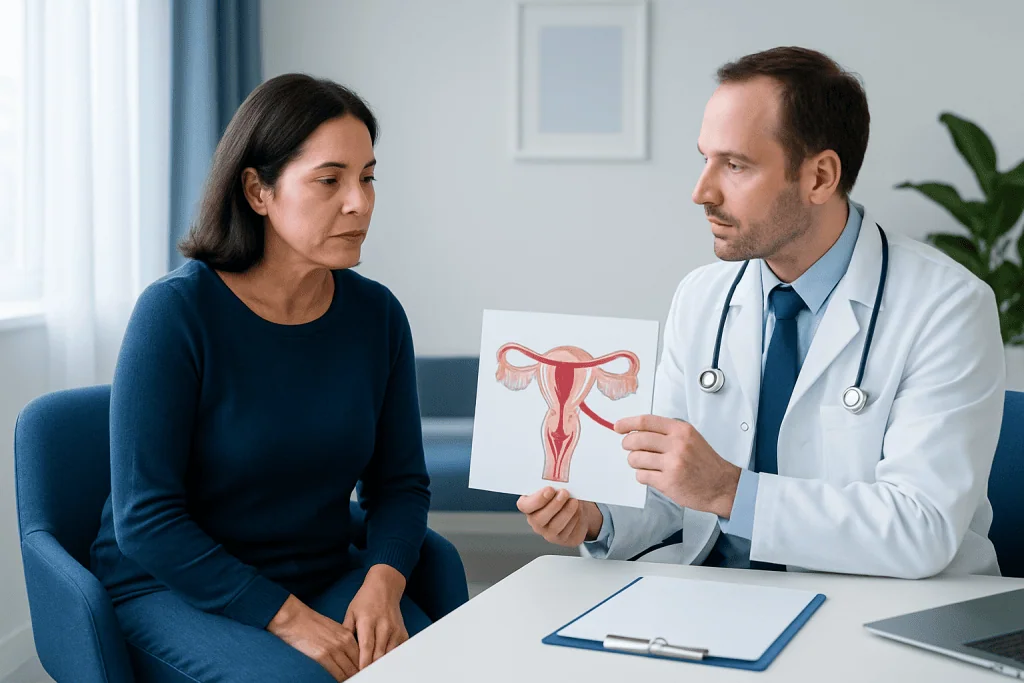
Before the procedure, the care team usually reviews symptoms, blood tests, and pelvic imaging, often with ultrasound or MRI. Imaging helps confirm that fibroids are the cause of symptoms and checks for other conditions that may need a different treatment plan. This step is important because not all heavy bleeding or pelvic pain is caused by fibroids.
On the day of treatment, the patient typically receives pain control and sedation or anesthesia based on the center’s protocol and the individual’s needs. The interventional radiologist places a catheter into a blood vessel and guides it to the uterine arteries using imaging. Tiny embolic particles are then released to block blood flow to the fibroids on both sides.
The procedure usually does not require a large incision. Afterward, many patients stay under observation for pain control and monitoring, and some go home the same day while others stay overnight. Cramping, fatigue, nausea, and a low-grade fever can occur in the first few days as the fibroids begin to lose their blood supply.
Symptoms It Can Improve and Expected Results
The main goal of uterine artery embolization is symptom relief rather than removal of fibroids themselves. Heavy menstrual bleeding often improves first, while pressure symptoms and bulk-related discomfort may ease more gradually as fibroids shrink over weeks to months. Some patients also notice better bladder comfort and less abdominal fullness.
Results vary from person to person. Improvement depends on the number of fibroids, their size, and where they are located in the uterus. Patients with very large fibroids or certain submucosal fibroids may still need another treatment later, especially if symptoms do not improve enough or return over time.
For many patients, the procedure can reduce the need for major surgery and support a faster return to normal activities. However, it is important to understand that fibroid tissue remains in the body and responds over time, unlike surgery that physically removes fibroids. Follow-up visits and imaging may be recommended to assess recovery and symptom change.
Risks, Side Effects, and Who May Not Be a Candidate
Like any medical procedure, uterine artery embolization has possible risks and side effects. The most common short-term effects are pelvic pain or cramping, fatigue, nausea, and mild fever. These symptoms are sometimes called post-embolization syndrome and usually improve with rest, hydration, and medicines prescribed by the care team.
Less common but important risks include infection, allergic reaction to contrast dye, bleeding or bruising at the catheter site, injury to a blood vessel, or passage of fibroid tissue. In some cases, menstruation can change after the procedure, and ovarian function may be affected, especially in older patients approaching menopause.
It may not be suitable during pregnancy, when active pelvic infection is present, or when cancer is suspected. People with certain blood vessel conditions, severe kidney problems, or unclear pelvic diagnoses may need a different approach. A full evaluation helps compare embolization with alternatives such as fibroid embolization treatment planning through an experienced multidisciplinary team.
Diagnosis and Choosing Between Treatment Options
Choosing the right treatment begins with an accurate diagnosis. Doctors usually ask about bleeding patterns, pelvic symptoms, fertility plans, and previous treatments. A pelvic exam, blood tests for anemia, ultrasound, and sometimes MRI help define whether fibroids are present and whether they explain the symptoms.
Several treatment paths may be appropriate depending on the patient’s age, symptoms, fibroid size and location, and reproductive goals. Options can include watchful waiting, medicines to manage bleeding or pain, uterine artery embolization, myomectomy, or hysterectomy. Some patients may also be assessed for other causes of bleeding such as endometriosis or adenomyosis when symptoms do not match fibroids alone.
A shared decision-making discussion is especially valuable here. Patients often want to know how quickly symptoms may improve, how the treatment may affect future pregnancy, whether the uterus will remain in place, and how likely it is that another procedure may be needed later. Clear answers to these questions can help match the treatment to the patient’s priorities.
Recovery, Self-care, and When to Seek Medical Care
Recovery after uterine artery embolization is usually shorter than recovery after open abdominal surgery, but the first few days can still be uncomfortable. Many patients need several days of rest at home and benefit from prescribed pain relief, light meals, hydration, and gradual return to activity. The care team may advise avoiding strenuous exercise for a short period and giving guidance about bathing, work, and sexual activity.
Follow-up is important because symptom relief happens gradually. Menstrual cycles may be temporarily irregular, and cramping or tiredness can come and go during the early healing phase. Doctors may schedule a follow-up visit and, in some cases, repeat imaging to see how the fibroids are responding.
Medical care should be sought promptly for severe or worsening pelvic pain, heavy bleeding, foul-smelling discharge, persistent fever, dizziness, chest pain, shortness of breath, or signs of infection at the catheter site. These symptoms do not always mean a serious complication, but they should be assessed quickly by a qualified clinician.
For international patients who need coordinated evaluation, Acibadem International’s multidisciplinary specialists in gynecology and interventional radiology, working in JCI-accredited hospitals, diagnose and treat fibroid-related conditions with individualized care planning.
Frequently asked questions
Is uterine artery embolization the same as surgery?
No. Uterine artery embolization is a minimally invasive image-guided procedure, not open surgery. It uses a catheter to block blood flow to fibroids so they shrink over time.
How long does it take to recover from uterine artery embolization?
Recovery is often shorter than recovery after major surgery, but many patients still need a few days of rest. Cramping, fatigue, and mild flu-like symptoms can occur early and usually improve gradually.
Will uterine artery embolization remove fibroids completely?
The procedure does not usually remove fibroids from the body. Instead, it reduces their blood supply so they shrink and symptoms improve over time.
Can a patient get pregnant after uterine artery embolization?
Pregnancy may still be possible for some patients, but this procedure is not always the first choice for someone planning future pregnancy. Fertility goals should be discussed in detail with a gynecologist and interventional radiologist before treatment.
Is uterine artery embolization painful?
Pain is usually controlled during the procedure with sedation or anesthesia and medicines afterward. Cramping can be significant for a short period after treatment, but the care team provides a plan to help manage it.
Who should not have uterine artery embolization?
It may not be appropriate during pregnancy, in active pelvic infection, or when a different uterine condition is suspected. A doctor also considers kidney function, blood vessel access, and fertility plans before recommending it.
This article is for general information only and is not a substitute for professional medical advice. Please consult a qualified doctor about your individual situation.
Explore treatments in Turkey — costs, top hospitals & a free quote
JCI-accredited · board-certified surgeons · reply within 24h
Add us as a Preferred Source to see more of our trusted health content across Google Search, AI Overviews and Discover.

More from the Health Library

Anasarca: What Patients Need to Know

What Is Health? A Practical Definition of Physical, Mental, and Social Well-Being

Milk Thistle: A Complete Medical Overview

Garcinia Cambogia: An Evidence-Based Guide for Patients

Poor Circulation in Feet: A Complete Medical Overview