Uterine Polyps: Symptoms, Diagnosis, and Treatment Options

Uterine polyps are growths in the uterine lining and are usually noncancerous. Common symptoms include irregular periods, spotting, and bleeding after menopause.
Key Takeaways
- Uterine polyps are growths in the uterine lining and are usually noncancerous.
- Common symptoms include irregular periods, spotting, and bleeding after menopause.
- Diagnosis may involve pelvic ultrasound, saline infusion sonography, or hysteroscopy.
- Treatment depends on symptoms, age, polyp size, and whether menopause has occurred.
- Polyps can sometimes affect fertility or contribute to miscarriage, so specialist evaluation may be helpful.
Uterine polyps are growths that form in the lining of the uterus. They are often benign, but they can cause abnormal bleeding, affect fertility in some cases, and sometimes need evaluation or removal.
Overview
Uterine polyps, also called endometrial polyps, are soft growths attached to the inner wall of the uterus. They develop from the endometrium, the tissue that thickens and sheds during the menstrual cycle. Polyps may be very small or larger, and they can occur as a single growth or as several at once.
Most uterine polyps are benign, meaning they are not cancer. However, some may contain precancerous changes or, less commonly, cancerous cells. For this reason, unusual uterine bleeding should not be ignored, especially after menopause.
Some women with uterine polyps have no symptoms, and the polyps are found during an examination or imaging test done for another reason. Others notice changes in menstrual bleeding, spotting between periods, or difficulty becoming pregnant. When symptoms are present, a gynecologic assessment can help clarify the cause and guide treatment.
Symptoms of Uterine Polyps
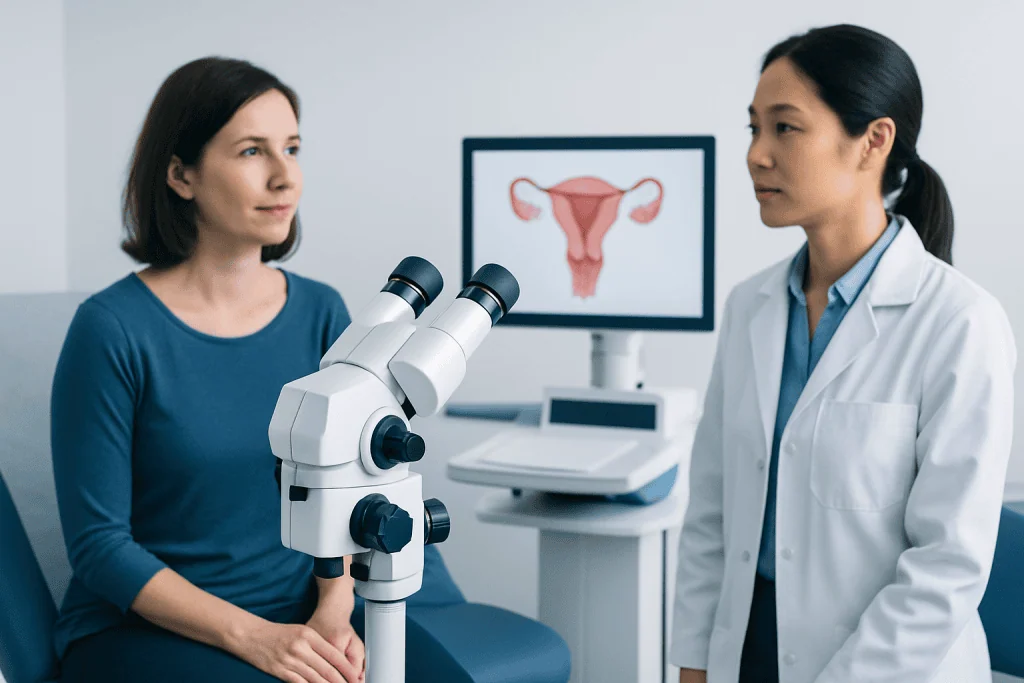
The most common sign of uterine polyps is abnormal uterine bleeding. This can look different from person to person. Some women have heavier periods, while others notice bleeding at unexpected times.
Possible symptoms include:
- Irregular menstrual cycles
- Heavy menstrual bleeding
- Spotting or bleeding between periods
- Bleeding after menopause
- Very light or infrequent periods in some cases
- Difficulty getting pregnant or repeated miscarriage in selected cases
These symptoms are not specific to polyps. They can also occur with fibroids, hormonal changes, endometrial thickening, infection, or other gynecologic conditions. In some situations, doctors may also evaluate for uterine fibroids or other causes of abnormal bleeding.
Bleeding after menopause deserves prompt medical attention, even if it happens only once. While many causes are benign, postmenopausal bleeding should always be assessed to rule out more serious conditions.
Causes and Risk Factors
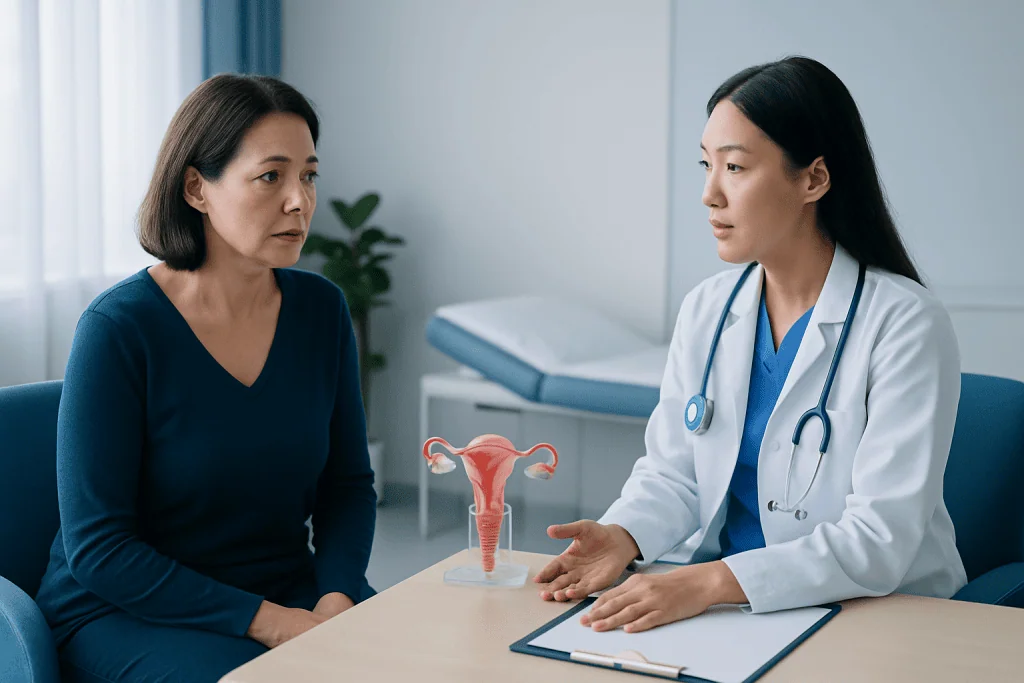
The exact cause of uterine polyps is not always clear, but they appear to be influenced by hormones, especially estrogen. Because the endometrium responds to estrogen, changes in hormone levels may encourage overgrowth of the uterine lining and the formation of polyps.
Uterine polyps can occur at many ages, but they are more often diagnosed in women in their 40s and 50s and around the time of menopause. They are less common before adolescence. Risk may also be higher in women who have obesity, high blood pressure, or who use certain medications that affect estrogen activity.
Other factors may also increase the chance of developing polyps, including a history of abnormal uterine bleeding or hormone-related conditions. In people being evaluated for fertility concerns, polyps may sometimes be found alongside issues such as endometriosis or ovulation-related disorders, although these are separate conditions.
Having a risk factor does not mean a woman will definitely develop uterine polyps. It simply means closer attention to symptoms and routine gynecologic care may be useful.
How Uterine Polyps Are Diagnosed
Diagnosis starts with a medical history and pelvic examination. A doctor will ask about bleeding patterns, menstrual history, menopause status, medications, and any fertility concerns. This information helps determine which tests are most appropriate.
Transvaginal ultrasound is often the first imaging test used. It can show changes in the lining of the uterus and may suggest a polyp. In some cases, saline infusion sonography is recommended. This test places sterile fluid in the uterus during ultrasound, making the cavity easier to see and helping small polyps stand out more clearly.
Another important tool is hysteroscopy, which allows the doctor to look directly inside the uterus with a thin camera. Hysteroscopy can both diagnose and treat polyps, because the growth may be removed during the same procedure. When imaging findings are unclear, tissue sampling may also be needed to examine the cells under a microscope.
If bleeding is ongoing or the patient is postmenopausal, the doctor may recommend biopsy or removal even when the polyp appears small. This is because symptoms, age, and overall risk profile matter as much as the image itself.
Treatment Options
Treatment for uterine polyps depends on symptoms, the patient’s age, whether menopause has occurred, the size and number of polyps, and whether there are fertility goals. Small polyps without symptoms may sometimes be monitored, especially in premenopausal women. If symptoms are present, removal is often advised.
The most common treatment is hysteroscopic polypectomy, a procedure that removes the polyp through the cervix without external incisions. This approach is often preferred because it allows direct visualization and targeted removal. For many patients, hysteroscopy offers both accurate diagnosis and effective treatment in one setting.
Medication may occasionally be used to help manage symptoms temporarily, but medicines do not reliably eliminate polyps long term. If heavy bleeding is significant or if other conditions are also present, treatment may be individualized. In selected cases, doctors may investigate whether fertility treatment should be considered after evaluation, especially if polyps are part of a broader infertility workup.
After removal, the polyp is usually sent to a laboratory for analysis. Most results are benign, but this step is important. If abnormal or cancerous cells are found, further care may be needed, sometimes involving specialists in gynecologic oncology. Near the end of the care pathway, patients may also seek support from experienced teams; Acibadem International’s multidisciplinary specialists at JCI-accredited hospitals diagnose and treat uterine conditions for international patients.
Fertility, Pregnancy, and Possible Complications
Uterine polyps can sometimes interfere with fertility, although not every polyp causes reproductive problems. Depending on their size and location, they may affect implantation or contribute to a less favorable environment inside the uterus. This is one reason doctors may recommend removal in women who are trying to conceive.
In some cases, removing a polyp may improve the chance of pregnancy, especially when no other clear cause of infertility is found. If a woman is undergoing fertility evaluation, her doctor may assess the uterine cavity carefully before treatment plans move forward.
Complications from uterine polyps are usually related to bleeding, anemia from ongoing heavy periods, or challenges with fertility. Rarely, a polyp may contain atypical or malignant cells. The overall outlook is generally very good when symptoms are evaluated appropriately and treatment is tailored to the individual.
Prevention and Self-care
There is no guaranteed way to prevent uterine polyps, because they are closely linked to the body’s hormonal environment. However, paying attention to menstrual changes and attending routine gynecologic visits can help with early detection and timely treatment.
Self-care starts with tracking symptoms. Keeping a record of cycle timing, heaviness of bleeding, spotting, pelvic discomfort, and any bleeding after menopause can help the doctor understand what is happening. This is especially useful when symptoms are intermittent.
General health measures may also support overall gynecologic well-being:
- Maintain regular medical checkups
- Seek assessment for abnormal bleeding rather than waiting for it to pass
- Discuss medications and hormone therapies with a doctor
- Manage chronic conditions such as high blood pressure
- Support a healthy weight through balanced nutrition and activity, when appropriate
Self-care is important, but it should not replace medical evaluation. Because the symptoms of uterine polyps overlap with other conditions, a proper diagnosis is the safest path.
When to See a Doctor
A woman should arrange medical review if she has irregular bleeding, very heavy periods, spotting between periods, or any bleeding after menopause. These symptoms often have benign explanations, but they deserve assessment so the cause can be identified.
It is also wise to seek care if bleeding is becoming more frequent, if tiredness suggests possible anemia, or if there are concerns about fertility. Early evaluation can help avoid delays and may make treatment more straightforward.
Urgent care may be needed if bleeding is unusually heavy, causes dizziness, or is accompanied by severe pain. In non-urgent situations, a gynecologist can guide the next steps with appropriate imaging and, if needed, hysteroscopic treatment.
Frequently asked questions
Are uterine polyps usually cancerous?
No, most uterine polyps are benign. However, a small number may contain precancerous or cancerous cells, which is why doctors often recommend testing or removal when symptoms are present, especially after menopause.
Can uterine polyps go away on their own?
Some small polyps may regress spontaneously, particularly before menopause. Still, if they cause bleeding, fertility problems, or occur after menopause, medical evaluation is important and removal may be advised.
Do uterine polyps always cause symptoms?
No, many uterine polyps do not cause any symptoms at all. They may be found during an ultrasound or fertility evaluation done for another reason.
How are uterine polyps different from fibroids?
Uterine polyps grow from the lining of the uterus, while fibroids grow from the muscular wall of the uterus. Both can cause abnormal bleeding, but they are different types of growths and may need different treatment approaches.
Is removing a uterine polyp a major surgery?
Usually not. Many polyps are removed with hysteroscopy, a minimally invasive procedure performed through the cervix without external cuts, and recovery is often relatively quick.
Can uterine polyps affect fertility?
Yes, in some women they may make it harder for an embryo to implant or may contribute to miscarriage. This does not happen in every case, but it is one reason polyps are often assessed during infertility workups.
References
- World Health Organization
- American College of Obstetricians and Gynecologists
- National Health Service
- Mayo Clinic
- Merck Manual Consumer Version
This article is for general information only and is not a substitute for professional medical advice. Please consult a qualified doctor about your individual situation.
Oncology care in Turkey — second opinion and treatment plan
JCI-accredited · board-certified surgeons · reply within 24h
Add us as a Preferred Source to see more of our trusted health content across Google Search, AI Overviews and Discover.
Check your numbers in seconds
BMI, calories, due date, blood pressure and 30+ more clinical calculators — free, instant, doctor-reviewed ranges.