

Uterosacral Ligament: A Complete Medical Overview

The uterosacral ligaments help support the uterus, cervix, and upper vagina within the pelvis. Problems involving the uterosacral ligament may be linked to pelvic pain, pelvic organ prolapse, or endometriosis.
Key Takeaways
- The uterosacral ligaments help support the uterus, cervix, and upper vagina within the pelvis.
- Problems involving the uterosacral ligament may be linked to pelvic pain, pelvic organ prolapse, or endometriosis.
- Diagnosis usually relies on a medical history, pelvic examination, and imaging or specialist assessment when needed.
- Treatment depends on the cause and may include pelvic floor therapy, medicines, or surgery.
- Persistent pelvic pressure, a vaginal bulge, or ongoing pelvic pain should be assessed by a qualified doctor.
The uterosacral ligament is a key pelvic support structure that helps hold the uterus and upper vagina in position. When it is strained, weakened, or affected by nearby conditions, it may contribute to pelvic pain, pressure, or prolapse symptoms that deserve medical evaluation.
Overview
The uterosacral ligament is a pair of strong bands of connective tissue in the pelvis. These ligaments extend from the lower part of the uterus and cervix toward the sacrum, the triangular bone at the base of the spine. Their main role is to help support the uterus and upper vagina and keep pelvic organs in a stable position.
People often search for the uterosacral ligament when they are trying to understand pelvic pain, prolapse, or findings on a scan or surgical report. In simple terms, this structure is part of the body’s internal support system. It works together with the pelvic floor muscles, fascia, and other ligaments to maintain normal pelvic anatomy.
The uterosacral ligament itself is not usually something a person can feel. However, when it is affected by weakness, stretching, scarring, inflammation, or nearby conditions such as endometriosis, symptoms may become noticeable. Understanding its role can help patients make sense of symptoms and treatment choices discussed by their doctor.
Where It Is and What It Does
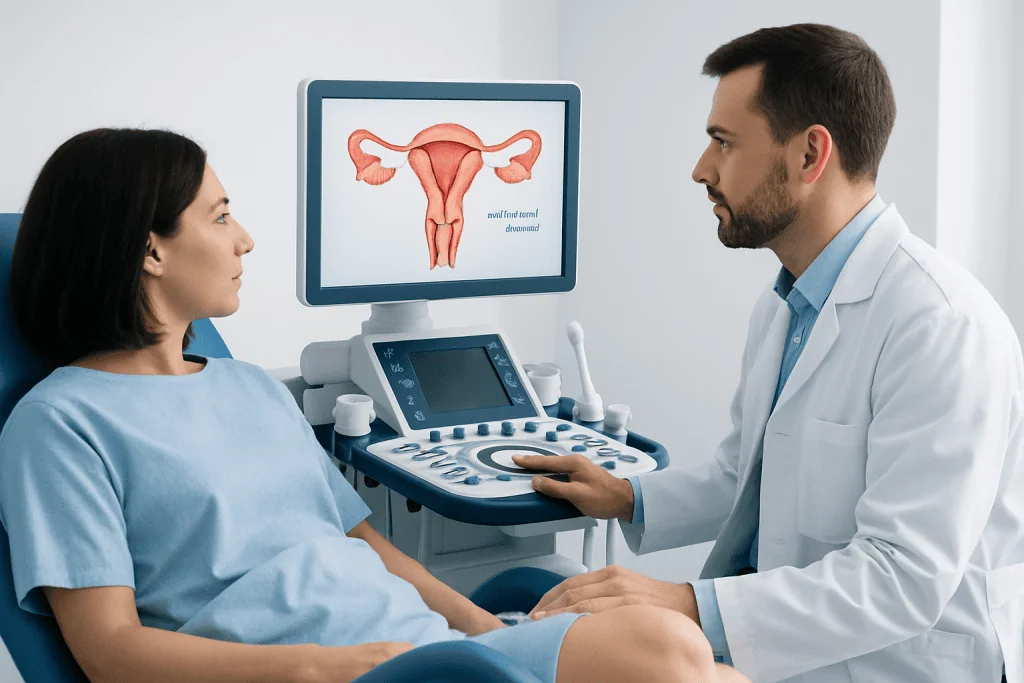
There are two uterosacral ligaments, one on each side of the pelvis. They run backward from the cervix and upper vagina toward the sacrum. Because of this position, they contribute to support at the top of the vagina and around the uterus, helping prevent excessive downward movement.
These ligaments are made mostly of connective tissue, but they also contain nerves, blood vessels, and smooth muscle fibers. This is one reason why problems involving the uterosacral ligaments can sometimes be associated with pain as well as structural support issues. Their close relationship to the ureters, rectum, and pelvic nerves also matters during diagnosis and surgery.
The uterosacral ligaments do not work alone. They function as part of a broader support network that includes the cardinal ligaments, endopelvic fascia, and pelvic floor muscles. If one part of this support system weakens, symptoms may reflect the combined effect rather than a problem in only one structure.
Symptoms Linked to the Uterosacral Ligament
Symptoms related to the uterosacral ligament vary depending on the underlying problem. Some people have no symptoms at all, and the issue is found only during a pelvic examination or surgery. Others notice vague but persistent pelvic discomfort that becomes more obvious over time.
Possible symptoms can include:
- Pelvic pressure or heaviness
- A feeling of pulling or aching deep in the pelvis or lower back
- Pain during intercourse
- A sensation of a vaginal bulge or something “dropping”
- Urinary urgency, frequency, or difficulty emptying the bladder in some prolapse cases
- Constipation or rectal pressure in some cases involving broader pelvic support weakness
If endometriosis or scar tissue affects the uterosacral ligaments, pain may be more pronounced, especially during menstruation or intercourse. When the main issue is loss of support, symptoms are more likely to involve pressure, bulging, or worsening discomfort after standing for long periods.
These symptoms are not specific to one diagnosis. Similar complaints may also occur with fibroids, pelvic floor dysfunction, ovarian conditions, or pelvic organ prolapse. A proper medical assessment is important to identify the exact cause.
Common Problems, Causes, and Risk Factors
The uterosacral ligament can be involved in several gynecologic conditions. One of the most important is pelvic organ prolapse, in which the uterus, upper vagina, bladder, or rectum descends because pelvic support structures have weakened. In this setting, the uterosacral ligaments may be stretched or less effective at holding the pelvic organs in place.
Another common association is deep infiltrating endometriosis. Endometrial-like tissue can affect the uterosacral ligaments and lead to nodules, inflammation, scarring, and pain. This may cause tenderness on examination and pain that is cyclical or related to sexual activity.
Risk factors for uterosacral ligament-related problems often overlap with risk factors for pelvic floor disorders. These may include:
- Pregnancy and vaginal childbirth
- Aging and menopause-related tissue changes
- Chronic constipation or repeated straining
- Chronic cough
- Heavy lifting over time
- Previous pelvic surgery
- Connective tissue weakness in some individuals
- Obesity, which may increase pressure on pelvic supports
Not every person with these risk factors develops symptoms, and symptoms can vary widely in severity. A clinician will usually consider the whole pelvic support system, not just one ligament, when evaluating causes and planning treatment.
How Doctors Diagnose Uterosacral Ligament Problems
Diagnosis begins with a careful history. A doctor will usually ask about pelvic pain, pressure, urinary or bowel symptoms, menstrual patterns, childbirth history, and whether symptoms worsen with standing, exercise, or intercourse. This information helps distinguish support problems from inflammatory, muscular, or hormonal causes.
A pelvic examination is often the most important first step. During the exam, the doctor may assess whether there is tenderness along the uterosacral ligaments, signs of prolapse, changes in vaginal support, or evidence of other gynecologic conditions. The exam may be done lying down and sometimes while bearing down to better evaluate pelvic support.
Additional tests may be used when needed. Pelvic ultrasound may help assess the uterus and ovaries, while magnetic resonance imaging can sometimes be useful in evaluating deep endometriosis or complex pelvic anatomy. In selected cases, diagnostic laparoscopy may be recommended if symptoms suggest endometriosis and noninvasive tests do not fully explain the problem.
Because several conditions can mimic one another, diagnosis may involve gynecology, urogynecology, radiology, and pelvic floor specialists. The goal is not only to identify whether the uterosacral ligament is involved, but also to understand the broader condition affecting the pelvis.
Treatment Options
Treatment depends on the cause of the symptoms rather than the ligament alone. Mild support-related symptoms may improve with observation, lifestyle measures, and pelvic floor rehabilitation. Pelvic floor physical therapy can help some patients by improving muscle coordination and support, especially when weakness or strain contributes to symptoms.
If pain is related to endometriosis or inflammation, treatment may include pain management strategies, hormonal therapies when appropriate, or surgery in selected cases. When there is significant prolapse, management may range from a vaginal pessary to reconstructive surgery. In some patients, surgical repair involves suspending the vaginal apex or uterus using the uterosacral ligaments, such as during pelvic organ prolapse surgery.
For patients with suspected or confirmed endometriosis affecting these ligaments, minimally invasive approaches such as laparoscopy may help diagnose and treat disease at the same time. If uterine pathology is part of the overall problem, treatment planning may also include options such as hysterectomy in carefully selected cases.
Treatment decisions are individualized. Factors such as age, symptoms, reproductive plans, severity of prolapse or pain, and overall health all matter. Near the end of the care pathway, some patients may choose evaluation at centers such as Acibadem International, where multidisciplinary specialists in JCI-accredited hospitals diagnose and treat complex pelvic conditions for international patients.
Prevention and Self-Care
Not all uterosacral ligament problems can be prevented, but healthy pelvic habits may reduce strain on pelvic support structures. Maintaining regular bowel habits and avoiding chronic straining can be especially helpful. Treating a long-term cough and using proper lifting technique may also reduce pressure on the pelvic floor.
Pelvic floor exercises may support overall pelvic function, particularly after childbirth or when mild weakness is present. A doctor or pelvic floor physiotherapist can advise whether Kegel exercises are likely to help and whether they are being done correctly. In some people, relaxation rather than strengthening is more important, especially if pelvic floor muscles are tense and painful.
General self-care measures can include:
- Managing constipation with hydration, fiber, and medical advice if needed
- Maintaining a healthy weight
- Avoiding repetitive heavy straining where possible
- Seeking postpartum pelvic floor assessment if symptoms arise after childbirth
- Keeping follow-up appointments for ongoing pelvic pain or prolapse symptoms
Self-care is supportive, but it does not replace medical evaluation when symptoms persist. A noticeable bulge, progressive pressure, or significant pain should be checked by a qualified clinician.
When to Seek Medical Care
Medical care is appropriate if pelvic symptoms are ongoing, worsening, or interfering with daily life. A person should consider seeing a doctor if they notice a vaginal bulge, persistent pelvic pressure, pain during intercourse, new bladder or bowel difficulties, or recurrent lower back and deep pelvic pain without a clear explanation.
More urgent assessment is important if symptoms are severe, sudden, or accompanied by fever, heavy bleeding, inability to urinate, or severe abdominal pain. These features may point to another condition that needs prompt attention. While many uterosacral ligament-related problems are treatable and not dangerous, an accurate diagnosis helps prevent unnecessary worry and supports the right care plan.
Frequently asked questions
What is the uterosacral ligament?
The uterosacral ligament is a supportive band of tissue that connects the cervix and upper uterus area toward the sacrum in the back of the pelvis. It helps stabilize the uterus and upper vagina as part of the body’s pelvic support system.
Can the uterosacral ligament cause pain?
Yes, pain can occur when the uterosacral ligament is affected by conditions such as endometriosis, scarring, inflammation, or tenderness in nearby pelvic tissues. The pain is often felt deep in the pelvis and may worsen during menstruation or intercourse, depending on the cause.
Is the uterosacral ligament related to prolapse?
Yes, the uterosacral ligaments are important for supporting the uterus and the top of the vagina. If pelvic support weakens, these structures may no longer provide enough support, which can contribute to pelvic organ prolapse.
How are uterosacral ligament problems diagnosed?
Doctors usually begin with a symptom review and pelvic examination. Imaging such as ultrasound or MRI may be used in selected cases, and laparoscopy can sometimes help if endometriosis is strongly suspected.
Do all uterosacral ligament problems need surgery?
No, surgery is not always necessary. Depending on the cause, treatment may include pelvic floor therapy, observation, pain management, hormonal treatment, or a pessary, with surgery reserved for selected cases.
Can exercise help support the uterosacral ligament?
Pelvic floor exercises may help support overall pelvic function, especially when weakness contributes to symptoms. However, the right program depends on the individual, and some people benefit more from guided physiotherapy than from unsupervised exercise.
References
- American College of Obstetricians and Gynecologists
- Royal College of Obstetricians and Gynaecologists
- National Institute for Health and Care Excellence
- Merck Manual Professional Edition
- International Urogynecological Association
This article is for general information only and is not a substitute for professional medical advice. Please consult a qualified doctor about your individual situation.
Joint and spine care in Turkey — expert assessment & treatment
JCI-accredited · board-certified surgeons · reply within 24h
Add us as a Preferred Source to see more of our trusted health content across Google Search, AI Overviews and Discover.

More from the Health Library



Related Specialists

Dr. Rafıga Gasımova
Gynecology & Obstetrics
Fzt. Merve Cingöz
Physical Medicine & Rehabilitation
Dr. Recep Şekerci
Emergency Service
Dr. Elif Avşaroğlu
Gynecology & Obstetrics