

Uv Radiation and Eyes: How It Works, Results and What to Expect
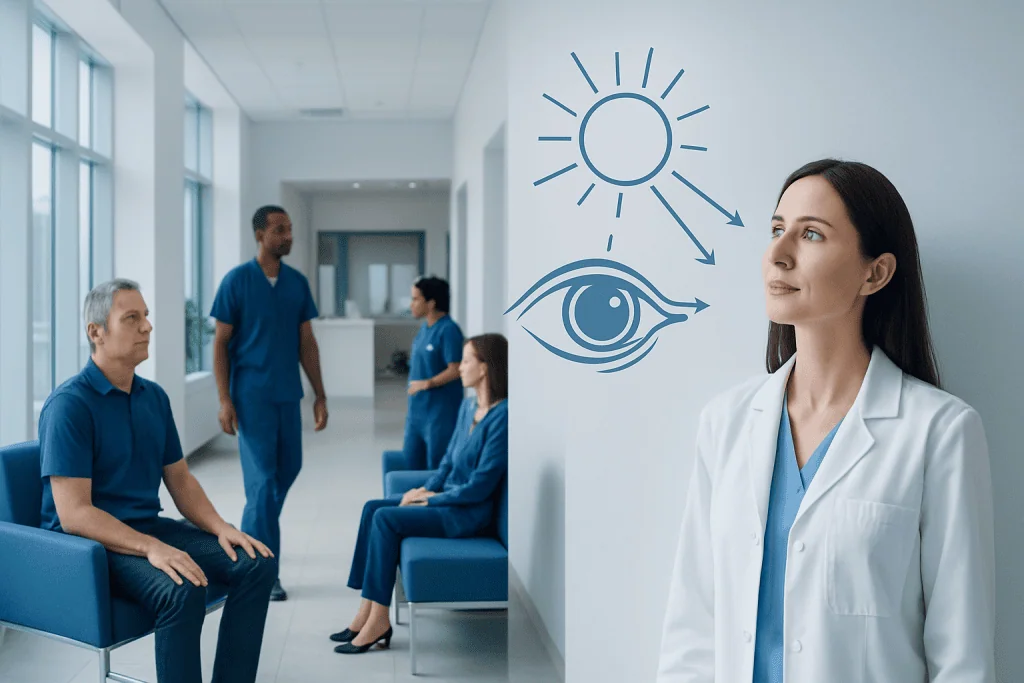
UVB can cause a painful, temporary corneal injury called photokeratitis, while cumulative UV exposure may contribute to cataract development. Snow, water, sand and high altitude can increase UV exposure by reflecting or intensifying sunlight.
Key Takeaways
- UVB can cause a painful, temporary corneal injury called photokeratitis, while cumulative UV exposure may contribute to cataract development.
- Snow, water, sand and high altitude can increase UV exposure by reflecting or intensifying sunlight.
- Symptoms such as eye pain, light sensitivity, tearing, redness or blurred vision after intense sun exposure need medical assessment.
- Sunglasses labelled to block 99% to 100% of UVA and UVB rays, ideally with wraparound coverage, are the main preventive measure.
- UV lamps should not be used as a source of vitamin D, and unprotected exposure may harm the eyes and skin.
UV radiation and eyes are closely connected because ultraviolet exposure can injure the eye’s surface in the short term and contribute to some long-term eye conditions. Most exposure-related symptoms are preventable with consistent eye protection, and sudden pain or vision changes should be assessed promptly.
Overview: how UV radiation affects the eyes
UV radiation and eyes interact every day outdoors. Ultraviolet (UV) radiation is an invisible part of sunlight. Small amounts of everyday exposure may not cause noticeable symptoms, but intense exposure can injure the front surface of the eye, and repeated exposure over many years can add to the risk of certain eye conditions.
The main types of ultraviolet radiation reaching the Earth are UVA and UVB. UVB is strongly linked with acute sun-related injury to the cornea, the clear outer layer of the eye. UVA penetrates more deeply and is also relevant to cumulative eye exposure. The eyelids, conjunctiva, cornea and lens can all be affected.
Damage is not limited to bright summer days. UV levels can be significant on cloudy days, and snow, water, sand and pale pavement reflect sunlight toward the eyes. Skiing, boating, beach activities and outdoor work can therefore create higher-risk conditions without a person necessarily feeling that the day is especially hot.
How UV eye damage works and what it can cause
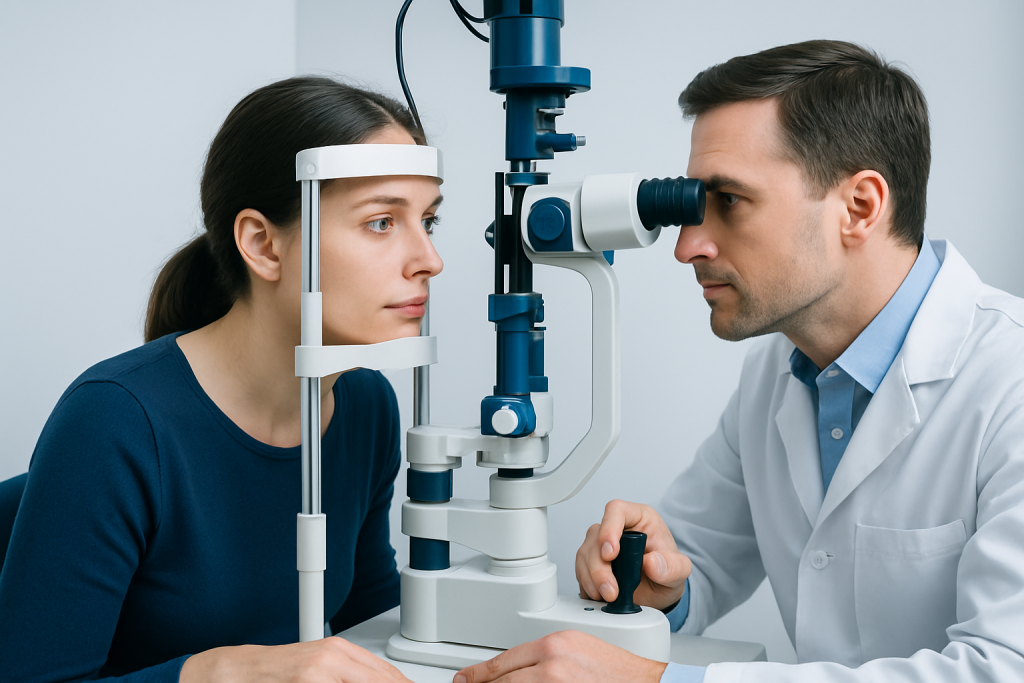
The eye normally absorbs much of the UV light that enters it. In a high-exposure event, UV can damage cells on the corneal surface and conjunctiva. This may lead to photokeratitis, sometimes called snow blindness or ultraviolet keratitis. Despite the name, it can occur after exposure from sun reflecting off snow, water or sand, as well as from unshielded artificial UV sources.
Photokeratitis often has a delayed onset. A person may feel well during the exposure but develop symptoms several hours later, including gritty discomfort, severe eye pain, redness, tearing, light sensitivity, headache, blurred vision or a feeling that there is something in the eye. Both eyes are commonly affected after environmental exposure.
Long-term UV exposure is one factor associated with cataracts, a clouding of the eye’s natural lens. It may also contribute to growths on the eye surface, such as pinguecula and pterygium. These conditions have multiple causes, and UV exposure is only one part of an individual’s overall risk.
Can your eyes heal from UV damage?
Many short-term UV injuries heal because the corneal surface can repair itself. With photokeratitis, symptoms commonly improve substantially within 24 to 48 hours when further UV exposure is avoided and the eye is allowed to recover. However, significant pain, worsening symptoms, discharge, persistent blurred vision or symptoms lasting beyond a day should be evaluated by an eye doctor.
Not every effect of UV exposure is reversible. Cumulative changes, including cataracts or some conjunctival growths, do not simply disappear after avoiding sunlight. Their management depends on the condition, its severity and how much it affects comfort or vision.
It is important not to rub painful eyes or use someone else’s eye drops. A clinician may examine the cornea with special dye and magnification to confirm the cause of symptoms and exclude infection, a foreign body, contact-lens complications or another eye problem.
Is UV eye damage permanent?
UV eye damage can be temporary or long-lasting depending on the type and extent of exposure. Acute photokeratitis is usually temporary and does not generally leave lasting effects when it is treated appropriately and the eye heals normally. Nevertheless, its symptoms can be very uncomfortable, and repeated intense exposure should be avoided.
Long-term, repeated UV exposure can contribute to changes that may be lasting, including cataract formation and certain surface changes of the eye. A cataract cannot be reversed with sunglasses or drops once it has developed, although it can often be effectively managed when it begins to interfere with daily life.
Because vision changes have many possible causes, no symptom should be assumed to be due only to sunlight. A comprehensive eye examination can assess the cornea, lens, retina and other structures, especially when visual changes persist or occur in one eye.
Are cataracts caused by UV light?
UV light is a recognized modifiable risk factor for cataracts, particularly with long-term exposure. Cataracts are more commonly related to ageing, but other factors can include diabetes, smoking, some medicines, previous eye injury, inflammation, family history and radiation exposure. UV protection is one practical way to reduce an avoidable contributor to risk.
A cataract develops when proteins within the natural lens become less transparent. Early changes may cause glare, reduced contrast, faded colours, difficulty seeing at night or frequent changes to glasses prescriptions. These symptoms develop gradually in many people rather than appearing immediately after a single sunny day.
When a cataract begins to limit reading, driving, work or other valued activities, an ophthalmologist can discuss cataract surgery as an option. The decision is based on symptoms, examination findings and the person’s needs, rather than on UV exposure history alone.
Do you get vitamin D from an UV lamp?
Some UVB exposure to skin can stimulate vitamin D production, but UV lamps are not a safe or reliable way to obtain vitamin D. The eyes are particularly vulnerable to direct UV exposure, and tanning devices and unregulated lamps can also increase skin damage and skin cancer risk. Ordinary indoor lighting does not provide a meaningful vitamin D source.
Vitamin D needs are better discussed with a qualified clinician, who may consider diet, safe outdoor habits and supplements when appropriate. No one should look directly at a UV lamp or use a device intended for another purpose without proper medical guidance and manufacturer-approved protective equipment.
Medical phototherapy is different from casual UV lamp use. When UV treatment is prescribed for a skin condition, it is delivered under clinical protocols, with eye protection and monitoring. It should not be interpreted as a method for eye health or vitamin D self-treatment.
Protection, recovery and when to seek medical care
The most effective prevention is to wear sunglasses that block 99% to 100% of both UVA and UVB rays. Larger lenses or wraparound frames can reduce light entering from the sides. A wide-brimmed hat adds useful protection, while close-fitting UV-rated goggles are especially important for skiing, snowboarding, water sports and work involving UV-producing equipment.
After suspected overexposure, a person should move indoors or into shade, remove contact lenses if they are uncomfortable, avoid rubbing the eyes and avoid further UV exposure. Cool compresses may be soothing. An eye professional can recommend appropriate treatment after examination; topical anaesthetic drops should not be used outside a clinical setting because they can mask injury and interfere with healing.
When to seek medical care: urgent assessment is appropriate for severe eye pain, reduced vision, inability to keep the eyes open, marked light sensitivity, chemical exposure, a possible foreign body, or symptoms after welding or an artificial UV source. Medical review is also advisable if symptoms do not improve within 24 hours, if there is discharge or if a person wears contact lenses and develops a painful red eye.
Acibadem International’s multidisciplinary specialists and JCI-accredited hospitals can assess eye symptoms and discuss appropriate treatment options for international patients. Regular eye examinations and consistent UV protection remain valuable parts of preserving eye health over time.
Frequently asked questions
What are the first signs of UV damage to the eyes?
Symptoms may begin several hours after intense exposure and can include pain, redness, tearing, a gritty sensation, light sensitivity and blurred vision. These signs can occur with photokeratitis, but similar symptoms may also result from infection, injury or contact-lens problems. An eye assessment is recommended for significant or persistent symptoms.
Can cloudy weather cause UV eye damage?
Yes. Clouds reduce visible brightness but do not block all ultraviolet radiation. UV protection is useful throughout the year, especially during outdoor activities and in reflective settings such as snow, water or sand.
How long does photokeratitis last?
Photokeratitis often improves within 24 to 48 hours when further UV exposure is avoided. A person should seek medical advice if pain is severe, vision is reduced, symptoms worsen, or recovery is not occurring as expected. This helps rule out other causes that may need different treatment.
Do regular glasses protect against UV radiation?
Some prescription lenses include UV protection, but this varies by lens type and coating. The person can ask their optician whether their lenses block both UVA and UVB. Sunglasses with clear UV-blocking labelling and adequate side coverage are often more protective outdoors.
Can children get UV eye damage?
Yes. Children’s eyes also need UV protection because outdoor exposure accumulates over a lifetime. Child-sized sunglasses that block 99% to 100% of UVA and UVB rays, along with a hat, can help protect their eyes during outdoor play.
Is it safe to look at sunlight through sunglasses?
No. Sunglasses are designed for everyday outdoor UV protection, not for looking directly at the sun. Direct sun viewing can damage the retina, including during a solar eclipse, unless properly certified eclipse viewers are used according to official safety guidance.
References
- World Health Organization
- American Academy of Ophthalmology
- National Eye Institute
- Centers for Disease Control and Prevention
This article is for general information only and is not a substitute for professional medical advice. Please consult a qualified doctor about your individual situation.
Explore treatments in Turkey — costs, top hospitals & a free quote
JCI-accredited · board-certified surgeons · reply within 24h
Add us as a Preferred Source to see more of our trusted health content across Google Search, AI Overviews and Discover.

More from the Health Library



Related Specialists

Dr. Fatih Pehlivan
Inpatient Clinic Physicians
Prof. Dr. İsmet Aydoğdu
Hematology
Prof. Dr. Mustafa Karaçelik
Cardiovascular Surgery
Dr. İlke Karagöz
Aesthetic Plastic & Reconstructive Surgery