Vaginal Sex: What Is Normal, What Is Not, and When to Seek Care

There is a wide range of normal when it comes to comfort, desire, and frequency of vaginal sex. Ongoing pain, bleeding, burning, unusual discharge, or fear around sex are not considered normal and should be assessed.
Key Takeaways
- There is a wide range of normal when it comes to comfort, desire, and frequency of vaginal sex.
- Ongoing pain, bleeding, burning, unusual discharge, or fear around sex are not considered normal and should be assessed.
- Common causes of problems include vaginal dryness, infections, skin conditions, pelvic floor tension, and hormonal changes.
- A doctor can often identify the cause with a medical history, physical exam, and simple tests.
- Many concerns improve with treatment, lubrication, pelvic floor care, or addressing an underlying condition.
Vaginal sex is different for every person, but it generally should not cause persistent pain, repeated bleeding, or significant discomfort. When symptoms do happen, they may be related to dryness, infection, hormonal changes, pelvic floor problems, or other treatable conditions, and a medical evaluation can help.
Overview: What is normal during vaginal sex?
Vaginal sex means penetration of the vagina, usually by a penis, fingers, or a sex toy. What feels normal can vary from person to person depending on age, hormones, comfort with a partner, relationship factors, past experiences, and overall health. In general, vaginal sex should not cause persistent pain, repeated bleeding, or symptoms that continue after sex.
Many people notice some day-to-day variation. Desire may be higher or lower at different times of the menstrual cycle, after childbirth, during breastfeeding, around menopause, or during periods of stress. Mild temporary friction or brief sensitivity can happen, especially if there was limited arousal or lubrication, but sex should not regularly feel sharp, burning, tearing, or deeply painful.
Normal experiences can include natural vaginal lubrication, temporary fullness or pressure with penetration, and emotional responses that range from pleasure to neutrality. Normal also includes choosing not to have sex or not enjoying a particular type of sex. Consent, comfort, and the ability to stop are central parts of healthy sexual activity.
What is not normal?
Some symptoms are common, but common does not always mean normal. Repeated pain during penetration, deep pelvic pain, burning, itching, bad-smelling discharge, or bleeding that keeps happening after sex should not be ignored. These symptoms may point to a medical issue that can often be treated.
Pain may happen at the vaginal opening, inside the vagina, or deeper in the pelvis. It can feel like stinging, tightness, cramping, pressure, or a tearing sensation. Some people also develop muscle tension, anxiety, or fear because they start expecting pain. This cycle can make symptoms worse over time.
- Ongoing pain during or after sex
- Bleeding after sex when it is not related to menstruation
- Dryness that makes penetration difficult or painful
- Unusual discharge, odor, sores, or itching
- Pelvic pain, fever, or pain with urination
- Sex that causes distress, fear, or avoidance
Changes in sexual function can also matter even without pain. A sudden change in lubrication, a new inability to tolerate penetration, or symptoms after childbirth, pelvic surgery, or menopause may reflect an underlying condition rather than simply “getting older” or “needing to relax.”
Common reasons vaginal sex may hurt or cause bleeding

Vaginal dryness is one of the most frequent reasons sex becomes uncomfortable. Dryness can happen with limited arousal, breastfeeding, certain medications, stress, and especially lower estrogen levels around perimenopause and menopause. When tissues are dry and more fragile, penetration may lead to burning, small tears, or spotting.
Infections are another common cause. Yeast infections, bacterial vaginosis, urinary infections, and sexually transmitted infections can all cause irritation, burning, discharge, or pain during sex. Some skin conditions affecting the vulva can also make the area tender. In some cases, repeated infections or inflammation may contribute to ongoing sensitivity.
Pelvic floor muscle tension can make penetration feel difficult or impossible. The muscles around the vagina may tighten involuntarily, especially when there has been pain before, after childbirth, or with stress or anxiety. Deep pain during sex may also be related to conditions affecting the pelvis, including endometriosis, ovarian cysts, or uterine fibroids. Some people with persistent discomfort may eventually be evaluated for related problems such as vaginismus or chronic vulvar pain disorders.
Bleeding after sex can come from dry or irritated tissue, infection, cervical inflammation, polyps, or less commonly more serious problems involving the cervix or uterus. Bleeding is especially important to check if it happens repeatedly, starts after menopause, or comes with pelvic pain, discharge, or weight loss.
Factors that influence comfort, desire, and vaginal health
Sexual comfort is not only physical. Relationship dynamics, stress, fatigue, body image concerns, mood disorders, and past sexual trauma can all affect arousal and the ability to relax. When the body is not ready for penetration, the vaginal tissues and pelvic floor muscles may be less comfortable, even if there is no disease present.
Hormonal shifts also matter across life stages. During the reproductive years, symptoms may change at different points in the menstrual cycle. After childbirth, during breastfeeding, and around menopause, estrogen levels may drop and cause dryness, thinning of the vaginal tissue, and increased sensitivity. These changes are common and treatable.
Medications can play a role as well. Some antidepressants, antihistamines, hormonal treatments, and acne medications may affect lubrication or sexual desire. Smoking, uncontrolled diabetes, and some chronic health conditions may reduce blood flow or tissue health and contribute to discomfort. For some women, pelvic organ changes after pregnancy or aging may also be relevant and may overlap with conditions such as urinary incontinence or prolapse symptoms.
How doctors evaluate concerns related to vaginal sex
A medical evaluation begins with a careful history. The doctor may ask where the pain is felt, when it started, whether it happens every time, whether there is bleeding or discharge, and whether symptoms are linked to the menstrual cycle, childbirth, menopause, or a new partner. They may also ask about medications, past infections, contraception, and emotional factors that could be affecting sexual comfort.
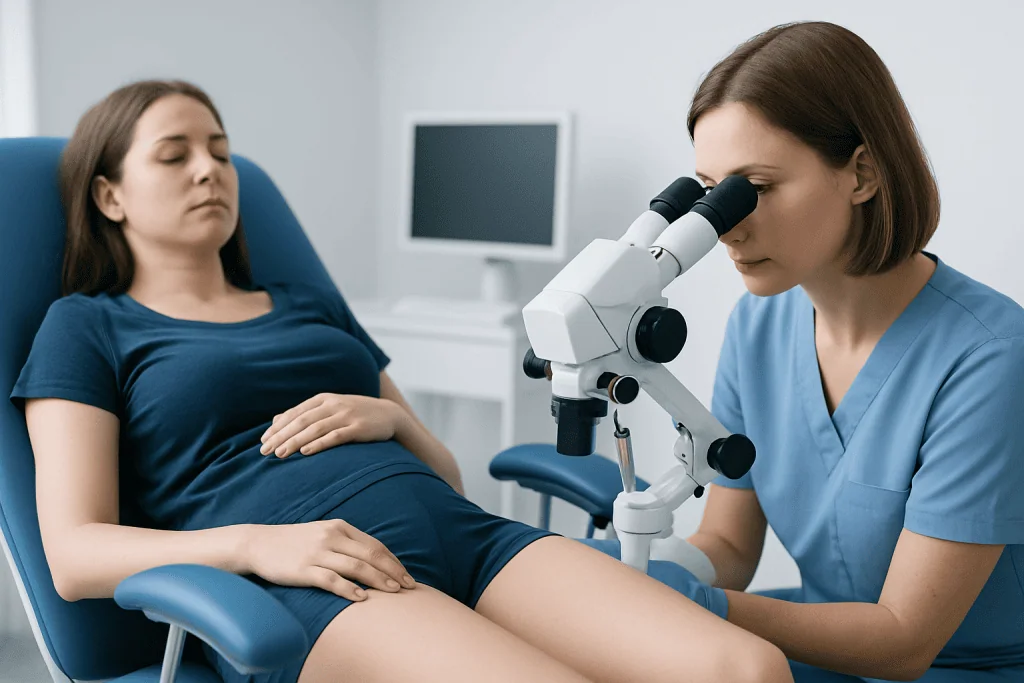
A pelvic exam is often helpful and can usually be done gently and step by step. The exam may look for dryness, small tears, skin irritation, infection, tenderness at the vaginal opening, pelvic floor tightness, or signs of deeper pelvic pain. If needed, samples may be taken to check for infection, and cervical screening may be reviewed depending on age and history.
Some people need additional testing such as urine tests, swabs, blood tests, or pelvic ultrasound. These tests help identify treatable causes and rule out more serious problems. If symptoms suggest a structural issue inside the uterus or pelvis, further gynecologic assessment may be recommended.
Treatment options and practical self-care
Treatment depends on the cause. Dryness may improve with more time for arousal, fragrance-free lubricants, and vaginal moisturizers. If symptoms are linked to menopause or low estrogen, a doctor may discuss whether hormonal treatment is appropriate. Infections are treated according to the cause, and skin conditions may require targeted creams or other therapies.
If penetration is painful because of muscle tension or fear of pain, pelvic floor rehabilitation can be very helpful. Some women benefit from pelvic floor physical therapy to learn muscle relaxation, breathing, and gradual desensitization. Counseling or sex therapy may also help when stress, relationship strain, or past trauma is part of the picture. For persistent gynecologic pain or structural causes, treatment may involve medical or surgical options such as laparoscopy in selected cases.
Simple self-care can also make sex more comfortable. Using enough lubrication, avoiding irritants such as scented washes, not rushing penetration, and communicating clearly with a partner can all help. If condoms cause irritation, discussing alternatives or checking for latex sensitivity with a doctor may be useful. It is safest to stop sexual activity when there is sharp pain, heavy bleeding, or new severe symptoms.
Near the end of the care pathway, some patients need specialist input from gynecology, dermatology, urology, pelvic floor therapy, or mental health professionals. Acibadem International’s multidisciplinary specialists and JCI-accredited hospitals diagnose and treat these concerns for international patients, including evaluation through gynecology care when symptoms persist.
When to seek medical care
Medical care is appropriate if vaginal sex becomes painful, causes repeated bleeding, or leads to ongoing burning, discharge, or pelvic pain. It is also important to seek care if penetration suddenly becomes difficult, if symptoms are interfering with relationships or quality of life, or if there is concern about infection or a sexually transmitted infection.
Urgent assessment is needed for severe pelvic pain, fever, fainting, heavy bleeding, pregnancy-related bleeding, or pain after a possible injury. These symptoms can have causes that need prompt evaluation. After menopause, any bleeding after sex should be discussed with a doctor.
People often delay care because they feel embarrassed or worry their symptoms are normal. In reality, problems with vaginal sex are common reasons for medical visits, and many have effective treatments. A qualified clinician can help identify the cause and guide safe, personalized care.
Frequently asked questions
Is vaginal sex supposed to hurt the first time?
First-time vaginal sex may feel unfamiliar, and some people notice pressure or mild discomfort. However, it should not cause severe pain, significant bleeding, or lasting soreness. Adequate arousal, lubrication, and going slowly can help, but persistent pain deserves medical advice.
Is bleeding after sex normal?
A small amount of spotting can happen from friction, dryness, or irritation, but repeated bleeding after sex is not considered normal. It can be related to infection, cervical inflammation, polyps, hormonal changes, or other causes. If it keeps happening, especially after menopause, it should be checked.
Why does vaginal sex suddenly become painful?
A sudden change can be caused by dryness, an infection, a new medication, hormonal shifts, pelvic floor muscle tension, or a pelvic condition. Stress and fear of pain can also contribute. Because there are several possible causes, a medical assessment is often the best next step.
Can stress or anxiety affect vaginal sex?
Yes. Stress, anxiety, relationship strain, and past negative experiences can reduce arousal and make pelvic floor muscles tighten. This can lead to dryness, discomfort, or difficulty with penetration even when no infection is present.
When should someone see a doctor about pain during sex?
A doctor should be seen if pain happens regularly, is getting worse, or is accompanied by bleeding, discharge, itching, urinary symptoms, or pelvic pain. Medical care is also important if sex has become distressing or impossible. Severe pain, fever, or heavy bleeding need prompt attention.
Can vaginal dryness happen before menopause?
Yes. Dryness can occur at any age and may be linked to breastfeeding, medications, stress, limited arousal, or certain health conditions. It is not only a menopause-related issue, and treatments are available.
References
- American College of Obstetricians and Gynecologists
- Centers for Disease Control and Prevention
- National Health Service
- Mayo Clinic
- World Health Organization
This article is for general information only and is not a substitute for professional medical advice. Please consult a qualified doctor about your individual situation.
Explore treatments in Turkey — costs, top hospitals & a free quote
JCI-accredited · board-certified surgeons · reply within 24h
Add us as a Preferred Source to see more of our trusted health content across Google Search, AI Overviews and Discover.