Vagus Nerve Stimulation — Explained by Medical Evidence, Not Myths

Vagus nerve stimulation is an established medical therapy, not simply a relaxation technique or social media trend. It is most commonly used for drug-resistant epilepsy and, in selected cases, treatment-resistant depression.
Key Takeaways
- Vagus nerve stimulation is an established medical therapy, not simply a relaxation technique or social media trend.
- It is most commonly used for drug-resistant epilepsy and, in selected cases, treatment-resistant depression.
- The treatment does not cure the underlying condition, but it may reduce symptoms and improve quality of life for some patients.
- Evaluation by neurology, psychiatry, or neurosurgery specialists helps determine whether VNS is appropriate and safe.
- Possible side effects include voice changes, throat discomfort, cough, and shortness of breath during stimulation.
Vagus nerve stimulation is a medical treatment that delivers gentle electrical signals to the vagus nerve, usually through an implanted device in the chest connected to the neck. It is used most often for certain types of epilepsy and treatment-resistant depression, and it should be understood as an evidence-based neuromodulation therapy rather than a wellness trend or quick fix.
What vagus nerve stimulation is
Vagus nerve stimulation is a form of neuromodulation, meaning it changes nerve activity by sending controlled electrical signals. In routine medical use, the term usually refers to an implanted device placed under the skin of the chest, with a wire connected to the left vagus nerve in the neck. The device sends regular, mild pulses intended to influence brain and body signaling in a therapeutic way.
This is different from the broad range of internet claims about “stimulating the vagus nerve” through breathing exercises, cold exposure, or massage. Those self-care approaches may help some people relax, but they are not the same as prescription VNS therapy. Medical vagus nerve stimulation is a regulated treatment used for specific conditions after careful specialist assessment.
The best-established uses are for people with epilepsy that does not respond well enough to medication and for some adults with treatment-resistant depression. Research is also exploring other possible uses, but evidence is stronger for some conditions than for others. The main goal is usually symptom control and improved daily functioning rather than a permanent cure.
How VNS works in the body
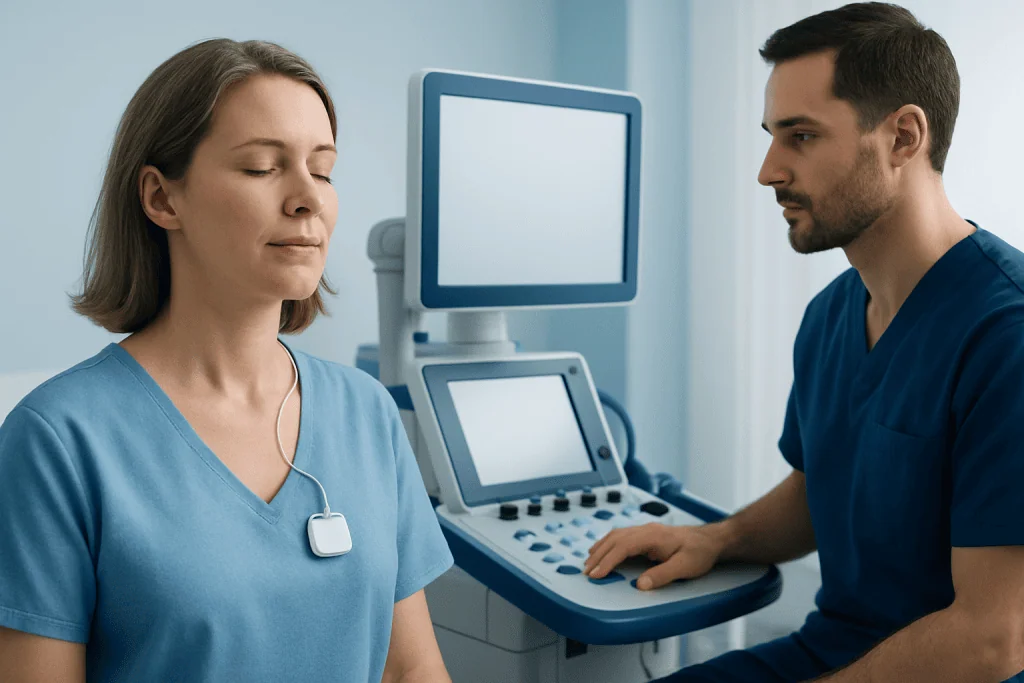
The vagus nerve is a major communication pathway between the brain and many organs, including the heart, lungs, and digestive tract. It carries signals in both directions, helping regulate automatic body functions such as heart rate, swallowing, voice, and aspects of digestion. Because it has wide-reaching connections, altering its activity can influence brain networks involved in seizures, mood, and alertness.
In VNS therapy, the device delivers pulses at programmed intervals. Specialists can adjust settings such as how strong the pulse is, how often it is delivered, and how long each stimulation period lasts. These adjustments are individualized over time to balance symptom control with side effects.
Doctors do not describe VNS as “resetting” the nervous system, because that phrase can be misleading. A more accurate explanation is that repeated stimulation may modify signaling in brain circuits over time. Some people notice benefit within weeks, while others improve gradually over several months.
Many systems also include a magnet that can be used in certain situations, for example if a patient or caregiver is taught to activate an extra stimulation during a warning sign of a seizure. Whether this is useful depends on the person’s condition and the advice of the treating team.
Who may benefit from vagus nerve stimulation

Vagus nerve stimulation is most often considered when standard treatments have not provided enough control or have caused difficult side effects. In epilepsy, it may be recommended for people with recurrent seizures despite appropriate use of anti-seizure medicines, particularly when other treatment options are limited or surgery is not suitable. It can be relevant in both adults and children, depending on the clinical situation.
For depression, VNS may be considered in selected adults with long-standing, treatment-resistant illness when several standard treatments have not led to adequate improvement. This decision usually involves detailed psychiatric evaluation and discussion of expected benefits, limitations, and alternatives. It is not a first-line treatment for low mood or situational stress.
Not everyone with epilepsy or depression is a candidate. Doctors review the exact diagnosis, symptom pattern, previous treatments, overall health, and patient goals. In some cases, a person may be better served by other approaches such as medication adjustments, psychotherapy, epilepsy surgery, or devices like deep brain stimulation for other movement-related neurological conditions when appropriate.
Because the symptoms that lead to VNS evaluation can overlap with other disorders, specialists may also assess for related conditions such as epilepsy or depression before making a treatment plan. A precise diagnosis is important because VNS is not a general treatment for fatigue, anxiety, digestive complaints, or poor sleep without a defined medical indication.
Evaluation and diagnosis before treatment
Before VNS is recommended, doctors first confirm the diagnosis and review what treatments have already been tried. For epilepsy, this often includes a detailed history, neurological examination, brain imaging, and tests such as electroencephalography to understand seizure type and frequency. The aim is to make sure seizures are correctly classified and to identify whether another treatment would be more effective.
For depression, evaluation usually includes a psychiatric assessment, review of symptom duration and severity, prior medication trials, psychotherapy history, and screening for other mental health or medical conditions that may affect treatment choice. VNS is generally considered only after careful review of alternatives and realistic discussion of what success may look like.
Specialists also assess surgical fitness and possible risks related to the procedure or the device. Patients are usually asked about sleep breathing problems, voice issues, heart rhythm history, and prior neck or chest surgery. This step helps the team judge whether implantation is likely to be safe and whether any precautions are needed.
The decision process often involves more than one specialty, such as neurology, psychiatry, neurosurgery, and anesthesiology. In complex cases, centers with experience in neuromodulation may also discuss related options, including stereoelectroencephalography (SEEG), when seizure mapping is necessary to understand whether another intervention may be better suited.
What the procedure and follow-up involve
Implanted vagus nerve stimulation requires a surgical procedure, usually performed under anesthesia. The surgeon places a small pulse generator under the skin in the upper chest and connects it to the left vagus nerve through an incision in the neck. The left side is typically used because of how the nerve connects with the heart and other structures.
After surgery, the device is usually activated and programmed at a follow-up visit rather than immediately at full strength. Settings are increased gradually over time, allowing the patient and care team to monitor both benefit and side effects. This adjustment period is normal and often requires several visits.
Patients continue routine care for the underlying condition after implantation. For epilepsy, anti-seizure medications are usually continued unless the treating neurologist advises changes later. For depression, ongoing psychiatric follow-up remains important, and other treatments such as medication or psychotherapy may still be part of the plan.
The battery does not last forever, so replacement may be needed after several years, depending on device settings and usage. Patients are also advised to tell other healthcare professionals that they have an implanted device, especially before imaging, surgery, or procedures using electrical equipment.
Benefits, limits, and possible side effects
The main benefit of vagus nerve stimulation is that it may reduce symptom burden when standard treatments have not been enough. In epilepsy, some people experience fewer seizures, shorter seizures, or faster recovery after an event. In depression, some patients report gradual improvement in mood, motivation, and overall functioning over time.
It is important to set realistic expectations. VNS does not work the same way for everyone, and it may not eliminate symptoms completely. Improvement can be partial, delayed, or absent, so doctors usually frame it as one component of a broader treatment plan rather than a stand-alone cure.
Common side effects often occur during stimulation and may include hoarseness, voice change, throat discomfort, cough, tingling, or mild shortness of breath. These effects are often manageable by adjusting device settings, but they should still be reported. Surgical risks such as infection, pain, or device-related problems are less common but possible.
There are also practical considerations. Living with an implanted device means attending follow-up visits, checking device function, and understanding activity or procedure precautions. These factors matter when deciding whether the likely benefit justifies treatment for a particular person.
Myths, self-care, and day-to-day living with VNS
A common myth is that any technique said to “activate the vagus nerve” is equivalent to medical VNS. In reality, implanted vagus nerve stimulation is a prescribed therapy with a specific device, a defined clinical purpose, and ongoing medical supervision. Breathing exercises, meditation, regular sleep, physical activity, and stress management may support general wellbeing, but they do not replace evidence-based treatment for epilepsy or severe depression.
Another myth is that VNS works instantly or guarantees success. Clinical benefit often develops gradually, and some people need repeated programming adjustments. Others may have little benefit despite appropriate care, which is why specialist follow-up and honest goal setting are essential.
Daily life with VNS is usually manageable once recovery from implantation is complete. Patients are encouraged to keep a record of symptoms, note possible triggers, and report side effects or device concerns promptly. Depending on the condition, healthy routines such as taking medicines as prescribed, protecting sleep, limiting alcohol if advised, and attending regular follow-up can improve overall treatment outcomes.
Near the end of the care pathway, some patients seek second opinions or multidisciplinary review, especially for complex epilepsy or longstanding depression. Acibadem International’s multidisciplinary specialists in JCI-accredited hospitals diagnose and treat patients who may need advanced evaluation and neuromodulation-based care.
When to seek medical care
Medical review is important if a person has ongoing seizures, fainting episodes, severe mood symptoms, or depression that is not improving with standard care. A doctor should also assess new neurological symptoms such as loss of consciousness, unusual movements, sudden confusion, or major changes in behavior. Early evaluation helps clarify the diagnosis and whether VNS or another treatment is more appropriate.
Anyone with an implanted vagus nerve stimulator should contact their care team if side effects become troublesome, the voice changes suddenly worsen, the incision area becomes red or painful, or the device seems not to be working as expected. Urgent medical attention is needed for severe breathing difficulty, chest symptoms, signs of infection, or a mental health crisis such as suicidal thoughts.
VNS is not something a person should try to self-prescribe based on internet advice. Decisions about candidacy, surgery, programming, and long-term follow-up should be made with qualified specialists who can weigh benefits and risks in the context of the individual’s condition.
Frequently asked questions
Is vagus nerve stimulation a proven medical treatment?
Yes. Vagus nerve stimulation is an established medical therapy for selected patients, especially some people with drug-resistant epilepsy and some adults with treatment-resistant depression. It is prescribed and monitored by specialists, which makes it very different from general wellness advice found online.
Does vagus nerve stimulation cure epilepsy or depression?
No. VNS is usually used to help reduce symptoms and improve quality of life rather than to cure the underlying condition. Some people have meaningful improvement, while others have a more limited response.
How long does it take for VNS to start working?
Response time varies from person to person. Some patients notice benefit within weeks, but for many, improvement develops gradually over several months as the device settings are adjusted. Follow-up is an important part of the treatment process.
What are the most common side effects of VNS?
Common side effects include hoarseness, voice changes, throat discomfort, cough, or a feeling of shortness of breath during stimulation. These effects often improve or become easier to manage when the device settings are adjusted by the treating team.
Can a person stop taking medication after getting a vagus nerve stimulator?
Usually not right away. Many patients continue their usual treatment plan, including medicines, after VNS is implanted. Any medication changes should be made only by the treating doctor based on symptoms and follow-up results.
Is vagus nerve stimulation the same as breathing exercises or cold exposure?
No. Relaxation techniques may influence how a person feels, but they are not the same as implanted VNS therapy. Medical vagus nerve stimulation uses a surgically placed device, defined stimulation settings, and ongoing clinical supervision.
This article is for general information only and is not a substitute for professional medical advice. Please consult a qualified doctor about your individual situation.
Explore treatments in Turkey — costs, top hospitals & a free quote
JCI-accredited · board-certified surgeons · reply within 24h
Add us as a Preferred Source to see more of our trusted health content across Google Search, AI Overviews and Discover.
Check your numbers in seconds
BMI, calories, due date, blood pressure and 30+ more clinical calculators — free, instant, doctor-reviewed ranges.

More from the Health Library

Cinnamon Benefits Sexually — Explained by Medical Evidence, Not Myths

Blue Cheese: What Patients Need to Know
Agonal Breathing — Explained by Medical Evidence, Not Myths
Glial Cells: An Evidence-Based Guide for Patients

Walter Williams: A Complete Medical Overview