Vagus Nerve Stimulation: What to Expect Before, During, and After

Vagus nerve stimulation uses a small implanted device to send regular electrical pulses to the vagus nerve in the neck. It does not usually cure the underlying condition, but it may help reduce symptoms and improve quality of life for selected patients.
Key Takeaways
- Vagus nerve stimulation uses a small implanted device to send regular electrical pulses to the vagus nerve in the neck.
- It does not usually cure the underlying condition, but it may help reduce symptoms and improve quality of life for selected patients.
- Evaluation before treatment may include neurological assessment, imaging, medication review, and discussion of goals and expectations.
- Recovery after implantation is usually gradual, and the device is programmed and adjusted over time.
- Common side effects include voice changes, throat discomfort, cough, or tingling during stimulation, and these are often manageable.
- Regular follow-up is important to check healing, battery life, symptom response, and device settings.
Vagus nerve stimulation is a neuromodulation treatment that sends gentle electrical signals to the vagus nerve through a small implanted device. It is most often used for some people with difficult-to-control epilepsy and, in selected cases, other conditions when standard treatments have not provided enough benefit.
Overview of Vagus Nerve Stimulation
Vagus nerve stimulation, often called VNS therapy, is a type of neuromodulation. Neuromodulation means using targeted electrical signals to influence nerve activity in a controlled way. In VNS, a small device is placed under the skin of the upper chest and connected to a thin wire that wraps around the vagus nerve in the neck. The device sends mild electrical pulses at regular intervals.
The vagus nerve is one of the major nerves connecting the brain with parts of the body. Although the exact way VNS works is still being studied, it is known to affect brain networks involved in seizures, mood, and other functions. For many patients, the goal is not to replace all other treatment but to add another option when standard care has not provided enough control.
Vagus nerve stimulation is most commonly used for certain people with epilepsy that has not responded well enough to medication. In some settings, it may also be considered for treatment-resistant depression or other carefully selected conditions, depending on local practice and specialist evaluation. Because it is an established therapy rather than an emergency measure, the decision to proceed usually follows detailed assessment and discussion.
Who May Benefit and Why It Is Recommended
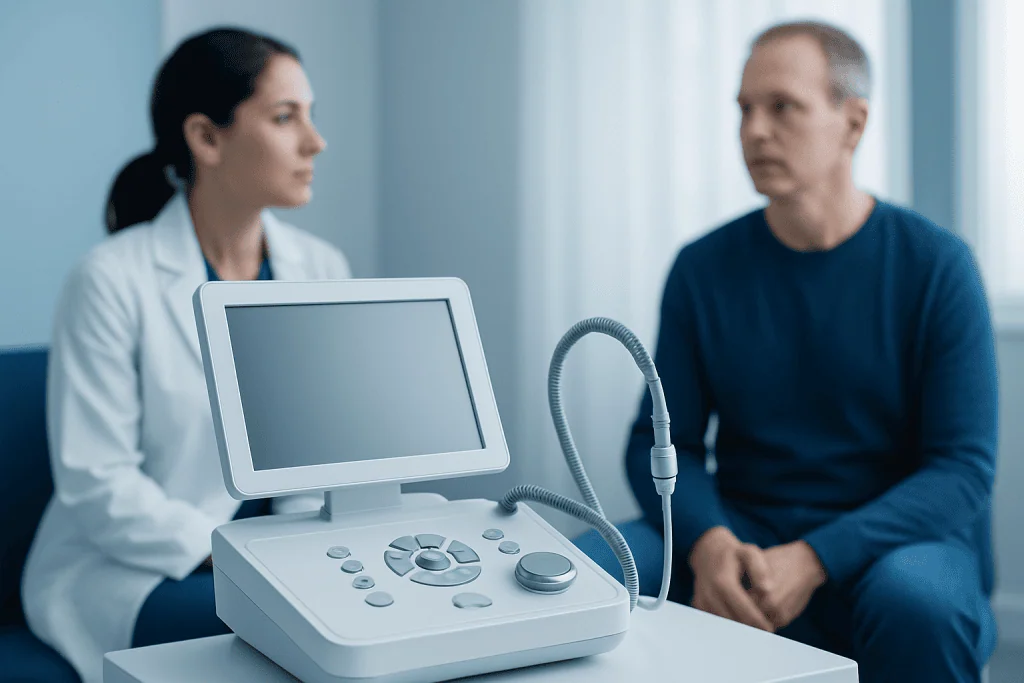
Doctors may recommend vagus nerve stimulation for patients whose symptoms remain difficult to control despite trying appropriate medicines. In epilepsy, this may include people who continue to have seizures even after using anti-seizure medications as prescribed. Some patients are not suitable candidates for brain surgery, or they may prefer a less invasive neuromodulation option than other procedures.
VNS is not a first-line treatment for most people. Instead, it is usually considered after a specialist has reviewed the diagnosis, seizure type or other symptoms, previous treatments, overall health, and personal goals. This helps identify whether the possible benefits are likely to outweigh the risks of implantation and long-term device management.
It is important to set realistic expectations. Vagus nerve stimulation does not usually stop symptoms immediately, and it does not guarantee complete control. Many patients experience gradual improvement over months as the device settings are adjusted. In epilepsy care, it may be discussed alongside broader treatment planning, including epilepsy management and in some cases epilepsy surgery evaluation when appropriate.
Before the Procedure: Evaluation and Preparation

Before vagus nerve stimulation is recommended, the care team usually performs a thorough assessment. This often includes a review of symptoms, medication history, previous test results, and overall medical condition. For epilepsy, the evaluation may involve neurological examination, brain imaging, and tests such as electroencephalography to confirm the diagnosis and better understand seizure patterns.
Patients are also asked about prior surgeries, implanted devices, heart or lung conditions, sleep-related breathing problems, and any history of voice or swallowing difficulties. This information matters because the vagus nerve influences several body functions, and the device may not be suitable for everyone. The specialist will explain expected benefits, possible limitations, and common side effects in clear terms.
In the days before surgery, the team gives practical instructions about eating, drinking, medications, and when to arrive at the hospital. Some medicines may need temporary adjustment, but this should only be done under a doctor’s guidance. Patients are often advised to arrange a ride home and to plan for a short recovery period with limited heavy activity while the chest and neck incisions heal.
During the Procedure: How VNS Is Implanted
Vagus nerve stimulation is usually implanted in an operating room under anesthesia. The surgeon makes a small incision in the upper chest to place the pulse generator under the skin. A second small incision is made on the side of the neck so the lead can be gently attached to the left vagus nerve. The left side is typically used to reduce unwanted effects on heart rhythm.
Once the device and lead are in place, the surgeon connects the system and closes the incisions. The procedure often takes a relatively short time compared with major neurosurgery, and many patients go home the same day or after a brief hospital stay, depending on age, general health, and the center’s routine. The device is usually not turned to full treatment settings immediately after implantation.
Although VNS implantation is generally well established, it is still surgery and carries risks. These can include bleeding, infection, pain at the incision sites, and device-related problems such as lead movement or hardware malfunction. The surgical team explains these risks before the procedure and provides instructions on how to care for the wound afterward. In selected patients, neuromodulation may be considered as part of a broader plan that can also include deep brain stimulation or other specialist therapies, depending on the diagnosis.
After the Procedure: Recovery, Programming, and Follow-Up
Recovery after VNS implantation is usually straightforward, but healing still takes time. Mild soreness, swelling, or bruising around the chest or neck incision is common during the first days to weeks. Patients are often advised to keep the area clean and dry, avoid strenuous upper-body activity for a period, and watch for signs such as redness, discharge, or fever that may suggest infection.
The device is typically activated or programmed at a follow-up visit rather than immediately at the time of surgery. The doctor uses an external programming system to adjust settings such as signal strength, pulse width, and timing. Treatment often begins at a low level and is increased gradually over several visits to balance benefit and comfort.
Follow-up is a key part of successful VNS therapy. Doctors monitor symptom changes, side effects, battery life, and whether setting adjustments are needed. Some patients also receive a handheld magnet that can temporarily activate or modify stimulation in specific situations, depending on the condition being treated and the device model. Care teams may combine VNS with rehabilitation, medication review, or other specialized care such as stereoelectroencephalography (SEEG) when a more detailed epilepsy evaluation is needed.
Benefits, Limitations, and Possible Side Effects
The main benefit of vagus nerve stimulation is the possibility of better symptom control when medicines alone have not been enough. In epilepsy, many patients experience fewer seizures, shorter recovery after seizures, or improved alertness and quality of life over time. However, response varies from person to person, and the improvement is often gradual rather than immediate.
It is also important to understand the limits of VNS therapy. Most patients still need to continue prescribed medications, at least for some time, and the device may not eliminate all symptoms. Because the treatment works through regular stimulation, success depends on continued follow-up, device checks, and occasional battery replacement in the future.
Common side effects tend to happen during stimulation periods and may include hoarseness, throat discomfort, cough, a tickling sensation in the throat, shortness of breath with exertion, or tingling. These effects are often mild and may improve as the body adjusts or as the settings are changed. Less commonly, surgical complications or device problems can occur, so any new or worsening symptoms should be discussed with the care team promptly.
Living With VNS: Self-Care and Daily Considerations
Most people can return to many normal activities after healing, but living with VNS does require a few ongoing precautions. Patients should keep scheduled follow-up visits, carry information about their implanted device, and tell healthcare professionals about it before medical procedures or imaging studies. Some equipment and procedures may require special planning because they can interfere with the device or be affected by it.
Daily self-care also includes taking medicines as prescribed, getting enough sleep, managing stress, and avoiding known symptom triggers where possible. For people with epilepsy, seizure safety remains important even after VNS implantation. This may include guidance about bathing, swimming, heights, driving, and work tasks, depending on local laws and the person’s seizure control.
Patients should contact their doctor if they notice persistent wound problems, a marked change in voice, trouble swallowing, breathing difficulties, painful stimulation, or a sudden return or worsening of symptoms. Near the end of treatment planning, some international patients choose centers with multidisciplinary neurology and neurosurgery expertise; Acibadem International’s JCI-accredited hospitals provide diagnosis and treatment for patients who may need VNS and related care.
- Keep follow-up appointments for programming and battery checks.
- Do not change medications without medical advice.
- Report new side effects or signs of infection early.
- Ask before MRI scans or other procedures involving electrical equipment.
When to See a Doctor
A patient should speak with a doctor if symptoms remain poorly controlled despite treatment, if side effects from medications are difficult to manage, or if a specialist has suggested exploring advanced therapy options. Early referral to a neurologist or neurosurgeon can help clarify whether vagus nerve stimulation is appropriate and what alternatives may also be available.
After implantation, urgent medical advice is needed for signs of infection such as increasing redness, swelling, warmth, discharge, or fever. Prompt review is also important if there is chest or neck pain that is getting worse, breathing difficulty, fainting, severe swallowing problems, or concern that the device is not working properly.
Regular review matters even when everything seems stable. VNS settings may need adjustment over time, and symptom patterns can change. Ongoing communication with a qualified doctor helps keep treatment safe, personalized, and aligned with the patient’s needs.
Frequently asked questions
What is vagus nerve stimulation used for?
Vagus nerve stimulation is mainly used for certain patients with epilepsy that does not respond well enough to medication. In some settings, specialists may also consider it for treatment-resistant depression or other selected conditions after careful evaluation.
Is vagus nerve stimulation a cure?
No, vagus nerve stimulation is generally not considered a cure. Its purpose is to help reduce symptoms, improve control, and support quality of life, often together with medicines and other treatments.
How long does it take to see results from VNS therapy?
Results are usually gradual rather than immediate. Many patients notice changes over weeks to months as the device is programmed and adjusted during follow-up visits.
Will the device be noticeable under the skin?
The generator is placed under the skin in the upper chest, so a small bump may be visible or felt in some patients. Most people become used to it over time, especially after the surgical area has healed.
Can a person still take medication after VNS implantation?
Yes. Many patients continue their prescribed medications after implantation, although doctors may later adjust treatment depending on the response. Any medication change should be guided by a qualified physician.
What side effects are common with vagus nerve stimulation?
Common side effects include hoarseness, throat discomfort, cough, tingling, or a change in voice during stimulation. These effects are often manageable and may improve with time or with changes to the device settings.
Is recovery after VNS surgery difficult?
Recovery is usually manageable, with mild soreness or bruising around the incision sites for a short time. Most patients can return to usual daily activities gradually, following the surgical team's advice about wound care and activity limits.
References
- National Institute of Neurological Disorders and Stroke
- International League Against Epilepsy
- American Association of Neurological Surgeons
- National Health Service
- Mayo Clinic
This article is for general information only and is not a substitute for professional medical advice. Please consult a qualified doctor about your individual situation.
Explore treatments in Turkey — costs, top hospitals & a free quote
JCI-accredited · board-certified surgeons · reply within 24h
Add us as a Preferred Source to see more of our trusted health content across Google Search, AI Overviews and Discover.