Vaporizer vs Humidifier: Key Differences and How Doctors Tell Them Apart
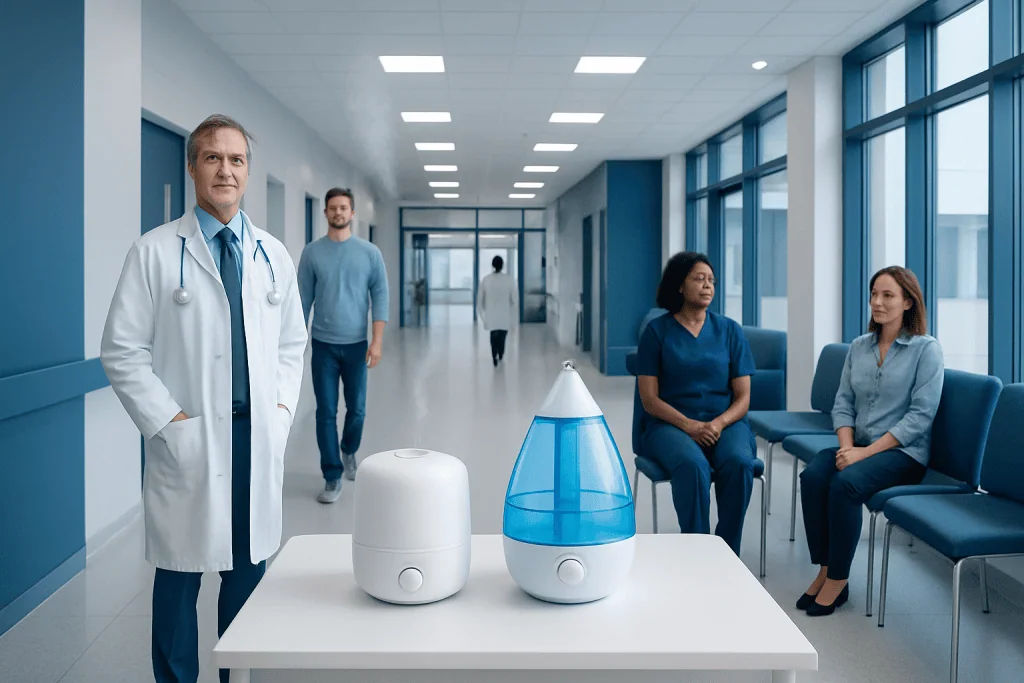
A vaporizer produces warm steam; a humidifier usually adds cool mist to the air. Neither device treats the cause of illness, but both may ease dryness, irritation, and congestion in some people.
Key Takeaways
- A vaporizer produces warm steam; a humidifier usually adds cool mist to the air.
- Neither device treats the cause of illness, but both may ease dryness, irritation, and congestion in some people.
- Clinicians distinguish which is more suitable by reviewing symptoms, age, safety concerns, and home conditions.
- Too much humidity or poor cleaning can worsen comfort and may encourage mold or germ growth.
- Persistent breathing symptoms, fever, wheezing, or severe sinus pain need medical assessment rather than home treatment alone.
Vaporizers and humidifiers both increase indoor moisture, but they do it in different ways: a vaporizer heats water into steam, while a humidifier usually releases a cool mist. Doctors tell them apart by how they work, the person’s symptoms, the room environment, and practical safety issues such as burn risk, cleaning needs, and whether there is an underlying illness causing congestion or dryness.
Overview: Vaporizer vs Humidifier at a Glance
Vaporizer vs humidifier is mainly a question of how moisture is delivered into the air. A vaporizer heats water and releases warm steam. A humidifier adds moisture without boiling, most often as a cool mist. Both can make a dry room feel more comfortable, but they are not identical devices and they are not automatically interchangeable for every person.
Doctors usually do not choose between them by brand or convenience alone. They look at the person’s symptoms, age, home environment, and any underlying health condition. For example, a child with nighttime congestion, an adult with dry indoor air irritation, and an older person with chronic lung disease may each need different advice.
The simplest comparison is below:
- Vaporizer: creates warm steam by heating water
- Humidifier: releases cool mist or room-temperature moisture
- Best use of either: short-term comfort for dryness, mild nasal irritation, or thick secretions
- Main caution with vaporizers: hot water and burn risk
- Main caution with humidifiers: regular cleaning is essential to reduce buildup of mold, minerals, and germs
- What doctors focus on: symptoms, safety, humidity level, and whether another condition needs treatment
How They Work and Why the Difference Matters

A vaporizer uses heat to turn water into steam. That warm moisture can feel soothing, especially in a cool room or when the nose and throat feel dry. Because the water is boiled, some people assume vaporizers are always “cleaner,” but the device still needs careful maintenance. Mineral deposits and contamination can still become a problem depending on design and cleaning habits.
A humidifier, by contrast, typically disperses cool mist into the air. Some use ultrasonic vibration and others use evaporative filters or wicks. Cool-mist devices are often preferred when there are children in the home because they avoid the burn hazard of hot steam, though they still require proper cleaning and regular water changes.
This difference matters because comfort is not the only goal. Warm steam may feel helpful for some people with upper airway irritation, while cool mist may be more practical for everyday room humidity support. If symptoms stem from an illness such as sinusitis or another respiratory problem, the device may ease irritation but will not replace medical evaluation or disease-specific treatment.
Doctors also consider the room itself. In already humid environments, adding more moisture may make a space feel heavy or may worsen mold growth. In dry, heated indoor air, gentle humidification may reduce dryness of the nose, throat, skin, and eyes. The “better” option depends less on the device name and more on the person, the symptom pattern, and safe use.
How Clinicians Tell Them Apart in Practice

Clinicians tell a vaporizer from a humidifier first by mechanism: warm steam versus cool mist. But in practice, what matters more is how that mechanism interacts with symptoms. A doctor will usually ask what the person is feeling most: nasal blockage, thick mucus, cough, dry throat, snoring, skin dryness, nosebleeds, wheezing, or trouble breathing. These details help determine whether room moisture is likely to help at all.
They also assess the setting. Is the air very dry from winter heating or air conditioning? Is the person sleeping poorly because of throat dryness? Is there a baby, toddler, or older adult at home? Is there asthma, chronic sinus trouble, allergy, or a history of frequent infections? These questions often matter more than the device label.
A doctor may further distinguish between simple dryness and true disease. Congestion with facial pressure, fever, or colored discharge may suggest a sinus infection rather than air dryness alone. Wheezing or chest tightness points attention toward lower airway conditions such as asthma. In those cases, the advice may include more than room moisture, such as examination, medication review, or testing.
Clinicians also ask about maintenance because an improperly cleaned device can become part of the problem. If a patient says symptoms worsen after the machine runs, the doctor may suspect excess humidity, poor cleaning, mineral mist exposure, or irritation from additives. This is one reason specialists often discuss device care along with symptom relief.
What Symptoms Each One May Help With
Both devices may help relieve discomfort caused by dry indoor air. Common examples include a dry nose, scratchy throat, mild morning cough, thicker nasal mucus, and general stuffiness that feels worse overnight. Some people also find that adequate room humidity helps them sleep more comfortably when heating systems dry the air.
A vaporizer may feel especially soothing when warm steam is preferred. Some people like the sensation of moist, warm air around the nose and throat during a cold. Others may prefer a humidifier for steady bedroom use, especially when prolonged overnight moisture support is needed and hot steam would not be practical.
However, symptoms that seem similar can have different causes. A blocked nose may come from allergies, viral infection, a structural nasal problem, or chronic sinus inflammation. A cough may be related to postnasal drip, reflux, or lung disease. If symptoms are frequent or persistent, a clinician may look beyond home devices and consider ENT or lung evaluation, and in selected cases tests such as a comprehensive check-up or imaging may be appropriate.
Neither a vaporizer nor a humidifier should be viewed as a cure. They are supportive tools that may improve comfort. When used thoughtfully and safely, they can be part of symptom management, but lasting or worsening symptoms need proper diagnosis.
What Doctors Usually Recommend for Each Situation
For general dry air relief, many clinicians lean toward a cool-mist humidifier, especially in homes with infants or children, because it avoids the hot-water burn risk of a vaporizer. It may be useful for dry nasal passages, dry throat, and mild congestion linked to indoor heating. The goal is moderate humidity, not a damp room.
A vaporizer may be considered when warm steam feels more soothing and the user can operate it safely. Adults may choose it for short-term comfort during a cold, but it should be placed carefully to prevent burns or spills. Doctors generally advise avoiding medicated additives unless specifically recommended, as fragrances or inhaled substances may irritate some airways.
If allergy is the main issue, the clinician may emphasize environmental control rather than adding more moisture indiscriminately. Dust mites and mold can thrive when humidity is too high. If congestion is recurrent, evaluation by an ENT specialist may be more useful than switching devices repeatedly; in some cases, treatment planning may involve ENT evaluation and care.
If symptoms involve shortness of breath, recurrent wheeze, or chronic cough, a respiratory approach becomes more important than humidity choice alone. A doctor may review inhaler technique, triggers, and lung function, and may recommend pulmonology assessment when symptoms suggest a lower airway problem.
Safe Use, Cleaning, and Common Mistakes
The most important rule for either device is proper cleaning. Standing water can allow germs to grow, and mineral buildup can affect how the device performs. Following the manufacturer’s cleaning instructions, changing water daily when possible, and keeping the tank dry between uses are simple but important steps.
Another common mistake is over-humidifying the room. Air that is too damp can worsen comfort, encourage mold growth, and make some allergy symptoms harder to control. A room should feel comfortable, not wet or stuffy. Condensation on windows or a musty smell may suggest excess humidity.
Vaporizers require added caution because of heat. They should be placed out of reach of children, on a stable surface, and away from bedding or high-traffic areas. Humidifiers avoid burn hazards but still need close attention to cleaning, filter changes if applicable, and the type of water recommended by the manufacturer.
People sometimes use a device continuously for symptoms that actually need medical treatment, such as chronic sinus blockage, repeated nosebleeds, untreated allergy, or sleep-disordered breathing. If a device helps only a little or symptoms quickly return, the next step is not always “more moisture.” It may be a clinical review to identify the real cause.
When to Seek Medical Care
Home moisture devices are reasonable for mild dryness or short-lived congestion, but some symptoms should prompt medical advice. A person should seek care if congestion lasts more than about 10 days, keeps recurring, or is accompanied by significant facial pain, ear pain, high fever, or thick discharge. These features may point to something more than dry air.
Urgent assessment is important for trouble breathing, wheezing, chest tightness, bluish lips, dehydration, confusion, or symptoms in a very young infant. These signs suggest a condition that should not be managed with a vaporizer or humidifier alone. Children, older adults, and people with chronic lung disease deserve especially cautious evaluation.
A clinician may recommend further assessment if symptoms disturb sleep, interfere with daily activities, or seem linked to allergies, asthma, reflux, or frequent infections. Depending on the pattern, testing or specialist care may be needed. For some international patients, Acibadem International’s multidisciplinary specialists in JCI-accredited hospitals diagnose and treat respiratory and ENT conditions when more detailed evaluation is required.
If there is uncertainty about whether symptoms are coming from the nose, sinuses, throat, or lungs, professional guidance is the safest approach. Devices can improve comfort, but diagnosis directs effective treatment.
Frequently asked questions
Which is better, a vaporizer or a humidifier?
Neither is universally better. A vaporizer makes warm steam, while a humidifier usually releases cool mist, so the better choice depends on symptoms, safety needs, and the home environment. Many doctors prefer cool mist in homes with children because it avoids burn risk.
Do doctors recommend vaporizers for colds?
Doctors may suggest a vaporizer or humidifier for comfort during a cold if dry air is making the nose and throat feel worse. These devices may help loosen secretions and reduce irritation, but they do not treat the infection itself. If symptoms are severe or prolonged, medical evaluation is more important than the choice of device.
Can a humidifier make symptoms worse?
Yes, it can if it is not cleaned properly or if it makes the room too damp. Excess humidity may encourage mold growth and can worsen some allergy symptoms. Poor maintenance can also lead to irritating particles or germ contamination in the mist.
Is a vaporizer safe for children?
Because a vaporizer uses hot water or steam, it carries a burn risk. For that reason, many clinicians favor cool-mist humidifiers around babies and young children. Any device should still be placed safely and cleaned regularly.
Will either device help sinus congestion?
They may help some people feel more comfortable by moistening the air and reducing dryness. However, sinus congestion can come from infection, allergy, inflammation, or structural nasal problems, so the benefit is often supportive rather than curative. Persistent sinus symptoms should be assessed by a clinician.
How do doctors know if symptoms are from dry air or an illness?
Doctors look at the full symptom pattern, duration, and severity. Dry air often causes irritation, dryness, and mild stuffiness, while fever, severe facial pain, wheezing, or prolonged symptoms suggest a medical condition that needs evaluation. The person’s age, medical history, and home environment also help guide the distinction.
References
- American Academy of Pediatrics
- Centers for Disease Control and Prevention
- American Academy of Otolaryngology–Head and Neck Surgery
- National Heart, Lung, and Blood Institute
- Environmental Protection Agency
This article is for general information only and is not a substitute for professional medical advice. Please consult a qualified doctor about your individual situation.
Explore treatments in Turkey — costs, top hospitals & a free quote
JCI-accredited · board-certified surgeons · reply within 24h
Add us as a Preferred Source to see more of our trusted health content across Google Search, AI Overviews and Discover.