Varicella Injection Side Effects: What to Expect and How to Manage

Most people have no side effects or only mild, temporary symptoms after the varicella vaccine. Injection-site soreness, low fever and a small chickenpox-like rash can occur after vaccination.
Key Takeaways
- Most people have no side effects or only mild, temporary symptoms after the varicella vaccine.
- Injection-site soreness, low fever and a small chickenpox-like rash can occur after vaccination.
- Some reactions begin within one or two days, while fever or rash may appear several days to a few weeks later.
- The vaccine uses a weakened virus to help the immune system build protection against chickenpox.
- Severe allergic reactions are rare but require urgent medical care.
- People who are pregnant, significantly immunocompromised or have certain allergies should discuss vaccination timing with a clinician.
Varicella injection side effects are usually mild and short-lived, most often causing pain or redness at the injection site, a low fever, tiredness, or a small rash. Serious reactions are uncommon, but prompt medical assessment is important for signs of a severe allergy or concerning symptoms.
Overview: what side effects can occur after a varicella injection?
Varicella injection side effects are generally mild and temporary. The varicella vaccine, often called the chickenpox vaccine, protects against infection with varicella-zoster virus, which causes chickenpox. Many people feel well after vaccination, while others notice arm soreness, redness, swelling, tiredness, headache, or a mild fever.
A small number of people develop a mild, chickenpox-like rash with a few spots. This is usually far less severe than chickenpox itself and settles without complications. Rarely, a person may have a more serious reaction, including a severe allergic response, so it is useful to know which symptoms need urgent attention.
The vaccine is a live, weakened-virus vaccine. It trains the immune system to recognize varicella-zoster virus and develop protection without causing typical full illness. It does not contain the same level of virus exposure as natural chickenpox infection.
- Common effects: tenderness, redness or swelling where the injection was given
- Possible general effects: tiredness, headache, mild fever or feeling unwell
- Less common effects: a few small blister-like spots or a mild rash
- Rare effects: serious allergic reaction, seizure associated with fever, or a low platelet count
How the varicella vaccine works and why it is offered
Chickenpox is often mild in healthy children, but it can cause significant discomfort and may lead to complications such as bacterial skin infection, pneumonia, inflammation of the brain, dehydration, or hospitalization. Risks are generally higher for infants, adults, pregnant people, and people with weakened immune systems. Vaccination reduces the chance of chickenpox and helps lower the risk of severe illness.
After injection, the weakened virus stimulates immune cells to make a targeted response. If the person encounters varicella-zoster virus later, the immune system can respond more quickly and effectively. Vaccinated people can occasionally still develop chickenpox, but breakthrough infection is typically milder and involves fewer skin lesions.
Is the varicella vaccine really necessary? The decision should be made with a qualified clinician based on age, health status, prior chickenpox infection, vaccination history, and local immunization recommendations. For people without evidence of immunity, vaccination is an important preventive measure because natural chickenpox is unpredictable and can sometimes be serious. It also helps reduce spread to people who are more vulnerable to complications.
Evidence of immunity may include documented vaccination, laboratory evidence of immunity, a healthcare professional’s diagnosis of prior chickenpox or shingles, or birth before a specified year in some national guidelines. The exact criteria differ by country and by individual circumstances.
Who can receive the vaccine and who needs medical advice first?

The varicella vaccine is routinely offered in many childhood immunization programs and may also be recommended for adolescents and adults who have not had chickenpox, have not been vaccinated, or do not have evidence of immunity. The number and timing of doses depend on age, vaccine history, and national guidance.
Before vaccination, the healthcare professional will ask about allergies, current illness, medicines, pregnancy status, and conditions affecting the immune system. A mild cold is not usually a reason to delay vaccination, but a moderate or severe acute illness may mean it is better to wait until recovery.
People who are pregnant should not receive a live varicella vaccine during pregnancy. Those with significant immune suppression, such as from certain cancer treatments, high-dose immune-suppressing medicines, or some immune disorders, require individualized specialist guidance. Anyone who had a severe allergic reaction after a previous dose or to a vaccine component should not receive another dose unless an allergy or immunization specialist advises otherwise.
People who have recently received blood products or immune globulin may need to delay vaccination because these products can affect the immune response. A clinician can provide safe, personalized timing advice and review interactions with other vaccines or treatments.
What happens during the procedure and immediately afterward?
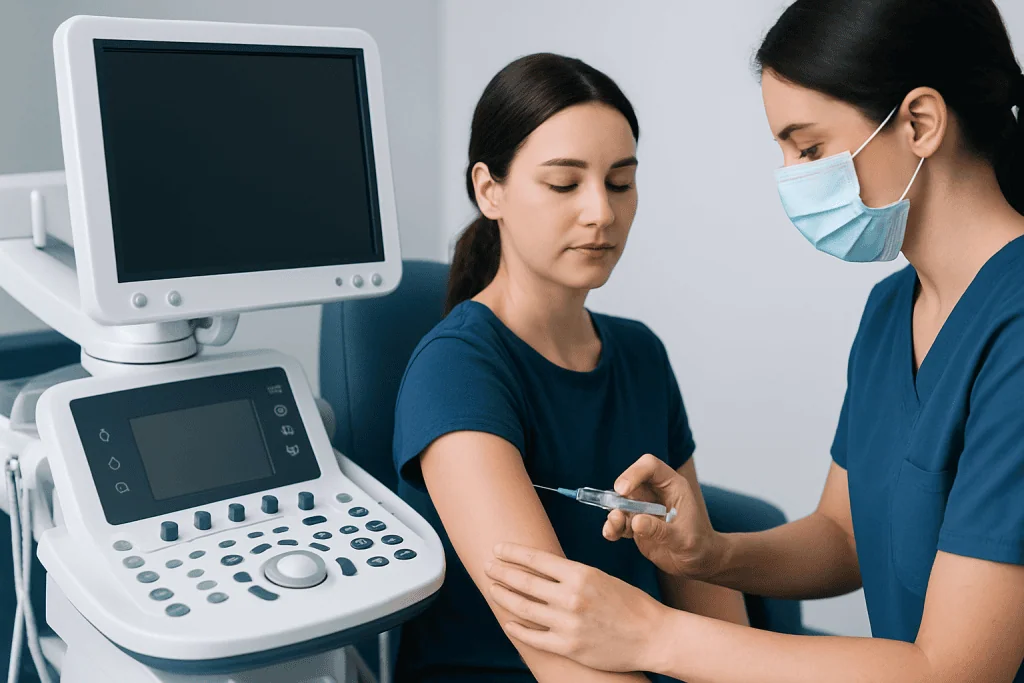
The varicella vaccine is given as an injection, commonly under the skin and sometimes according to local product guidance. A nurse, doctor, or trained immunization professional confirms the person’s health history, explains expected reactions, and obtains consent before giving the injection.
The procedure itself is brief. Some people notice a short pinch or stinging sensation, followed by mild soreness in the upper arm or another injection site. Staying relaxed, breathing slowly, and looking away can help people who feel anxious about needles.
Afterward, the person is usually asked to remain at the clinic for a short observation period. This helps staff identify the very rare immediate allergic reaction. They can then return to normal daily activities if they feel well, while avoiding strenuous activity temporarily if they feel light-headed or unwell.
For families seeking coordinated immunization advice, Acibadem International’s multidisciplinary specialists and JCI-accredited hospitals can assess vaccination needs and provide care for international patients.
How long after varicella vaccine can side effects occur?
Side effects can occur at different times. Pain, redness, swelling, or tenderness at the injection site most often begins on the day of vaccination or within the next one to two days. Tiredness, headache, or mild general discomfort may occur over the same period and commonly improve quickly.
Because the vaccine contains a weakened live virus, some reactions may appear later. A mild rash may develop from several days to a few weeks after vaccination. It may consist of only a few spots near the injection area or elsewhere on the body. The rash is usually mild and does not mean that the vaccine has caused typical chickenpox.
When to expect fever after varicella vaccine? A low fever can occur within the first few days after vaccination. In some people, especially children, fever may occur later, often within approximately one to two weeks, as the immune system responds. Fever can also have unrelated causes, so a clinician should be contacted if it is high, persistent, worsening, or accompanied by worrying symptoms.
Keeping a simple note of the vaccination date and symptoms can be helpful. If there is uncertainty about whether a symptom is vaccine-related, a healthcare professional can review the timing, severity, and other possible causes.
Recovery timeline and how to manage common symptoms
Most local reactions improve within one to three days. A cool, clean cloth over the injection area can reduce discomfort. The area should not be vigorously rubbed, and normal gentle movement of the arm may help prevent stiffness.
Is it normal to feel sick after taking the varicella vaccine? Mild tiredness, a headache, reduced appetite, or a low-grade fever can happen and usually pass on their own. Rest, fluids, comfortable clothing, and regular meals as tolerated are often enough. A clinician or pharmacist can advise whether an age-appropriate fever or pain medicine is suitable, especially for children or people with medical conditions.
If a mild rash develops, it is usually managed with observation and measures that reduce itching or irritation, as advised by a healthcare professional. People with a vaccine-related rash should seek specific advice before close contact with people who are pregnant and not immune to chickenpox, newborn babies, or severely immunocompromised people, because transmission of vaccine virus is very rare but possible when a rash is present.
Most people do not need time away from school, work, or routine activities. However, anyone who feels feverish, dizzy, or unwell should rest and avoid activities where reduced concentration could create a safety risk.
When to seek medical care
Urgent medical care is needed for symptoms of a severe allergic reaction, particularly if they develop soon after vaccination. These include trouble breathing, wheezing, swelling of the face, lips, tongue, or throat, widespread hives, severe dizziness, fainting, or marked weakness. Emergency services should be contacted rather than waiting for symptoms to improve.
Medical advice is also appropriate for a high or persistent fever, a rapidly spreading or severe rash, unusual bruising or bleeding, a seizure, severe headache with neck stiffness, confusion, or symptoms that seem to be worsening rather than improving. Parents and caregivers should trust their judgment if a child appears significantly unwell.
A mild rash, low fever, or sore arm alone is usually not an emergency. Still, contacting the vaccination provider can offer reassurance and help determine whether assessment is needed. Any suspected vaccine reaction can be documented and, where appropriate, reported through the relevant national vaccine safety system.
Vaccination decisions and side effects should always be reviewed in the context of the person’s overall health. A clinician can help distinguish expected short-term effects from symptoms that may be due to another infection or medical condition.
Frequently asked questions
What are the most common varicella injection side effects?
The most common side effects are soreness, redness, swelling, or tenderness at the injection site. Some people also experience a mild fever, headache, tiredness, or a small rash. These reactions are usually short-lived and improve without specific treatment.
How long does arm pain last after a varicella vaccine?
Injection-site discomfort usually begins within the first day after vaccination and improves over one to three days. A cool compress and gentle movement of the arm may help. Medical advice is appropriate if pain becomes severe, increases over time, or is associated with marked swelling or fever.
Can the varicella vaccine cause chickenpox?
The vaccine contains a weakened form of the virus and does not usually cause typical chickenpox. A small number of people may develop a mild rash with a few spots after vaccination. This is generally much milder than natural infection and should be discussed with a clinician if there are concerns.
How long after varicella vaccine can side effects occur?
Soreness and mild general symptoms often occur on the same day or within one to two days. A fever or mild rash can sometimes appear later, including several days to a few weeks after vaccination. The timing and severity of any symptoms should be reviewed by a clinician if they are concerning.
When should a fever after the varicella vaccine be checked by a doctor?
A low fever that resolves quickly is often an expected reaction. A doctor should be contacted for high, persistent, worsening, or recurrent fever, or if fever occurs with severe headache, breathing difficulty, a seizure, confusion, or a child who appears very unwell. Fever may also be caused by an unrelated infection.
Who should avoid or delay the varicella vaccine?
People who are pregnant, have had a severe allergic reaction to a previous dose or vaccine component, or have significant immune suppression may need to avoid or delay this live vaccine. People who are moderately or severely ill, or who recently received certain blood products, may also need different timing. A healthcare professional can assess individual circumstances safely.
References
- Centers for Disease Control and Prevention
- World Health Organization
- European Centre for Disease Prevention and Control
- United Kingdom Health Security Agency
This article is for general information only and is not a substitute for professional medical advice. Please consult a qualified doctor about your individual situation.
Explore treatments in Turkey — costs, top hospitals & a free quote
JCI-accredited · board-certified surgeons · reply within 24h
Add us as a Preferred Source to see more of our trusted health content across Google Search, AI Overviews and Discover.