

Vascular Dementia: Stroke-Related Memory Problems Explained

Vascular dementia happens when brain cells are injured by reduced or blocked blood flow. Symptoms may include slowed thinking, poor attention, memory problems, mood changes, and difficulty with planning or walking.
Key Takeaways
- Vascular dementia happens when brain cells are injured by reduced or blocked blood flow.
- Symptoms may include slowed thinking, poor attention, memory problems, mood changes, and difficulty with planning or walking.
- High blood pressure, diabetes, smoking, high cholesterol, and prior strokes are major risk factors.
- Treatment focuses on controlling vascular risk factors, supporting cognitive function, and improving safety and quality of life.
- Early evaluation is important because some symptoms may overlap with other treatable conditions.
Vascular dementia is a type of cognitive decline caused by reduced blood flow to the brain. It often develops after a stroke or from long-term damage to small blood vessels, affecting memory, thinking, planning, and daily function.
Overview
Vascular dementia is a common cause of problems with memory, thinking, and daily functioning in older adults. It develops when parts of the brain do not receive enough blood and oxygen. This reduced blood flow can happen suddenly, such as after a stroke, or slowly over time because of damage to small blood vessels deep in the brain.
The condition is not always limited to memory loss. Many people first notice slowed thinking, trouble concentrating, difficulty organizing tasks, or changes in mood and behavior. Depending on which brain areas are affected, symptoms can vary from one person to another.
Doctors may also use the broader term vascular cognitive impairment. This describes a range of changes, from mild thinking difficulties to more advanced dementia. In some people, vascular dementia can occur along with other brain conditions, such as Alzheimer's disease, which may make symptoms more complex.
Although vascular dementia cannot usually be reversed, early diagnosis can help. Treating the underlying blood vessel problems and reducing future stroke risk may slow further decline and support independence for as long as possible.
Symptoms
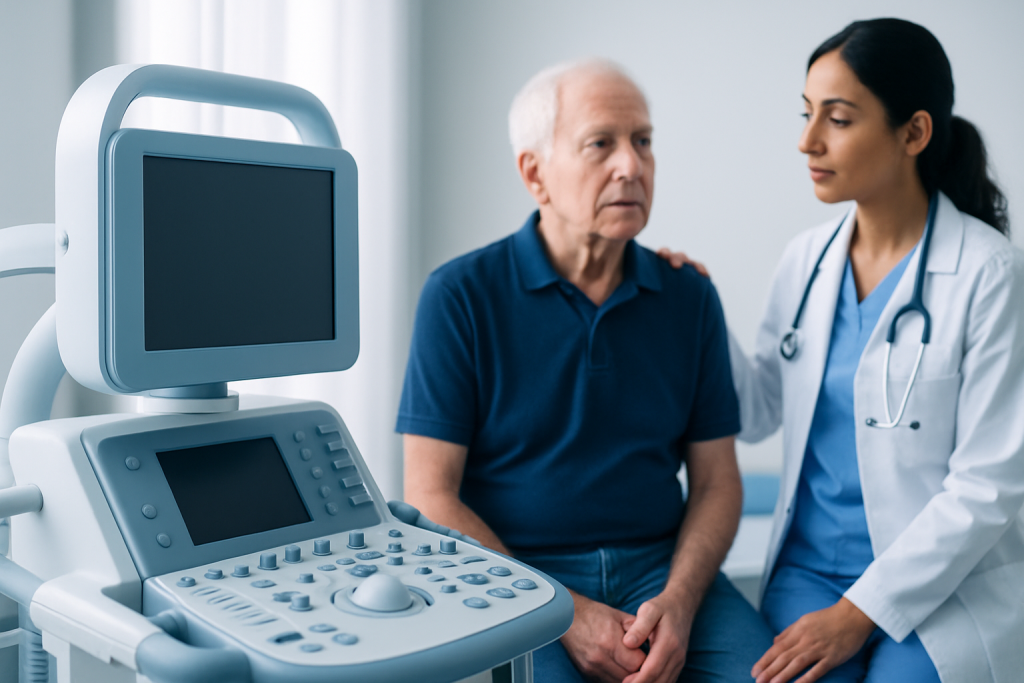
Symptoms of vascular dementia depend on the size, number, and location of blood vessel injuries in the brain. Some people notice a sudden change after a stroke, while others experience a gradual decline over months or years. In many cases, symptoms may seem to worsen in steps rather than in a smooth, steady pattern.
Common symptoms include problems with attention, planning, judgment, and mental speed. Memory can also be affected, but early symptoms are often more related to organization and decision-making than to forgetting recent events. Some people struggle to follow conversations, manage finances, prepare meals, or keep track of appointments.
Physical and emotional changes can also occur. These may include difficulty walking, poor balance, urinary urgency, low mood, irritability, or lack of motivation. If strokes have affected movement or speech areas, there may also be weakness, clumsiness, or language problems.
- Slowed thinking or confusion
- Trouble focusing or switching between tasks
- Difficulty planning, organizing, or solving problems
- Memory problems that interfere with daily life
- Mood changes, apathy, depression, or irritability
- Changes in gait, balance, or bladder control
Causes and Risk Factors

Vascular dementia is caused by damage to brain tissue from reduced blood supply. This may happen after one large stroke, several smaller strokes, or chronic narrowing and injury of tiny blood vessels. Over time, repeated episodes of poor circulation can affect networks responsible for thinking, movement, and behavior.
Several vascular conditions raise the risk. High blood pressure is one of the most important because it damages blood vessels throughout the body, including the brain. Diabetes, high cholesterol, smoking, obesity, heart disease, sleep apnea, and irregular heart rhythms such as atrial fibrillation can also contribute.
Age is a major risk factor, but vascular dementia is not an inevitable part of aging. A personal history of stroke or transient ischemic attack greatly increases risk, especially if blood vessel risk factors are not well controlled. People with kidney disease or long-standing circulation problems may also be more vulnerable.
In some cases, vascular dementia develops together with other forms of dementia. This mixed pattern can make diagnosis more difficult, but it is common in later life. Identifying and managing the vascular component remains important because future blood vessel injury may be preventable.
How It Is Diagnosed
Diagnosis begins with a detailed medical history and symptom review. Doctors often ask when the changes started, whether they appeared suddenly or gradually, and how they affect everyday activities. Input from family members or caregivers is especially helpful because they may notice changes the person does not recognize.
A neurological examination and cognitive testing help assess memory, attention, language, problem-solving, and movement. Blood tests may be used to look for other causes of cognitive symptoms, such as vitamin deficiencies, thyroid disorders, infection, or medication side effects. Because different conditions can mimic dementia, a careful evaluation is important.
Brain imaging is often a key part of diagnosis. MRI is especially useful because it can show old strokes, small vessel disease, and areas of brain injury. CT scans may also be used, particularly when doctors need to quickly assess the effects of a recent stroke. Some patients may undergo MRI scanning or CT imaging as part of the workup.
Doctors also look for heart and blood vessel conditions that may have caused reduced brain blood flow. This can include blood pressure evaluation, heart rhythm testing, and studies of the carotid arteries or heart when needed. The goal is not only to identify vascular dementia, but also to reduce the risk of additional strokes and further decline.
Treatment Options
Treatment for vascular dementia focuses on preventing more blood vessel damage, managing symptoms, and supporting daily function. There is no single cure, but many people benefit from a personalized plan. This often includes medical treatment for the underlying vascular causes along with rehabilitation and practical support at home.
Controlling risk factors is central to care. Doctors may treat high blood pressure, diabetes, high cholesterol, and heart rhythm disorders, and they may recommend antiplatelet or other stroke-prevention medicines when appropriate. Medication plans vary depending on the person’s overall health and the cause of the vascular damage, so treatment should always be guided by a qualified physician.
Some people also benefit from therapies that address the effects of stroke or mobility problems, including stroke rehabilitation and structured cognitive support. Physical therapy, occupational therapy, and speech therapy may improve walking, communication, safety, and confidence with daily tasks. Depression, sleep problems, and agitation should also be recognized and treated when present.
For selected patients, doctors may consider whether another condition is contributing to symptoms, such as carotid artery disease or recurrent stroke. Near the end of the care journey, international patients may seek assessment at centers such as Acibadem International, where multidisciplinary specialists in JCI-accredited hospitals diagnose and treat vascular neurological conditions.
Prevention and Self-care
Not every case of vascular dementia can be prevented, but many risk factors are modifiable. Protecting blood vessel health is the main strategy. This means controlling blood pressure, blood sugar, and cholesterol, staying physically active, avoiding tobacco, and following a balanced eating pattern recommended by a doctor or dietitian.
Regular medical follow-up matters, especially for people who have had a stroke, transient ischemic attack, or heart disease. Taking prescribed medicines consistently can lower the risk of future brain injury. Limiting alcohol, managing sleep apnea, and maintaining a healthy weight may also support brain and vascular health.
Daily routines can help people who already have symptoms. Written reminders, pill organizers, calendars, simple home layouts, and structured schedules may reduce confusion and improve independence. Family support is often very important, both for practical help and emotional well-being.
Caregivers should also pay attention to safety. Falls, medication mistakes, wandering, and driving concerns may need to be discussed with a healthcare professional. Early planning around finances, legal decisions, and long-term care preferences can reduce stress later.
When to See a Doctor
A doctor should evaluate any new or worsening problems with memory, attention, planning, or personality, especially in an older adult or someone with a history of stroke. Symptoms that interfere with finances, cooking, medication management, work, or safe driving should not be ignored. Early assessment may identify a treatable cause or help prevent further decline.
Urgent medical care is needed if symptoms come on suddenly. Warning signs such as facial drooping, arm weakness, slurred speech, sudden vision loss, severe imbalance, or new confusion can indicate a stroke and should be treated as an emergency. Fast treatment can reduce brain injury and improve outcomes.
Caregivers should also seek help if the person becomes unsafe at home, stops eating, falls repeatedly, or shows major changes in mood or behavior. Depression and anxiety are common and deserve attention. Supportive treatment can improve quality of life for both the patient and family.
Because vascular dementia often develops gradually, families sometimes adapt to the changes without realizing how much function has been lost. A professional evaluation can clarify the diagnosis, guide treatment, and connect patients with rehabilitation, social support, and long-term planning resources.
Frequently asked questions
Is vascular dementia the same as Alzheimer's disease?
No. Vascular dementia is caused by reduced blood flow and injury to brain tissue, often from strokes or small vessel disease, while Alzheimer's disease is related to different brain changes. However, some people have both conditions at the same time.
Can vascular dementia start after a stroke?
Yes. Some people develop memory and thinking problems after a major stroke or after several smaller strokes. Symptoms may appear suddenly or become more noticeable during recovery.
Can vascular dementia be reversed?
The brain damage that has already occurred usually cannot be fully reversed. Still, treatment can help control risk factors, reduce the chance of further strokes, and support daily function and quality of life.
What are the early signs of vascular dementia?
Early signs often include slowed thinking, trouble concentrating, difficulty planning tasks, and poor judgment. Some people also notice mood changes, problems walking, or reduced motivation before memory loss becomes prominent.
How is vascular dementia diagnosed?
Doctors diagnose it using a medical history, cognitive assessment, neurological examination, blood tests, and brain imaging such as MRI or CT. They also look for stroke, heart disease, high blood pressure, and other vascular risk factors.
Can lifestyle changes help?
Yes. Controlling blood pressure, diabetes, and cholesterol, staying active, not smoking, and following medical advice can help protect blood vessels and may slow further decline. Lifestyle measures are an important part of long-term care.
References
- World Health Organization
- National Institute on Aging
- American Stroke Association
- Alzheimer's Association
- National Institute of Neurological Disorders and Stroke
This article is for general information only and is not a substitute for professional medical advice. Please consult a qualified doctor about your individual situation.
Dementia in Turkey — costs, top hospitals & a free quote
JCI-accredited · board-certified surgeons · reply within 24h
Add us as a Preferred Source to see more of our trusted health content across Google Search, AI Overviews and Discover.
Check your numbers in seconds
BMI, calories, due date, blood pressure and 30+ more clinical calculators — free, instant, doctor-reviewed ranges.

Neurology
Diagnosis and treatment of disorders of the brain, spinal cord, nerves and muscles.
51 specialists in this unitMore from the Health Library



Related Specialists
Asst. Prof. Dr. Hilal Kurtoğlu Gümüşel
Cardiology
Dt. Poyzan Bozkurt
Oral & Dental Health
Assoc. Prof. Dr. Ayşe Ebru Bahadır
Ophthalmology
Assoc. Prof. Dr. Onur Tunali
Orthopedic Surgery & Traumatology