

Vascular Neurologist vs General Neurologist: When Does the Difference Matter?

A vascular neurologist focuses on stroke, TIA, and disorders affecting the brain’s blood vessels. A general neurologist diagnoses and manages many neurological conditions, from headaches to seizures and neuropathy.
Key Takeaways
- A vascular neurologist focuses on stroke, TIA, and disorders affecting the brain’s blood vessels.
- A general neurologist diagnoses and manages many neurological conditions, from headaches to seizures and neuropathy.
- Urgent symptoms such as sudden weakness, speech trouble, facial droop, or vision loss require emergency evaluation right away.
- Many patients benefit from both specialists at different times, depending on diagnosis and long-term care needs.
- Choosing the right specialist can improve speed of diagnosis, treatment planning, and prevention of future stroke.
A vascular neurologist is a neurologist with added expertise in stroke and other brain blood vessel disorders, while a general neurologist treats a broader range of nervous system conditions. The difference matters most when symptoms suggest a stroke, transient ischemic attack, or another urgent cerebrovascular problem.
Overview: What Is the Difference?
When comparing a vascular neurologist vs general neurologist, the main difference is scope of expertise. A general neurologist evaluates and treats a wide variety of brain, spinal cord, nerve, and muscle disorders. These may include headaches, epilepsy, dizziness, memory changes, neuropathy, tremor, and many other neurological symptoms.
A vascular neurologist is first trained as a neurologist and then develops focused expertise in conditions related to blood flow in the brain and nervous system. This includes stroke, transient ischemic attack (TIA), bleeding in or around the brain, narrowing of brain arteries, and other cerebrovascular disorders. In many hospitals, vascular neurologists play a central role in urgent stroke evaluation and treatment decisions.
For many everyday neurological concerns, a general neurologist is the right first specialist. But when symptoms point to a possible stroke or another blood vessel-related brain problem, a vascular neurologist may be especially important. Their training is centered on rapid diagnosis, emergency treatment, prevention of recurrent stroke, and coordination with emergency medicine, neuroradiology, neurosurgery, and rehabilitation teams.
What a General Neurologist Usually Treats
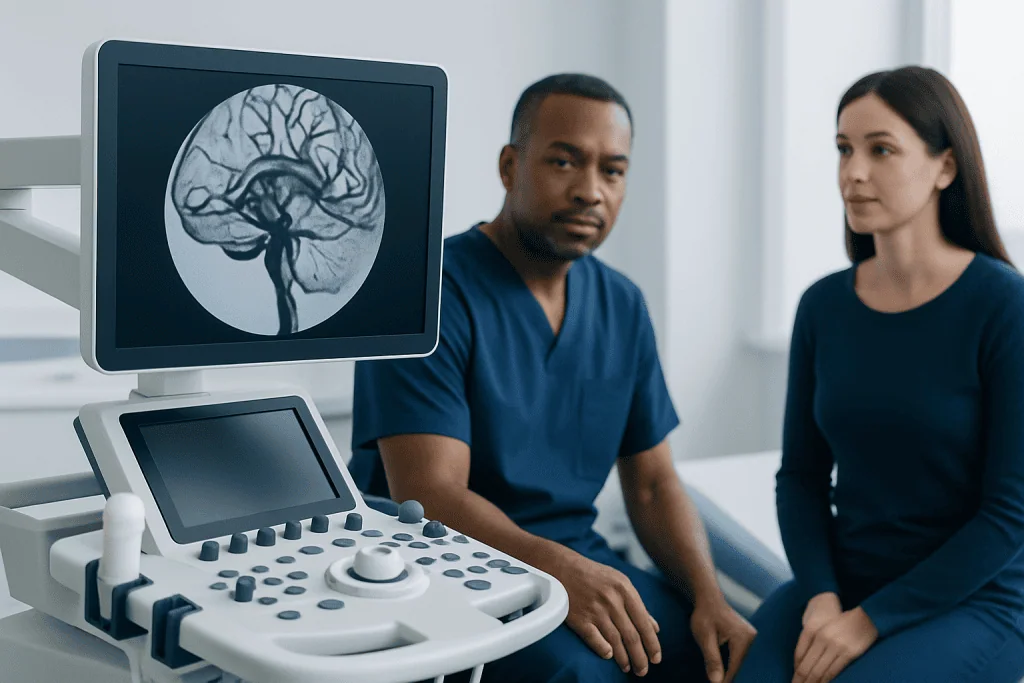
A general neurologist is often the first specialist people see for symptoms involving the nervous system. They assess symptoms such as chronic headaches, migraines, numbness, tingling, seizures, balance problems, memory concerns, muscle weakness, tremor, and sleep-related neurological issues. Their role includes taking a detailed history, performing a neurological examination, ordering tests, and creating an initial treatment plan.
General neurologists also monitor long-term neurological conditions and help determine whether a patient needs a more focused subspecialist. For example, someone with Parkinson-like symptoms may later be referred to a movement disorders specialist, while a patient with multiple sclerosis may benefit from neuroimmunology care.
Common reasons to see a general neurologist include:
- Frequent or severe headaches
- Seizures or unexplained episodes of altered awareness
- Numbness, burning, or weakness in the limbs
- Dizziness or balance changes
- Memory problems or confusion that are not sudden emergencies
- Tremor or movement changes
A general neurologist can often diagnose these conditions directly or guide the patient to the most appropriate subspecialty if needed.
What a Vascular Neurologist Usually Treats

A vascular neurologist focuses on disorders caused by problems with the blood vessels supplying the brain. The best-known example is stroke, which occurs when part of the brain loses blood supply or bleeds. This specialty also covers transient ischemic attack, sometimes called a mini-stroke, as well as conditions such as narrowing of the carotid or intracranial arteries, cerebral venous thrombosis, and some forms of brain hemorrhage.
These specialists are trained to recognize subtle warning signs, interpret brain imaging quickly, and decide whether urgent treatments may help. They often work closely with teams providing stroke treatment and, in selected cases, advanced procedures related to interventional neuroradiology. Their expertise is particularly valuable in the emergency setting, where timing can affect brain recovery.
A vascular neurologist also helps after the acute event. Follow-up care may include identifying the cause of stroke, managing risk factors such as high blood pressure or diabetes, recommending medications, and guiding rehabilitation. For some patients, they also coordinate care related to carotid disease or other vessel abnormalities that may require carotid artery treatment in collaboration with vascular and surgical teams.
When the Difference Matters Most
The difference matters most when symptoms are sudden and suggest interrupted blood flow to the brain. A person with abrupt facial droop, arm weakness, speech difficulty, new vision loss, severe imbalance, or sudden confusion needs emergency medical attention immediately. In that situation, the goal is not to schedule an office visit with any neurologist, but to seek urgent hospital evaluation where stroke specialists, including vascular neurologists, may be involved.
Even if symptoms go away within minutes, they should not be ignored. A TIA can be an important warning sign of a future stroke. Evaluation by a vascular neurologist can help clarify whether the event was a TIA, migraine, seizure, fainting episode, or another condition that can mimic stroke.
The difference may also matter after a confirmed stroke or TIA. A general neurologist may continue to be involved, but a vascular neurologist often has more focused experience with questions such as why the event happened, which tests are most useful, how to lower recurrence risk, and whether there is a need for specialized imaging or procedures. Patients with suspected stroke or transient ischemic attack often benefit from this focused expertise.
By contrast, if symptoms have developed gradually over weeks or months and do not suggest a cerebrovascular emergency, a general neurologist is usually the appropriate starting point. They can then decide whether vascular neurology input is needed.
Symptoms and Situations That Point Toward Vascular Neurology
Certain symptoms are more likely to involve a vascular neurologist because they can signal a blood vessel problem in the brain. These symptoms usually begin suddenly rather than slowly. Sudden onset is one of the most important clues that a problem may be vascular rather than another neurological disorder.
Symptoms that may need urgent stroke-focused evaluation include:
- Sudden weakness or numbness, especially on one side of the body
- Sudden facial drooping
- New trouble speaking or understanding speech
- Sudden loss of vision or double vision
- Sudden severe dizziness, imbalance, or difficulty walking
- A sudden, unusually severe headache, especially if different from prior headaches
- Sudden confusion or reduced alertness
Not all of these symptoms mean a stroke has occurred, but they should be treated as urgent until proven otherwise. Conditions such as migraine with aura, seizures, low blood sugar, inner ear disorders, and some infections can sometimes imitate stroke. A vascular neurologist helps distinguish these possibilities using history, examination, and brain imaging.
People who already have strong stroke risk factors may be more likely to need vascular neurology care. These risk factors include high blood pressure, diabetes, high cholesterol, smoking, atrial fibrillation, prior stroke or TIA, carotid artery disease, and some clotting disorders.
How Diagnosis and Testing Differ
Both general neurologists and vascular neurologists use neurological examinations, imaging, and laboratory tests. The difference is in the pattern of questions being asked. A general neurologist may be looking broadly at causes of headaches, seizures, neuropathy, movement disorders, or cognitive changes. A vascular neurologist is especially focused on whether blood flow to the brain has been blocked, reduced, or disrupted by bleeding.
In possible stroke or TIA, the evaluation may include urgent brain imaging such as CT or MRI, imaging of the blood vessels in the head and neck, heart rhythm monitoring, blood tests, and sometimes echocardiography. These tests help determine whether symptoms came from a blocked artery, bleeding, a clot from the heart, severe vessel narrowing, or another cause.
For patients with more gradual or recurring neurological symptoms, a general neurologist may start with a broader differential diagnosis. Depending on findings, they may order nerve studies, EEG, spinal imaging, blood tests for metabolic or autoimmune causes, or neurocognitive assessment. If the picture later suggests a cerebrovascular issue, referral to vascular neurology is appropriate.
In complex cases, the two specialists may work together rather than separately. That team-based approach can be especially useful when a patient has more than one neurological issue, such as chronic migraine plus a recent TIA-like event, or seizures after a stroke.
Treatment, Follow-Up, and Long-Term Prevention
Treatment depends on the diagnosis. A general neurologist may prescribe therapies for migraine prevention, seizure control, neuropathy symptoms, sleep-related neurological disorders, or movement problems. Their focus is often long-term symptom control, monitoring, and adjusting treatment over time.
A vascular neurologist treats the immediate and long-term consequences of cerebrovascular disease. In an emergency, this may include assessing eligibility for time-sensitive stroke treatments and coordinating rapid care with emergency and imaging teams. After the acute event, treatment usually shifts to preventing another stroke by addressing the underlying cause and controlling risk factors.
Prevention plans may include medications recommended by the treating physician, blood pressure and diabetes management, smoking cessation, cholesterol control, exercise, nutrition changes, and treatment of heart rhythm problems if present. Rehabilitation may also be needed to support recovery of speech, movement, balance, or daily function after a stroke.
Patients do not always need to choose one specialist forever. Some continue with a vascular neurologist for stroke prevention while also seeing a general neurologist for headaches, seizures, or neuropathy. Near the end of the care pathway, international patients may also seek coordinated evaluation in centers such as Acibadem International, where multidisciplinary specialists in JCI-accredited hospitals diagnose and treat cerebrovascular and neurological conditions.
How to Decide Which Specialist to See
The best choice depends on the timing and type of symptoms. If symptoms are sudden and stroke-like, the right step is emergency care immediately, not waiting for a routine appointment. Emergency teams can involve a vascular neurologist quickly if needed. Time matters when brain blood flow may be affected.
If symptoms are not sudden or not clearly vascular, a general neurologist is often the best first point of contact. They can evaluate the full range of neurological possibilities and refer to vascular neurology if test results or symptom patterns suggest a stroke-related issue.
Helpful questions to consider when seeking care include:
- Did the symptoms begin suddenly or gradually?
- Did they involve one-sided weakness, speech trouble, or vision loss?
- Have there been prior strokes, TIAs, or known blood vessel problems?
- Are there stroke risk factors such as high blood pressure or atrial fibrillation?
- Is the main concern a broad neurological symptom, such as headaches or tremor, rather than an acute event?
If there is uncertainty, starting with urgent medical assessment is safest when symptoms are abrupt or severe. A qualified doctor can then determine whether general neurology, vascular neurology, or another specialty is the most appropriate next step.
Frequently asked questions
Is a vascular neurologist different from a stroke doctor?
In many cases, yes, the terms are used in a very similar way. A vascular neurologist is a neurologist with focused expertise in stroke and other blood vessel-related brain disorders. They often lead stroke evaluation, treatment decisions, and prevention planning.
Should a person see a vascular neurologist for every neurological symptom?
No. Many neurological symptoms, such as chronic headaches, tremor, neuropathy, or seizures, are commonly evaluated first by a general neurologist. A vascular neurologist is most relevant when symptoms suggest stroke, TIA, or another cerebrovascular condition.
What symptoms require emergency care instead of a clinic appointment?
Sudden facial droop, one-sided weakness, trouble speaking, sudden vision loss, severe imbalance, or sudden confusion should be treated as emergencies. These symptoms may indicate stroke and need immediate hospital assessment. It is important not to wait for a routine specialist visit.
Can a general neurologist still care for someone after a stroke?
Yes. A general neurologist may remain involved, especially if the patient has other neurological issues or needs long-term follow-up. However, a vascular neurologist often provides added expertise in stroke cause evaluation and recurrence prevention.
Do all hospitals have vascular neurologists?
Not all hospitals have the same level of stroke specialization. Larger stroke centers are more likely to have vascular neurologists and rapid access to advanced imaging and treatment pathways. In urgent situations, emergency medical services can help direct patients to the most appropriate facility.
Can symptoms that look like a stroke turn out to be something else?
Yes. Migraine, seizures, low blood sugar, inner ear problems, infections, and other conditions can sometimes mimic stroke. Because the symptoms can overlap, urgent medical evaluation is still important to rule out a true cerebrovascular emergency.
References
- World Stroke Organization
- American Heart Association
- National Institute of Neurological Disorders and Stroke
- Centers for Disease Control and Prevention
- American Academy of Neurology
This article is for general information only and is not a substitute for professional medical advice. Please consult a qualified doctor about your individual situation.
Joint and spine care in Turkey — expert assessment & treatment
JCI-accredited · board-certified surgeons · reply within 24h
Add us as a Preferred Source to see more of our trusted health content across Google Search, AI Overviews and Discover.
Check your numbers in seconds
BMI, calories, due date, blood pressure and 30+ more clinical calculators — free, instant, doctor-reviewed ranges.

More from the Health Library



Related Specialists

Dyt. Tuba Sungur
Nutrition & Diet
Assoc. Prof. Dr. Gülfem Başol
Gynecology & Obstetrics
Assoc. Prof. Dr. Yeşim Çimen
Physical Medicine & Rehabilitation
Prof. Dr. İbrahim Yıldız
Medical Oncology