Veins — Explained by Medical Evidence, Not Myths
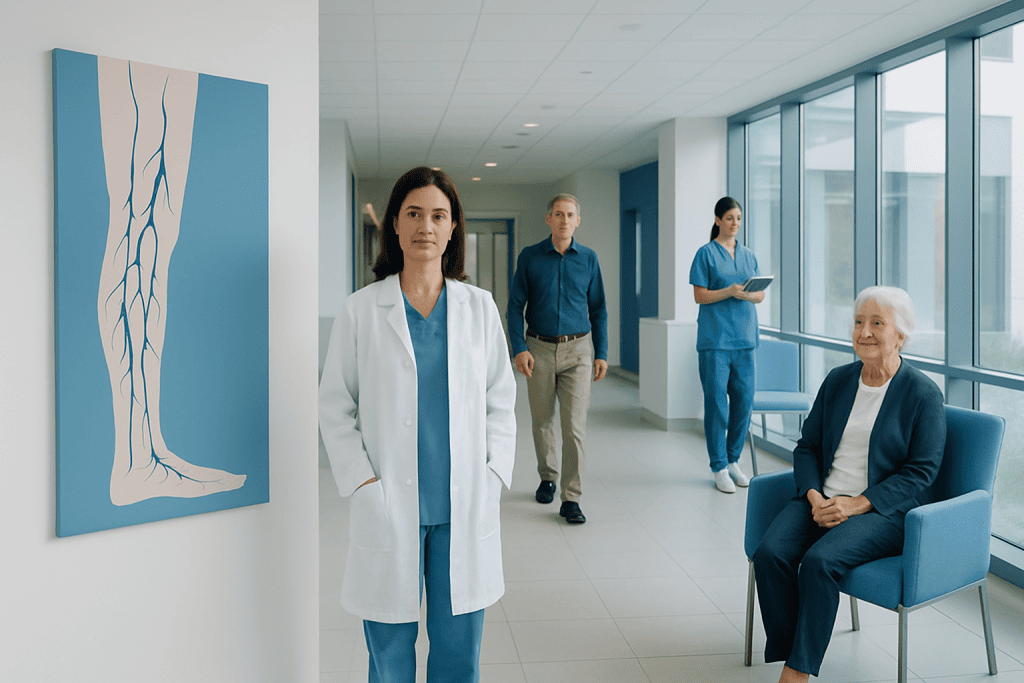
Veins return blood to the heart and often contain one-way valves to keep blood moving in the right direction. Visible veins are not always a sign of disease, especially in people with fair skin, low body fat, aging skin, pregnancy, or regular exercise.
Key Takeaways
- Veins return blood to the heart and often contain one-way valves to keep blood moving in the right direction.
- Visible veins are not always a sign of disease, especially in people with fair skin, low body fat, aging skin, pregnancy, or regular exercise.
- Symptoms such as leg heaviness, swelling, aching, skin discoloration, or ulcers may suggest venous disease and should be assessed by a doctor.
- Deep vein thrombosis is different from cosmetic vein changes and needs prompt medical attention because it can lead to serious complications.
- Movement, weight management, leg elevation, and compression therapy can support vein health in many people.
- Treatment depends on the cause and may range from lifestyle changes to minimally invasive procedures or blood-thinning medicines.
Veins are blood vessels that carry blood back to the heart, and many visible veins are a normal part of healthy circulation. Problems such as varicose veins, blood clots, or chronic venous insufficiency can develop when vein walls or valves do not work well, so symptoms and context matter more than appearance alone.
Overview: what veins are and why they matter
Veins are blood vessels that carry blood back to the heart. In most parts of the body, this blood is lower in oxygen than the blood carried by arteries. Many veins, especially in the legs, contain one-way valves that help blood move upward against gravity and prevent it from flowing backward.
Most people notice veins when they become more visible under the skin of the hands, arms, legs, or feet. This can be completely normal and may reflect age, exercise, body build, skin tone, or warm temperatures. In other cases, changes in veins can point to a circulation problem that benefits from medical assessment.
Medical concerns related to veins are not all the same. Some, such as spider veins or uncomplicated varicose veins, are often more noticeable than dangerous, though they can still cause discomfort. Others, such as deep vein thrombosis, involve a blood clot in a deeper vein and require prompt diagnosis and treatment.
How veins work in the body
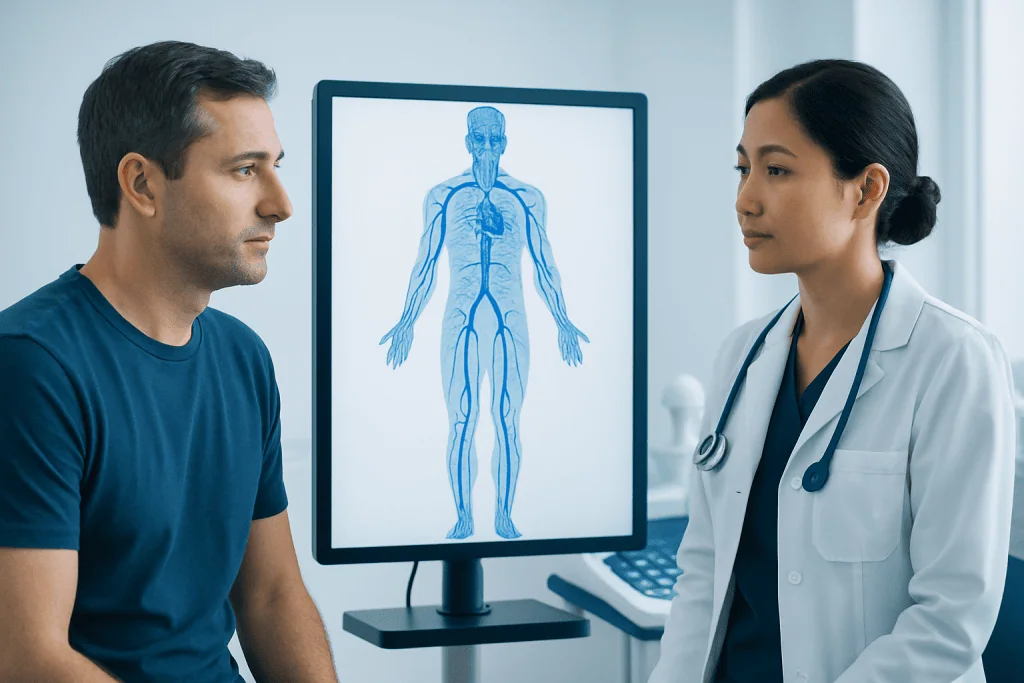
The body has a deep and superficial venous system. Deep veins run through muscles and carry most of the blood returning to the heart. Superficial veins lie closer to the skin and are the ones people usually see. Small connecting veins link these two systems, helping blood move efficiently.
When leg muscles contract during walking, they squeeze deep veins and help push blood upward. This is often called the calf muscle pump. Healthy vein valves then close behind the blood, reducing backflow. If these valves weaken or vein walls stretch, blood can pool in the legs, leading to pressure, swelling, and visible bulging veins.
Veins also help the body regulate blood volume and circulation. Because they can expand more easily than arteries, they act as a reservoir for blood. This normal flexibility is useful, but it also means veins can be affected by prolonged standing, pregnancy, obesity, immobility, and aging.
When visible veins are normal and when they may suggest a problem
Visible veins alone do not always mean disease. Veins may stand out more after exercise because blood flow increases and muscles temporarily enlarge. They may also become easier to see in hot weather, with aging as skin thins, or in people who naturally have less fat under the skin.
Pregnancy can also make veins more noticeable because blood volume rises and hormonal changes affect vein walls. Some people inherit a tendency toward prominent veins without having symptoms. In these situations, the appearance of veins may be mainly a cosmetic issue rather than a medical one.
However, visible veins deserve more attention if they are accompanied by aching, burning, itching, heaviness, leg swelling, nighttime cramps, skin discoloration, or a feeling of pressure after standing. Veins that become twisted, bulging, tender, or associated with skin ulcers may suggest chronic venous disease, including venous insufficiency.
- Often normal: more visible hand or arm veins, exercise-related prominence, mild spider veins without symptoms
- Possible concern: one-sided leg swelling, sudden pain, warmth, redness, bulging veins with discomfort, skin changes near the ankle
- Urgent concern: symptoms suggesting a blood clot or breathing-related complications
Common vein problems, causes, and risk factors
Varicose veins develop when valves weaken and blood pools in superficial veins, causing them to enlarge and twist. Spider veins are smaller, web-like veins near the skin surface. Both can be influenced by heredity, prolonged standing or sitting, pregnancy, age, and excess body weight. They may be harmless in some people but uncomfortable in others.
Chronic venous insufficiency is a broader condition in which the veins struggle to return blood effectively from the legs. It can cause swelling, heaviness, aching, skin thickening, discoloration around the ankles, and in advanced cases, leg ulcers. Previous blood clots, valve damage, obesity, and reduced mobility can increase risk.
Deep vein thrombosis, or DVT, happens when a clot forms in a deep vein, usually in the leg. Risk factors include recent surgery, hospitalization, long periods of immobility, active cancer, pregnancy, certain inherited clotting disorders, smoking, and some hormone-based medications. DVT is different from superficial visible veins because it may be less obvious but more serious.
Inflamed superficial veins, called superficial thrombophlebitis, can cause redness, tenderness, and a firm cord-like vein under the skin. While often less dangerous than DVT, it still may need medical evaluation because clots can extend or occur together with deeper vein disease.
How vein conditions are diagnosed
Diagnosis begins with a clinical history and physical examination. A doctor may ask about symptoms, family history, pregnancies, previous clots, occupation, travel, medicines, and how long symptoms have been present. The pattern of swelling, skin changes, and whether one or both legs are affected can provide important clues.
The most common imaging test for vein problems is duplex ultrasound. This painless test uses sound waves to show blood flow, identify reflux from faulty valves, and detect blood clots in deep or superficial veins. It is often the main test used to confirm venous insufficiency or DVT.
Other tests are sometimes used in selected cases, especially when symptoms suggest a more complex circulation issue or when a procedure is being planned. Blood tests may help when a clotting disorder is suspected, but they do not replace imaging. Accurate diagnosis matters because treatment differs greatly between cosmetic veins, chronic venous disease, and blood clots.
Treatment options for vein problems
Treatment depends on the cause, severity, symptoms, and goals of care. For mild symptoms or early venous disease, doctors often recommend regular walking, avoiding long periods of standing or sitting, elevating the legs when possible, and using compression stockings if appropriate. Skin care is also important when swelling or chronic irritation is present.
For symptomatic varicose veins or venous insufficiency, minimally invasive procedures may be considered. These can include sclerotherapy for certain superficial veins and endovenous laser ablation for reflux in larger veins. The right option depends on vein anatomy, symptoms, and ultrasound findings rather than appearance alone.
Deep vein thrombosis is treated differently and typically involves blood-thinning medication to prevent clot growth and reduce the risk of complications. In selected situations, hospital-based interventions may be considered. Because the treatment pathway depends on whether the problem is superficial, deep, chronic, or acute, self-diagnosing vein conditions can be misleading.
When advanced venous disease causes chronic wounds, focused wound care and treatment of the underlying circulation problem are both important. In some cases, broader vascular or cardiovascular surgical care may be part of a specialist treatment plan. Near the end of the care journey, patients may also seek evaluation at centers such as Acibadem International, where multidisciplinary specialists in JCI-accredited hospitals diagnose and treat vein conditions for international patients.
Prevention and self-care for healthier veins
Daily habits can support vein health, especially for people with a family history of vein disease or jobs that involve long periods of standing. Regular walking helps the calf muscles pump blood back toward the heart. Shifting position often, flexing the ankles during travel, and taking movement breaks during desk work can also help reduce pooling in the legs.
Maintaining a healthy weight can lower pressure on leg veins. Some people benefit from elevating the legs above heart level for short periods during the day, particularly if they notice swelling by evening. Compression stockings may be useful for selected people, but they should be chosen with medical guidance if there is significant swelling, pain, or suspected artery disease.
Skin care matters in chronic venous disease. Keeping the skin moisturized and protecting it from injury may reduce irritation and breakdown near the ankles. Smoking cessation and general cardiovascular health measures are also important because blood vessel health is connected across the body.
- Walk regularly and avoid sitting still for long stretches
- Take breaks to move during travel or work
- Elevate legs if swelling tends to build up
- Discuss compression therapy with a healthcare professional
- Seek review for persistent symptoms rather than relying on cosmetic advice alone
When to seek medical care
Medical assessment is appropriate if veins are associated with persistent leg pain, heaviness, swelling, itching, skin discoloration, recurrent cramps, or sores that do not heal. These symptoms may suggest venous insufficiency or another circulation problem that deserves professional evaluation.
Urgent medical care is important if one leg becomes suddenly swollen, painful, warm, or red, especially after surgery, travel, illness, or a long period of immobility. Emergency care is needed if these symptoms are followed by chest pain, shortness of breath, coughing blood, or fainting, as these can be signs of a serious clot-related complication.
People who are pregnant, have cancer, have had a previous blood clot, or are taking medications that affect clotting should be especially cautious about new symptoms. Early evaluation often helps clarify whether visible veins are normal, mainly cosmetic, or part of a condition that needs treatment.
Frequently asked questions
Are visible veins always a sign of poor health?
No. Visible veins can be completely normal, especially with exercise, aging, fair skin, warm temperatures, pregnancy, or low body fat. They are more concerning when they appear with pain, swelling, skin changes, or one-sided leg symptoms.
What is the difference between veins and arteries?
Arteries carry blood away from the heart, while veins return blood to the heart. Veins often contain one-way valves, especially in the legs, to help blood move upward against gravity.
Do varicose veins mean there is a blood clot?
Not usually. Varicose veins are commonly caused by weakened valves in superficial veins and are different from deep vein thrombosis. However, pain, redness, sudden swelling, or warmth should be checked by a doctor because clotting can occur in superficial or deep veins.
Can exercise help vein health?
Yes, regular movement can help blood flow through the leg veins by activating the calf muscles. Walking is especially helpful because it supports the natural pumping action that returns blood toward the heart.
When should leg swelling be evaluated?
Leg swelling should be evaluated if it is persistent, painful, one-sided, or associated with redness, warmth, or skin changes. Sudden swelling can sometimes signal a blood clot and should not be ignored.
Are compression stockings safe for everyone?
Compression stockings help many people with vein symptoms, but they are not right for everyone. People with certain artery problems, severe skin disease, or unexplained swelling should ask a healthcare professional before using them.
This article is for general information only and is not a substitute for professional medical advice. Please consult a qualified doctor about your individual situation.
Explore treatments in Turkey — costs, top hospitals & a free quote
JCI-accredited · board-certified surgeons · reply within 24h
Add us as a Preferred Source to see more of our trusted health content across Google Search, AI Overviews and Discover.

More from the Health Library
Cholesterol Free Oil for Cooking — Explained by Medical Evidence, Not Myths
Anterograde Amnesia: What Patients Need to Know

Olive: What Patients Need to Know
Cavity Between Molar Teeth: What Patients Need to Know

Ph of Milk: An Evidence-Based Guide for Patients