

Vestibular Neuritis vs Vestibular Migraine: How Doctors Tell the Difference

Vestibular neuritis usually causes one prolonged attack of severe vertigo, often with nausea and imbalance, but without hearing loss. Vestibular migraine often causes repeated episodes of vertigo and may occur with migraine features such as light sensitivity, sound sensitivity, or headache.
Key Takeaways
- Vestibular neuritis usually causes one prolonged attack of severe vertigo, often with nausea and imbalance, but without hearing loss.
- Vestibular migraine often causes repeated episodes of vertigo and may occur with migraine features such as light sensitivity, sound sensitivity, or headache.
- A detailed symptom history and bedside examination are often more helpful than scans in telling these conditions apart.
- Treatment differs: vestibular neuritis focuses on early symptom control and vestibular rehabilitation, while vestibular migraine treatment centers on migraine management and trigger control.
- Urgent assessment is important if dizziness comes with weakness, double vision, severe headache, new hearing loss, chest pain, or trouble speaking or walking.
Vestibular neuritis and vestibular migraine can both cause sudden dizziness or vertigo, but they are different conditions with different patterns, triggers, and treatments. Doctors usually tell them apart by listening carefully to the history, examining eye movements and balance, and using tests only when needed.
Overview: why these two conditions are often confused
Vestibular neuritis and vestibular migraine are two common causes of vertigo, a false sensation that a person or the room is spinning or moving. Both can also cause nausea, vomiting, unsteadiness, and trouble focusing the eyes during movement. Because the symptoms overlap, many people are unsure which condition they may have, especially during a first attack.
Even though they can feel similar, the underlying causes are different. Vestibular neuritis is thought to involve inflammation affecting the vestibular nerve, which carries balance signals from the inner ear to the brain. Vestibular migraine is a migraine-related disorder in which dizziness or vertigo is part of the migraine process, even when head pain is mild or absent.
Doctors do not usually rely on one single test to distinguish them. Instead, they look at the whole picture: how the symptoms started, how long they lasted, whether they come back, whether migraine features are present, and what the physical examination shows. This careful approach helps guide the right treatment and also helps rule out more serious causes of acute dizziness.
Symptoms: how the pattern usually differs
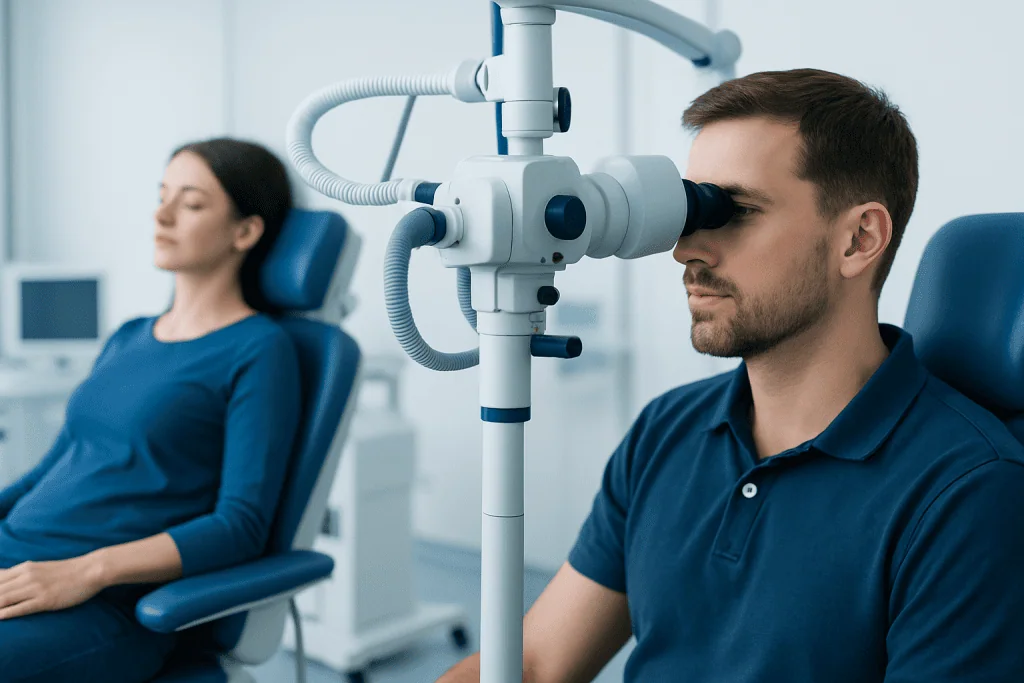
The timing of vertigo is one of the most useful clues. Vestibular neuritis typically causes a sudden, intense attack of continuous vertigo that lasts for hours to several days. People often feel much worse with head movement, may be unable to walk normally, and commonly have nausea and vomiting. After the worst phase passes, lingering imbalance or motion sensitivity can continue for days to weeks.
Vestibular migraine more often causes repeated episodes rather than one long, continuous event, although episode length can vary. Some attacks last minutes, others hours, and some can continue longer. The dizziness may feel like spinning, rocking, swaying, or motion intolerance. Between attacks, some people feel completely well, while others remain sensitive to busy visual environments, travel, or quick head movement.
Migraine-related features can point toward vestibular migraine. These may include a personal or family history of migraine, one-sided or throbbing headache, sensitivity to light, sensitivity to sound, visual aura, or worsening around hormonal changes, poor sleep, stress, or certain foods. However, not every attack includes headache, which is why vestibular migraine can be missed.
Hearing symptoms also matter. Vestibular neuritis usually does not cause hearing loss because it affects the balance portion of the vestibular nerve rather than the hearing structures. If vertigo occurs with new hearing loss or ringing in one ear, doctors may think about other inner ear disorders, such as Ménière’s disease, rather than classic vestibular neuritis or vestibular migraine.
Causes and risk factors

Vestibular neuritis is generally believed to be linked to inflammation of the vestibular nerve, sometimes after a viral infection or immune reaction. Many patients describe a recent cold or upper respiratory illness before symptoms begin, although this is not always present. The condition usually affects one side, creating a sudden mismatch in balance signals between the ears and the brain.
Vestibular migraine is related to the nervous system mechanisms involved in migraine. The exact process is complex, but it may involve temporary changes in how the brain processes sensory and balance information. It can occur in people who have had migraine headaches for years, but it can also appear in those whose migraine symptoms are less obvious.
Risk factors for vestibular migraine overlap with migraine risk factors in general. These include a personal or family history of migraine, female sex, sleep disruption, stress, dehydration, missed meals, hormonal fluctuations, and certain dietary triggers in susceptible people. Vertigo can sometimes be brought on by visual motion, crowded patterns, or prolonged screen use.
Vestibular neuritis and vestibular migraine are not the only causes of dizziness. Benign paroxysmal positional vertigo, anxiety-related dizziness, medication effects, low blood pressure, and central nervous system problems such as stroke may also need consideration. In some people, migraine and other vestibular disorders can coexist, which can make diagnosis more challenging.
How doctors tell the difference
The medical history is often the most important tool. A doctor will ask when the dizziness started, whether it was sudden or gradual, how long it lasted, whether attacks repeat, and what the person was doing when symptoms began. They will also ask about nausea, vomiting, hearing changes, ear fullness, ringing in the ears, headache, light sensitivity, visual aura, recent infection, and past migraine history.
During the examination, doctors look closely at eye movements, because the eyes often reveal where the balance problem is coming from. In vestibular neuritis, there is commonly a characteristic spontaneous nystagmus, which is an involuntary rhythmic eye movement, along with abnormal responses on head impulse testing that suggest one-sided vestibular weakness. Balance may be clearly impaired, especially early on.
In vestibular migraine, the examination may be normal between attacks, or findings may be less specific. Some people have positional nystagmus or motion sensitivity, but the pattern may not fit a single damaged vestibular nerve. Migraine features in the history often become the deciding clue, especially when dizziness episodes are recurrent and linked with typical migraine symptoms or triggers.
Doctors also remain alert for warning signs of central causes such as stroke. If dizziness is accompanied by double vision, slurred speech, severe difficulty walking, one-sided weakness, numbness, or a new severe headache, urgent evaluation is needed. In acute settings, specialists may use focused bedside assessments to help separate inner ear disorders from brain-related causes, and sometimes neurological examination findings are more informative than an early scan.
Tests that may be used
There is no single blood test or scan that definitively diagnoses vestibular neuritis or vestibular migraine in every case. Many diagnoses are clinical, meaning they are based mainly on the history and physical examination. Still, tests can be helpful when symptoms are atypical, severe, recurrent, or when the doctor wants to exclude other conditions.
Hearing tests may be ordered if there is any concern about hearing loss, ringing in the ears, or ear pressure. Vestibular testing can assess how well each inner ear balance organ is working and may show one-sided weakness in vestibular neuritis. Depending on the case, specialists may consider tests such as videonystagmography or other balance evaluations alongside a detailed ear and nerve examination.
Imaging is not always necessary for straightforward vestibular neuritis or vestibular migraine, but it may be recommended if the symptoms or examination raise concern for a central cause. For example, an MRI may be used when the pattern is unusual, neurological symptoms are present, or stroke risk factors make another diagnosis more likely. In selected cases, MRI helps rule out structural causes rather than confirming migraine itself.
If attacks are frequent or the diagnosis remains uncertain, referral to a neuro-otology, neurology, or ENT specialist may be useful. These specialists can interpret subtle exam findings, review migraine criteria, and decide whether additional vestibular function testing or other assessments would improve diagnostic confidence.
Treatment options for each condition
Treatment differs because the causes differ. In vestibular neuritis, the early goal is to control severe nausea and vertigo long enough for the person to stay hydrated and start moving again. Short-term symptom-relieving medicines may be used in the acute phase, but they are generally not continued longer than necessary because prolonged use can slow the brain’s natural compensation for balance loss.
As the acute phase settles, vestibular rehabilitation becomes very important in vestibular neuritis. These are guided exercises that help the brain adapt to altered balance input and improve gaze stability, walking, and confidence with movement. Recovery is often good, but some people need time and structured therapy to reduce lingering imbalance. In appropriate cases, physical therapy and rehabilitation can be a key part of recovery.
Vestibular migraine treatment focuses on migraine management. This may include identifying triggers, improving regular sleep and meal patterns, staying hydrated, reducing excess caffeine when relevant, managing stress, and using medications to treat attacks or lower attack frequency when symptoms are frequent or disabling. The exact plan depends on the person’s age, other health conditions, symptom frequency, and migraine history.
When dizziness symptoms are complex, multidisciplinary care may be helpful. Acibadem International’s multidisciplinary specialists in JCI-accredited hospitals evaluate and treat vestibular disorders for international patients, including balance testing, migraine assessment, and rehabilitation planning when needed. If symptoms overlap with broader balance-system conditions, evaluation in a setting familiar with ENT care and neurological assessment can support an accurate diagnosis.
Prevention and self-care
Vestibular neuritis cannot always be prevented, but recovery can be supported by healthy habits and appropriate follow-up. During the acute stage, rest and hydration are important. As soon as a doctor advises it is safe, gradual return to normal movement usually helps the brain compensate better than prolonged bed rest. People should avoid driving, climbing, or hazardous activities while severe vertigo persists.
For vestibular migraine, prevention often depends on recognizing patterns. Keeping a symptom diary can help identify links with sleep loss, skipped meals, dehydration, stress, menstruation, alcohol, or specific foods. Not everyone has clear dietary triggers, but regular routines tend to help many patients reduce attacks and feel more in control.
General self-care strategies may include:
- Maintaining regular sleep and wake times
- Eating meals on a consistent schedule
- Drinking enough fluids throughout the day
- Limiting known personal migraine triggers
- Using prescribed medicines exactly as directed
- Following vestibular exercises if recommended
If dizziness leads to falls or fear of walking, practical safety steps matter. Good lighting, hand support on stairs, avoiding sudden head turns during recovery, and asking for help when symptoms are active can reduce injury risk. Ongoing or recurrent symptoms should be reviewed by a qualified doctor rather than managed by self-diagnosis alone.
When to see a doctor
Any first episode of severe vertigo should be assessed by a healthcare professional, especially if the person has never had similar symptoms before. Although vestibular neuritis and vestibular migraine are common and often manageable, other causes of dizziness can require urgent treatment. A prompt assessment is particularly important in older adults and in people with stroke risk factors.
Urgent medical care is needed if dizziness comes with any warning signs such as weakness, numbness, trouble speaking, double vision, chest pain, fainting, severe new headache, confusion, inability to walk, or sudden hearing loss. These features suggest that the problem may not be a straightforward vestibular disorder and should not be ignored.
Medical review is also important if vertigo keeps returning, recovery is slower than expected, symptoms are affecting work or daily activities, or over-the-counter measures are not helping. A specialist can often clarify whether the pattern fits vestibular migraine, vestibular neuritis, BPPV, or another cause, and can recommend treatment targeted to the diagnosis.
Frequently asked questions
Can vestibular migraine happen without a headache?
Yes. Some people with vestibular migraine have vertigo, dizziness, light sensitivity, or motion sensitivity without significant head pain during the attack. Doctors usually look for a migraine history or other migraine features to support the diagnosis.
Does vestibular neuritis cause hearing loss?
Classic vestibular neuritis usually does not cause hearing loss because it mainly affects the balance nerve rather than the hearing structures. If dizziness comes with new hearing loss, ringing, or ear fullness, doctors may consider other inner ear disorders as well.
How long does vestibular neuritis last compared with vestibular migraine?
Vestibular neuritis often causes one major attack of continuous vertigo lasting hours to days, followed by gradual improvement over days to weeks. Vestibular migraine usually causes repeated attacks, and each episode may last from minutes to hours or sometimes longer.
Is an MRI always needed to tell the difference?
No. Many cases can be diagnosed from the history and physical examination, especially when the pattern is typical. MRI is mainly used when symptoms are unusual, neurological warning signs are present, or doctors need to rule out other causes such as stroke.
Can stress trigger vestibular migraine?
Yes. Stress is a common trigger for migraine disorders, including vestibular migraine, although triggers vary from person to person. Sleep disruption, dehydration, skipped meals, and hormonal changes may also contribute.
Will vestibular rehabilitation help both conditions?
It often helps after vestibular neuritis by improving balance and reducing motion sensitivity as the brain adapts. It may also help some people with vestibular migraine, especially if they have persistent imbalance between attacks, but migraine treatment and trigger management remain important.
This article is for general information only and is not a substitute for professional medical advice. Please consult a qualified doctor about your individual situation.
Migraine in Turkey — costs, top hospitals & a free quote
JCI-accredited · board-certified surgeons · reply within 24h
Add us as a Preferred Source to see more of our trusted health content across Google Search, AI Overviews and Discover.

More from the Health Library

Persistent Dizziness After Ear Infection: When Neurotology Evaluation Is Needed
How to Choose an Otologist or Neurotologist: Questions Patients Should Ask

Otologic Symptoms That Should Not Be Ignored: Ear Fullness, Hearing Changes, and Imbalance

Neuro-Otology Tests for Dizziness: What VNG, vHIT, and Balance Exams Show
When to See a Neurotologist for Dizziness, Tinnitus, or Hearing Loss

When Is a Second Opinion Worth Getting for Ear and Balance Disorders?
Otorhinolaryngology Specialists at Acibadem

Prof. Dr. Ahmet Koç
Otorhinolaryngology
Dr. Alaaddin Zirek
Otorhinolaryngology
Assoc. Prof. Dr. Ali Titiz
Otorhinolaryngology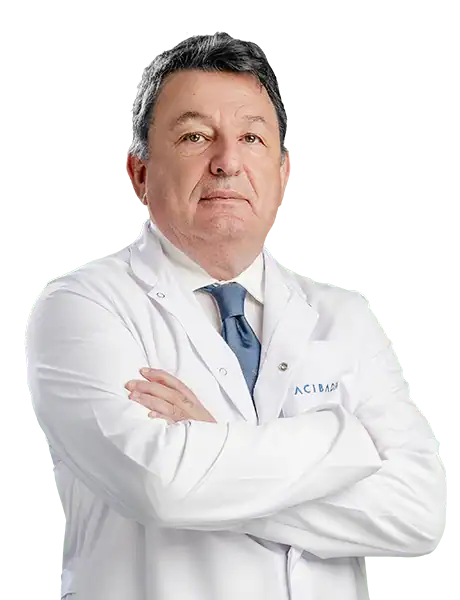
Prof. Dr. Alp Demireller
Otorhinolaryngology